REVIEW · TOKYO
Tokyo: Night Cooking Class: 5 Home-Cooked Japanese Dishes
Book on GetYourGuide →Operated by MagicalTrip · Bookable on GetYourGuide
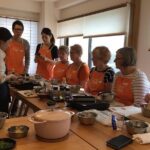
Cooking after dark feels like an izakaya party. In Tokyo’s Iriya area, this small-group class led by instructors like Alice or Masae turns Japanese home cooking into a fun night plan, with real hands-on work and sake-and-beer pairing that makes each bite feel intentional. One drawback: alcoholic tasting is only for guests 20 and older.
I love the way the lessons focus on what you can actually recreate at home. You’re not just eating; you’re learning the why behind flavors and technique, then you walk away with recipe sheets plus tour photos.
The main thing to consider is the setup: no hotel pickup, and the class involves cooking steps with heat and knives, so it’s not a casual stroller or toddler activity. You’ll meet at Iriya Station Exit 2 near a FamilyMart by Gindako and Doutor.
In This Review
- Key highlights at a glance
- A Tokyo Night Izakaya Cooking Class Where Drinks Guide the Menu
- Finding the Meeting Point Near Iriya Station Exit 2 (Without Stress)
- What You Cook: The Five-Dish Set and How Each One Fits the Night
- Knife, Heat, and Real Beginner-Friendliness (With Clear Limits)
- Sake, Beer, and Japanese Home Drinking Culture in Plain English
- Vegetarian Options, but Not Vegan or Gluten-Free
- Your Guide Makes the Difference: Alice, Masae, and Fuji-Style Teaching
- Price and Value: Is $103 for 3 Hours Worth It?
- Timing, Comfort, and What to Bring for a Smooth Night
- So, Should You Book This Tokyo Night Cooking Class?
- FAQ
- How long is the Tokyo night cooking class?
- What group size should I expect?
- Where exactly is the meeting point near Iriya Station?
- What dishes are included in the hands-on cooking?
- Can minors taste sake or alcohol?
- What if I need to cancel or change plans?
Key highlights at a glance
- Izakaya-style cooking built around drinks so food and beverages match naturally
- Five home dishes in the mix, including wagyu or tofu steak, rolled egg, and miso eggplant
- Small group of 6 max, which means more time with your guide and less waiting
- 3 cans of alcoholic or soft drinks included, plus pairing guidance for each dish
- English live guide with hands-on instruction (you’ll actually cook, not just watch)
- Take-home recipes and tour photos so the night doesn’t vanish when you wake up
A Tokyo Night Izakaya Cooking Class Where Drinks Guide the Menu
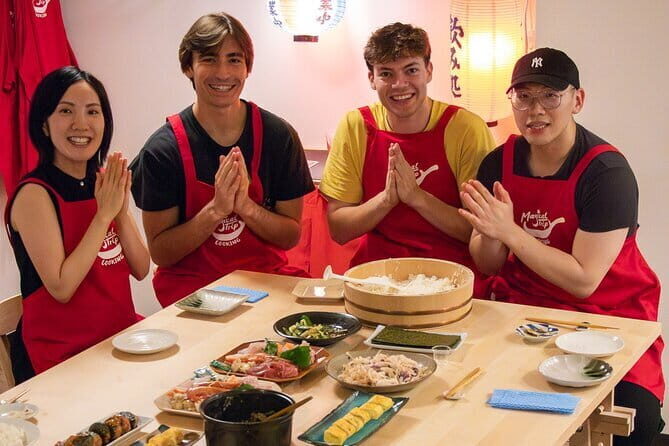
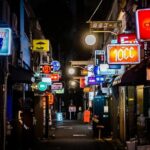
This is a Tokyo cooking class with a clear point of view: in Japan, the meal often grows out of the drink. Instead of cooking first and figuring out pairing later, you learn how small plates work with sake, beer, and other favorites.
That approach makes the whole experience feel like a real nomikai—a drinking party—without being stuffy. You’ll be in a lively, food-first setting where the goal is to enjoy the evening while learning technique. The class also works well if you’re the type who likes to travel through food, not just read about it.
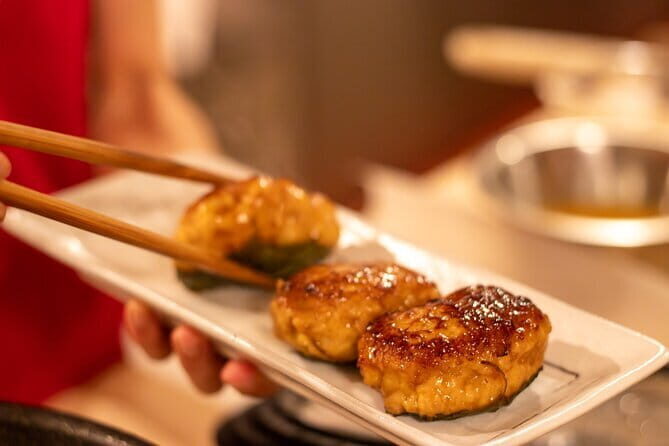
Two parts shine. First, the teaching is practical: you’ll handle the recipes step by step, including dishes like Japanese rolled egg and grilled eggplant with miso sauce. Second, the guide helps you understand which beverages complement what you’re making, so it’s not random drinking—it’s pairing you can explain.
One note for your expectations: the alcohol piece follows Japanese law. If you’re under 20, you can still join, but you’ll be limited to non-alcoholic options, since sake tasting and alcoholic drinks aren’t available for younger guests.
You can also read our reviews of more cooking classes in Tokyo

Finding the Meeting Point Near Iriya Station Exit 2 (Without Stress)
Logistics matter here because there’s no hotel pickup. You’ll meet in front of the FamilyMart next to Gindako shop in Iriya Station Exit 2.
One small detail can save you time: Iriya Station Exit 2 has two FamilyMarts, so you want the one near Gindako takoyaki and Doutor Coffee. If you’re arriving close to the start time, I’d treat this like a meeting with a friend: give yourself a buffer, scan the storefronts, and get your bearings before you’re rushed.
Once you’re in the group, expect a smooth rhythm for an English-language class: brief instructions, then hands-on cooking. The class runs about 3 hours, so you’re not signing up for an all-evening commitment.
Also, plan for the fact that some parts of the evening may involve locations that aren’t wheelchair- or stroller-friendly. If you’re traveling with mobility needs, it’s smart to double-check the route with the provider before you go.
What You Cook: The Five-Dish Set and How Each One Fits the Night
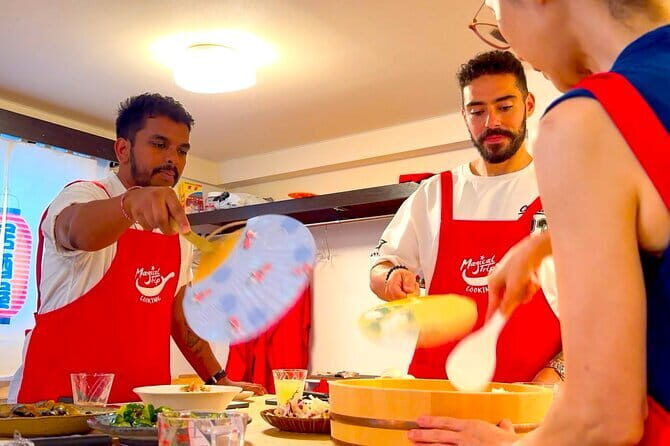
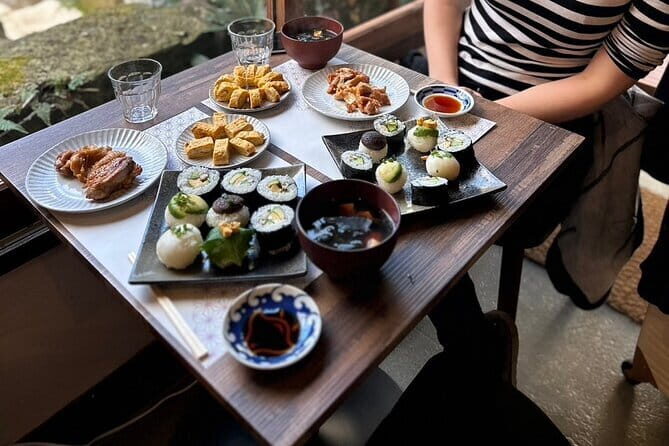
The “5 home-cooked Japanese dishes” promise isn’t just marketing fluff. The included hands-on items cover several classic flavor profiles, and together they build a mini izakaya lineup you can reproduce at home.
Here are the specific dishes listed for the cooking portion:
- Sushi hand roll
This is the kind of recipe that feels approachable and rewarding fast. You learn how to assemble a roll-style bite so it eats cleanly and works well alongside drinks.
- Wagyu or tofu steak
The choice is likely based on what you’re joining with (and what’s available for your session). Either way, it teaches you how Japanese-style seasoning and cooking approach can make simple ingredients feel special.
- Japanese-style rolled egg (tamagoyaki-style)
Rolled egg is a technique dish. It’s great practice for anyone who wants to get better at controlling heat and timing, and it pairs naturally with the savory side of an izakaya meal.
- Grilled eggplant with miso sauce
This one brings the “izakaya comfort” element—miso gives depth, while eggplant softens into something spoonable and satisfying.
Because the class is designed around five dishes, you’ll also expect an additional small plate from the class menu. The class description points to styles like skewers, crispy tempura-like bites, tangy pickles, or similar small formats that help round out the evening and keep the pairing story going.
Why this lineup works: each dish lands in a different flavor zone—savory, slightly sweet, rich, smoky/grilled, and tangy. That variety is exactly what makes an izakaya night fun, because you’re not eating one heavy flavor for three hours straight.
Knife, Heat, and Real Beginner-Friendliness (With Clear Limits)
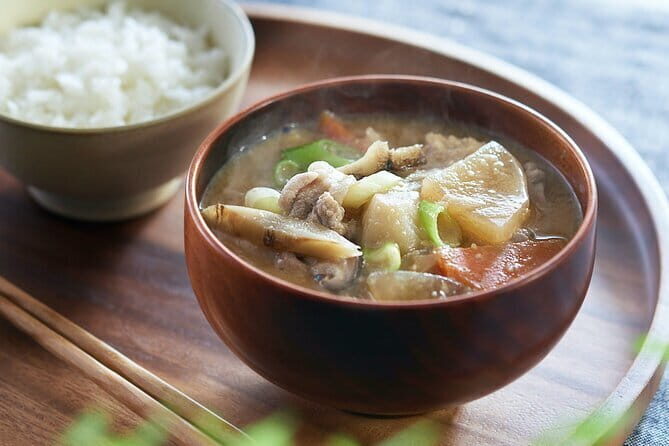
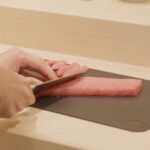
This class feels friendly for beginners, but it isn’t a “no skills required” show. You’ll use cooking equipment, and some steps involve knives and heat.
Here’s the important boundary: the tour allows participation starting at age 6, but it also notes that activities involving knives and heat are only permitted for those 12 and over, under supervision of a parent or guardian. It also states the tour isn’t suitable for children under 12, so practically speaking, plan on it being an older-kid-and-adult style activity.
That age note matters because it affects how comfortable you’ll feel letting the class run at full pace. If you’re there as an adult, you can expect to participate in the cooking steps without feeling like you’re holding everyone back.
Pregnancy is another limit: the tour isn’t suitable for pregnant women. That’s worth taking seriously for safety and comfort.
Smoking isn’t allowed, and the kitchen environment is focused on cooking. If you’re the kind of person who needs frequent breaks, you’ll want to mentally prepare for about three hours of food prep and tasting.
Also, technique-wise, you should leave with more than just flavor. You’ll learn how Japanese home cooking handles balance: seasoning, doneness, and textures that work as drink partners.
Sake, Beer, and Japanese Home Drinking Culture in Plain English
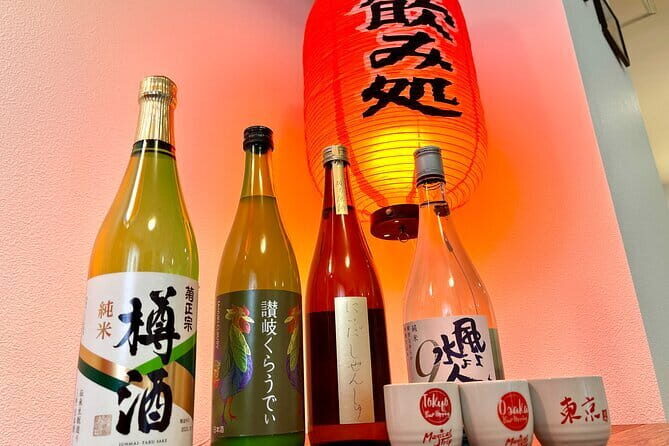
This is one of the reasons I’d pick this class over a standard cooking workshop. The instruction isn’t only about recipes; it includes how Japanese home drinking culture works.
You’re given 3 cans of alcoholic or soft drinks, and the guide helps connect beverages with the dishes you’re cooking. That’s the pairing lesson. It’s not complicated, but it makes a difference when you eat at the end: you know what to choose and why.
Japanese law sets a clear rule: alcoholic tasting is only available to guests aged 20 and over. If you’re not in that age group, you’ll still get soft drinks, and the pairing talk is useful even without alcohol tasting—because flavor logic is the same.
The whole vibe is like a casual izakaya evening: small plates, shared tasting, and conversation. One of the best parts from recent experiences is how much the guides connect the cooking to the culture. In some sessions, you’ll also hear cooking technique explanations that go beyond the recipe card—why certain textures work, and how timing matters for rolled egg or grilled eggplant.
If you’re a sake or beer person, this class is especially satisfying because it teaches pairing in a way that feels practical, not theoretical.
You can also read our reviews of more evening experiences in Tokyo


Vegetarian Options, but Not Vegan or Gluten-Free
Good news first: vegetarian guests are welcome, and the class arranges ingredients and the cooking process accordingly.
Now the limitation: it’s not available for people who are vegan and gluten-free. That’s important. If you avoid gluten due to celiac or similar needs, you should treat this as not suitable.
Allergy needs also need a realistic lens. The food is prepared in kitchens that do not belong to the tour operator, and they can’t guarantee allergy-free cooking. Substitutions might not always be possible at certain stops, even though the guide will try to compensate at other points. If your allergies are serious, you’ll want to discuss them directly before booking.
The practical takeaway: if you’re vegetarian, you can likely enjoy this without constant compromises. If you’re vegan or gluten-free, the safest move is to look for a different class built for your diet.
Your Guide Makes the Difference: Alice, Masae, and Fuji-Style Teaching
Cooking classes can go two ways: either you learn a recipe and leave, or you actually understand what you did and why. This one leans toward the second.
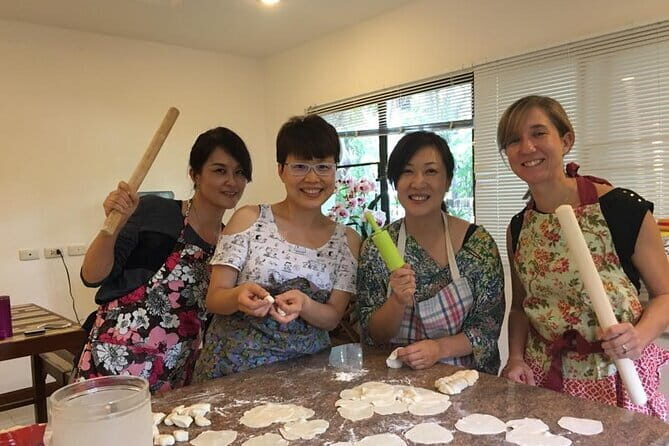
Recent experiences highlight how guides bring the night to life. Names you might see include Alice, Masae, and Fuji, and the common theme is an upbeat, friendly teaching style that still feels structured. You’ll get real explanations of technique, and you’ll have time to ask questions.
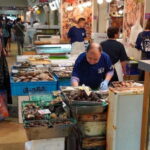
One especially memorable pattern: some sessions include a short look at ingredients at a local supermarket before you head into the studio. If that happens during your class, it’s a great chance to see the food world that Japanese home cooks shop in—then you’ll carry that knowledge right into the kitchen.
The small-group setup also matters. With a limit of 6 participants, you get more personal attention, and the group dynamic tends to feel social rather than crowded. That’s great if you’re traveling solo, and it also works well for couples who want a shared activity that’s not just a dinner reservation.
Price and Value: Is $103 for 3 Hours Worth It?
At $103 per person, this isn’t a budget cooking class. But for Tokyo night entertainment, it’s also not out of line—especially because you’re getting several value items baked in.
Here’s what you receive that most DIY cooking doesn’t include:
- A live English guide who helps with technique and pairing
- Hands-on cooking with multiple dishes (a full small-plate set)
- 3 cans of drinks (alcoholic for those 20+, soft drinks for others)
- All ingredients and cooking equipment
- Recipes to take home so you can repeat it
- Tour photos to remember the night
If you compare it to going out for drinks and then finding a place to eat, you’re basically paying for an experience that includes food, drink, and instruction. The pairing element alone is a strong reason to choose this format. It’s the kind of lesson that’s hard to recreate on your own unless you already know what pairs with what.
For people who love cooking, this is a pretty solid deal. For people who just want a quick bite, it may feel like a lot of structure for the price.
My practical rule: if you’d enjoy spending an evening learning a few Japanese techniques and then eating what you made, the cost starts to make sense fast.
Timing, Comfort, and What to Bring for a Smooth Night
This tour runs 3 hours, which is a nice length: long enough to cook, snack, and enjoy the pairing talk, but short enough that it doesn’t wreck your next day plans.
A few practical tips:
- Eat lightly before you go, but don’t arrive on a totally empty stomach. You’ll be cooking and tasting.
- Bring comfy shoes. Even if the class is kitchen-based, you’ll be meeting and moving around the area.
- Bring a basic mindset: follow instructions closely for heat and knife steps.
- If you’re under 20, remember you still get drinks—just not alcoholic tasting.
Also, check your dietary needs early. Vegetarian is workable; vegan and gluten-free aren’t supported. If allergies are involved, don’t assume you can swap everything last minute.
Finally, plan your evening around the night format. Cooking at night in Tokyo can be cool and social, but it helps if you’re not rushing to catch another late reservation right after.
So, Should You Book This Tokyo Night Cooking Class?
I think you should book it if you want a real izakaya-style evening where you cook multiple dishes and learn pairing logic with sake and beer. It’s a particularly good choice for people who like Japanese food but want more than a meal—they want a skill you can take home.
Skip it if you’re vegan or gluten-free, or if your cooking participation would be restricted due to heat/knife limits. Also skip if you’re pregnant, since it’s listed as not suitable.
If you’re on the fence, here’s the deciding question: do you want to spend your Tokyo night making food with a guide, then recreating it later? If yes, this class is a strong pick—especially with the small-group size and instructors who keep the energy up.
FAQ
How long is the Tokyo night cooking class?
The class lasts 3 hours.
What group size should I expect?
It’s a small group limited to 6 participants.
Where exactly is the meeting point near Iriya Station?
Meet in front of a FamilyMart next to Gindako shop in Iriya Station Exit 2. There are two FamilyMarts in the station area, so choose the one near Gindako takoyaki and Doutor Coffee.
What dishes are included in the hands-on cooking?
The included hands-on dishes are a sushi hand roll, wagyu or tofu steak, Japanese-style rolled egg, and grilled eggplant with miso sauce. The overall class is described as covering five home-cooked Japanese dishes.
Can minors taste sake or alcohol?
Sake tasting and alcoholic beverages are only available to guests aged 20 and over.
What if I need to cancel or change plans?
You can cancel up to 24 hours in advance for a full refund, and there is an option to reserve now and pay later.