REVIEW · TOKYO
Tokyo Asakusa Sensoji Temple Night Walking Tour
Book on Viator →Operated by Japan Wonder Travel · Bookable on Viator
Asakusa glows after dark. What makes this tour special is that it strings together the neighborhood’s top landmarks at a quieter pace, so you get a real sense of Asakusa by night without feeling rushed. I especially like the small capped group (up to 8), which makes it easy to ask questions and move with the flow. And I like that the walk includes a stop at Sensoji Temple, Tokyo’s oldest temple, with the iconic Kaminarimon gate as your anchor.
One thing to think about: the Sensoji main hall has a 6pm closing. Depending on timing, you may not be able to enter inside, so plan to enjoy the temple complex and gates even if the main hall doors are shut.
In This Review
- Key points to know before you go
- Why Asakusa at Night Feels Different Than Daytime
- Tour Price and What You Get for $35
- Meeting Point: Starting at Asakusa Culture Tourist Information Center
- Entering the Asakusa Night Route at Kaminarimon Gate
- Nakamise Shopping Street: What to Expect Along the Approach
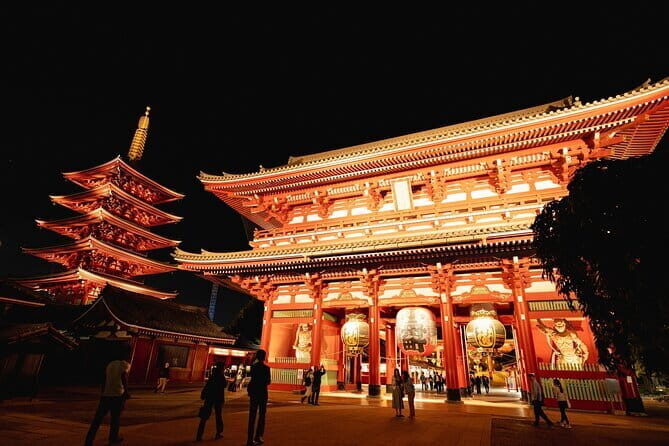
- Sensoji Temple at Night: Enjoy the Gates Even If You Can’t Enter
- Hanayashiki Street: Old Tokyo Energy Near a Historic Amusement Park
- Hoppy Street: Where the Tour’s Food and Drink Ideas Pay Off
- Small Group Size and the Role of a Welcoming Guide
- How the Pace Works for 1 Hour 30 Minutes
- What to Wear and What to Bring (So Night Walking Is Easy)
- Who This Tour Suits Best
- Should You Book the Tokyo Asakusa Sensoji Night Walking Tour?
- FAQ
- How long is the Asakusa Sensoji Temple Night Walking Tour?
- How much does the tour cost?
- Is there a group size limit?
- Where do I meet the guide?
- Where does the tour end?
- Can I enter the Sensoji main hall?
- Is the tour ticket mobile?
- What is the cancellation policy?
Key points to know before you go
- Small group of up to 8 keeps the pace human and questions welcome
- Night timing in Asakusa helps you see the lights without peak-day crowds
- Sensoji Temple stop centers the whole experience around Tokyo’s oldest temple
- Built-in snack and souvenir moments along Nakamise and nearby streets
- Finish at Hoppy Street gives you a practical next step for food and local drinks
- Mobile ticket means less fuss once you’re at the meeting point
Why Asakusa at Night Feels Different Than Daytime
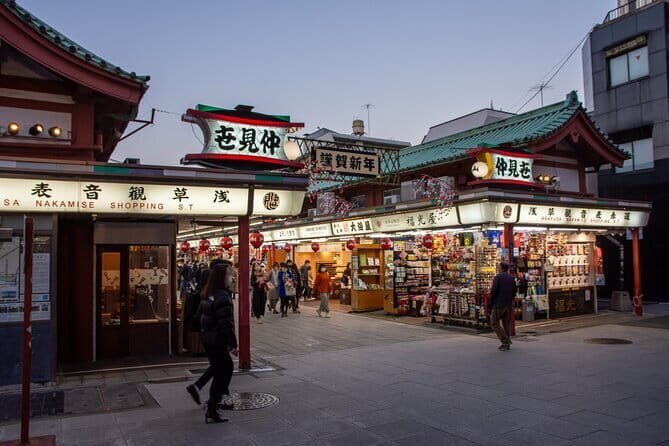
Asakusa at night has a different mood. Daytime brings the big crowds and the sprint-from-photo-to-photo energy. At night, the neighborhood tends to feel more like a real place where people eat, wander, and linger. That matters because this tour is less about checking boxes and more about getting your bearings fast.
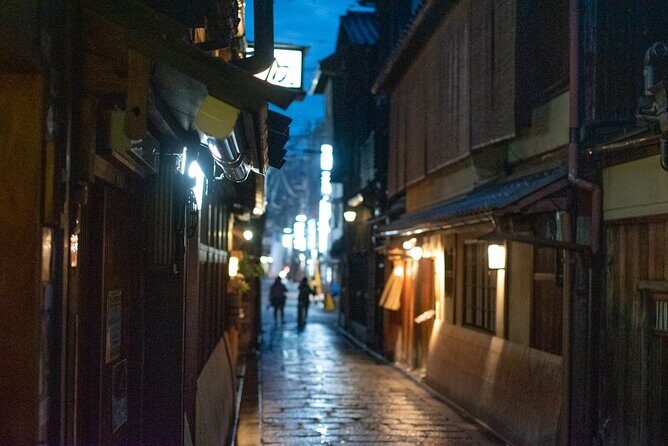
You’re also walking through areas that are famous for what they look like, but the night version adds atmosphere. Warm light on old stone. Lantern glow near the temple approach. The streets around Sensoji look especially good after the sun goes down, and the timing helps you enjoy them without having to fight for space at every turn.
You can also read our reviews of more walking tours in Tokyo
Tour Price and What You Get for $35
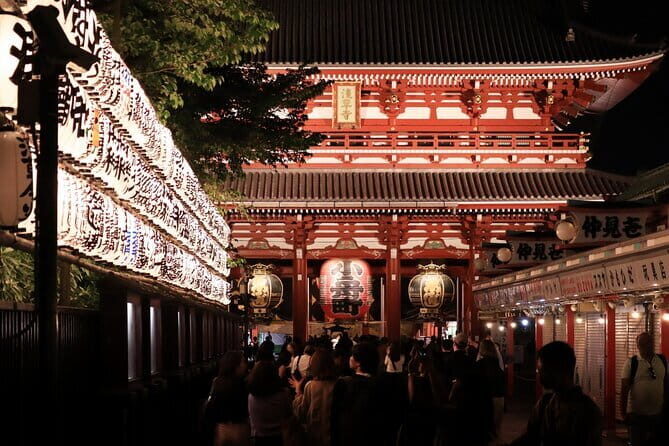
At $35 per person for about 1 hour 30 minutes, this tour is priced like an experience you can realistically add to a busy itinerary. You’re not paying for a long sit-down lesson. You’re paying for a guided walk that saves you time and helps you avoid common first-timer confusion in Asakusa.
What you get for the money is mostly smart logistics plus context:
- A route that connects the big draw areas in a straight line
- A guide who can point out what to notice (not just where to go)
- Short stops that give you enough time to look, photograph, and then move on
- The chance to pick up a souvenir in local shops along the way
Since you’ll be in a group of up to 8, the guide attention is part of the value. And because it’s a mobile ticket tour, you avoid the hassle of paper confirmation.
Meeting Point: Starting at Asakusa Culture Tourist Information Center
You start at the Asakusa Culture Tourist Information Center (2-chōme-18-9 Kaminarimon, Taito City). It’s the kind of meeting spot that makes life easier: it’s a clear landmark and near public transport. That matters because with short tours, every minute counts.
This is also why the tour’s average booking time is worth noting. It’s often booked around 25 days in advance, which is a good sign. If you’re traveling in a busy period, grabbing a slot earlier is a safe move.
The tour ends on Hoppy Street (Hoppy St, 2-chōme-8 Asakusa). That’s a nice finish because you’re not dumped back somewhere random—you’re placed right where dinner and drinks are the plan for most people.
Entering the Asakusa Night Route at Kaminarimon Gate
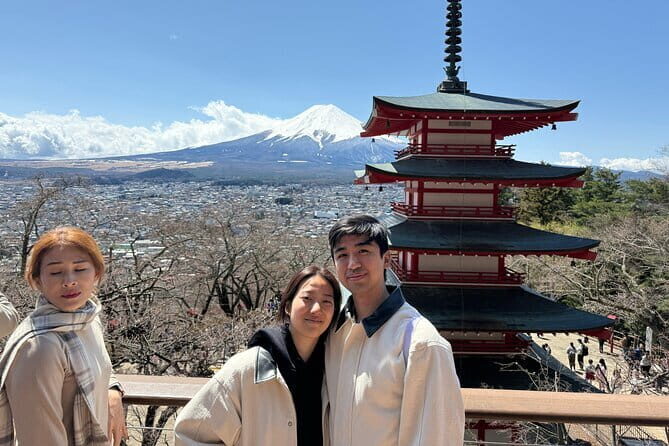
The tour begins at Kaminarimon Gate, also known as the Thunder Gate. This is the iconic entrance to Sensoji Temple, and it’s famous for the big red lantern hanging in the center. You’ll also see statues of Fujin and Raijin, the gods of wind and thunder, on either side.
Why this stop works at night: the gate looks like a postcard in daylight, but at night it feels more dramatic. The lantern lighting adds contrast, and the surrounding temple approach feels calmer. Even if you’ve seen photos already, seeing it in person at this hour gives you a better sense of scale and layout.
This first stop is about a quick orientation. You’re not expected to stand there forever. You look, take photos, and then you’re off down the approach where the street energy starts to build.
Nakamise Shopping Street: What to Expect Along the Approach
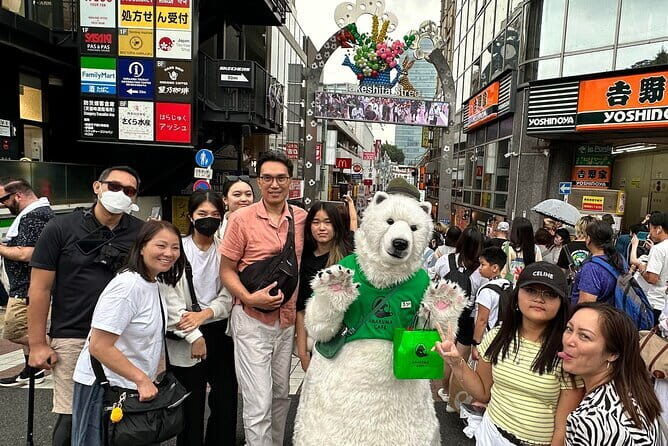
From Kaminarimon you’ll walk the Nakamise Shopping Street, which runs toward the temple. This is where the classic Asakusa vibe turns into something you can taste and bring home. Shops line the walkway selling traditional snacks, souvenirs, and crafts.
The tour timing keeps this from becoming a chaotic shopping spree. You get enough time to wander the stalls and get ideas. You also get guidance on what to focus on first, which is useful here because Nakamise can be a lot if you’re trying to decide everything at once.
A practical tip: go into Nakamise with a plan for your appetite. If you’re the type who wants one snack now and one later, you’ll have a much better time than if you try to sample everything. This tour is short, so your best strategy is picking favorites rather than regretting them at each next stall.
You can also read our reviews of more evening experiences in Tokyo



Sensoji Temple at Night: Enjoy the Gates Even If You Can’t Enter

Next up is Senso-ji Temple, dedicated to the goddess of mercy, Kannon. One of the reasons Sensoji is such a big deal is that it’s not just a landmark—it’s a living temple space that people visit for reflection, prayer, and ritual.
Here’s the key consideration: the main hall closes at 6pm. The tour duration is about 1 hour 30 minutes, and this stop is scheduled around 30 minutes, so depending on when you join, you may not be able to enter the main hall. That’s not a deal-breaker, but it changes what you should aim to see.
What you can still enjoy:
- The temple approach and main gates
- The atmosphere and symbolism of the grounds
- The overall layout and how the complex unfolds as you walk
If you’re someone who cares most about entering buildings, try to time your expectations accordingly. But if you’re happy soaking in the look of the space, the gates and the temple grounds still deliver.
Hanayashiki Street: Old Tokyo Energy Near a Historic Amusement Park
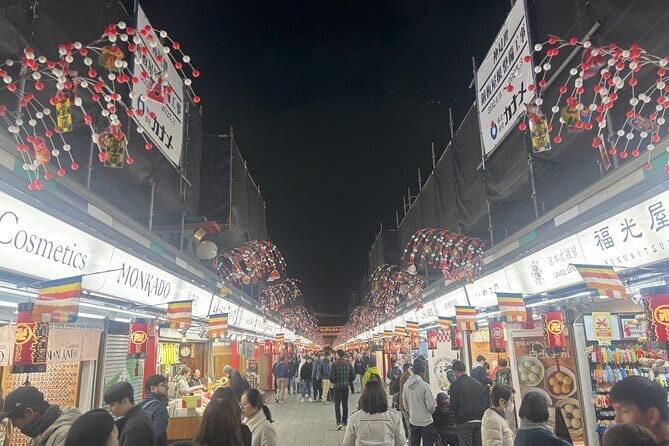
After Sensoji, you’ll head to Hanayashikidori, named after Hanayashiki, Japan’s oldest amusement park nearby. This section feels more like neighborhood Tokyo than temple tourism.
You’ll find shops, restaurants, and cafes in the area, and the vibe leans nostalgic—like an older Tokyo that still has quirks and side-street character. It’s also a nice palate cleanser after the temple intensity. You get a chance to slow down and look at everyday storefronts rather than only landmark views.
The practical value here is simple: it’s a place to pick up ideas for where to eat or what snack to grab next. Even if you don’t buy anything, you’ll leave with a clearer sense of what the area offers beyond the temple photo spots.
Hoppy Street: Where the Tour’s Food and Drink Ideas Pay Off
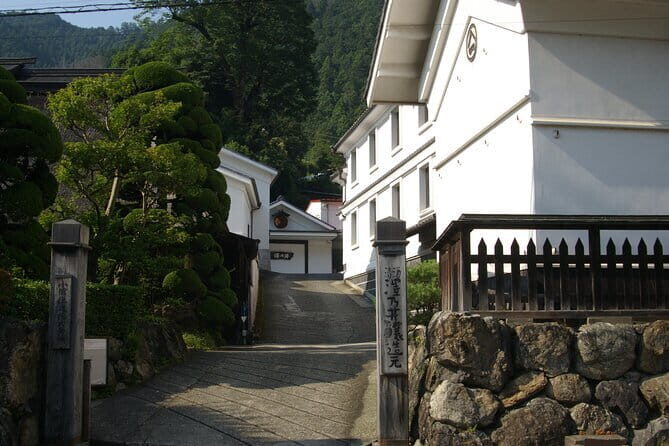
The tour finishes at Hoppy Street, an area known for izakayas—Japanese pubs—serving a local drink called Hoppy. This is a great place to transition from sightseeing mode into dinner mode.
You’ll see the kind of casual, social atmosphere that makes Asakusa feel like a real evening out. Food options often include items like yakitori (grilled chicken skewers) and oden (hot pot). The tour’s stop here is about atmosphere and guidance, not a forced meal.
Why I like this ending: you don’t have to think too hard about what comes next. When a tour ends in a place with options, it reduces decision fatigue. You can follow your nose, use what the guide suggested, and choose a spot that fits your mood—quick bite, sit-down dinner, or one drink to keep the night going.
Small Group Size and the Role of a Welcoming Guide
This tour runs with a maximum of 8 travelers. That’s a big deal in Tokyo, where big groups can feel like moving traffic. In a small group, you can usually keep a comfortable walking pace, and you’re more likely to hear the guide’s points clearly.
In particular, this experience is the kind where the guide’s personality matters. One guest’s experience highlighted Yugo as welcoming and knowledgeable, and that tracks with what you want from a short night walk: someone who can make the area understandable in real time.
A good guide here does three things:
- Points out what’s worth noticing in each location (not just where to stand)
- Shares practical context that helps you see the neighborhood’s rhythm
- Suggests food and snack options so you can continue exploring after the tour ends
That’s the difference between a walk that feels like sightseeing, and one that feels like you got oriented to the place.
How the Pace Works for 1 Hour 30 Minutes
A 1 hour 30 minute tour forces a smart pace. Each stop is short enough that you don’t lose the thread, but long enough for actual looking. You’ll spend about:
- 10 minutes at Kaminarimon
- 10 minutes on Nakamise
- 30 minutes at Senso-ji
- 20 minutes on Hanayashiki Street
- 20 minutes at Hoppy Street
The win for you is that you cover the main Asakusa highlights in one evening without turning your whole trip into temple time. The trade-off is that it’s not built for deep wandering. If you want long shopping breaks or extended inside visits, you’ll need to add extra free time on your own.
The tour also notes moderate physical fitness. This is a walking tour, so wear comfortable shoes. Think steady walking, not hiking. You’ll feel better if you keep your schedule flexible and don’t plan a big second activity immediately afterward.
What to Wear and What to Bring (So Night Walking Is Easy)
Since you’re moving around at night, your comfort matters more than usual. I recommend:
- Comfortable walking shoes you can wear for real pavement and stairs near temples
- A light layer if the evening is cool
- Your camera ready for lantern-lit shots near Kaminarimon
Also, because you’ll be around shopping streets, it’s smart to bring a small bag that’s easy to manage. You may spot items you’ll want as souvenirs. The tour is designed to give you those moments, so having a little space helps.
Who This Tour Suits Best
This is ideal if you:
- Want a quick way to understand Asakusa in one evening
- Like walking tours with a clear, simple route
- Care about temple culture and iconic Tokyo landmarks
- Enjoy snack and drink ideas more than museum-style stops
It’s also a good fit for people who like meeting other travelers. The group is capped, and the tour format is social without being loud or chaotic.
If you’re traveling with kids, this kind of short, structured tour can work well because you’re not asking everyone to sit for long stretches. Just remember that the main hall closing at 6pm can affect what younger visitors can enter, so adjust expectations.
Should You Book the Tokyo Asakusa Sensoji Night Walking Tour?
If you’re deciding whether this is the right tour for your trip, here’s my practical take.
Book it if you want:
- A small-group night introduction to Asakusa
- A guided route that hits Kaminarimon, Nakamise, Sensoji, and the food/drink streets afterward
- A finish at Hoppy Street so you can turn the evening into dinner with minimal planning
Skip it (or pair it with extra time) if:
- You’re specifically focused on entering the temple main hall, and your schedule makes that unlikely because of the 6pm closing
- You want long free time at each stop for shopping and lingering
For most visitors, this is a strong value use of an evening. It’s short, focused, and lands you right where you’ll want to eat and drink next. In a city as huge as Tokyo, that kind of payoff is hard to beat.
FAQ
How long is the Asakusa Sensoji Temple Night Walking Tour?
The tour lasts about 1 hour 30 minutes.
How much does the tour cost?
It costs $35.00 per person.
Is there a group size limit?
Yes. The tour has a maximum of 8 travelers.
Where do I meet the guide?
You meet at the Asakusa Culture Tourist Information Center, 2-chōme-18-9 Kaminarimon, Taito City, Tokyo.
Where does the tour end?
The tour ends at Hoppy Street (Hoppy St, 2-chōme-8 Asakusa, Taito City, Tokyo).
Can I enter the Sensoji main hall?
The main hall closes at 6pm, so you may not be able to enter depending on the timing of your tour.
Is the tour ticket mobile?
Yes, you’ll use a mobile ticket.
What is the cancellation policy?
You can cancel for free up to 24 hours in advance of the experience start time for a full refund.