REVIEW · TOKYO
Tokyo Cherry Blossom Half Day Walking Tour with a Local Guide
Book on Viator →Operated by JewelTours.Japan · Bookable on Viator
Sakura time, but make it efficient. This half-day Tokyo cherry blossom walk strings together the city’s most rewarding sakura stops, with a local guide and smart transit so you spend less time figuring it out and more time looking up at pink clouds.
I love how the route mixes big-name gardens with very “Tokyo” scenes like Sakurada-dori Avenue. I also like that your entry fees and public transport are built in, plus there’s a snack and drink stop so the tour feels like a real outing, not just a hop-on hop-off checklist.
One possible drawback: it’s paced for a 4-hour window. If you want to roam far beyond the planned neighborhoods, you’ll need to do that on your own after the tour ends.
In This Review
- Key highlights to expect
- A 4-hour sakura route that respects your time
- Shinjuku Gyoen National Garden: three gardens, one sakura mission
- Meiji Jingu Gaien and Sakurada-dori: city edges, cherry tunnels
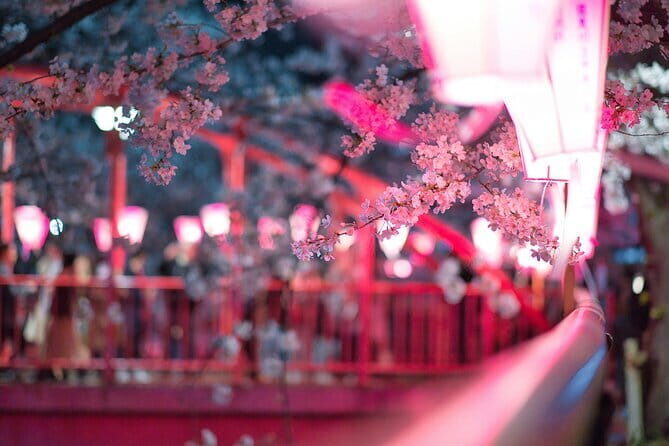
- Chidorigafuchi Moat: the reflections that sell the postcard
- Sumida Park along the river: benches, snacks, and Skytree views
- Tokyo Tower as the optional finale: high views if you have time
- Price and what you actually get for $198.67
- Getting around Tokyo with a local guide (and why it matters)
- Guide quality: Emelio and Brian are proof it can be excellent
- The biggest “gotcha” to understand: it’s not a whole-city cherry marathon
- Who this tour suits best
- Should you book Tokyo’s cherry blossom half-day walking tour?
- FAQ
- How long is the Tokyo cherry blossom walking tour?
- What are the main cherry blossom stops on the route?
- Is admission included?
- Does the tour include food and drinks?
- Do I need to buy transport tickets and figure out transit myself?
- What’s the cancellation rule?
Key highlights to expect
- Four main sakura stops designed for strong photo angles and classic Tokyo garden scenes
- Shinjuku Gyoen gives you three different garden styles in one place
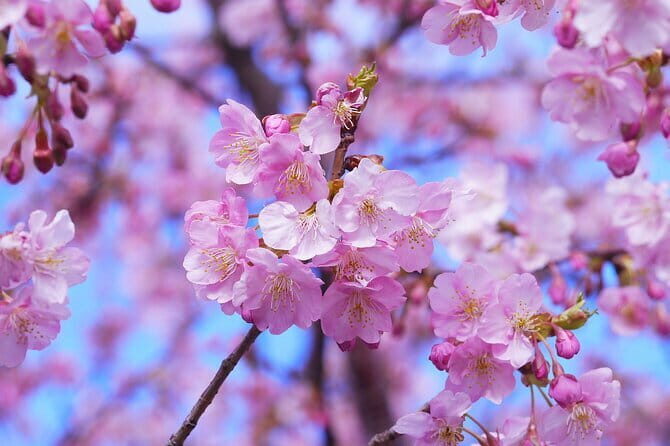
- Meiji Jingu Gaien’s Sakurada-dori is lined with over 1,500 cherry trees
- Chidorigafuchi Moat offers reflections, and rowboat rides are an optional add-on
- Sumida Park + snacks means you can actually rest, eat, and watch the river scenery
- Optional Tokyo Tower can turn this into a sky-high finale if timing works
A 4-hour sakura route that respects your time
Tokyo in cherry blossom season can be crowded, confusing, and oddly exhausting. This tour keeps the promise simple: you get a focused walk through key sakura areas, with a guide who lives in Tokyo and can help you read what you’re looking at.
It’s built for the reality that you only have so many hours. At the same time, you’re not just standing in a line—each stop has its own “reason to be there,” from garden layouts to tree-lined streets to the moat reflections that make Chidorigafuchi famous.
You can also read our reviews of more walking tours in Tokyo
Shinjuku Gyoen National Garden: three gardens, one sakura mission
Your tour starts at Shinjuku Gyoen National Garden, one of Tokyo’s best-known parks for cherry blossoms. You get about one hour inside, and the park’s layout matters because it gives you variety without extra travel time.
Here you can experience traditional Japanese garden vibes, an English-garden feel, and a French formal-garden style. That means your photos won’t all look identical—arches, open views, and manicured paths change the mood as you walk.
Practical tip: wear shoes that handle gravel and long paths. Even with a time limit, Shinjuku Gyoen covers enough ground that comfortable walking matters.
Meiji Jingu Gaien and Sakurada-dori: city edges, cherry tunnels
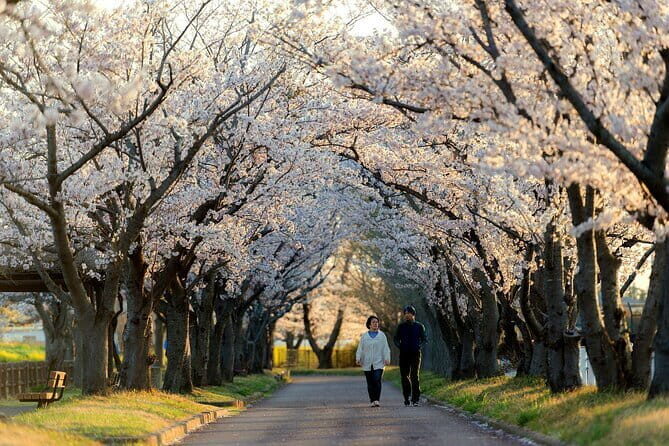
Next you head to Meiji Jingu Shrine area, specifically the outer garden known as Meiji Jingu Gaien. The big draw is Sakurada-dori Avenue, lined with 1,500+ cherry trees, so you get that iconic tunnel effect—trees framing the walk while the city stays in the background.
You’ll have about 45 minutes here. That’s enough time to stroll the avenue, stop for panoramic shots, and still not feel rushed when you want to look closely at blossom form and spacing.
If you’re a photography person, this is one of the easiest stops on the route: you’re walking forward, the trees repeat rhythmically, and your angles stay flattering as you move.
Chidorigafuchi Moat: the reflections that sell the postcard
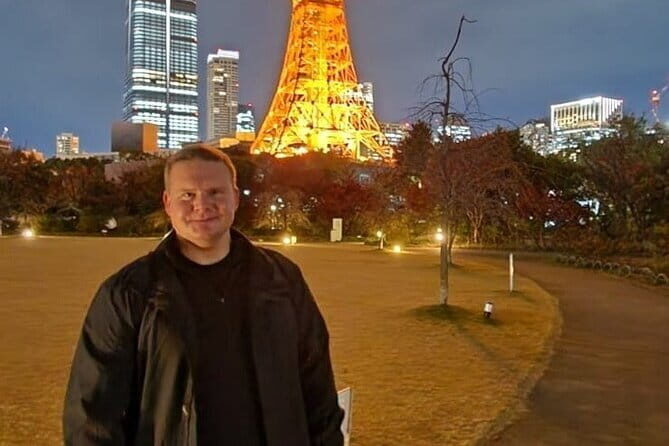
After that, the tour moves to Chidorigafuchi Promenade by the moat. This is the stop that makes people go out of their way—sakura trees line the water, and the reflections turn a simple walk into a slow, dreamy moment.
You’ll get about 45 minutes along the path beside the moat. There’s also an optional rowboat experience mentioned for an added fee, letting you paddle while surrounded by blossoms.
A quick reality check: water-level views can feel extra “close to the trees,” but the rowboat time can take more effort than people expect. If you’re short on energy, you can still get the full moat effect just walking.
Sumida Park along the river: benches, snacks, and Skytree views

The tour continues to Sumida Park, known for cherry blossoms along the Sumida River with 1,000+ sakura trees. The timing here is smart because it’s where the route gives you a chance to slow down.
You’ll have about 45 minutes in this area, including a snack and drink stop. You can pick up classic choices like sakura mochi (sweet rice cake with red bean paste) or taiyaki (fish-shaped pastry with custard or red bean).
And yes, the timing can feel extra photogenic because the Tokyo Skytree is part of the scenery. Even if you don’t go for skyline shots, sitting on a bench and letting the blossoms and river do their thing is a big part of the value of this tour.
You can also read our reviews of more guided tours in Tokyo



Tokyo Tower as the optional finale: high views if you have time
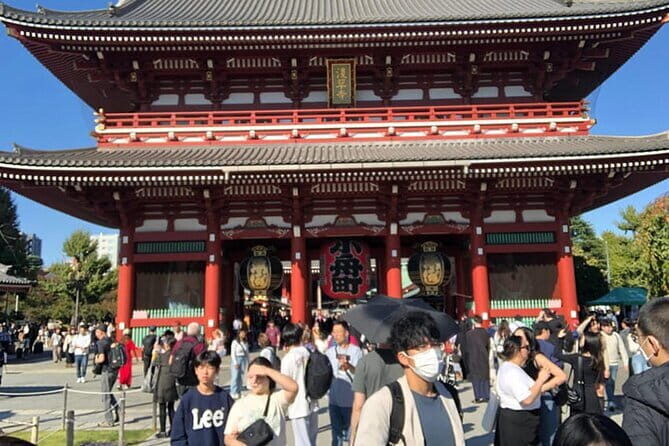
As an optional add-on, the tour can finish with Tokyo Tower. This stop is listed as 30 minutes (with admission included), and the idea is to get panoramic city views with cherry blossoms in the background.
This can be a great “last look” if you want a final shift from street-level blossoms to the feeling of Tokyo spread out under them. If timing doesn’t line up on the day, don’t treat it as mandatory—this tour is built around the four main sakura locations.
Price and what you actually get for $198.67
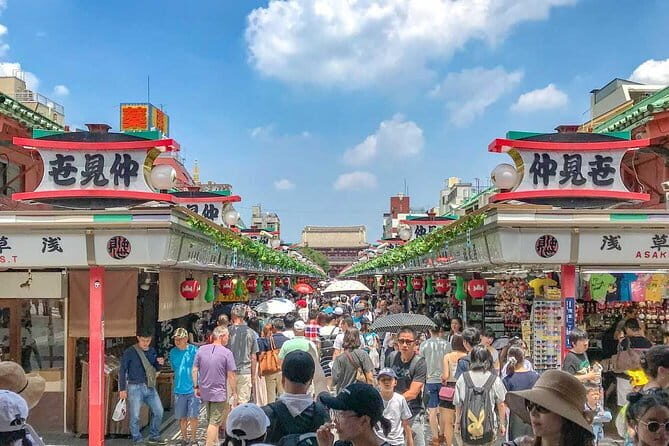
At $198.67 per person, this isn’t a bargain-basement walking tour. The question is whether it feels like value for your time and peace of mind.
Here’s what you’re paying for, in practical terms:
- A local guide leading a 4-hour route
- Public transport support (so you’re not wrestling with transfers alone)
- All entry fees for the scheduled stops
- Food and drink, plus a souvenir
When the included parts are handled—especially transport and tickets—the day feels smoother, and that matters in cherry blossom season. If you were doing this on your own, you’d still spend time buying tickets, figuring out routes, and coordinating timing between distant stops.
So, I’d frame it this way: you’re paying extra for a guided, ticketed sakura circuit that keeps the day tight and your energy intact.
Getting around Tokyo with a local guide (and why it matters)
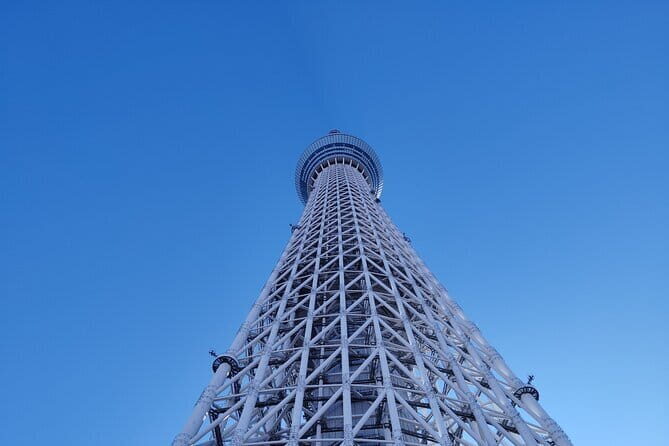
Tokyo can be very walkable, but cherry blossom season adds crowd pressure and makes transit feel slower. What I like about this style of tour is that it treats navigation as part of the experience, not something you have to solve mid-blossom.
The tour is also described as near public transportation, and there’s pickup offered. That can cut down the stress of meeting up with a group right when you’d rather be outside chasing trees.
Also, this is set up as a private tour/activity where only your group participates. Even if your group is small, you usually get the benefit of a guide adjusting pacing to your needs—more question time, fewer bottlenecks, and less waiting around.
Guide quality: Emelio and Brian are proof it can be excellent
The strongest praise in the guide department came for Emelio and Brian. One guest said Emelio was brilliant and incredibly knowledgeable, and that even late in the season he helped find beautiful trees plus gave a great tour through the Meiji shrine gardens.
Another praised Brian for being extremely friendly and accommodating, with strong English/Japanese ability that helped when moving through Tokyo’s transit system and streets. That kind of bilingual skill isn’t a small perk—it can save time when you’re trying to understand where you are and where you’re going next.
At the same time, one review raised a major issue: on a 9 am walking tour, the guide didn’t show, and communication didn’t happen quickly enough. The situation was eventually resolved with a replacement guide, but it’s a reminder to keep your expectations grounded: local walking tours run on real people and real schedules.
My advice: confirm the meeting details before you leave, and keep an easy way to contact the tour operator if anything feels off. In a city of trains, small miscommunications can ripple.
The biggest “gotcha” to understand: it’s not a whole-city cherry marathon
One complaint was about the itinerary not matching expectations of covering far-flung places across Tokyo by public transport within four hours. The key point to understand is this tour is built around a specific route and specific scheduled stops, with customization described as possible but not as a guarantee of hitting every wish list item.
So if you’re thinking: I want 14 sites across the city in one half day—that won’t match how this tour is designed. But if you want a tight selection of the best sakura viewing areas without spending your day commuting, this format makes sense.
Who this tour suits best
This works well for:
- First-timers who want Tokyo’s sakura highlights without mapping your own route
- Anyone who likes gardens and photos but doesn’t want a full-day plan
- Couples or small groups who want a guided flow with time to stop and look
- People traveling with limited ability to keep switching between train lines and walking legs
It’s less ideal if:
- You want to maximize independent exploration far off the route
- You’re planning a long checklist of distant neighborhoods and don’t want to compromise
- You’re extremely sensitive to any schedule hiccups and need total certainty down to the minute
Should you book Tokyo’s cherry blossom half-day walking tour?
Book it if you want a high-efficiency sakura day with guided context, tickets handled, and time to actually enjoy the blossoms—not just pass them. The combination of Shinjuku Gyoen, Meiji Jingu Gaien’s Sakurada-dori, Chidorigafuchi’s moat views, and Sumida Park with snacks is a strong set of contrasts, and the included transport and entry fees make it easier to justify the cost.
Skip or reconsider if you’re expecting a free-for-all where the guide covers every cherry blossom location you name, or if your ideal day involves lots of improvisation far from these stops. Also, because one schedule complaint showed up, I’d go in with a calm mindset and a quick-contact plan.
If you’re ready for a guided, ticketed cherry blossom circuit that respects your time, this one is worth a spot on your Tokyo spring itinerary.
FAQ
How long is the Tokyo cherry blossom walking tour?
It’s listed as approximately 4 hours.
What are the main cherry blossom stops on the route?
The scheduled stops are Shinjuku Gyoen National Garden, Meiji Jingu Shrine outer garden (Meiji Jingu Gaien), Chidorigafuchi Promenade, and Sumida Park. Tokyo Tower is optional as a scenic finish.
Is admission included?
Yes. Entry fees for the listed stops are included in the tour.
Does the tour include food and drinks?
Yes. There’s a snack and drink stop in Sumida Park with typical options like sakura mochi and taiyaki.
Do I need to buy transport tickets and figure out transit myself?
Public transport is included, and the tour includes support for getting between stops. Private transportation is not included.
What’s the cancellation rule?
You can cancel for a full refund up to 24 hours before the experience start time. If you cancel less than 24 hours before, the amount you paid is not refunded.