REVIEW · TOKYO
tokyo city walk tour visit Tokyo in one day
Book on GetYourGuide →Operated by Rui liu · Bookable on GetYourGuide
Tokyo in a day, without the chaos. This private city walk tour is built for fast getting-around, with you picking the stops that fit your energy while your guide shares the human stories behind them.
I particularly like the way the route stays flexible. You’re not trapped on a fixed checklist; you choose how many places you want to hit based on your body, and the guide keeps the day flowing at walking pace, with local snack stops and street-level views.
One thing to consider: it’s a full walking day. Food costs and any paid entry tickets aren’t included, so your budget depends on what you choose to go into.
In This Review
- Key highlights at a glance
- How a one-day Tokyo walk tour actually works
- Where you start: Ginza vs Shinjuku pickup
- The included earphones: small detail, big payoff
- Tokyo Tower: drama-landmark photos and smart tips
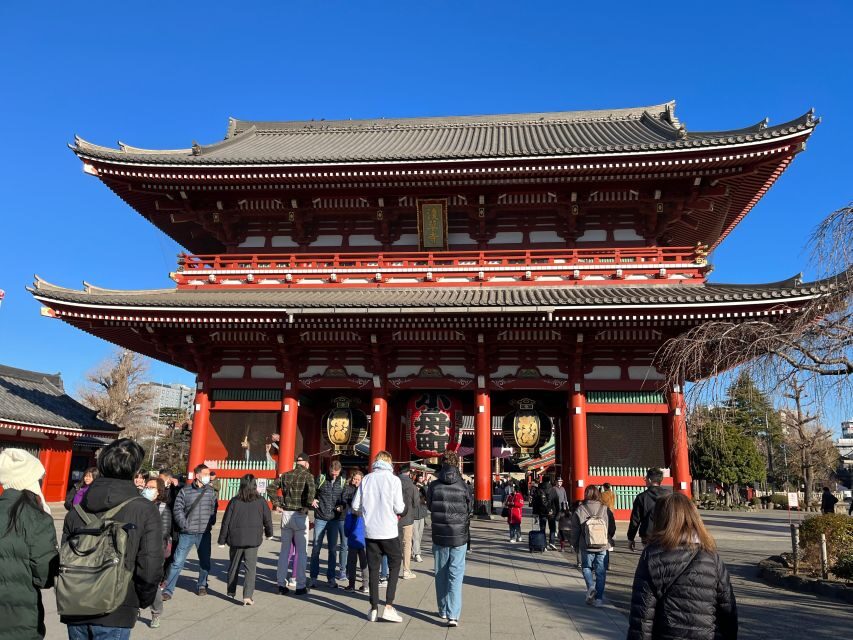
- Sensoji Temple: the best kind of crowd, with a story attached
- Meiji Shrine: Shinto understanding, plus imperial-era context
- Shibuya: city fashion energy and a sunset viewpoint plan
- Akihabara: anime culture you can actually walk through
- Museums option: pick your pace, not just your interests
- Shinjuku night energy: shopping plus Kabukicho’s edge
- Ginza: brand shopping, plus a practical deal-hunter mindset
- Imperial Palace and Tsukiji Market: two different flavors of history and food
- Eating like local: how the food part is handled
- Public transit support: learning without turning it into a class
- Pacing for real bodies: how flexible scheduling keeps it fun
- Price and value: $258 per group up to 5
- Who this tour suits best
- Should you book this Tokyo City Walk Tour?
- FAQ
- How long is the Tokyo city walk tour?
- How much does the tour cost?
- What stops will we visit?
- What is included in the price?
- What is not included?
- Where does pickup happen?
- What languages are available?
- Is this tour wheelchair accessible and private?
Key highlights at a glance
- Choose-your-own stops based on your pace, not a rigid script
- Earphones included so you don’t lose the story when crowds get loud
- Landmarks plus local energy: Tokyo Tower to Sensoji to Shibuya and beyond
- Photo-friendly guidance plus help spotting the best viewpoints
- Food timing that saves energy, not just calories
- Private group size up to 5 for a more personal day
How a one-day Tokyo walk tour actually works
Tokyo can feel like a puzzle with too many pieces. What makes this tour useful is that it’s designed to shrink the city into something manageable in one day. You start with a clear plan, then adjust it: the guide offers selections like Tokyo Tower, Sensoji, Meiji Shrine, Shibuya, Akihabara, and even options such as museums, shopping areas in Shinjuku, and major food-and-market stops like Tsukiji Market (depending on what you pick).
The guide’s role isn’t just pointing directions. You’re walking with someone who explains what you’re seeing—why it matters, what to notice, and how to move through it without wasting time.
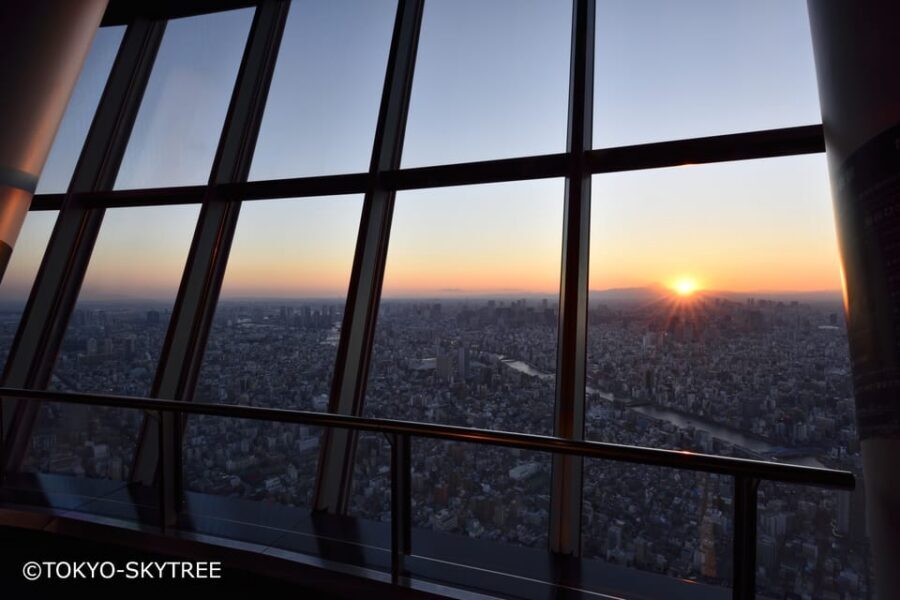
Logistics-wise, the day includes a short metro segment (listed as about 10 minutes) before you settle into the main sightseeing blocks. There’s also a structured “viewpoint” period (about 1 hour), followed by longer sightseeing (about 6 hours) that’s where the day gets customized.
You can also read our reviews of more walking tours in Tokyo
Where you start: Ginza vs Shinjuku pickup
This tour gives you two pickup options: Ginza or Shinjuku City. If you’re staying around Ginza, pickup is included for a hotel close to that area.
Why this matters: it changes how much transit friction you deal with before you even begin. Ginza is a clean, easy launch pad for central sights. Shinjuku is a powerful hub for connecting quickly, but it’s also more intense—great if you want city buzz early, less great if you want a slower start.
If you’re planning a tight schedule (like arriving from the airport and still wanting a full day), starting from your hotel zone can save your legs.
The included earphones: small detail, big payoff
The tour includes personal earphones, which sounds minor until you’re in Tokyo crowd noise. With earphones, you can actually hear the guide while walking, crossing streets, and standing near attractions.
This matters in two ways:
- The storytelling becomes part of the experience, not background noise.
- You can keep moving without stopping every few minutes just to hear what’s being said.
It’s also helpful when someone in your group is slightly behind or far—so everyone stays connected to the same points.
Tokyo Tower: drama-landmark photos and smart tips
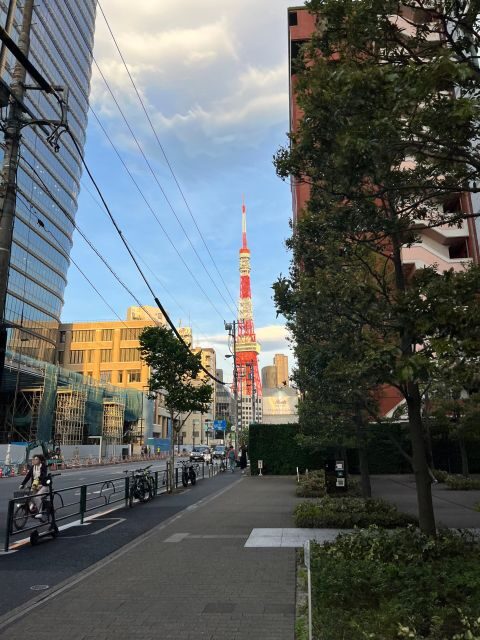
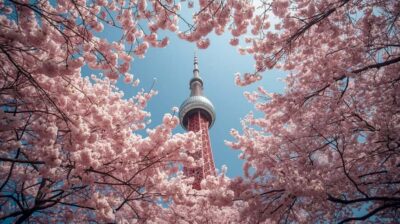
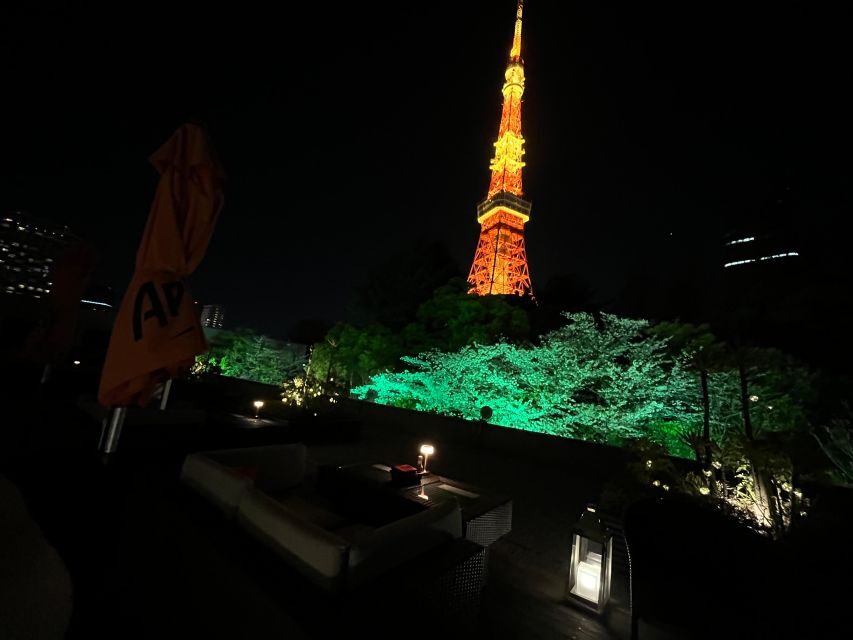
Tokyo Tower shows up in Japanese TV dramas for a reason. It’s an instantly recognizable skyline icon, and it’s a place where you can get classic photos fast.
What you’re really getting here is more than the view. The guide shares “secrets” and context that make the tower feel less like a prop and more like a slice of Tokyo’s media-and-modern-life story. If you’re into pop culture, this is one of those stops where you’ll enjoy it even more once you understand why it’s so used in storytelling.
A practical note: treat it as a photo-first stop. Build your timing so you’re there with enough daylight for the view and enough daylight for great pictures.
Sensoji Temple: the best kind of crowd, with a story attached
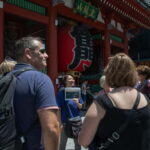
Sensoji is one of Japan’s most famous temples, with enormous visitor numbers every year. That crowd can be intimidating on your own, but on a guided walk it becomes manageable—and more interesting.
Here’s what stands out about this stop:
- You get long-history storytelling tied to what you’re seeing.
- The architecture is a visual feast: details that you’d likely miss without pointing out what to look for.
- There are special practices and traditions trusted by countless people.
One of the biggest values of a guided stop at Sensoji is pacing. In a place this popular, the hardest part isn’t seeing it—it’s not getting mentally stuck in line-logic. Your guide helps keep it moving while you still get the meaningful moments.
You can also read our reviews of more city tours in Tokyo



Meiji Shrine: Shinto understanding, plus imperial-era context
Meiji Shrine is a top choice if you want to understand Shinto beyond generic postcards. The tour frames it as a key place to learn what Shinto means in daily life and cultural mindset.
It also includes special meaning connected to Japan’s imperial family—so you’re not just walking through a scenic shrine. You’re seeing how belief, place, and national history intersect.
Tip for your day: if you want a calmer-feeling break from urban noise, Meiji Shrine is a good one. It can reset your brain before you jump back into neighborhoods like Shibuya or Akihabara.
Shibuya: city fashion energy and a sunset viewpoint plan
Shibuya is the fashion-and-people-watching capital of Tokyo. But this tour’s approach makes Shibuya more than shopping streets.
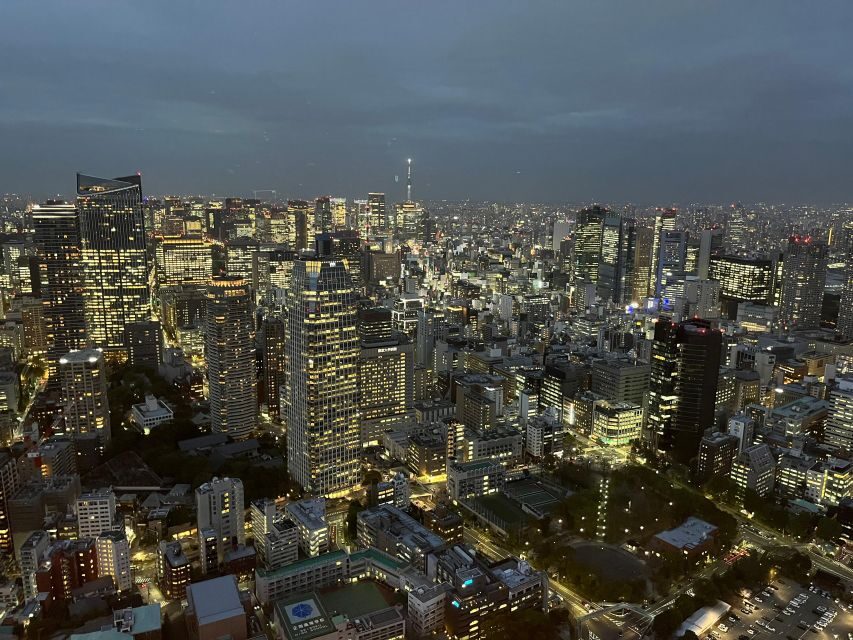
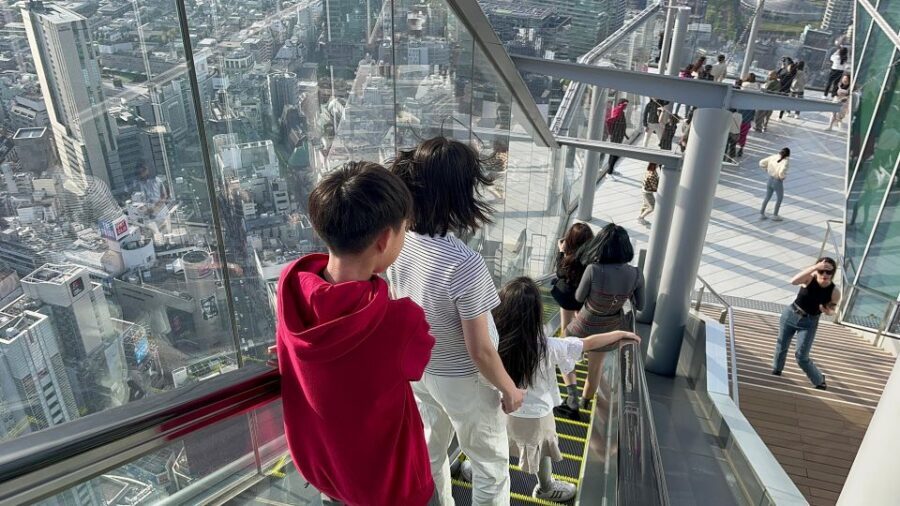
You’re guided toward a city view spot, and the plan includes the fact that sunset here is often the best time. If you love skyline views, Shibuya is where the city goes from daytime noise to evening drama.
If you’re choosing stops, consider grouping your Shibuya time later in the day so you actually get that light. It’s one of those “don’t rush it” moments that can make your Tokyo day feel special.
Akihabara: anime culture you can actually walk through
If you’re into anime, Akihabara is a must. And even if you’re not an anime superfan, it still works as a street-level introduction to Japan’s pop culture world.
This stop is ideal for:
- quick browsing and photo moments
- finding a favorite character product or arcade vibe
- understanding why the area has such a strong identity
For families, it can also be a relief stop because it’s easy to give kids something to engage with. In past days with Rui, people requested specific store visits like a Pokémon store, and the guide worked that into the flow.
Museums option: pick your pace, not just your interests
Tokyo has museums for kids, adults, science fans, and people who love camera-friendly experiences. This tour treats museums as a choice, not a forced requirement.
What’s useful is that the guide asks what kind of museum you want (kids vs adults, photo-focused vs learning-focused). That means you’re not stuck with a mismatch.
If you’re traveling with mixed interests, museums can be the compromise that works. But if you’re short on energy, skip long museum hours and spend the time on streets and views.
Shinjuku night energy: shopping plus Kabukicho’s edge
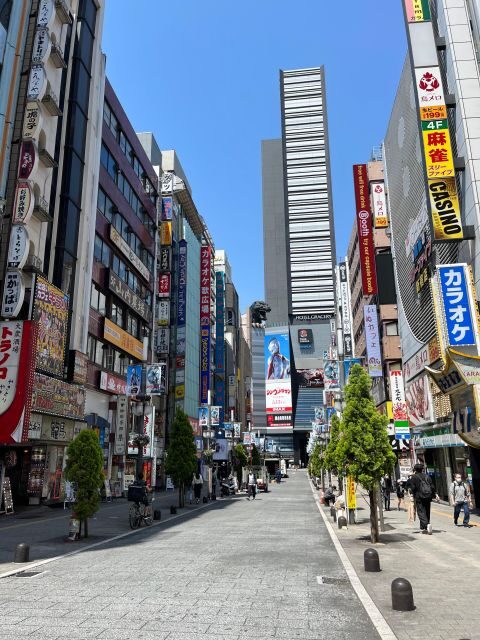
Shinjuku is where Tokyo shows its night personality. The tour highlights shopping areas and then points you toward the Kabukicho area, described as part of the city’s red-light district landscape.
You’ll see a different side of Tokyo here. Even if you’re not hunting nightlife, it’s a useful contrast to temple calm and shrine quiet.
If you’re unsure about comfort level, you can adjust how long you stay. The tour is built to scale the day based on how you feel.
Ginza: brand shopping, plus a practical deal-hunter mindset
Ginza is famous for high-end shopping. In this tour, it’s also treated as a place where the guide can help you follow along with shopping discount opportunities.
This is a good stop if:
- you like window-shopping even when you’re not buying
- you want a sense of Tokyo’s luxury side
- you want to compare prices and strategies rather than guess
Even if shopping isn’t your main goal, Ginza is a clean, easy district to walk during daylight and use as a base point for navigation.
Imperial Palace and Tsukiji Market: two different flavors of history and food
The tour includes other major options like Imperial Palace and Tsukiji Market (depending on what you choose).
Imperial Palace works well for people who want a calmer, more ceremonial mood and a sense of national scale. Tsukiji Market fits people who want food culture and atmosphere. In a single-day schedule, you’ll likely do a “see-and-taste” approach rather than a long sit-down.
The guide’s strength here is deciding what fits your goals without overstuffing the calendar.
Eating like local: how the food part is handled
Eating is not included in the price, and that’s normal for Tokyo. What you do get is better decision-making around food.
In guided days, Rui has taken people to off-the-tourist-path sushi spots and recommended specific treats—like a favorite mocha ice cream and other fun stops (including a photo-booth type of break and a cat temple). She also helps time breaks so you don’t waste energy wandering hungry.
A simple way to plan: set a loose food budget ahead of time, then let the guide steer you toward choices that match your day’s pace.
Public transit support: learning without turning it into a class
Tokyo trains can turn smart people into confused squirrels. This tour helps you deal with the system as you go, including guidance on the subway.
You’ll also benefit from the guide staying with you until you’re at your next transit step. In at least one account, Rui even helped guests make it to the train for an airport transfer afterward.
That kind of “end-to-end” care matters when you’re doing one-day sightseeing and still need to stay functional afterward.
Pacing for real bodies: how flexible scheduling keeps it fun
The itinerary isn’t one-size-fits-all. It’s designed around your ability to decide how many places you want to go.
So you can think of the day like this:
- choose your must-sees (like Sensoji and Tokyo Tower)
- add one or two neighborhoods that match your interests (like Shibuya sunset or Akihabara anime culture)
- leave room for a viewpoint stop and one flexible “secret” sightseeing block
That secret stop idea is useful because it lets the guide adjust to crowd levels, weather, and how everyone’s energy holds up.
Price and value: $258 per group up to 5
The price is $258 per group (up to 5 people) for the full day. That isn’t cheap if you compare it to a self-guided walking plan—but it can be great value when you factor in:
- a private guide for the whole day (not a timed hop-on hop-off situation)
- guide fee included
- personal earphones included
- customized stop selection based on your pace
- help with navigation and planning so you spend less time figuring things out
If you’re traveling solo, the cost may feel higher. If you’re a small group, it can start to look like a smart trade: pay for a guide so you get a better day, not just more stamps.
Who this tour suits best
This is a strong match if you want:
- a private, one-day Tokyo plan without rigid routing
- a guide who adjusts stops based on your energy
- history + modern city life in the same day
- help getting around the subway and managing crowds
It also sounds like a good fit for families, especially with kids who get tired fast. One account described a day where kids needed play time while an extra set of eyes helped keep things smooth.
Should you book this Tokyo City Walk Tour?
Book it if you want a Tokyo day that feels human: fewer dead-end detours, better photo positioning, and story at the spots that matter to you. The combo of flexible selections and a guide who stays on task (including transit support) is the main reason to choose it.
Skip it or reduce expectations if you dislike walking for long stretches or you want a totally free-form day with zero guidance. Also budget for food and any paid entry tickets you decide to add—those are on you, not included.
If you’re trying to see Tokyo fast but still want it to feel real, this tour is a solid choice. Just pick your must-sees, tell the guide your pace, and let the day build around that.
FAQ
How long is the Tokyo city walk tour?
It’s a 1-day tour. You can check availability for starting times.
How much does the tour cost?
The price is $258 per group, up to 5 people.
What stops will we visit?
You can choose from several options based on your interests and your body’s ability to keep going, including places like Tokyo Tower, Sensoji Temple, Meiji Shrine, Shibuya, Akihabara, shopping areas like Shinjuku, and options such as museums, Imperial Palace, and Tsukiji Market.
What is included in the price?
Included: the guide fee and personal earphones so you can hear clearly during the walk.
What is not included?
Not included: eating fees, entry tickets if a place charges (many places may be free), and transaction fees during the trip such as bus-related costs.
Where does pickup happen?
Pickup options are Ginza or Shinjuku City. Pickup is included for a hotel around Ginza.
What languages are available?
The live guide offers Japanese, Chinese, and English.
Is this tour wheelchair accessible and private?
Yes—wheelchair accessible and private group (up to 5 people).