REVIEW · TOKYO
Tokyo: Half-Day Morning Small Group Tour
Book on GetYourGuide →Operated by Tourist Japan Tours · Bookable on GetYourGuide
Tokyo rewards slow mornings and smart routes. In three hours, this Imperial Palace Gardens and Senso-ji Temple morning walk ties together big-name Tokyo highlights with an English-speaking local guide. I like the way the timing gives you calm and then culture-and-people energy on the same route, and I also like that it stays structured instead of turning into aimless wandering. The one watch-out: it moves at a steady pace, so you won’t have hours to linger.
Meeting at Starbucks Coffee – Kokyo Gaien Wadakura Fountain Park keeps the start simple, and you’ll get guided time at each main stop, including Nijubashi Bridge views. If you’re new to Tokyo or you just want the core sights without overthinking, this format is a practical win.
In This Review
- Key points before you go
- Why this 3-hour morning tour fits Tokyo timing
- Finding the guide at Starbucks (and what makes the start easy)
- Tokyo Imperial Palace Gardens: calm time with a guided lens
- Nijubashi Bridge views: the classic Tokyo angle
- The 30-minute transfer: why it matters on a short tour
- Asakusa and Nakamise-dori: the neighborhood stroll that frames Sensō-ji
- Sensō-ji Temple: iconic Buddhist heritage with guided clarity
- Price and value: is $59 worth a half-day loop?
- Small-group and English guide: what you’ll likely feel on the walk
- A quick reality check: what can go wrong (and how to protect your morning)
- Who this tour is best for
- Should you book this Tokyo half-day tour?
- FAQ
- How long is the Tokyo Half-Day Morning Small Group Tour?
- Where is the meeting point?
- What places does the tour include?
- Is hotel pickup included?
- Are meals included in the price?
- What language is the tour guide?
- Is the tour suitable for wheelchair users?
- What should I bring?
- What time should I arrive at the meeting point?
- Where does the tour end?
Key points before you go
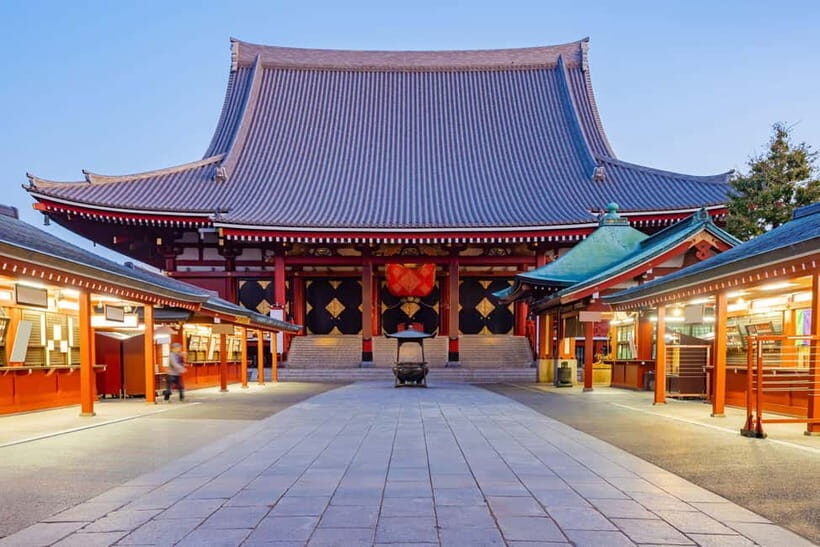
- A tight 3-hour circuit from the Imperial Palace area to Asakusa and ending at Sensō-ji
- Imperial Palace Gardens early for a quieter start to the day
- Nijubashi Bridge photo time with guided context
- Asakusa + Nakamise-dori walking time with a guide, not just free time
- English live guide who keeps the pace understandable
- Small-group vibe where it’s easier to talk than in big bus groups
Why this 3-hour morning tour fits Tokyo timing
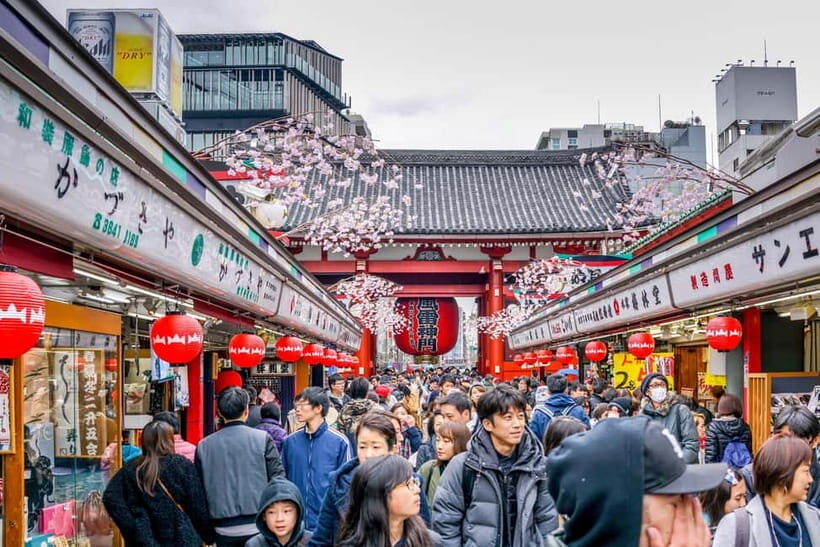
Tokyo is awesome, but it can also be a little overwhelming, especially if you land with a limited number of daylight hours. This tour is built for that reality. In about three hours, you get a morning loop that hits the spots people actually want to see: Imperial Palace Gardens, Nijubashi Bridge, Asakusa, and Sensō-ji.
The big value here is not just the list of attractions. It’s the way the day is paced. You’re not spending half your tour figuring out where to stand, what direction to walk, or how to connect the neighborhoods. A local guide takes care of the sequencing, and you get short, focused guided windows at each stop. That structure is what makes a half-day tour feel efficient instead of rushed.
Also, there’s a nice contrast built in. You start with a calmer, more park-like scene at the palace gardens. Then you pivot to Asakusa and Sensō-ji, where Tokyo’s cultural side is right up close. If you like getting perspective fast, this mix helps you understand how different Tokyo feels in just a few stops.
A few more Tokyo tours and experiences worth a look


Finding the guide at Starbucks (and what makes the start easy)
Your meeting point is Starbucks Coffee – Kokyo Gaien Wadakura Fountain Park, right in the Imperial Palace Gardens area. For first-timers, having a recognizable chain landmark helps you avoid the classic Tokyo problem: hunting down a tiny meeting spot while the clock quietly ruins your day.
Plan to arrive about 15 minutes early. That buffer matters because the tour is only three hours, and you don’t want the group waiting on you. If you’re even a little uncertain about your route, give yourself extra time to get there calmly.
What to wear for this start is also simple: comfortable walking shoes and water. You’ll be on your feet, and you’ll want to stay comfortable through the morning temperatures (especially if you’re traveling in hotter months).
Quick practical tip: take note of what you look for at the meeting point. A guide is easier to spot when you know the exact place. Starbucks makes that easier than some street-corner meeting points.
Tokyo Imperial Palace Gardens: calm time with a guided lens
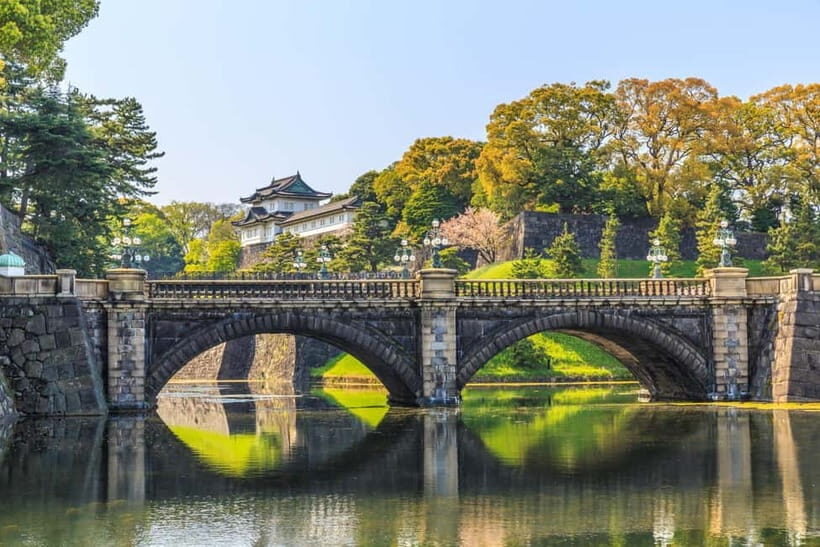
The tour’s first sightseeing stop is the Tokyo Imperial Palace Gardens, with about 30 minutes guided. This is one of those Tokyo places that changes your mood fast. Instead of rushing through streets, you shift into a more peaceful, natural-feeling environment near a historic setting.
The guide’s role here is important. Without guidance, you might walk through and enjoy it, but miss the context that helps everything click. With a guide, you get an organized look in a short amount of time—enough to appreciate the atmosphere and understand why the area is considered a real pause in the city.
Is 30 minutes long? No. But it’s long enough to do two things: (1) experience the calm, and (2) get the orientation you’ll want later if you decide to return on your own for a longer wander.
Possible drawback to keep in mind: if your ideal travel style is slow and lingering, you may feel you’re moving quickly here. If that’s you, treat this as your taste test, not your final meal.
Nijubashi Bridge views: the classic Tokyo angle
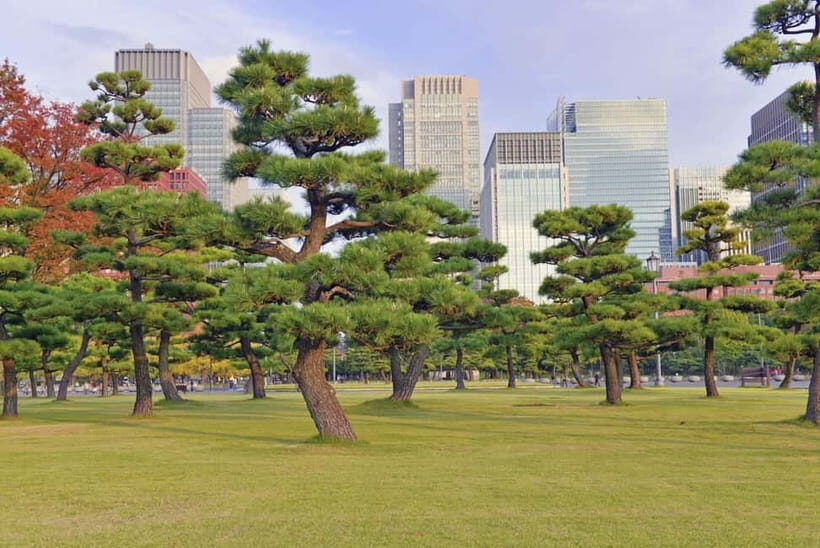
Next up is Nijubashi Bridge, again about 30 minutes with guidance. This is a great stop for anyone who wants those famous Tokyo visuals without needing to research photo viewpoints for hours.
The core experience here is crossing the bridge and getting stunning views, with the guide helping you know where to look and what you’re seeing. Even if you’ve already seen pictures online, seeing it in person lands differently because Tokyo scale is hard to grasp from a screen.
I also like this stop because it’s a “reset point.” After the gardens, the bridge gives you an easy win: you can take in the view, get oriented again, and then move toward Asakusa with a clearer idea of the city’s layout.
One note: bridges mean standing and walking on sidewalks, so comfortable shoes aren’t optional. This isn’t the tour for new shoes that still need breaking in.
The 30-minute transfer: why it matters on a short tour
Between Nijubashi Bridge and Asakusa, you’ll have a transfer block of about 30 minutes. This might sound boring, but on a short half-day tour, it’s one of the most important parts.
It’s what keeps the schedule realistic. Without that built-in transit time, you’d risk arriving late to the next guided segment and losing the flow of the tour. Here, you get a clear rhythm: guided sightseeing, then movement, then the next focused block.
For me, the value of a short tour is exactly this: minimizing decision fatigue. You don’t have to figure out timing, direction, or connections. You just go where you’re told, at a pace that makes sense for three hours.
A few more Tokyo tours and experiences worth a look



Asakusa and Nakamise-dori: the neighborhood stroll that frames Sensō-ji
Asakusa is your next guided stop, with about one hour here. This is the portion of the tour that feels most like a neighborhood experience. You’ll spend time in Asakusa, then walk across Nakamise-dori Street as part of the guided flow.
What I like about the structure is that it sets you up for Sensō-ji. By the time you arrive at the temple area, you’ve already transitioned into the right vibe. Instead of dropping you directly into the temple and hoping you connect the dots, the tour gives you that in-between street context first.
Nakamise-dori Street is especially useful in a half-day format. Walking it helps you get oriented to the feel of the area, and it’s the kind of stroll where you can pause if you want to. You’re not just looking at one building; you’re moving through a place that feels like Tokyo’s cultural center for the morning.
A practical watch-out: Asakusa is a popular area. Even in the morning, expect people around you. The guide helps with the route, but if you’re the type who hates crowds, keep your expectations realistic and plan for some jostling.
Sensō-ji Temple: iconic Buddhist heritage with guided clarity
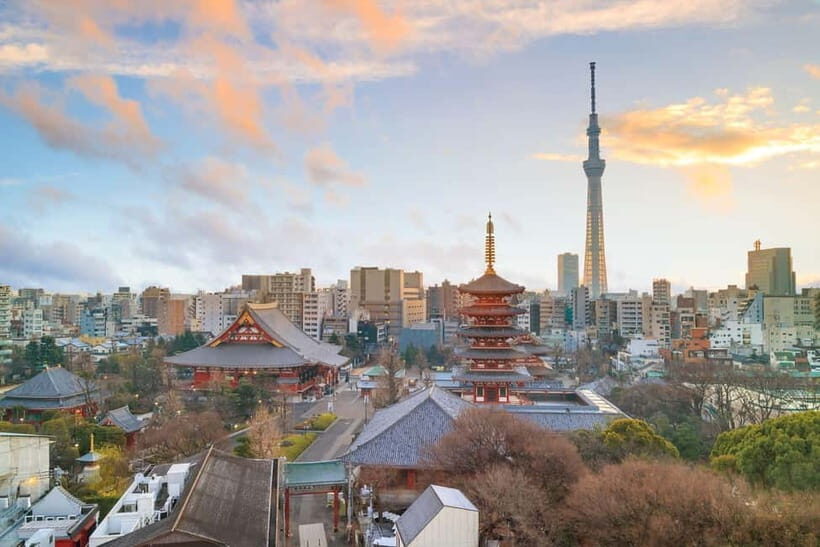
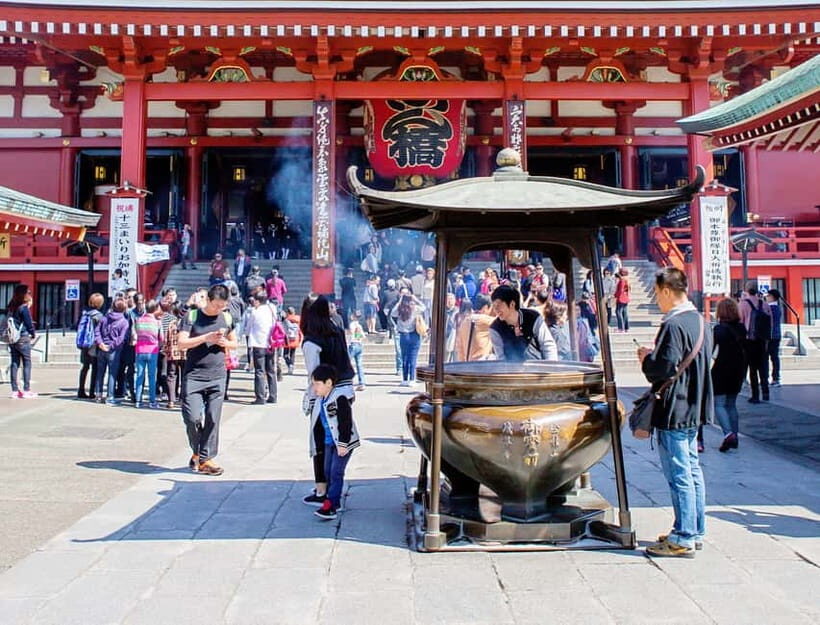
The tour’s final main stop is Sensō-ji Temple, with about one hour guided. This is the big payoff: the iconic and beautiful temple that symbolizes Tokyo’s deep Buddhist heritage.
One hour is enough time to understand what makes the temple special and to see the grounds in a structured way. It’s also long enough to notice details you might otherwise miss if you were visiting completely on your own.
Why the guide matters here: temples can be confusing if you don’t know what you’re looking for. A guide can help you make sense of what you’re seeing and keep you from getting lost in the surrounding flow of the area.
Also, the tour ends at Sensō-ji. That’s a plus if you want to keep exploring after the guided portion. You’re already positioned where the main action is.
Price and value: is $59 worth a half-day loop?
At $59 per person for about three hours, you’re paying for two things: time efficiency and a live English guide. You’re not just buying entry to sights. You’re buying a guided route that connects major stops in a way that saves you planning effort.
Here’s how I think about value for this kind of tour:
- If you’re short on time and want to hit key Tokyo highlights without building an itinerary from scratch, the $59 price can feel fair.
- If you love deep, unstructured exploring and don’t mind spending time figuring things out, you might decide to go solo. In that case, the guide is the main reason to pay.
For me, the strongest “value” argument is simplicity. You show up, you walk a smart route, and you get guided context at each stop. When Tokyo days get packed, that kind of convenience is worth something.
Small-group and English guide: what you’ll likely feel on the walk
This is a small group tour with a live English-speaking guide. That format tends to create a better experience than large groups. You can usually ask questions, and you’re less likely to feel like you’re being shepherded as one unit.
From the tone of past experiences with this kind of setup, the guide quality is a big driver of whether the tour feels smooth or frustrating. A kind, helpful guide can turn quick stops into moments that actually teach you something. When the guide explains what you’re seeing in plain terms, the tour stops feel less like checkmarks and more like understanding.
There’s also a social angle. If you like meeting other people while sightseeing, small groups can be a comfortable way to do that without the awkwardness of traveling completely alone.
A quick reality check: what can go wrong (and how to protect your morning)
A half-day tour is only as good as its start time. Two things can derail your plans in Tokyo: cancellations and a guide who doesn’t show up.
I can’t promise your specific tour will be problem-free. But I can tell you how to reduce risk:
- Double-check your confirmation details before the morning of the tour.
- Arrive a bit early (you already know you should).
- Keep your booking details accessible on your phone so you can contact the provider quickly if anything seems off.
If your day is already packed and this tour is a non-negotiable anchor, it’s smart to have a Plan B nearby. That doesn’t mean expecting trouble; it just means being adult about travel.
Who this tour is best for
This tour makes the most sense if you:
- Want a fast Tokyo introduction focused on classic sights
- Prefer walking with guidance rather than building a plan from scratch
- Like the idea of combining calm palace gardens with Asakusa and Sensō-ji
- Are traveling with limited time and want a structured three-hour morning
It’s less ideal if you:
- Need wheelchair accessibility (this tour is not suitable for wheelchair users)
- Hate a timed format and want to linger for long stretches at each stop
- Want meals included (meals are not part of the tour)
Should you book this Tokyo half-day tour?
I’d book it if you want the highlights with less planning work, especially for a first visit or a tight schedule. The route is short, the guide adds clarity, and the combination of palace calm plus Asakusa and Sensō-ji is a smart way to learn Tokyo fast.
I wouldn’t book it as your only option if your schedule is fragile or if you’re the kind of traveler who needs maximum flexibility. In that case, build a backup plan for the morning, and keep your eyes on timing and meeting point details.
If you can handle a brisk pace and you want an easy guided morning loop, this is a solid use of a few hours in Tokyo.
FAQ
How long is the Tokyo Half-Day Morning Small Group Tour?
It lasts 3 hours.
Where is the meeting point?
Meet your guide in front of Starbucks Coffee – Kokyo Gaien Wadakura Fountain Park.
What places does the tour include?
You’ll visit Tokyo Imperial Palace Gardens, Nijubashi Bridge, Asakusa, and Sensō-ji Temple.
Is hotel pickup included?
No, hotel pickup and drop-off are not included.
Are meals included in the price?
No, meals are not included.
What language is the tour guide?
The tour is guided in English.
Is the tour suitable for wheelchair users?
No, it is not suitable for wheelchair users.
What should I bring?
Wear comfortable walking shoes and bring water.
What time should I arrive at the meeting point?
Arrive 15 minutes before the tour starts.
Where does the tour end?
The tour finishes at Sensō-ji.