REVIEW · TOKYO
Tokyo: Hama-rikyu Gardens tour with Japanese Tea & Sweets
Book on Viator →Operated by gotcha · Bookable on Viator
Tea, gardens, and calm in Tokyo. Hamarikyu Gardens gives you a rare mix: Edo-period history explained in plain language, plus a sit-down tea stop inside the garden. You’ll walk through design features that Japanese gardeners built with real intention, not just pretty scenery.
I especially love the way the guide brings the garden layout to life. With Nori leading the way, the tour feels relaxed, and you come away knowing what you are looking at and why it matters. I also like that matcha green tea and Japanese sweets are included, so the experience ends with something you actually get to taste, not just admire.
The main thing to consider is simple: this is still a walking garden tour. You’ll want comfortable shoes, and if the weather is wet or very hot, you’ll be outside for much of the visit.
In This Review
- Key Highlights You’ll Care About
- Hamarikyu Gardens: Edo-Era Calm in the Middle of Tokyo
- From Otemon Bridge to Shiodome: How the Tour Flows
- The Garden Tour You Actually Understand: Karesansui and Kaiyushiki
- The Tea Room Stop: Matcha and Japanese Sweets Inside the Garden
- Optional Add-Ons: Advertising Museum, Miyazaki’s Clock, and Hibiya Shrine
- Price and Value: What You Get for $85.84
- What It Feels Like in Real Time (Including Nori’s Impact)
- Who This Tour Is Best For (and Who Might Skip It)
- Should You Book the Hama-rikyu Gardens Tea & Sweets Tour?
- FAQ
- What is included in the Hamarikyu Gardens tour?
- How long is the tour?
- Is the tour limited to small groups?
- Where does the tour start and end?
- Which stops are optional?
- Can I cancel for a full refund?
Key Highlights You’ll Care About
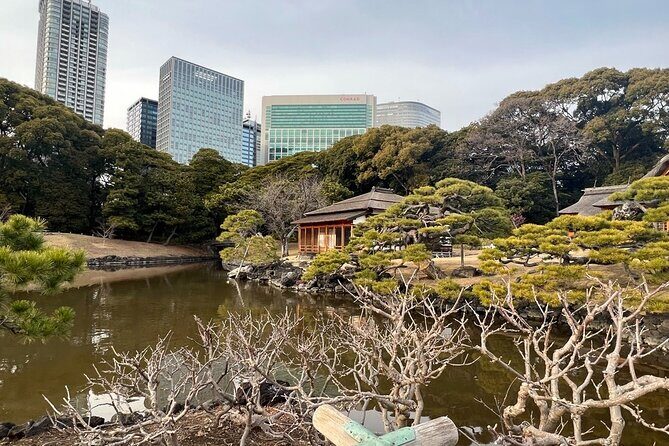
Small group size keeps questions easy and the pace comfortable.
Edo-period garden design explained so Karesansui and Kaiyushiki make sense.
Tea room stop included with matcha and Japanese sweets in the garden.
Great photo moments by season since the plant life changes through the year.
Optional city add-ons let you tailor the time to your interests.
Hamarikyu Gardens: Edo-Era Calm in the Middle of Tokyo
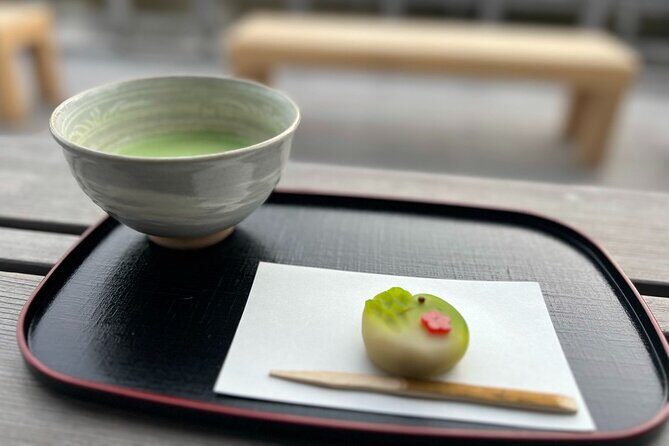
If you’ve ever wandered Tokyo and thought, I need one quiet pocket, this is that pocket. Hamarikyu Gardens was built as a Daimyo garden during the Edo period, when powerful samurai families shaped large estates with their own style of nature and water. The result is a garden that feels composed, like someone planned the view on purpose.
Two features define the experience. First is Karesansui, the dry landscape garden style. Even if you are not a garden person, this is the part that makes you slow down. Dry landscapes use rocks, space, and line to suggest a world without water filling the frame—so the shapes and placement matter more than you might expect.
Second is the Kaiyushiki circular garden approach. Instead of forcing you to see everything in one straight sweep, a circular layout nudges you to circle, pause, and notice how scenery shifts as you move. In practice, that design helps you feel like you’re walking through a sequence of “still scenes,” not just passing by plants.
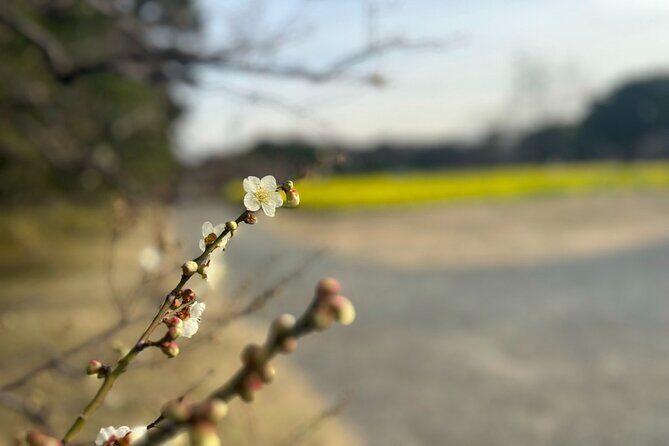
And yes, seasonal change is part of the deal here. The guide’s explanations help you catch why the same garden can look different over the year, depending on what’s growing and how light hits the paths.
A few more Tokyo tours and experiences worth a look



From Otemon Bridge to Shiodome: How the Tour Flows
This tour is timed for an easy half-day feel. Expect about 1 hour 30 minutes to 2 hours 30 minutes, depending on the pace and whether you add the optional stops. It’s a walking tour through the garden grounds, so plan on being on your feet.
Meeting starts at Otemon Bridge (near Ginza, Chuo City) and the tour ends at Shiodome Station (Minato City). From there, you can use the Yurikamome and the Toei Oedo line to keep moving. I like these kinds of end points because you’re not stuck retracing your route.
One practical win: you’ll use a mobile ticket, which is exactly what you want in Tokyo. Less fumbling at check-in means more time enjoying the actual place.
Group size is also part of the value story. The tour is limited to a maximum of 4 travelers, which is rare for big-city tours. That small size means it’s easier to get answers, and the guide can actually respond to your questions instead of running on autopilot for a crowd.
The Garden Tour You Actually Understand: Karesansui and Kaiyushiki
Here’s what I found most useful: the guide doesn’t just point and move on. You get history and design context, and that changes how you look. Instead of seeing rocks and plants as random decoration, you start seeing them as a crafted message.
Karesansui tends to confuse people because it looks simple at first glance. The trick is learning what to notice. When the guide explains the background of the design, you begin to understand how emptiness, rock arrangement, and deliberate viewing angles work together. You’ll be in better shape mentally to notice the “why,” not only the “what.”
Then the tour shifts into the Kaiyushiki circular garden mode. A circular approach rewards you for walking at your own speed instead of rushing forward. You’ll feel the view rotate around you. Even if you only remember a few design lessons, this portion gives you something practical: a built-in way to enjoy the garden slowly without thinking too hard.
This is also where seasonality becomes more than a marketing line. As the guide connects plants and seasonal change to the garden’s overall feel, you’ll start noticing how the same walking route can feel calm, formal, or quietly dramatic depending on what’s in bloom or changing color.
The Tea Room Stop: Matcha and Japanese Sweets Inside the Garden
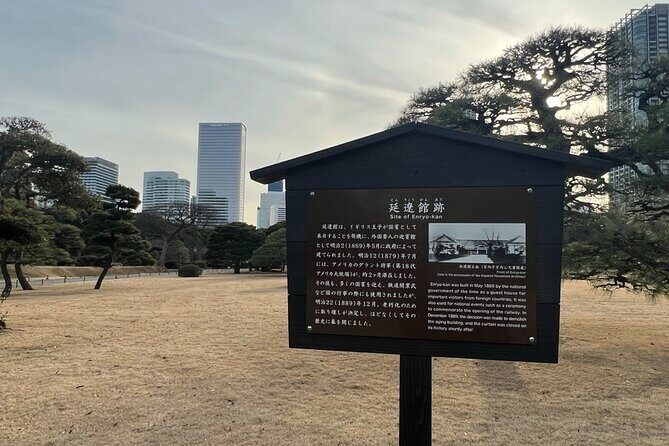
If you love tea, you’ll appreciate that this tour doesn’t treat food as an afterthought. There is a tea ceremony room in the garden, and you’ll experience matcha green tea and Japanese sweets as part of the tour fee.
I like this stop for two reasons. First, it’s paced into the garden experience instead of being tacked on somewhere else after you’re tired. Second, having tea and sweets in the setting you just walked through makes the garden feel like a complete experience, not just a photo stop.
Will it be a full formal lesson? The details in the description focus on the tea room experience and what’s included, so you should treat it as a guided moment to taste and enjoy. Plan to slow down here. After walking, you’ll want the reset.
Also, this is the kind of included tasting that removes decision fatigue. In Tokyo, you can spend way too long trying to find the right café at the right time. Here, the tour handles that part, and you sit with something classic and seasonal in a calm setting.
Optional Add-Ons: Advertising Museum, Miyazaki’s Clock, and Hibiya Shrine
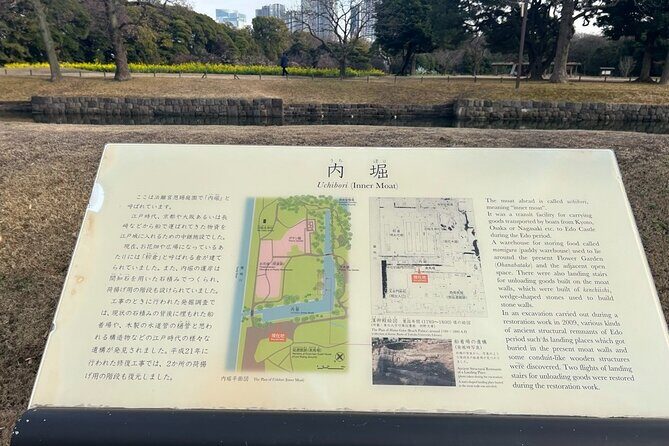
After Hamarikyu, the tour can include optional stops. These are free-entry options listed as add-ons, and they each bring a different flavor from the garden calm.
Advertising Museum Tokyo
If you’re curious how marketing changes over time, this is a good contrast. It focuses on Japanese advertising and how it differs from foreign advertising. The time slot is about 35 minutes. For me, it’s a nice brain shift from garden design, especially if you like seeing culture through everyday images and messages.
Hayao Miyazaki’s Nippon Television Giant Clock
This one is more about whimsy and craft. It’s a steampunk-style copper karakuri clock. When the time is up, the lights come on and the karakuri mechanism starts moving with music. The stop is around 10 minutes, so it’s easy to fit even if your legs are getting a little tired.
Hibiya Shrine
This is a history-minded stop in an office district. The shrine has a history of about 400 years, and it enshrines the god of agriculture plus a deity associated with driving away the impure. It’s about 15 minutes. If you want a quiet pause and a reminder that Tokyo includes spiritual spaces right next to modern streets, this stop makes sense.
How to decide
Pick based on your curiosity, not on fear of missing out. If you want more culture and less noise, you might skip the advertising museum. If you like pop creativity and playful mechanics, that Miyazaki clock is worth it. And if you want a simple calm break, Hibiya Shrine fits well.






Price and Value: What You Get for $85.84
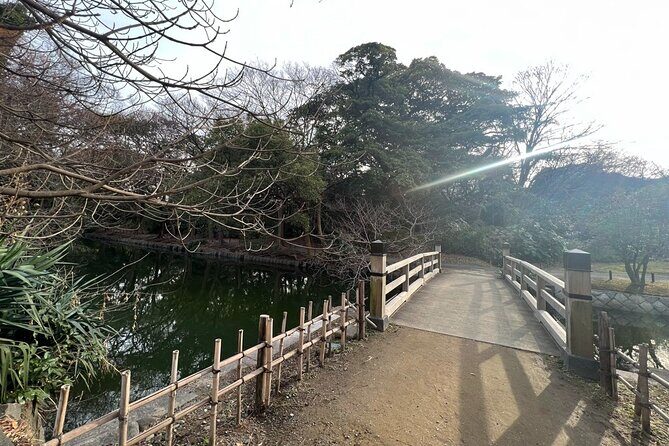
At $85.84 per person, this isn’t a bargain-bucket walking tour. The value comes from the mix: you’re paying for a guided experience through a major garden plus included admission and included food-and-drink.
Here’s what’s included that matters:
- Admission to Hamarikyu Gardens
- A guided tour with history and design context
- Matcha and Japanese sweets in the tea room
- A small group capped at 4 people
- A mobile ticket for smooth entry
When I look at tours like this, I ask one question: Would I normally pay for a garden guide and then also pay for tea and sweets inside the experience? If you like gardens and want the story behind the design, the “yes” usually comes quickly.
Also, booking timing hints at demand. The tour is often booked about 49 days in advance on average, which suggests it fills up during popular travel stretches. If you’re traveling in peak season, I’d plan ahead.
One more practical note: cancellation is free up to 24 hours in advance for a full refund. That flexibility matters if weather or plans shift.
What It Feels Like in Real Time (Including Nori’s Impact)
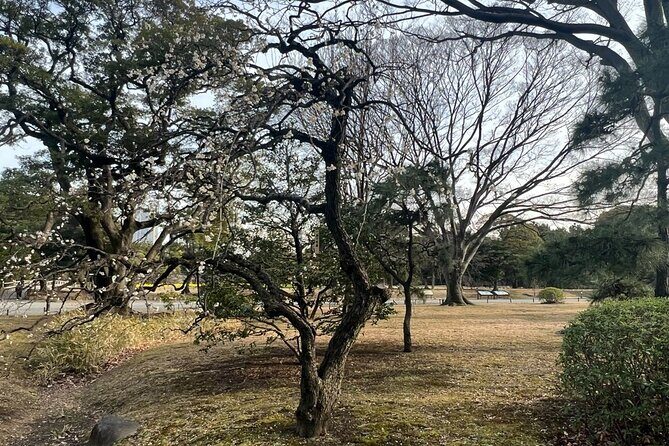
One of the best things you can take from the reviews is tone: this tour is described as relaxed. That’s not always guaranteed with guided group tours, but the small group size likely helps. You can move, ask questions, and still enjoy the garden without feeling herded.
Another high point is the guide. Nori is specifically mentioned as helpful, and that lines up with what you want from a garden guide: someone who can explain history and design in a way that doesn’t make you feel lost. The tour’s structure supports this too, because it’s not just one stop. You have the garden, then tea, then optional add-ons if you want more.
If you’re the type who likes feeling oriented—what you are seeing, what it means—this is the kind of tour where that happens.
Who This Tour Is Best For (and Who Might Skip It)
This works well if you:
- Like Japanese garden culture and want more than a quick walk-through
- Enjoy tea and sweets and want them included in a meaningful setting
- Prefer small-group tours where you can ask questions
- Want a Tokyo activity that feels calmer than the usual shopping and street scenes
You might skip it if:
- You want only major landmarks or big city sights with no garden focus
- You dislike walking for any length of time, since this is a garden route plus transfers to optional stops
For most people, the description notes that most travelers can participate, which suggests it’s not an extreme endurance exercise. Still, treat it as a walking experience and wear shoes you trust.
Should You Book the Hama-rikyu Gardens Tea & Sweets Tour?
I’d book it if you want a Tokyo day that feels thoughtful and grounded. The garden is the main event, and the guide’s focus on history and design makes the walk more rewarding than “look at pretty stuff” tourism. The tea room stop is a genuine plus, and it’s included—matcha and sweets are part of the payoff, not a separate add-on you have to hunt down.
I’d think twice only if you’re short on time and want something strictly ultra-sightseeing, or if walking outdoors in your travel dates sounds like a bad idea. Otherwise, this is a strong choice for a small-group, culture-forward break in the city.
FAQ
What is included in the Hamarikyu Gardens tour?
The tour includes admission to Hamarikyu Gardens, a guided experience, and the tea room experience with matcha green tea and Japanese sweets.
How long is the tour?
Plan on about 1 hour 30 minutes to 2 hours 30 minutes, depending on the pace and whether you choose optional add-on stops.
Is the tour limited to small groups?
Yes. The tour has a maximum of 4 travelers.
Where does the tour start and end?
It starts at Otemon Bridge (near Ginza) and ends at Shiodome Station.
Which stops are optional?
Advertising Museum Tokyo, Hayao Miyazaki’s Nippon Television Giant Clock, and Hibiya Shrine are optional add-ons.
Can I cancel for a full refund?
Yes. You can cancel up to 24 hours in advance for a full refund. If you cancel later than that, the amount paid isn’t refunded.