REVIEW · TOKYO
Tokyo: Imperial Palace, Edo Castle and Historical Tour
Book on GetYourGuide →Operated by Traveling Tokyo · Bookable on GetYourGuide
History gets real fast. You’ll walk through Edo Castle remnants and Imperial-era gardens right in the middle of Tokyo, with a live guide turning stone, gates, and moats into a story you can follow easily. I like that this tour focuses on visible, walkable remains (not vague history-talk), and I also love the calm contrast of garden time after the fortress-style scenery.
The big win here is the combination of Ninomaru Garden peace plus Edo-era stone and gate details you can actually point at. One possible drawback: if you’re hoping for palace interior access or a long museum-style deep dive, this is a grounds-and-gates experience with a tight 90-minute timeframe, so you’ll want to plan a little extra time around it.
In This Review
- Key things to love about this tour
- Meeting near Otemon Gate: start in the palace district, not a maze
- Tokyo Imperial Palace photo stop: what you’ll actually see
- Imperial Palace East Gardens + Edo stone foundations: where the layers show up
- Ninomaru Garden stroll: seasonal beauty with a purpose
- Sakurada-mon Gate: gates that still explain the old rules
- What the guides do well: Tony, Jim, and Bell set the tone
- Price and value: $22 for a 90-minute palace-district lesson
- Best for history fans who also like quiet breaks
- A few smart tips so you get more from your 90 minutes
- Should you book this Imperial Palace East Gardens and Edo Castle tour?
- FAQ
- How long is the Tokyo Imperial Palace, Edo Castle and Historical Tour?
- What does the tour cost?
- Where do I meet for the tour?
- Is admission to the Imperial Palace East Garden included?
- What areas will the tour cover?
- Is the tour guided in English?
- Is the tour wheelchair accessible?
- Can I cancel and get a full refund?
- Do I have to pay right away to reserve?
Key things to love about this tour
- Edo Castle stone ruins you can stand near, not just read about
- Ninomaru Garden scenery that shifts with the seasons
- Photo stops at key structures like Sakurada-mon Gate
- A guide who brings the Tokugawa shogunate into everyday context
- Clear, inclusive guiding style highlighted by reviewers (including guides like Tony, Jim, and Bell)
Meeting near Otemon Gate: start in the palace district, not a maze
You meet in front of a Starbucks close to the Imperial Palace East Garden. The exact meeting point is described near Starbucks at Kokyo Gaien Wadakura Fountain Park, and the area is very much “palace district Tokyo,” meaning you’ll be surrounded by big-street energy before you step into quieter grounds.
This matters because the tour is short—about 90 minutes—so you want an easy, low-stress start. Once you’re together, you’ll move through the East Gardens area on foot with timed stops for photos and guided context.
You can also read our reviews of more historical tours in Tokyo

Tokyo Imperial Palace photo stop: what you’ll actually see
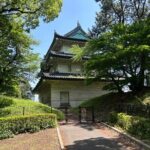
You’ll begin with a photo stop and guided time around the Tokyo Imperial Palace area, about 15 minutes. This part is less about “walking inside” and more about getting your bearings in the palace precinct—what the outer layout looks like, how the spaces connect, and why the walls and gates are such a strong visual clue to history.
If you’ve ever seen palace photos online and wondered what the scale feels like in person, this stop helps. It’s also a good mental warm-up, because the tour quickly shifts from palace-implied power to the earlier Edo Castle reality underneath and around it.
Imperial Palace East Gardens + Edo stone foundations: where the layers show up
The heart of the experience is the Imperial Palace East Gardens, with roughly 45 minutes of guided walking. This is where you’ll connect Edo Castle’s defensive past to the more refined garden-and-courtyard approach of later eras.
You’ll pass through historic-feeling stone gates and remnants of towering castle walls, plus the sense of structure you only get when you’re actually near the stonework. The tour also brings you to areas tied to the castle keep’s foundations—so you can stand where the center of power once rose and imagine the scale of feudal Tokyo.
Here’s why I think this works so well: you don’t just learn a timeline. You learn “how a place was built to protect people,” then “how those same spaces became ceremonial and peaceful over time.” You’re essentially walking through the change in Japan’s governance, told by geography.
Ninomaru Garden stroll: seasonal beauty with a purpose
After you’ve gotten your eye trained on ruins and fortifications, the Ninomaru Garden segment brings a calmer pace. This is described as scenic and refined—flowers changing with the season, along with tranquil ponds that help you slow down for a minute.
What I like about including a garden here is that it prevents the tour from becoming one long wall-staring session. Edo-period design wasn’t only about defense; it was also about artistry, viewing angles, and controlled calm. In a city that never stops, this stretch gives your brain a chance to reset.
It’s also a practical photography break. Even if you’re not trying to chase perfect shots, the garden ponds and seasonal plantings give you natural “background variety” without needing to leave the route.
Sakurada-mon Gate: gates that still explain the old rules
A final highlight is the Sakurada-mon Gate photo stop and guided sightseeing time, about 20 minutes. Gates in Japanese castle planning were never just decorative. They were chokepoints, status markers, and part of a defensive system—so when your guide connects the gate to the castle-era layout, the whole area makes more sense.
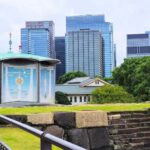
This is also one of those places where you can feel the difference between “now” and “then.” The modern skyline is somewhere out there, but the gate structure pulls your attention back to the samurai-era logic: control movement, manage visibility, and protect entrances.
If you’re the type who likes to learn by locating features on a map, you’ll probably enjoy this part most. The guided framing turns a quick photo stop into something you can mentally revisit later when you look at other Tokyo landmarks.






What the guides do well: Tony, Jim, and Bell set the tone
One of the best clues that this tour is worth your time is the way guides handle communication and group energy. Reviews highlight guides like Tony, who spoke clearly and loudly enough for deaf participants while still keeping explanations friendly and question-friendly. Another review praises Jim for explaining history in a way that also connects to modern life, while keeping the mood relaxed and even funny. Bell is noted for being engaging and for making sure everyone felt included.
That may sound like “soft stuff,” but it matters on a short, walking-based experience. When you can follow the guide’s pacing and question rhythm, you remember more. You also get better context for why the stone ruins and gardens look the way they do, instead of treating them like props.
Price and value: $22 for a 90-minute palace-district lesson
At about $22 per person and roughly 90 minutes, this tour is positioned as a fast, walkable history hit in central Tokyo. For Tokyo, that’s a realistic budget—especially because admission to the Imperial Palace East Garden area is included in the cost.
Is it a “full day of history”? No. But it’s good value for what it tries to do: give you a guided route through the key outdoor elements—castle remnants, gardens, and a gate—so you don’t spend your limited time wandering in the wrong direction or missing the meaning of what you’re seeing.
If you’re already staying nearby and want a structured experience without committing to a long day, this is the kind of booking that makes your trip feel more intentional.
Best for history fans who also like quiet breaks
This tour is ideal if you’re into Japan’s layered timeline—samurai-era Edo Castle turning into the Imperial Palace era—because the route is built around those transitions. You’ll also enjoy it if you like visual learning: stone gates, moats, foundations, garden ponds. You’re not relying on a slideshow.
It may be less ideal if your travel style is “I want to sit in museums for hours” or “I want deeper access than public gardens and outdoor features.” This tour focuses on what you can see and walk past. Think of it as a high-impact orientation into the palace district’s past.
The other practical fit: it’s English, live-guided, and described as wheelchair accessible. The walking is part of the concept, but accessibility being built in is a sign the provider expects a broader range of needs.
A few smart tips so you get more from your 90 minutes
Before you go, wear shoes you trust for uneven-looking stone and garden paths. You’ll be moving between photo stops and guided segments, so comfort keeps you from rushing.
Bring your curiosity. When your guide points out why a wall is where it is, or what a gate implies, ask a question if you have one. Reviews specifically mention guides being happy to answer questions, and on a short route, that’s how you turn “seen it” into “I get it.”
Finally, treat the garden time like a breather, not a filler. If you rush it, you’ll miss the contrast that makes this tour feel different from a pure ruins walk.
Should you book this Imperial Palace East Gardens and Edo Castle tour?
Yes, I’d book it if you want a structured, guided way to understand Edo Castle’s remains and how they relate to the Imperial Palace East Gardens. For $22 and about 90 minutes, you get guided context, outdoor history, and scenic garden time without spending your whole day in transit or in line.
I would skip—or pair with something else—if your main goal is palace interior access, long museum-style exhibitions, or a super long history lesson. This experience is best as a focused dose: gates, stone foundations, Ninomaru Garden, and a guide who can explain the story in a way you can actually follow while you walk.
FAQ
How long is the Tokyo Imperial Palace, Edo Castle and Historical Tour?
The tour runs for about 90 minutes (approximately 1.5 to 2 hours, depending on the start time).
What does the tour cost?
The price is listed as $22 per person.
Where do I meet for the tour?
You meet near Starbucks close to the Imperial Palace East Garden, described as very close to Otemon Gate (full meeting details are provided after booking).
Is admission to the Imperial Palace East Garden included?
Yes. Admission to the Imperial Palace East Garden is included.
What areas will the tour cover?
You’ll visit the Tokyo Imperial Palace area for a photo stop and guided tour, then the Imperial Palace East Gardens for the main walk, and finish with a Sakurada-mon Gate photo stop and sightseeing time.
Is the tour guided in English?
Yes, the live tour guide language is English.
Is the tour wheelchair accessible?
Yes, it is listed as wheelchair accessible.
Can I cancel and get a full refund?
Free cancellation is offered up to 24 hours in advance for a full refund.
Do I have to pay right away to reserve?
You can reserve now and pay later, so you can keep travel plans flexible.