REVIEW · TOKYO
Tokyo: Shibuya Vending Machine Adventure Walking Tour
Book on GetYourGuide →Operated by Gappy · Bookable on GetYourGuide
Tokyo’s vending machines hide a whole story. On a Shibuya walk, you go beyond sodas to learn how locals use vending machine culture day-to-day—then you put that knowledge to work with a guided purchase. It’s playful, fast, and more Tokyo-than-tour-bus.
I especially like two things. First, you get a practical mini-lesson on reading katakana product names, so you’re not just pointing and hoping. Second, you chase “weird” machines off the main streets and learn what all those labels mean, including Attaka-i (hot) and Tsumeta-i (cold).
One drawback: you’ll still pay for drinks and snacks yourself, so plan a little extra cash (typical drinks run ¥120–¥200) if you want to taste the full range.
In This Review
- Key highlights I’d plan around
- Shibuya vending machines, mapped in 90 minutes
- More than drinks: why Japan’s 4+ million machines exist
- Hot vs cold in a can: Attaka-i and Tsumeta-i
- The hunt for the weird stuff (and why it’s fun)
- Reading katakana on the spot (the mini-lesson that pays off)
- Stop-by-stop: from Hachiko to Miyashita Park
- Starting at Hachiko Statue and Hachiko Square
- A side-street stop for machine spotting
- Shibuya Crossing: photo time, then back to machines
- Miyashita Park: browse, shop, and cool off
- Two more offbeat stops for second-round discoveries
- Price and value: what your $41 actually buys
- Who should book this vending machine adventure
- Things to plan before you go (so you enjoy it more)
- Should you book the Tokyo vending machine tour?
- FAQ
- Where is the meeting point for the tour?
- How long is the Tokyo: Shibuya Vending Machine Adventure Walking Tour?
- What language are the guides speaking?
- Is the tour wheelchair accessible?
- Are drinks and snacks included in the price?
- What is the typical cost of drinks you might buy?
- Do I need WhatsApp for the tour?
- What is the cancellation policy?
Key highlights I’d plan around
- Learn hot vs cold vending labels like Attaka-i and Tsumeta-i
- Try a purchase with guidance, so you don’t get stuck at the machine
- Hunt for offbeat machines such as the dashi/flying fish vending style and labeled-vs-unlabeled surprises
- Compare retro coin machines with next-gen digital signage at Shibuya Stream
- Pick up vending etiquette and photo challenges, plus a vending stamp you keep
- Walk major Shibuya icons plus quieter side spots, in just 90 minutes
Shibuya vending machines, mapped in 90 minutes
This tour is built for people who love little systems—how a city does something so normal that it becomes invisible. In Tokyo, vending machines are everywhere, and you start to see why once you’re walking with a guide who can explain what you’re looking at.
You’ll cover classic Shibuya sights (starting at the Hachiko Statue) while also turning down side streets to find machines you’d likely miss. That mix matters. The big intersections are great for photos, but the real fun is when the guide leads you to the oddball machines that sell things most visitors never think to search for.
The tour also gives you something rare on short walks: a chance to actually participate. You learn key phrases and etiquette, then practice making a purchase so you leave knowing how to handle machines again later in the trip.
You can also read our reviews of more walking tours in Tokyo
More than drinks: why Japan’s 4+ million machines exist
Japan’s vending machines aren’t just convenience. They’re an everyday solution to real city life—dense neighborhoods, busy schedules, and the simple fact that people want quick, reliable snacks and drinks without detours.
On this walk, you get the bigger picture: you’ll hear why there are so many machines, whether they’re safe, and how the economics and reliability work. You don’t need a spreadsheet, but you do need context so you understand what you’re seeing. It changes your mindset from tourist mode (“Look at the weird can!”) to local mode (“Oh, this is how people keep moving.”)
You’ll also learn the range of items beyond the usual cold soda fantasy. Expect hot soups in a can—examples include corn, miso, and onion—plus dessert drinks and vitamin jellies. Once you know that hot options exist in a vending machine, the whole experience shifts. In winter, hot drinks make sense. In summer, hydration becomes the priority.
Hot vs cold in a can: Attaka-i and Tsumeta-i
This is the moment the tour becomes genuinely useful for your future days in Tokyo.
Most visitors see a label and guess. You’ll be taught to recognize the difference between hot and cold using the Japanese labels Attaka-i (hot) and Tsumeta-i (cold). That tiny language skill saves you from accidental surprises and helps you pick what you want based on weather and mood.
Here’s how I’d use what you learn: if it’s chilly, look for the hot option before you stand in front of ten machines. If it’s summer, don’t overthink novelty—go straight to hydration-friendly choices the guide points out. You’re not memorizing Japanese for exams. You’re learning the two or three cues that matter when you’re hungry, tired, and standing in line for a machine.
The hunt for the weird stuff (and why it’s fun)
The best part of this tour is how it turns browsing into a game. Instead of wandering randomly, you’re led to specific machines with specific stories, and you’re challenged to spot patterns.
You’ll chase several categories of “weird”:
- The dashi machine: a vending setup that sells whole flying fish in a bottle of soup stock (yes, it looks as strange as it sounds)
- The mystery can: you may be asked to press a button even when the product isn’t clearly labeled
- Retro vs next-gen: you compare old-school coin-style vending with the latest digital signage, including AI-powered displays at Shibuya Stream
That contrast is more than novelty. It shows how vending tech fits into Japanese daily life. Old machines signal tradition and physical simplicity. New digital displays signal speed, visibility, and branding in public space. Seeing both in one short walk helps you understand the culture rather than just collecting photos.
You’ll also get photo challenges along the way—lighthearted prompts that push you to look closely. And you’ll collect a kind of vending souvenir: a flattened can label or a capsule toy as a stamp. It’s a fun way to make the experience feel like yours, not just a guided blur.
Reading katakana on the spot (the mini-lesson that pays off)
One reason this tour feels like value is that it doesn’t just translate. It teaches you how to read enough to function.
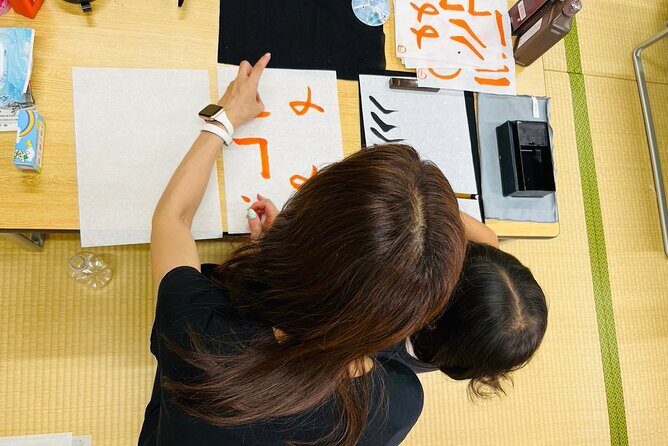
You’ll get a mini-lesson on reading katakana product names. That matters because many vending machine labels are in Japanese scripts, and katakana often shows up for food names, flavors, or product categories. Even if you can’t read everything perfectly, you can usually identify key words and patterns.
The practical payoff is huge: once you can recognize a few items or categories, you can make choices quickly later. You won’t need to wait for your guide every time you pass a machine. In Tokyo, those machines are constant, so the skill compounds during your trip.
Also, you pick up pocket phrases and etiquette. That sounds small, but it reduces stress. Instead of feeling awkward in front of a machine, you’ll know the simple behaviors that make the process smoother and more respectful.






Stop-by-stop: from Hachiko to Miyashita Park
This is a fast-moving walking tour, and each stop has a clear role—photos, machine hunting, or a short stretch for shopping and context.
Starting at Hachiko Statue and Hachiko Square
You meet at the Hachiko statue at Shibuya Station. That’s a smart starting point because you’re right where visitors can anchor themselves instantly. You get a photo stop at Hachiko Square with a guided introduction, so you begin with orientation rather than wandering out cold.
This early part also sets expectations. The guide uses the first minutes to frame vending machines as part of Shibuya’s daily rhythm, not just as a quirky attraction. That tone helps the rest of the tour click.
A side-street stop for machine spotting
Then you head to a quieter, off-main-street area for your first real machine-hunt segment. This is where the tour earns its name. The goal isn’t just to see a vending machine—it’s to learn what to look for when you’re away from the obvious clusters.
You spend about 20 minutes here with guided time, which gives you room to actually process labels and layouts rather than just sprinting to the next photo spot.
Possible drawback at this stage: if you’re only interested in famous landmarks, the “hunt” may feel more like practice than sightseeing. If you want Japanese street culture and everyday technology, you’ll like it.
Shibuya Crossing: photo time, then back to machines
You swing past Shibuya Crossing for another photo stop plus a guided visit. The crossing is famous for a reason, and it works as a visual reset: big city energy, then small city details again.
The tour uses Shibuya Crossing as a contrast point. You’re reminded how modern and high-traffic this area is, and then you return to vending machines as the everyday solution for quick needs between crowds.
Miyashita Park: browse, shop, and cool off
Next comes Miyashita Park, where you get time to visit and shop. This segment is about giving you breathing room. After focusing on the vending hunt, you get a chance to linger, pick up small items, and continue exploring Shibuya at a comfortable pace.
It’s also a good place to think about what you’ve learned. You’ll be more aware now of drink temperature choices and what machine types tend to offer. Even if you don’t buy anything here, you’ll feel more confident about your next steps.
Two more offbeat stops for second-round discoveries
The tour finishes with additional smaller machine areas, each with guided time. These later stops matter because they let you apply what you practiced earlier. After you’ve learned the hot/cold cues and done the etiquette basics, you start noticing patterns fast.
This is when you’re most likely to see something that feels truly “only in Japan.” The tour is structured so you don’t just see one kind of novelty and move on. You get multiple chances to spot different types—so the experience stays fresh through the full 90 minutes.
Price and value: what your $41 actually buys
At $41 per person for a 90-minute guided tour, the big value isn’t the machines themselves. It’s the guidance around them.
Your tour cost covers:
- A live English-speaking guide
- Photo challenges
- A mini-lesson on reading katakana product names
- The guided walk through Japan’s vending machine culture in Shibuya
- A chance to learn how to use vending machines like a local (including practicing a purchase)
Drinks and snacks are not included, and you should expect typical drinks to land around ¥120–¥200, with novelty or premium items costing more. That tradeoff is fair because it lets you choose what you want to try rather than paying for a fixed sample you might not like.
Also, you’re paying for reduced stress. In Tokyo, vending machines can be confusing if you don’t know how to interpret labels. A good guide turns that confusion into a quick, satisfying win—and then you can replicate the skill later without extra help.
If you’re the type who likes short, hands-on experiences, this is a solid use of time. If you want a relaxed sit-down tasting tour, you might prefer something else.
Who should book this vending machine adventure
This tour is best for you if:
- You want something practical, not just photo ops
- You enjoy small language skills that actually help in real life
- You like weird food culture, hot canned soups included
- You’re curious about how Tokyo works when nobody is performing for you
It also fits families and mixed groups because it’s not overly technical. It’s playful, guided, and short enough to stay energetic without fatigue.
Two guide names came up for strong English and friendly engagement: Kanta and Mitsuki. If you’re booking because you care about communication and clear explanations, those are comforting signals.
One more fit note: it’s private group and wheelchair accessible, and the route is designed with curb cuts and elevators at each stop. Some vending machines have lower buttons marked with wheelchair icons, so you’re not automatically blocked by height.
Things to plan before you go (so you enjoy it more)
A few small prep tips make the difference between fun and frustration:
- Install WhatsApp for updates, since the full details are sent there the day before.
- Bring enough spending money for snacks and drinks. Prices commonly sit in the ¥120–¥200 range.
- Dress for walking and expect a steady pace. This is a 90-minute “see and do” walk, not a long scenic drift.
- Pay attention to the hot/cold labeling lesson early—then use it when you decide what to buy.
- Keep the stamp idea in mind. Flattened can labels or capsule toy souvenirs can become a neat memory of what you tried.
Should you book the Tokyo vending machine tour?
If you want a memorable Tokyo experience that’s both fun and useful, I’d book this. It’s short, hands-on, and you leave with skills you can use again—especially the Attaka-i / Tsumeta-i cue and the katakana mini-lesson.
Skip it only if you’re strictly chasing big sights and don’t care about practicing with local food tech. Otherwise, it’s one of the smarter ways to spend 90 minutes in Shibuya: you get Shibuya icons, plus the kind of cultural detail that sticks.
FAQ
Where is the meeting point for the tour?
You meet at the Hachiko Statue in Shibuya Station.
How long is the Tokyo: Shibuya Vending Machine Adventure Walking Tour?
The tour lasts 90 minutes.
What language are the guides speaking?
The tour has a live guide who speaks English.
Is the tour wheelchair accessible?
Yes. The route includes curb cuts and elevators at each stop, and some vending machines have lower buttons marked with a wheelchair icon.
Are drinks and snacks included in the price?
No. Drinks and snacks are not included, and you purchase what you want yourself.
What is the typical cost of drinks you might buy?
Most drinks are in the ¥120–¥200 range, though novelty or premium items can cost more.
Do I need WhatsApp for the tour?
Yes. Full tour details are sent via WhatsApp the day before, and WhatsApp is required for updates.
What is the cancellation policy?
You can cancel up to 24 hours in advance for a full refund.