REVIEW · TOKYO
Tokyo Tsukiji Food & Culture 6hr Private Tour with Licensed Guide
Book on Viator →Operated by Japan Guide Agency · Bookable on Viator
Tsukiji feels like organized chaos with a guide. On this private 6-hour tour, I like the licensed English-speaking guide who keeps things moving, and I like that you can customize your day by choosing 3 to 4 stops. The possible drawback is the walk-heavy style and costs add up fast for food, lunch, and any ticketed activities.
This is a smart way to experience Tsukiji and the Asakusa area without spending your morning staring at maps. You also get a clear meeting plan for the morning market area, plus a guide who can help you navigate crowds and etiquette around food.
In This Review
- Key things you should know before you go
- Why this private Tsukiji and Asakusa style works so well
- Price and value: what $154.84 really covers
- The 6-hour flow: how to choose the right mix of stops
- Toyosu Market: the modern wholesale start you can use well
- Tsukiji Fish Market: meeting point, timing, and crowd sanity
- Ameyoko Shopping Street: snacks and souvenir shopping without the guesswork
- Senso-ji Temple and Nakamise Street: the Asakusa classic, timed for photos and snacks
- Kappabashi Tool Street: buy the utensils you’ll actually remember
- Tsukishima Monjya Street: for when you want a more offbeat food mission
- Yanaka Ginza Shopping Street: calm old-town Tokyo after the big sights
- What the guide actually adds to your day
- Practical tips so you enjoy the walking parts
- Who this tour is best for
- Should you book this Tokyo Tsukiji Food & Culture private tour?
- FAQ
- How long is the private tour?
- Can I pick which places we visit?
- Is this tour walking-only?
- Is the tour guide licensed and English-speaking?
- Do I need to pay for market or temple entry fees?
- Where do we meet for the Tsukiji Fish Market part?
- Is lunch or transportation included in the price?
- What if my plans change and I need to cancel?
Key things you should know before you go
- Pick 3–4 stops from Toyosu, Tsukiji, Ameyoko, Senso-ji, Nakamise, Kappabashi, Tsukishima, and Yanaka Ginza
- Licensed, local English guide so you get context, not just directions
- Walking tour with pickup handled on foot and near public transportation
- Market planning made easier with a set meeting point by Tsukiji Honganji Temple
- Food and shopping are the point, so budget for snacks and purchases
- Not everything is included: entrance fees, lunch, and transportation are on you
Why this private Tsukiji and Asakusa style works so well
Tokyo has a way of overwhelming people fast. Big streets, tight lanes, and lines that look chaotic if you don’t know where to stand or when to move. This tour fixes the hardest part: figuring out what’s worth your time and how to flow between food and culture stops.
What you’re paying for is not just sightseeing. It’s the guidance that helps you get the most from places like the modern Toyosu wholesale area and the seafood-focused Tsukiji market zone, then transition into Asakusa for temples and shopping streets. One review noted how the guide, Taka, was professional and very good at explaining food, including sushi, in a way that made it easier to enjoy and order with confidence. Even better, that same review highlighted practical tips like help with chopstick use—small stuff, but it can make a big difference when you’re standing in a stall window with food moving around you.
You can also read our reviews of more food & drink experiences in Tokyo
Price and value: what $154.84 really covers
At $154.84 per person for about 6 hours, the value depends on how you travel.
You’re getting:
- A private group experience (only your group participates)
- A licensed local English guide
- A customizable selection of 3–4 sites
- A setup where the guide meets you within a designated Tokyo area, and the walking logistics are part of the plan
- A mobile ticket
- Mention of group discounts (if your group size qualifies through the operator’s rules)
You’re not getting:
- Transportation fees
- Entrance fees (some sites are free, but not all)
- Lunch
- Other personal expenses
- A private vehicle
So the best way to judge value is simple: if you want a day that blends markets, temple-area shopping, and food culture—and you don’t want to coordinate every connection and queue yourself—this price can feel fair. If you’re traveling super cheap and plan to do everything on your own with a transit pass and map apps, you can probably spend less. But you’d also spend more time figuring things out the hard way.
The 6-hour flow: how to choose the right mix of stops
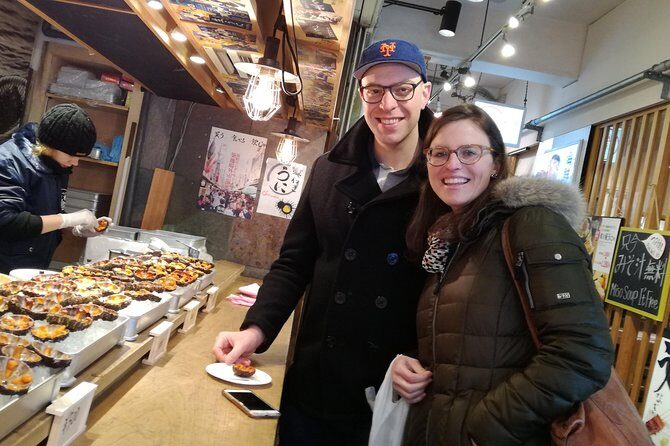
Because you pick 3 to 4 sites from a menu-style set of options, you should think of the tour as a flexible route plan with a guide guiding the pacing.
Here’s the key tradeoff: markets and shopping streets can move quickly. If you choose all the most “fast and crowded” stops, you’ll feel it. If you mix one or two big energy areas (like Tsukiji/Toyosu and Ameyoko) with a calmer side street (like Yanaka Ginza), you’ll usually end the day happier.
A practical rule:
- Choose one major market anchor (Toyosu or Tsukiji)
- Add one Asakusa temple-and-snacks anchor (Senso-ji and Nakamise)
- Then pick one shopping specialty street (Kappabashi or Ameyoko)
- Leave the remaining slot for either a food-focused detour (Tsukishima Monjya Street) or a calmer neighborhood vibe (Yanaka Ginza)
That mix gives you food culture, photo landmarks, and shopping value without turning the day into a sprint.
Toyosu Market: the modern wholesale start you can use well
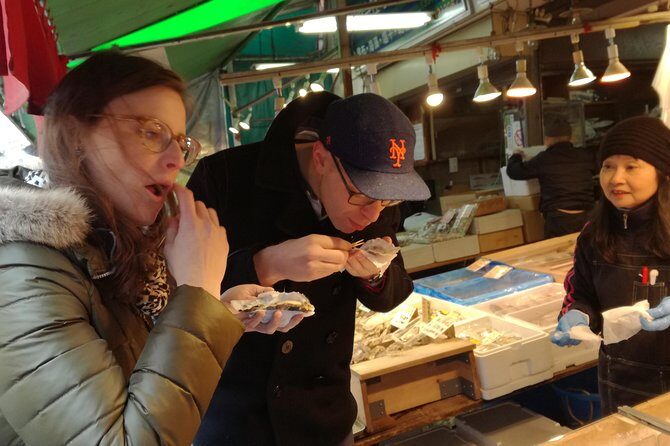
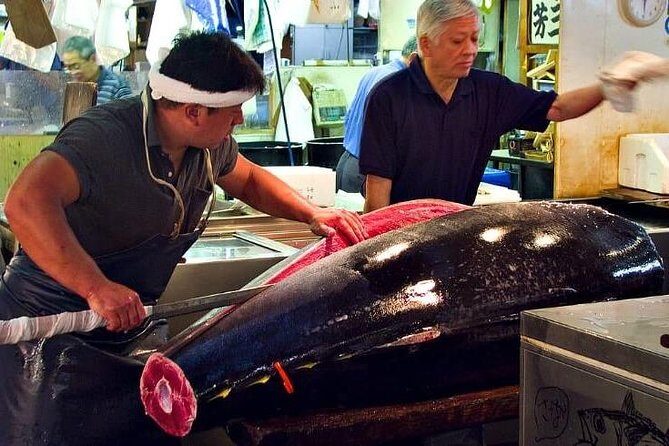
Toyosu Market (Toyosu Shijō) is the newer wholesale market, opened on October 11, 2018, on the man-made island of Toyosu in Tokyo Bay. If Tsukiji is the old seafood magnet, Toyosu is the structured, working-market version.
You can expect:
- About 2 hours
- This stop has a ticket not included note, so plan for that cost if your chosen entry requires it
The benefit of starting here is momentum. With a guide, you’re more likely to understand what you’re seeing—how a wholesale market works versus what tourists assume they’ll get just from photos. Also, it helps you set expectations early: this is about supply chains and food trades, not just eating snacks.
Tsukiji Fish Market: meeting point, timing, and crowd sanity
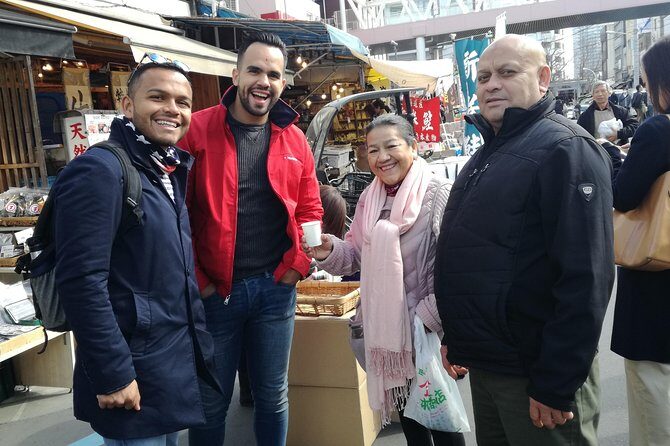
This is the morning zone most people think of when they hear Tsukiji. You meet your guide at Tsukiji Honganji Temple, just outside the main gate area, in the morning.
What you’ll likely feel right away:
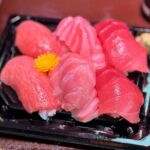
- A dense “labyrinth” of seafood sights and stalls
- A lot of moving parts, where knowing where to stand and what to ask for saves time
This stop runs about 1 hour and is listed as free admission. That matters because it keeps your budget from being swallowed by ticket lines.
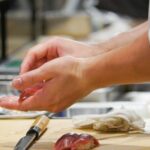
One practical advantage of having a guide here: you don’t waste time trying to translate a chaotic street scene on your own. You also get more meaning from what you’re seeing, which makes the shopping and tasting decisions easier. (And yes, chopstick skills can be the difference between feeling relaxed and feeling stressed—so if you’re not confident, this kind of guided food moment is where coaching helps.)
A few more Tokyo tours and experiences worth a look

Ameyoko Shopping Street: snacks and souvenir shopping without the guesswork
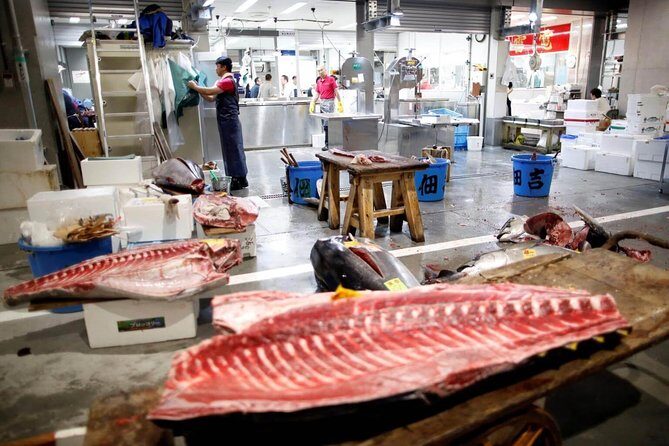
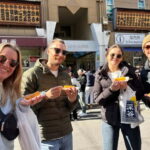
Ameyoko Shopping Street is short on “official museum explanations” and long on real street browsing. It’s a favorite for people who want deals and variety—so you can wander, compare, and grab edible souvenirs or gifts without it feeling like a formal shopping mall.
On this tour it’s about 30 minutes, and it’s listed as free. The time box is important. If you love shopping, you’ll want more than 30 minutes. But with only a short stop, it’s best used for quick wins:
- a snack you can eat right there
- small gifts you can carry
- tasting something local instead of overbuying
If you’re trying to keep costs under control, this is also where you’ll feel the “budget pressure” first. Decide early what you want: food samples versus bigger items. Your guide can help you focus.
Senso-ji Temple and Nakamise Street: the Asakusa classic, timed for photos and snacks
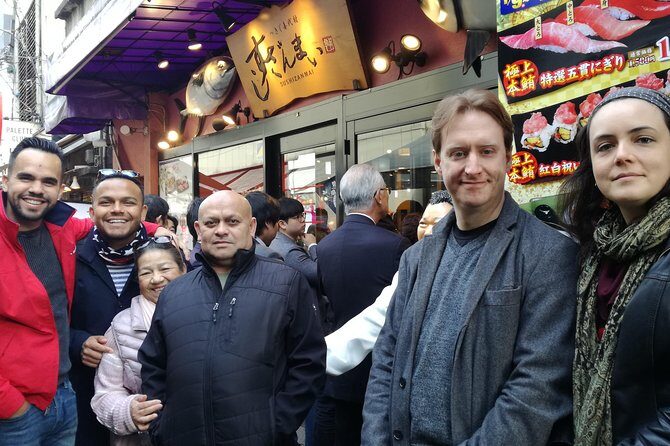
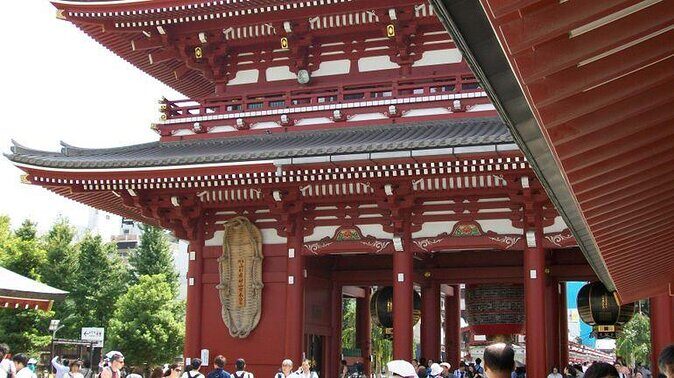
Senso-ji Temple is one of Tokyo’s best-known temples, with about 1,300 years of story behind it. The entrance gate, Kaminarimon, is the famous red lantern you’ll see in pictures everywhere.
On this tour, Senso-ji is about 30 minutes, free admission. Then you can add Nakamise Shopping Street, another 30 minutes. Nakamise runs roughly 250 meters along the main approach to the temple and is lined with shops selling traditional souvenirs and snacks.
Here’s what makes this combo smart:
- Temple first gives you the landmark payoff.
- Nakamise second lets you turn that visit into actual buying and eating.
A drawback to know: Nakamise is a tourist magnet. That doesn’t mean it’s bad. It just means your best strategy is quick choices and no guilt. With a guide, you’ll feel less lost in the crowd and more ready to pick snacks that sound good rather than grabbing whatever looks familiar.
Kappabashi Tool Street: buy the utensils you’ll actually remember
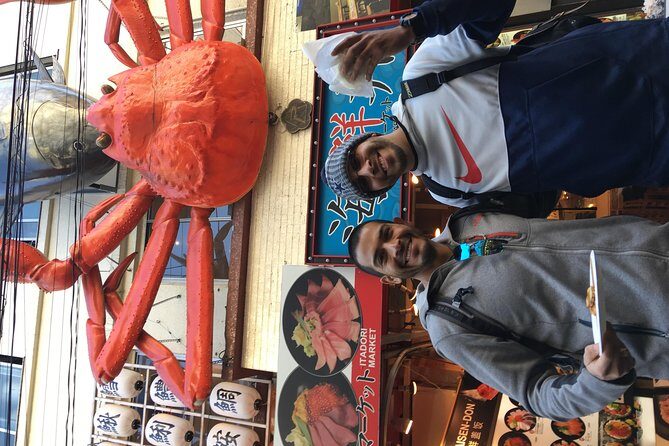
Kappabashi Street (Kappabashi Dōgai) is a shopping street known for supplies for restaurant operators. That means you’ll see shops selling tools you might never notice elsewhere: kitchen equipment, serving items, and all sorts of items that make Japanese food culture feel very real.
This stop is about 30 minutes, listed as free.
If you like cooking, you’ll enjoy it more than you expect. It’s also a great souvenir category because it’s specific. Instead of bringing home something generic, you’re buying a utensil with a Tokyo story.
Tsukishima Monjya Street: for when you want a more offbeat food mission
Tsukishima Monjya Street is connected to monjayaki, a “liquid-y, hot” style dish. The important note is that it may look unappealing at first glance, but the point is the flavor and texture once you start eating.
On this tour it’s about 30 minutes and listed as ticket not included.
Choose this stop if:
- you want food that feels less standard than sushi and tempura
- you like trying a very specific local specialty
- you don’t mind that it’s more about the experience than perfect presentation
Yanaka Ginza Shopping Street: calm old-town Tokyo after the big sights
Yanaka Ginza Shopping Street offers a different pace. It’s in the Yanaka area and is known for a remaining old-town atmosphere sometimes called Shitamachi style. This stop is about 30 minutes and listed as free.
Why it works after markets and temple streets:
- you get a quieter neighborhood feel
- you can browse at a human pace
- it helps break up the day so you don’t feel like you only did “major highlights”
It’s also a good choice if you want fewer intense crowd moments. When your day includes Tsukiji-style density, a calmer side street can be the difference between enjoying Tokyo and just surviving Tokyo.
What the guide actually adds to your day
A private guide does three things that self-guided travel often can’t:
- Pacing: you move at the right speed for the crowd and the time window.
- Meaning: you understand what’s worth looking at and what’s just background.
- Decision help: when you’re hungry or shopping, you don’t want to be paralyzed by options.
In the strongest feedback you can see a theme: the guide makes the food part easier. One review called out Taka for being professional and especially helpful around sushi, plus encouragement around chopstick use at Nakamise. That’s exactly the kind of support that turns a market day into a relaxed meal rather than a stressful translation exercise.
Practical tips so you enjoy the walking parts
This is a walking tour, and pickup is handled on foot. It’s also near public transportation, which helps if you need to regroup or adjust.
My advice:
- Wear shoes you can stand in for hours.
- Keep your hands free when shopping and snacking.
- Bring cash or a card you trust, since lunch and many purchases aren’t included.
- If you’re choosing Toyosu versus Tsukiji, think about your interests: Toyosu is the newer wholesale market setup; Tsukiji is the seafood-focused morning scramble.
Who this tour is best for
This fits you if:
- it’s your first time in the Tsukiji/Asakusa zone
- you want a food-and-culture day without mapping stress
- you prefer guidance at the moments that matter most: markets, ordering, and shopping choices
- you’re traveling with a small group that wants a private route
It may be less ideal if:
- you want a fully self-directed schedule
- you’re trying to keep the day strictly all-inclusive
- you hate walking (this tour is built around walking between stops)
Should you book this Tokyo Tsukiji Food & Culture private tour?
If your goal is a smart, tasty, low-stress day in Tokyo’s food neighborhoods, I’d book it. The price makes sense when you value a licensed guide, a private format, and a customized mix of stops that can match your pace and interests.
Book it especially if:
- you want help navigating Tsukiji area complexity
- you want Asakusa temple sights plus shopping streets without wasting time
- you’d rather spend your energy eating and browsing than figuring out directions
FAQ
How long is the private tour?
The tour runs for about 6 hours.
Can I pick which places we visit?
Yes. You choose a customizable itinerary of 3 to 4 sites from the listed options.
Is this tour walking-only?
Yes. It is a walking tour, and pickup is offered on foot within the designated area.
Is the tour guide licensed and English-speaking?
The tour includes a licensed local English-speaking guide.
Do I need to pay for market or temple entry fees?
Entrance fees are not included. Some sites are listed as free, while others note tickets not included (for example, Toyosu Market and Tsukishima Monjya Street).
Where do we meet for the Tsukiji Fish Market part?
Meet your guide at Tsukiji Honganji Temple, just outside the market’s main gate, in the morning.
Is lunch or transportation included in the price?
No. Transportation fees, entrance fees, lunch, and other personal expenses are not included.
What if my plans change and I need to cancel?
You can cancel for a full refund if you cancel up to 24 hours in advance of the experience start time.