REVIEW · TOKYO
Tokyo Walking Tour : Sumo, Sushi, Tea, Temples and Tokyo Tower
Book on Viator →Operated by Snow Monkey Resorts Tours (Machinovate Japan Ltd.) · Bookable on Viator
One morning. Five very different Tokyo worlds. This walking tour strings together real sumo training, hands-on temple time, and a classic Tokyo skyline stop at the end. I especially like the balance of structured stops plus free time in Tsukiji, and the way the gardens/tea add a slower tempo. One consideration: the sumo schedule can change, so on some days you may not see training.
This is not a sit-and-stare day. You’ll be outdoors for several hours and moving between neighborhoods, so comfortable shoes matter. It runs on public transport (no private vehicle), and food isn’t included, even though you’ll get sampling time. The tour caps at 15 people, which helps keep things organized without feeling crowded.
In This Review
- Key highlights worth planning for
- A Tokyo day built on contrasts, not checklists
- Arashio Beya: watching real sumo training up close
- Etiquette tip for this stop
- Tsukiji Outer Market: guide-led bites plus time to roam
- How to make Tsukiji feel worth it
- Hama Rikyu Gardens: a tea-house reset in the middle of the city
- What to do in your free time
- Zojoji Temple and sutra copying: calm, hands-on, and memorable
- Respect is the whole rule here
- Tokyo Tower: the classic skyline finish
- Timing note
- Pacing, walking, and getting around without stress
- Small planning move that pays off
- Price and value: what $166.85 buys you
- Who the price makes sense for
- Who should book this Tokyo walking tour
- Should you book it?
- FAQ
- How long is the Tokyo Walking Tour?
- Is the tour mostly walking?
- What’s included in the tour price?
- Is food and drink included?
- Can I always see sumo training?
- Where does the tour start and end?
- Is there free cancellation?
Key highlights worth planning for
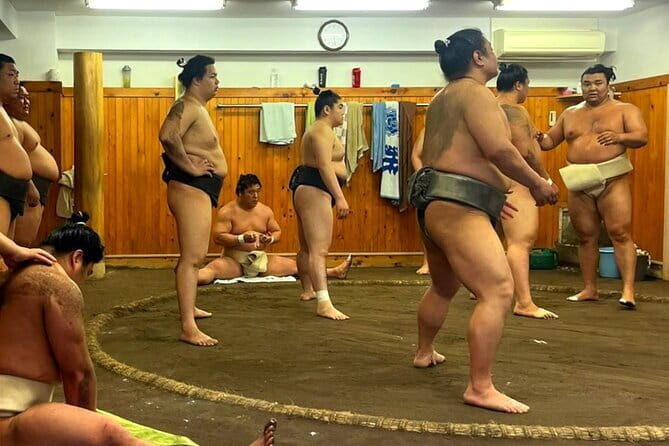
- Arashio Beya sumo training access with a real training-room setup and strict rules not to interfere
- Tsukiji Outer Market guide plus free exploration time for pictures, shopping, and bite-sized stops
- Hama Rikyu Gardens tea house experience with a traditional tea and sweet included
- Zojoji Temple sutra copying for a calm, hands-on moment away from the streets
- Tokyo Tower observation deck ticket included so you don’t have to figure out the last step
A Tokyo day built on contrasts, not checklists
What makes this tour feel satisfying is the variety, but it still stays coherent. You start with a living tradition (sumo), shift to everyday food culture (Tsukiji), slow down in a garden (Hama Rikyu), then step into spiritual practice (Zojoji), before finishing at one of Tokyo’s most recognizable sights (Tokyo Tower).
The structure also helps. You get guided time where you’d otherwise feel lost, like inside sacred spaces and in market alleys where signage is your enemy. Then you get free time where you can move at your own pace—useful for grabbing snacks, browsing, or simply watching the street life.
One more practical point: you’re on your feet for most of the day. That doesn’t mean it’s rushed, but you should plan your day the way you’d plan a city hike with stops, not a museum crawl.
You can also read our reviews of more walking tours in Tokyo
Arashio Beya: watching real sumo training up close
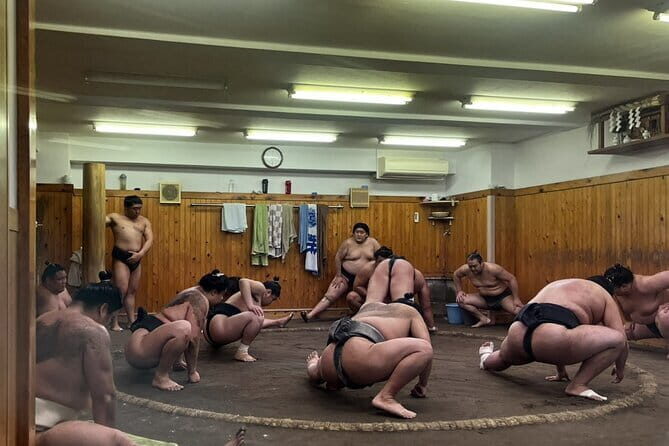
The day kicks off at Arashio Beya, a traditional sumo training room. You’ll watch training as it happens, and this is real practice, not a staged show. That’s exciting, but it also means you must follow the rules: you can’t disturb the wrestlers, and you’ll want to keep your voice low and your movements respectful.
You should also plan for a real possibility of schedule changes. The tour notes that the sumo beya schedule is subject to change, and sometimes the wrestlers may not be training. Training is also closed during certain weeks tied to the Grand Sumo Tournaments in January, May, and September. If sumo visibility is your main reason for booking, this is the biggest thing to keep in mind.
If you like photographing athletes, this stop is a strong candidate. You’ll be in an environment built for training, so you’ll often see drills and routines that you would never catch in a normal sightseeing setting. Just remember: quiet observation beats any photo thrill.
Etiquette tip for this stop
Think of it as a live work space. Keep your distance, follow your guide’s instructions, and avoid lingering in spots that block others. In places like this, the best souvenir is knowing you didn’t disrupt the moment.
Tsukiji Outer Market: guide-led bites plus time to roam
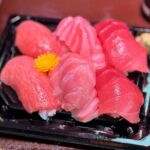
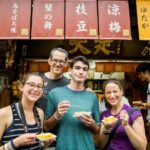
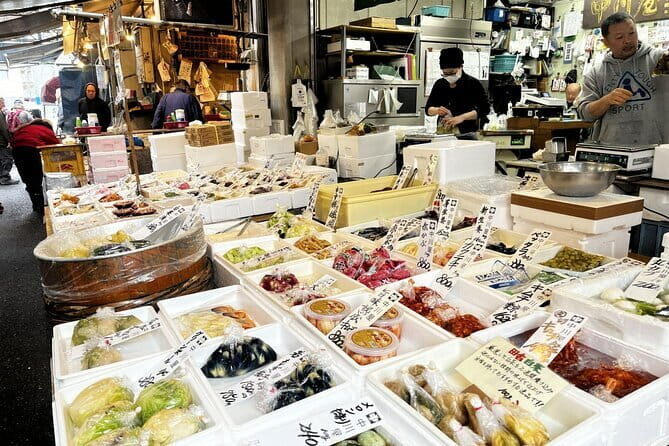
After sumo, the tour shifts to food culture at Tsukiji Outer Market. You get a guided walk and sampling opportunities at the stalls, plus time to explore on your own. This is the part of Tokyo that rewards curiosity: short aisles, lots of activity, and plenty of edible temptations.
This is where the tour is especially useful for first-timers. A guide can point you toward options you might miss, and you’ll avoid the guesswork of which stalls actually serve what you’re in the mood for. Then you get free time to take pictures, compare prices, and shop.
Two practical notes so you don’t get surprised:
- Food and drink are listed as not included, so sampling time doesn’t automatically mean full meals are paid for.
- The market is active and you’ll be walking again, so it’s smart to eat something light before you start and then snack your way through.
How to make Tsukiji feel worth it
Decide ahead of time what you want to eat: sweet, savory, seafood-forward, or something quick and portable. That keeps you from burning time comparing every single stall. And if you like buying gifts, this is usually one of the easier places to pick up snackable items that travel well.




Hama Rikyu Gardens: a tea-house reset in the middle of the city
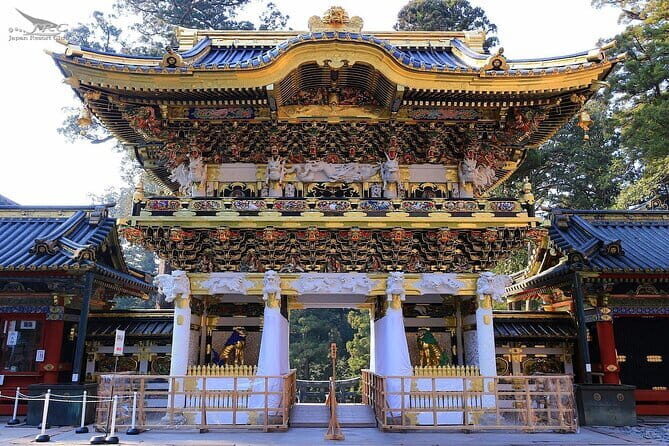
Then comes a tempo change at Hama Rikyu Gardens. You’ll get a guided introduction to the garden and its history, and then time to enjoy the space before meeting back up for a tea house experience.
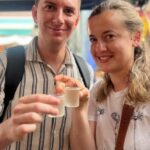
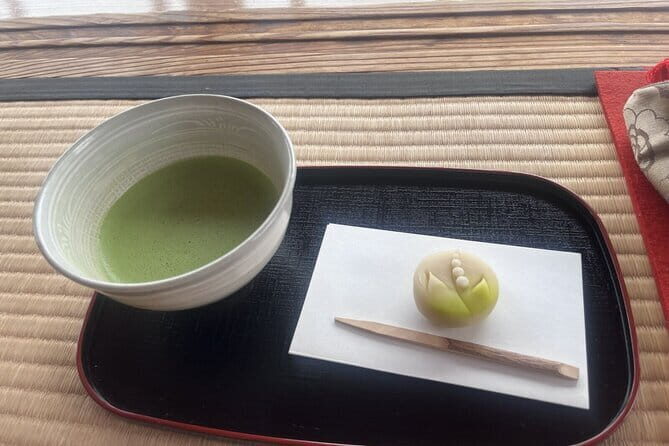
The tea house part is included, with a traditional tea and sweet served in a setting designed for slowing down. This is a great contrast to the earlier stop. After market noise and sumo intensity, it gives you a quiet pause where your senses can actually catch up.
Gardens like Hama Rikyu also help you understand Tokyo beyond skyscrapers. You start to see the city as layered: nature that’s curated rather than accidental, and tradition that’s maintained in very urban space. Even if you’re not a big garden person, the guided context makes the visit more meaningful.
What to do in your free time
Use it like a buffer. Walk at your own pace, take a few photos, and then sit where it feels comfortable. If you rush here, you lose the point of the stop.
Zojoji Temple and sutra copying: calm, hands-on, and memorable

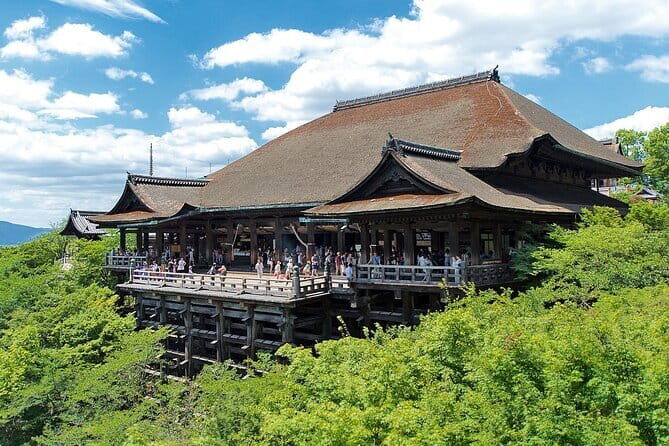
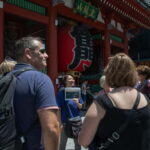
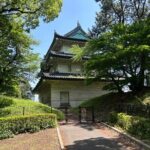
Next is Zojoji Temple, one of Tokyo’s well-known religious sites. The tour includes a guide-led visit focusing on the temple and its history, plus a sutra copying experience. Whether or not you consider yourself spiritual, this is the kind of activity that makes the visit stick.
Sutra copying is hands-on and requires focus. It’s not about producing perfect calligraphy for the internet. It’s about doing the work slowly, following the process, and taking a moment away from the rush of transit and shopping.
This stop also makes the tour feel more than a highlight reel. A market can be fun, and a tower view is great, but a temple activity gives you something grounded. It adds meaning to the day, and it’s a nice break from the constant movement.
Respect is the whole rule here
Keep your attention on the guide instructions and the activity itself. If you’re tempted to talk loudly or speed through for the next photo, pause and remember this is a working sacred place.
Tokyo Tower: the classic skyline finish
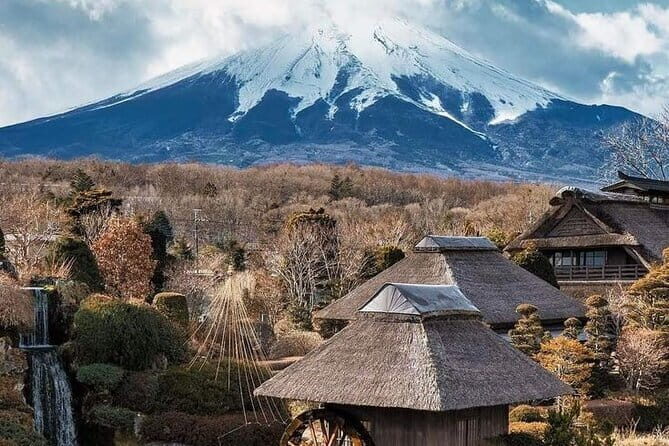
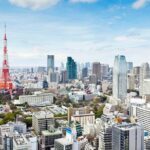
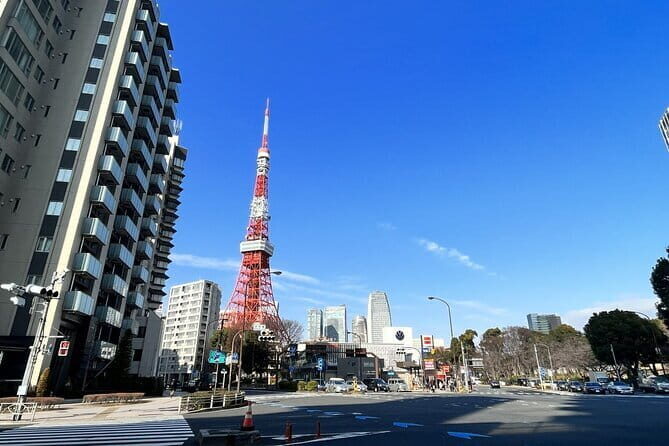
To wrap up, you head to Tokyo Tower for an observation deck visit. The tour includes the ticket, so you won’t spend the last hour figuring out entry details.
Tokyo Tower has a retro feel, and that matters more than you might think. In a city full of sleek modern architecture, it gives you a different kind of landmark satisfaction. From the observation area, you get a sense of scale: how dense the city is, how neighborhoods layer into each other, and where your morning route likely came from in the bigger map of Tokyo.
This is also a smart landing spot because it’s familiar and easy to orient from afterward. The tour ends near Akabanebashi Station, and your guide can help with getting back to your hotel or onward to your next stop.
Timing note
Since this is near the end of an 8+ hour day, keep your energy for the ascent and viewing time. If you’re starting to flag, this is where a quick snack and water will help more than you’d expect.
Pacing, walking, and getting around without stress

This tour runs about 8 hours 15 minutes and is designed as a walking day supported by public transport. A big part of the experience is outdoors time, so plan for weather. If it’s hot, you’ll want shade breaks when they’re offered. If it’s rainy, keep a light rain layer handy so you’re not miserable in photos or waiting areas.
You’ll also want to think about shoes. This is not a sneakers-only stroll; it’s an all-day route with temple floors, garden paths, market walkways, and transit between stops.
Transport inside the tour includes a train segment from Ningyocho Station to Tsukiji Station, but you still handle transit before the start and after the finish. The tour begins at Hamacho Station (Nihonbashihamachō) and ends at Akabanebashi Station.
Small planning move that pays off
Before you go, take a minute to check where Hamacho and Akabanebashi fit into your lodging area. Even if you’ll use the guide, it reduces last-minute anxiety when you’re tired at the end.
Price and value: what $166.85 buys you
At $166.85 per person, this isn’t a budget-only option, but it’s not just paying for a guide and a walk. The included items cover several major costs that add up in Tokyo:
- Train fee from Ningyocho to Tsukiji
- Hama Rikyu Gardens admission
- Tea house experience (tea and sweet)
- Zojoji Temple sutra copying experience fee
- Tokyo Tower ticket
- Local English speaking guide
Food and drink aren’t included. That means you should budget separately for your own snacks, drinks, and any meals you want during the market time. The upside is that you’re free to choose what you like, rather than being locked into a set meal you might not want.
I think the value is strongest if you care about the included “experiences” more than just sightseeing. Garden tea, sutra copying, and a Tokyo Tower ticket are exactly the kind of things that cost money and time to arrange on your own. Also, the cap of up to 15 travelers keeps the day more manageable than large group tours.
Who the price makes sense for
If you want a structured day with a guide plus built-in tickets, this price can feel fair. If you only want to sample the market and take a couple photos, you might not feel the same value. The tour’s strength is in the specific activities that are already handled for you.
Who should book this Tokyo walking tour
This is a great fit if you want Tokyo to feel human and layered. You’re not just collecting famous stops; you’re seeing how different parts of Japanese culture show up in one day: sports tradition, food culture, garden calm, temple practice, and skyline spectacle.
I’d especially recommend it if:
- You like guided context and don’t want to figure out everything alone
- You’re curious about sumo as a tradition, not only as a TV concept
- You want at least one hands-on activity, like sutra copying
- You enjoy a day that moves steadily, with time to breathe at key stops
It might be less ideal if:
- You hate walking for long stretches outdoors
- You need guaranteed sumo training visibility (the schedule can change, and tournaments affect training)
- You want meals and drinks included in the price
Should you book it?
I’d book this tour if you want a well-paced day that connects Tokyo’s biggest themes without feeling like a random line-up of attractions. The included tickets and experiences help justify the cost, and the mixture of guided stops plus free time gives you room to make it yours.
Just be honest about the only big wildcard: sumo training can be affected by the beya schedule and tournament closures, especially around January, May, and September. If that’s the make-or-break part of your trip, check your travel dates carefully and go in with flexible expectations.
FAQ
How long is the Tokyo Walking Tour?
It runs for about 8 hours 15 minutes.
Is the tour mostly walking?
Yes. The tour includes several hours of walking outdoors and uses public transport.
What’s included in the tour price?
Included items cover train fee from Ningyocho to Tsukiji, admission to Hama Rikyu Gardens, the Hama Rikyu tea house experience, the Zojoji sutra copying fee, and Tokyo Tower ticket, plus a local English speaking guide.
Is food and drink included?
No. Food and drink are not included, even though you’ll have time to sample foods at Tsukiji Outer Market.
Can I always see sumo training?
No. The sumo schedule is subject to change, and sometimes the wrestlers may not be training. Training is also closed during certain weeks when Grand Sumo Tournaments are held in January, May, and September.
Where does the tour start and end?
It starts at Hamacho Station and ends near Akabanebashi Station. The guide can help you with transport back afterward.
Is there free cancellation?
Yes, free cancellation is available up to 24 hours in advance for a full refund.