REVIEW · TOKYO
Tokyo’s Upmarket District: Explore Ginza with a Local Guide
Book on GetYourGuide →Operated by City Unscripted · Bookable on GetYourGuide
Ginza can feel like a maze. This tour helps you turn the sparkle into a simple plan with a matched guide.
You get a fully customizable itinerary that fits your interests and your time, whether you want serious shopping, theater culture, or quieter side streets.
Two things I really like: you’re not stuck with a canned script, and you get practical advice about what to see and where it’s worth spending money. One tradeoff is that food, drinks, and any tickets aren’t included, so you’ll want to budget a bit extra if you plan to eat on the walk—or if you want ticketed sights.
In This Review
- Key highlights you’ll feel fast
- Meeting at Mitsukoshi Ginza’s Lion and starting with direction
- How a 2–4 hour private walk in Ginza stays flexible (without getting chaotic)
- The Ginza “catwalk” effect: department stores, icons, and smart shopping stops
- Kabukiza for culture: when theater becomes part of your stroll
- Yurakucho Gado-shita: under-the-rail dining for the real Tokyo feeling
- Toy Park and kid-friendly magic at Hakuhinkan
- Luxury dining or classic kabuki-adjacent spots: how guides help you choose
- Price and value: what $64 per person really buys
- Who will love this tour most
- Tips to get the most from your 2–4 hours in Ginza
- Should you book this Ginza with a Local Guide?
- FAQ
- How long is the Ginza tour?
- How much does it cost?
- Is this tour private?
- What languages are available for the guide?
- Is pickup from my hotel included?
- Where do we meet?
- Is food or drink included?
- Are tickets included for attractions?
- Is the tour wheelchair accessible?
- What if I need to cancel?
Key highlights you’ll feel fast
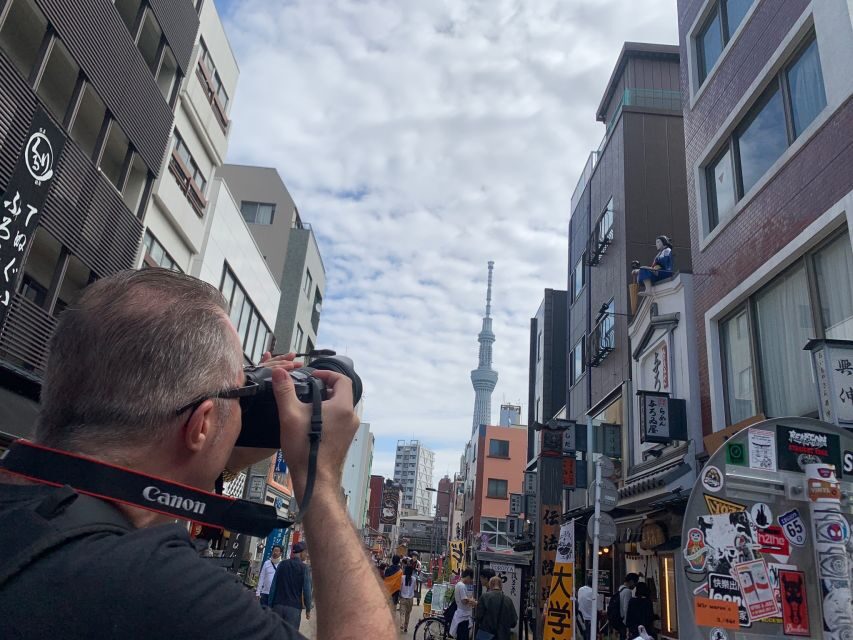
- A guide matched to your interests so the walk doesn’t feel random
- Ginza classics plus side streets, from big department stores to under-rail alley dining
- 2–4 hours of real flexibility, with the route adjusted on the spot
- Shopping help that saves money, including suggestions for less-expensive stores nearby
- English or Japanese guide support for easier back-and-forth
- Private group format (typically up to 6 people) for a calmer pace
Meeting at Mitsukoshi Ginza’s Lion and starting with direction
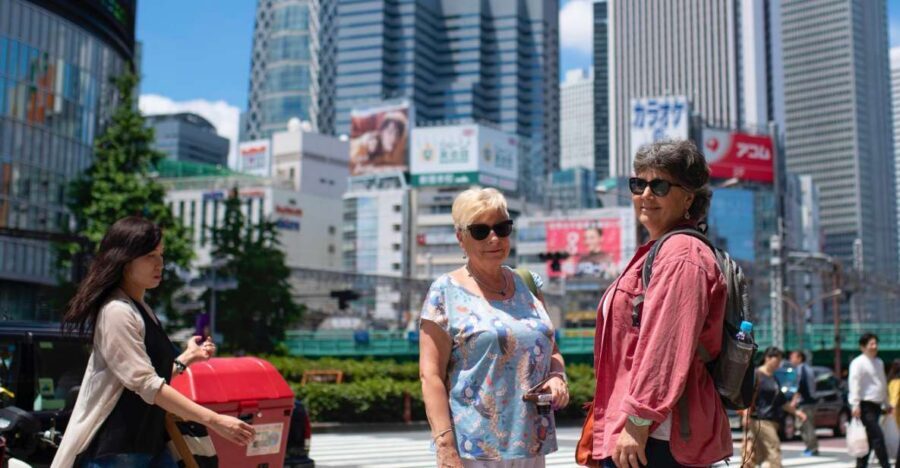
Your tour starts right where you want to begin in Ginza: next to the main entrance to Mitsukoshi Ginza, by the Lion Sculpture. This matters more than it sounds, because Ginza’s landmark-dense blocks can make first-time navigation harder than you’d expect.
If you’re staying close enough, you can also get pickup from your accommodation (the operator says within a reasonable distance). That’s a nice buffer against jet lag, especially if you’re trying to make the most of a short stay.
You’ll be contacted within 24 hours to talk through your interests and requests, and then you’ll be paired with a guide. That pairing is the heart of the experience: some people come for department stores and design brands, others want kabuki culture, and some want snack stops and tea shops. The tour is built to respond to that.
Also note the tour is a private walking experience with wheelchair accessibility. If you need a slower pace, or you want to limit steps, you can usually shape the route around that during your walk.
You can also read our reviews of more guided tours in Tokyo

How a 2–4 hour private walk in Ginza stays flexible (without getting chaotic)
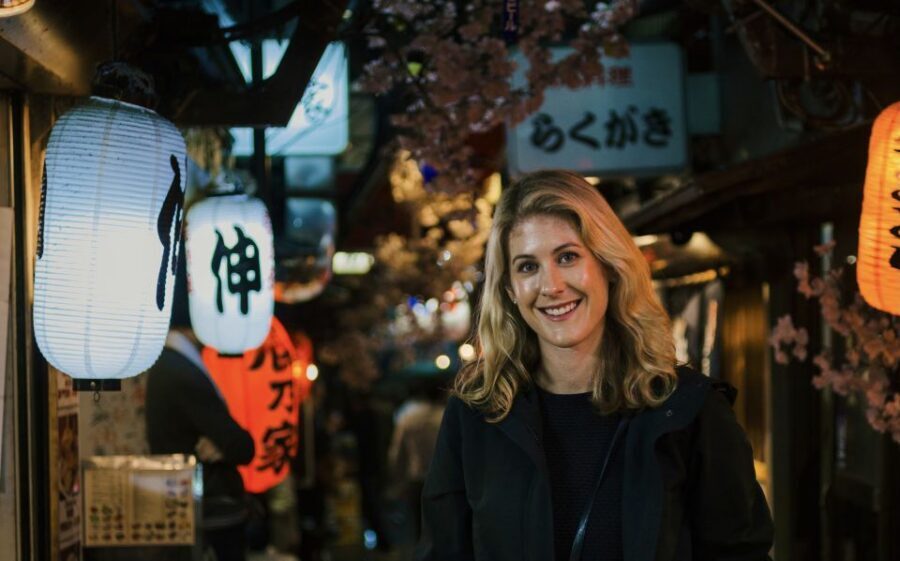
Ginza is famous for luxury, but on foot it’s also about flow—how blocks connect, where people queue, and which streets make you stop and look. The walking format helps you feel the district rather than just “see it.”
Your time window is 2 to 4 hours, and that range is meaningful. In a tight 2-hour plan, you’ll likely do fewer stops but still get a focused route. In 4 hours, you can fit in a mix of shopping streets, a cultural stop, and an eat-and-walk segment—without rushing.
Private usually means you get more back-and-forth. The operator lists private groups typically as no larger than 6 people. That matters because you’re more likely to get route adjustments that match your pace—especially if your group includes kids, adults shopping at different speeds, or someone who prefers architecture over stores.
Your guide can also change the direction during the tour. That flexibility is great if you spot something you didn’t plan for—like a shop window that matches your style, or a quiet food corridor that looks perfect right now.
Only caution: since the tour is walking-first, you’ll want comfortable shoes. The operator can arrange other transportation for an added cost, but the standard plan is on foot.
The Ginza “catwalk” effect: department stores, icons, and smart shopping stops
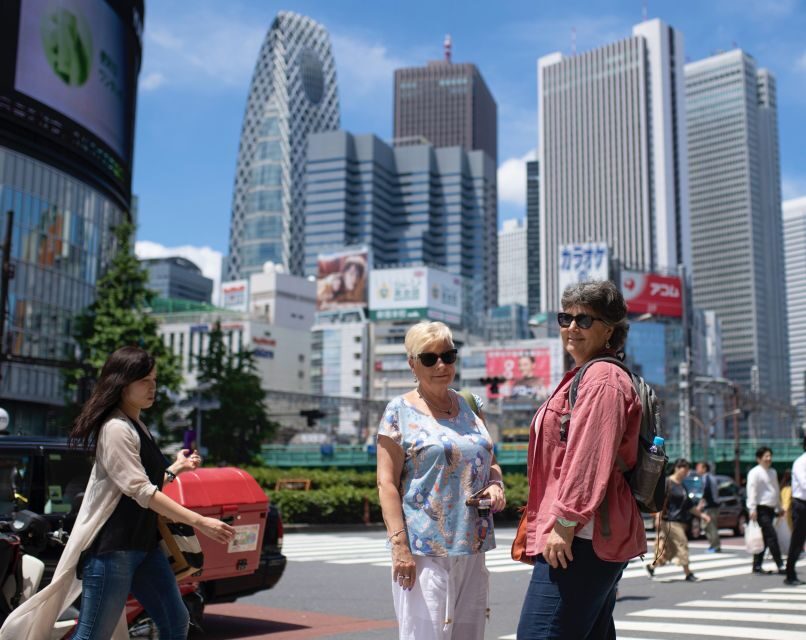
If your idea of Ginza includes iconic stores, this is where the tour earns its keep. You can expect a route that may include major department-store names in the area, plus landmark shopping references your guide will know how to thread into your time.
One stop option mentioned is Wako, a luxury goods department with an iconic clock tower. Even if you don’t buy anything, this is the kind of place where the architecture and display culture make you slow down and look—and your guide can explain what you’re seeing in plain terms.
Another key factor: guides don’t just point at famous brands; they help you decide where money makes sense. The tour includes suggestions for the best shopping in the Ginza area, and that often translates into practical choices like:
- where you can browse without feeling pressured
- what kind of stores match your budget
- where you might find similar styles at less expensive shops nearby
A nice detail from the experience style: the itinerary is designed around you, not around a checklist. So if you’re a browsing shopper, you’ll get route order that reduces backtracking. If you want specific categories—beauty, fashion, crafts, or gifts—you can steer the plan that way.
And yes, you’ll likely get plenty of window-shopping energy. Ginza is built for that. Your guide’s job is to keep it from turning into aimless wandering.
Kabukiza for culture: when theater becomes part of your stroll
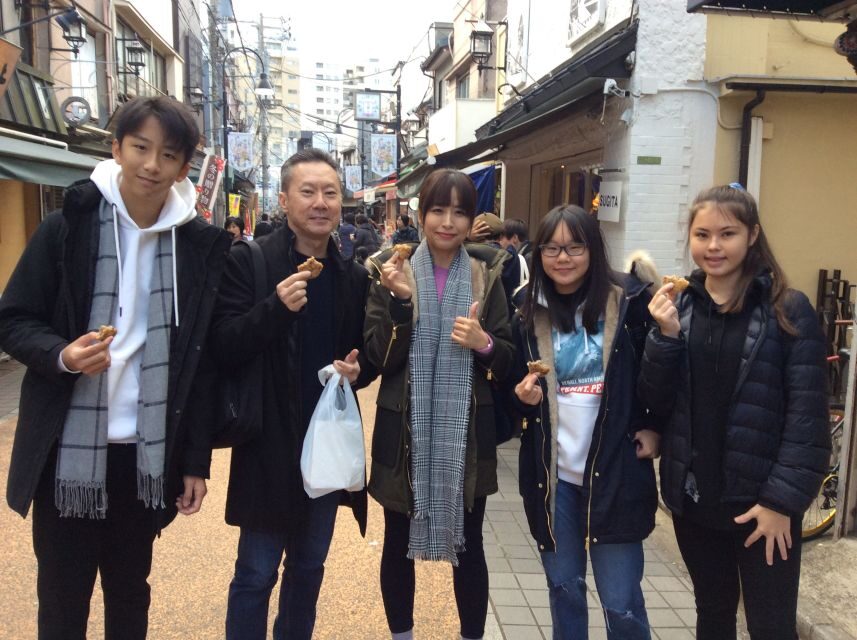
Ginza isn’t only about shopping. It also has formal culture right in the center of all that shine. One stop option is Kabukiza, a theater venue for kabuki, Japan’s classic dramatic art.
Why include this in a shopping district tour? Because it changes the mood. You go from polished retail streets to a place with a clear purpose and deeper context. Even if you don’t catch a performance, your guide can still help you understand why kabuki matters and how Ginza plays a role in keeping that tradition visible.
This is a good move if:
- you’re interested in Japanese arts but don’t want a full-day museum plan
- you want a break from shopping after an intense shopping hour
- you’re traveling with someone who gets tired of retail
One practical note: tickets aren’t included, so if you want a show, you’ll need to arrange that separately. Your guide can help with what to consider, but you should still plan your schedule around showtimes.
Yurakucho Gado-shita: under-the-rail dining for the real Tokyo feeling
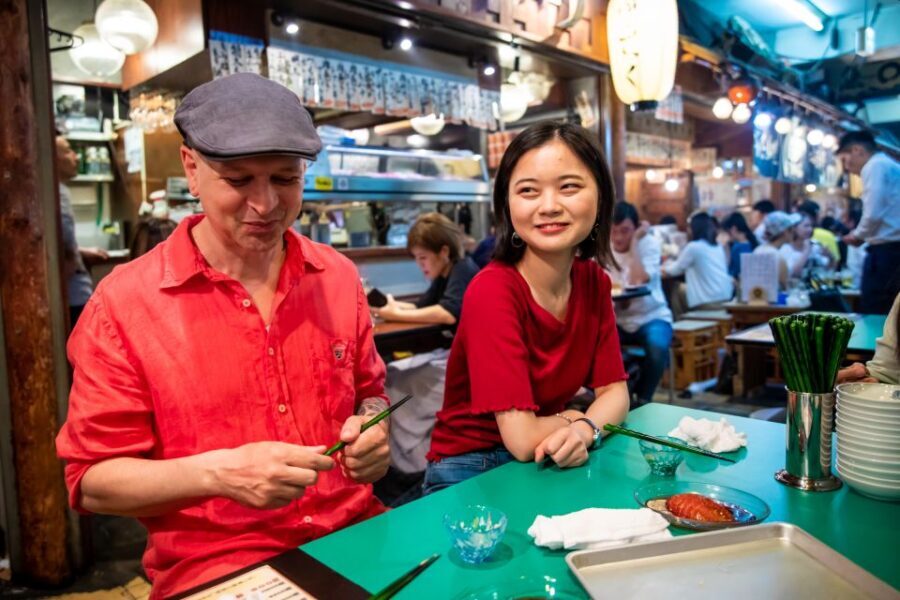
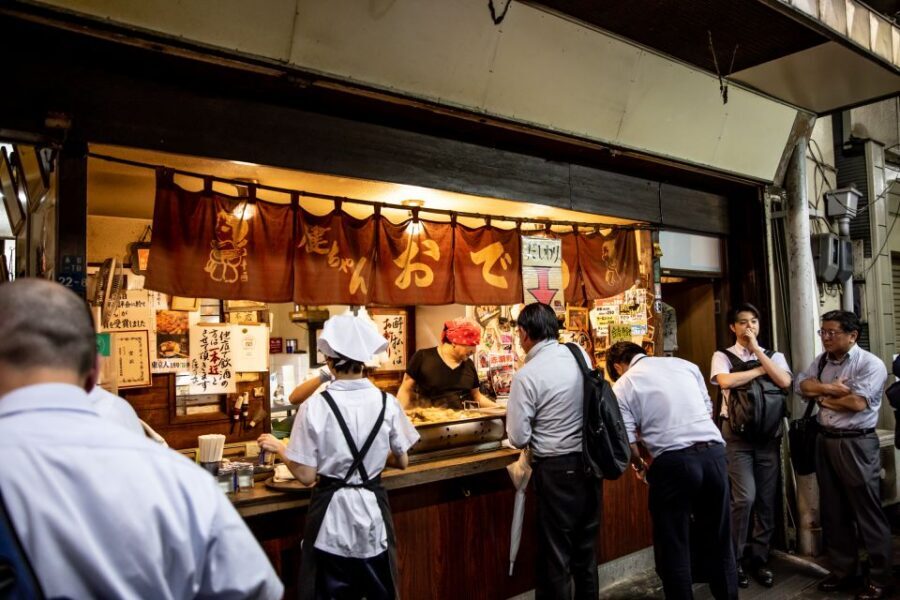
If you’re trying to avoid Ginza turning into all glass and no personality, ask your guide about the area called Yurakucho Gado-shita. This is described as a collection of tiny restaurants built under the Yamanote railway line, serving everything from French wine to cheaper local street-food style bites.
This stop changes the whole flavor of your tour. It’s less about display and more about everyday life—where people go to eat, talk, and move on. And because it’s tucked under the rail, it can feel worlds away from the bright main streets.
It’s also a smart way to handle food on a customizable tour. Food and drinks aren’t included, but your guide can point you to options based on what you want to spend and what you can eat.
One review highlights a guide’s help finding vegetarian lunch options, which is exactly the kind of real-world support you’ll want here. If your group has dietary needs, put that early in your message. A good guide will build the route around it rather than treating it like an afterthought.
Drawback to consider: this is a walking tour with restaurant options, so timing matters. If you’re trying to squeeze in shopping before a late dinner reservation, make sure your guide knows your hard deadlines.






Toy Park and kid-friendly magic at Hakuhinkan
Ginza can be fun for all ages, not just serious shoppers. If you’re traveling with kids—or if you’re young at heart—the tour can include Hakuhinkan Toy Park. It’s known for big, playful displays like large stuffed toys and plenty of other goodies.
This is one of those stops that gives you an instant “Tokyo moment.” It’s also a helpful break from long shopping stretches because it’s low pressure. You can browse, take photos if that’s your thing, and buy only if something really sparks joy.
For families, having a guide makes the experience easier. You avoid the stress of guessing which store is worth the detour. For adults, it’s a reminder that Ginza isn’t only about luxury. It’s also about fun, design, and collectible culture.
Luxury dining or classic kabuki-adjacent spots: how guides help you choose
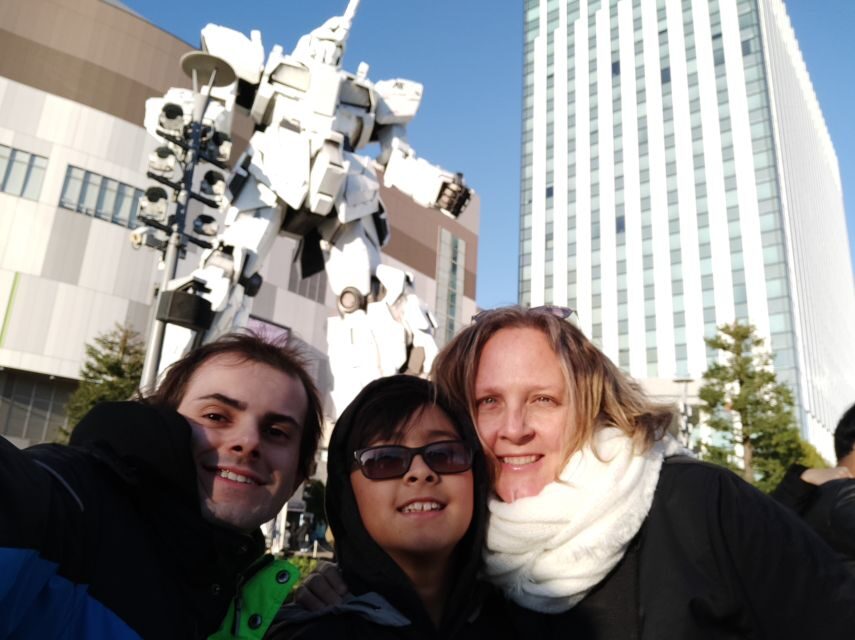
The experience information also mentions higher-end dining as an option, like The Grand 47, described as a modern take on classic Japanese cuisine.
Why bring this up when food isn’t included? Because the tour is designed to steer you toward the right level of plan. If you want a dinner-heavy day, your guide can suggest a route that positions you well for that. If your idea is lighter meals instead of a full sit-down, they can adjust.
A practical takeaway: since food and drinks are not included, your “value” comes from what you avoid. You avoid wasting time searching, and you avoid walking into restaurants that don’t fit your budget or dietary needs. That’s where the local guidance pays back.
Also, tickets aren’t included for attractions. If a stop needs timed entry, it will be your responsibility to plan it. Your guide can guide you on what to consider, but the tour isn’t selling tickets as part of the package.
Price and value: what $64 per person really buys
At $64 per person for a 2–4 hour private tour, the price is easiest to judge by what’s included: a local host, personalized planning, and walking-based routing. You’re paying for decision-making help, not just sightseeing.
The tour includes:
- local host and private, personalized experience
- walking tour (other transportation can be arranged for extra cost)
- pickup from your accommodation if it’s within reasonable distance
- guide support in English or Japanese
It does not include:
- food and drinks
- tickets
- transportation to and from the meeting point
- transportation during the tour (unless arranged as an add-on)
So the math works best if you plan to use that advice. If you show up with no idea what you want, you’ll still see Ginza—but you might not get full value from the guide-matching and shopping counsel.
The price is also more attractive than it looks if you’re comparing it to the cost of a full “private day” with multiple paid attractions. Here, you keep it flexible and focused on the things you’ll actually do.
One more consideration: the experience score is high (rating 4.5 from 26 reviews), but any private-guide format can vary person to person. One low rating reported poor explanation. My practical advice: set expectations early. Tell your guide what kind of storytelling you want—quick facts, longer context, or mostly practical guidance.
Who will love this tour most
This Ginza plan fits best if you want control. If you like choosing your own pace, this is your sweet spot.
You’ll likely enjoy it if:
- you’re shopping and want smart suggestions, not just a list of store names
- you want a mix of luxury streets and cultural stops like Kabukiza
- you want a real Tokyo food angle with places like Yurakucho Gado-shita
- you have kids and want a playful break like Hakuhinkan Toy Park
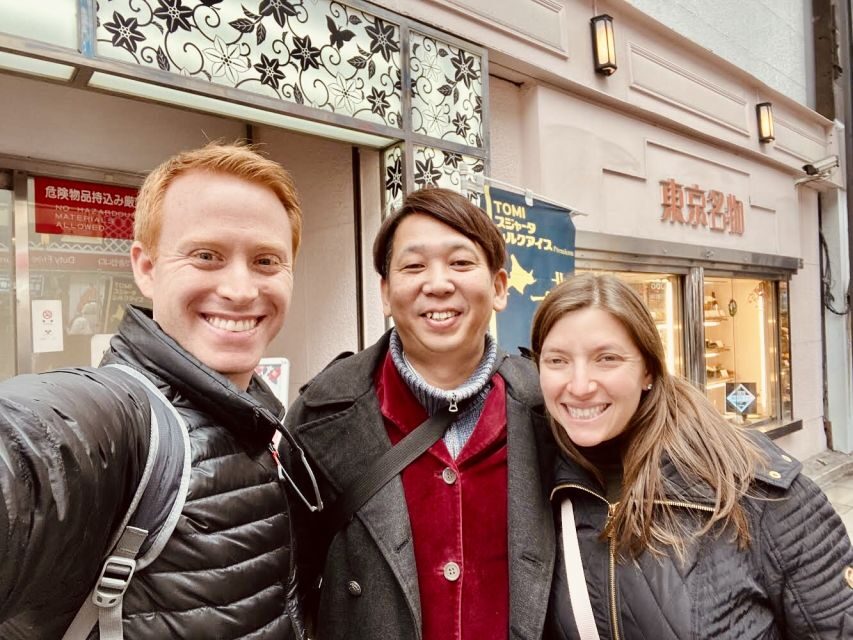
It’s also good for people who value help with small details. In the feedback I saw, guides like Shoko were described as talkative and kind, Noriko as going above what people expected, and Alberto as strong on interesting historic context. Those aren’t guaranteed outcomes, but they point to the kind of guide quality the experience aims for.
If you’re someone who just wants passive sightseeing with zero decisions, this might feel too customizable. The best way to fix that is to ask your guide for a simple “one shopping street + one culture stop + one food stop” plan.
Tips to get the most from your 2–4 hours in Ginza
Your messages before the tour matter. If the itinerary is truly personalized, then your preferences should drive it.
Send your guide:
- your rough time target (2 hours vs 4 hours)
- what you want most: shopping, culture, food, or a mix
- dietary needs (if any), since food isn’t included
- whether you want more talking or mostly quiet guidance
I’d also ask your guide to include at least one “Ginza contrast” stop. For many people, that means pairing a major store area with a food spot under the rail like Gado-shita, or adding Kabukiza so the day isn’t only shopping sparkle.
Finally, pick one thing to buy (even if it’s small). Ginza can make you feel like everything is expensive. With guidance, you’ll avoid impulse spending and find better value for the items you actually care about.
Should you book this Ginza with a Local Guide?
Book it if you want the easiest way to experience Ginza with fewer wrong turns. The tour’s biggest strength is that it adapts: you get a matched guide, a route built around your interests, and shopping advice that can help your budget go further.
Skip or rethink it if you’re looking for an attraction-only tour where tickets and meals are handled for you. Food, drinks, and tickets are not included, and the tour is primarily walking—so you’ll need to plan around that.
If you’re doing Ginza for the first time, or you only have a half-day, this format is one of the smartest ways to make the district feel personal instead of overwhelming. Just be clear about what you want from the walk, and you’ll get a much better payoff from that $64 per person.
FAQ
How long is the Ginza tour?
It runs for 2 to 4 hours, depending on the plan your guide builds for you.
How much does it cost?
The price is listed as $64 per person.
Is this tour private?
Yes. It’s a private group. Private groups are normally no larger than 6 people.
What languages are available for the guide?
The guide is listed as English and Japanese.
Is pickup from my hotel included?
Pickup from your accommodation is included if you’re within a reasonable distance.
Where do we meet?
The host waits next to the Lion Sculpture, located next to the main entrance to Mitsukoshi Ginza.
Is food or drink included?
No. Food and drinks are not included.
Are tickets included for attractions?
No. Any tickets to attractions are not included.
Is the tour wheelchair accessible?
Yes, it is listed as wheelchair accessible.
What if I need to cancel?
The activity offers free cancellation up to 24 hours in advance for a full refund.