REVIEW · TOKYO
Ueno and Yanaka Culture Art Walking Tour in Old Tokyo
Book on Viator →Operated by Snow Monkey Resorts Tours (Machinovate Japan Ltd.) · Bookable on Viator
Old Tokyo feels close on foot. This guided Ueno and Yanaka walking day strings together temple-and-museum Ueno with the quieter “lower city” feel of Yanaka, led by English-speaking guide Beth. I like that it’s not just sightseeing blocks; it’s a guided story of how this part of Tokyo works, down to the small details.
I also love the way Beth helps you slow down and notice what you would normally pass by, from museum building features to shrine stops that many people rush through. One consideration: the tour involves several hours of outdoor walking, so you’ll want comfortable shoes and a plan for weather.
In This Review
- Key highlights worth planning around
- Why Ueno and Yanaka makes a strong Tokyo culture day
- Getting there and managing the walking route
- National Museum of Nature and Science: start with iconic big exhibits
- Ueno Park temples, shrines, and a lake break from traffic
- Ameyoko Shopping Street: history first, lunch break second
- Yanaka District: step into Shitamachi and see art where it was made
- Yanaka Ginza: calm shopping streets and cat-town charm
- Yanaka Cemetery: peace, Buddhist statues, and a quiet way to end
- Price and logistics: does $148.93 feel worth it?
- The best time for this tour and who it suits
- What the guide adds (and why Beth stands out)
- Should you book the Ueno and Yanaka Culture Art Walking Tour?
- FAQ
- FAQ
- How long is the Ueno and Yanaka Culture Art Walking Tour?
- What time does the tour start and where do I meet?
- Where does the tour end?
- Do I need to buy museum tickets?
- Is food included?
- Is the tour conducted by a vehicle?
- How big are the groups?
- Is the guide available in English?
- What is the cancellation policy?
Key highlights worth planning around
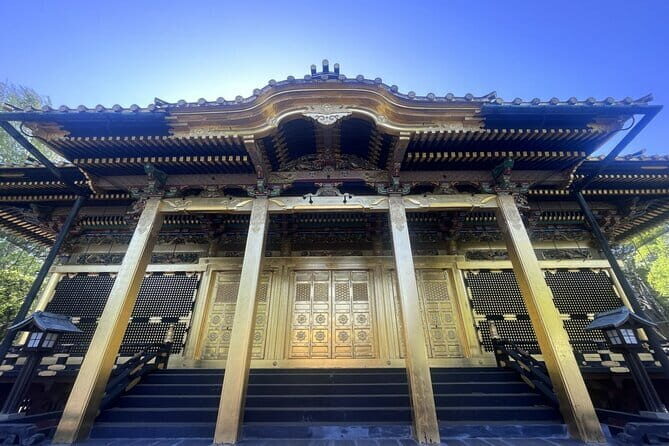
- Guide Beth’s teaching style: she’s friendly, answers questions, and makes history feel practical instead of textbook.
- Big indoor start, then outdoor calm: a major science museum followed by Ueno Park’s temples, shrines, and lake time.
- Ameyoko with guided context: you get the area’s background, then you’re free to handle your own lunch break.
- Yanaka’s Shitamachi vibe: older streets, traditional atmosphere, and a slower pace compared with much of central Tokyo.
- Cat-themed Yanaka Ginza: a fun, low-key stroll where you can spot cat statues and cat-related items.
- A peaceful ending at Yanaka Cemetery: temple statues and quiet walking that balances the busier shopping stretch.
Why Ueno and Yanaka makes a strong Tokyo culture day
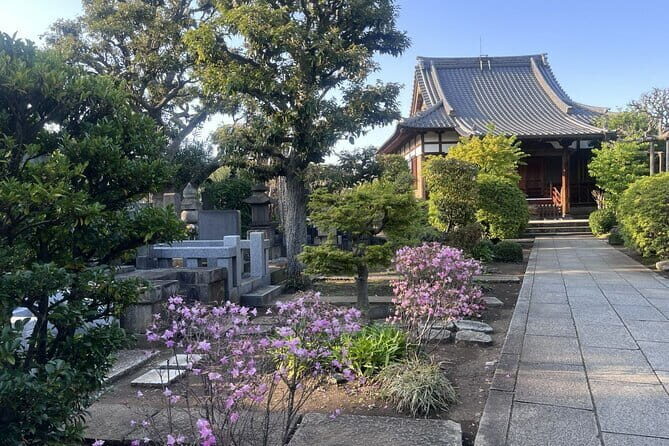
If you want Tokyo at two speeds, this tour hits the mark. You start in a major museum zone, shift into the park’s calm, then move into Yanaka’s older neighborhood rhythm where side streets feel more human.
Ueno and Yanaka also work well together because they contrast clearly. Ueno gives you heritage buildings, shrines, and a classic Tokyo cultural hub. Yanaka feels like the older “lower city” Tokyo—more traditional, more local, and gentler on the senses.
You can also read our reviews of more walking tours in Tokyo

Getting there and managing the walking route
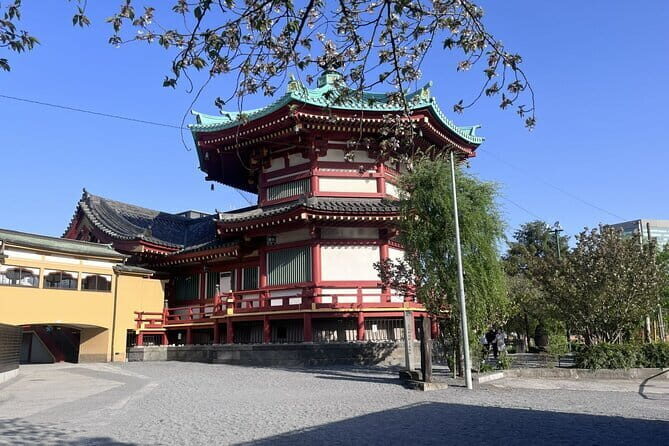
This is a walking tour with no private vehicle. You’ll spend several hours outdoors, so build your day around comfortable movement rather than hopping between far-flung spots by train.
Start at Ueno Station at 7 Chome-1 Ueno, Taito City. The tour begins at 9:30 am, and you’ll want to get close to the PARK GATE exit when arriving via the JR Yamanote Line.
The tour ends at Nippori Station (2 Chome-19 Nishinippori, Arakawa City). That’s a nice setup if you want to continue exploring after the walking day, since you won’t be returning to your exact starting point.
National Museum of Nature and Science: start with iconic big exhibits
The day opens at the National Museum of Nature and Science, with an intro from your English-speaking guide. You’ll get a quick sense of the museum’s background and what to focus on, which matters because this is one of those places where wandering alone can turn into aimless clock-watching.
You’ll be shown some of the museum’s headline attractions, including a life-sized blue whale model, a steam locomotive, and taxidermied specimens. Those are the kinds of visuals that make you stop, look longer, and come out with a real sense of what the museum is about.
A guided start also helps with layout. Instead of trying to pick the “right” rooms, you’re pointed toward the main highlights and the story behind them—so even if you’re not a deep museum person, you’ll still feel like you got your money’s worth.
Ueno Park temples, shrines, and a lake break from traffic
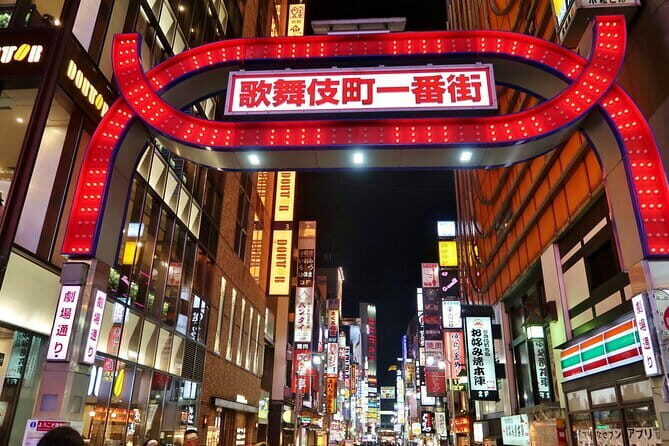
After the museum, you head into Ueno Park. This is where the tour slows down, because you’re walking through green space to reach temples, shrines, and the lake.
This stop is valuable because Ueno Park isn’t just pretty. It’s one of Tokyo’s key heritage zones, and the guided pacing helps you spot the spiritual and historic elements you’d likely miss if you arrived with only a map and a vague plan.
You also have an admission component tied to Toshogu Shrine, which fits naturally into this shrine-and-temple portion of the day. The park walk is also a useful mental reset: after busy city streets, the open space helps you breathe and re-focus.
One practical note: because you’ll be outside, you’ll feel the weather. If it’s a warm day, you’ll appreciate shaded paths and the chance to take pauses as you move between sacred sites.
Ameyoko Shopping Street: history first, lunch break second
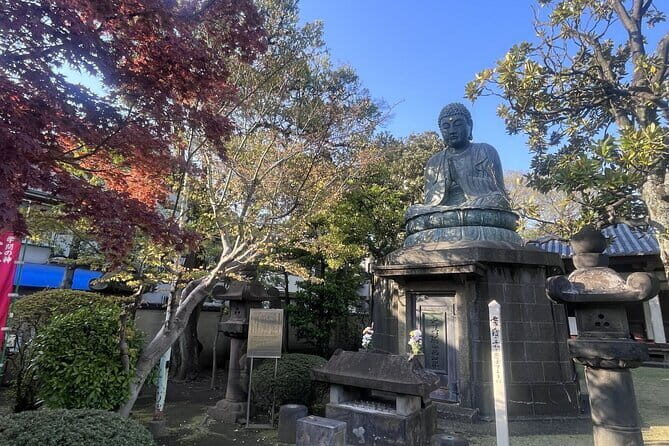
Next is Ameyoko Shopping Street, the classic old-style shopping arcade area near Ueno. You’ll get a guided explanation of the neighborhood’s history and why it became such a well-known stop in Tokyo.
Then comes the part that often makes or breaks a walking tour: time to handle your own food. The tour includes an Ameyoko segment with a lunch break, but food and drink are not included, so you’ll want to budget for your meal on your own during that window.
Ameyoko also helps you experience Tokyo in a different way than shrines. It’s everyday commerce, busy sounds, and the kind of street energy that feels very “Tokyo now,” even though it’s shaped by older shopping traditions.
If you’re trying to maximize value, this stop is one reason the tour makes sense. You get context from the guide, then you can choose what fits your tastes for lunch—without spending the entire time searching.






Yanaka District: step into Shitamachi and see art where it was made

After Ueno, the route heads into Yanaka District, which is often described as a more traditional, less tourist-heavy slice of Tokyo. The tour frames Yanaka as a classic Shitamachi experience—the lower city feel with older atmosphere and quieter street character.
You’ll visit a Yanaka history and art-related museum where the space served as the workshop and family house of a famous Japanese sculptor. That detail changes the feel of the visit. It’s not just an art display; it’s a place connected to the person who created the work.
This stop tends to work well because it adds variety to the day. After museum crowds and shrine walks, you get something smaller and more personal—an art stop that also carries the story of how work and family life intertwined.
Admission is included here, so you don’t have to make extra ticket decisions in the middle of your walking day.
Yanaka Ginza: calm shopping streets and cat-town charm
Then you shift to Yanaka Ginza Shopping Street, a guided walk through a quieter commercial strip. This part of the tour is where the pace feels most relaxed, because Yanaka’s street mood is gentler than major central districts.
It’s also famously cat-themed. During the walk, you’ll be looking out for cat statues and cat-themed items along the street. Even if you’re not a souvenir person, this adds an extra layer of fun to the stroll—you notice things and small details more than you would on a strict sightseeing route.
This stop is also a nice “between-world” moment. You’ve done museum and shrines earlier, and now you get shopping street texture without the high-pressure feel of a big tourist market.
Yanaka Cemetery: peace, Buddhist statues, and a quiet way to end

The final stretch takes you to Yanaka Cemetery, starting with a Buddhist temple visit. You’ll see impressive Buddha statues and have a chance to rest amid the calmer atmosphere.
This stop is a great way to end a long day because it changes the tempo one last time. After walking and shopping streets, the cemetery walk gives you space to think and slow down again.
You’ll also walk through the cemetery area and along Sakura-dori. The overall effect is a thoughtful finish: you’re moving, but slowly, and surrounded by a sense of quiet that’s hard to find in Tokyo’s busier neighborhoods.
If you’ve been taking photos all day, this is where your pictures will start looking less like a checklist and more like a story.
Price and logistics: does $148.93 feel worth it?
At $148.93 per person for about 7 hours 30 minutes, the price is not cheap—but it does have built-in value. You’re paying for a guided route that strings together multiple admissions and helps you navigate the day without constantly stopping to plan.
What makes it feel more reasonable is that the tour includes admission fees for the museums and Toshogu Shrine, plus an English-speaking local guide. Without a guide, you’d likely still pay for museum tickets, and you’d still be spending time figuring out what’s worth your limited hours.
The tour also has a small group size: up to 15 travelers. That matters because the more people you have, the more you feel herded. A smaller group usually means better question time, easier pace control, and a calmer experience overall.
One more real-world factor: it’s often booked well in advance (about 185 days on average). That’s a sign this is a popular, in-demand day tour, so you’ll get better odds by reserving early rather than hoping.
The best time for this tour and who it suits
This is ideal if you like Japan that feels lived-in. If you enjoy parks with history, street-level neighborhoods, and guided context that helps you notice details, you’ll likely feel satisfied by the end of the day.
It also suits people who want variety without stress. You get science museum highlights, park heritage, shopping streets, and Yanaka’s quieter older-city feel in one route.
I’d be a little more careful if you hate walking. Since it’s several hours outdoors with no private vehicle, it can feel tiring if your plan is to stay sedentary or if you expect quick pop-in visits.
What the guide adds (and why Beth stands out)
This is where the experience really earns its top rating. Guide Beth is described as excellent, personable, and attentive. She answers questions about Japan, and she seems to read the group rather than force everyone through the same pace.
One helpful detail: when someone ended up at the wrong meeting point, the team was understanding and adapted. That kind of flexibility matters on walking tours because the day depends on starting together.
You also get the sense that Beth highlights details people often skip—especially in Ueno Park and around major sights. That’s not just about having someone point; it’s about teaching you what to look for so the place feels more meaningful when you move on.
Should you book the Ueno and Yanaka Culture Art Walking Tour?
Book it if you want an organized way to see both “big Tokyo culture” (museum and park heritage) and “older Tokyo texture” (Yanaka streets, cat-themed shopping, and a quiet cemetery finish). The guided mix of admissions and street time saves you from building a plan from scratch.
Skip it (or at least think carefully) if you want a light, low-walking schedule or if you mainly want one type of experience, like only museums or only shopping. This tour is balanced on purpose, and the outdoor walking is a core part of how the day works.
If you’re the kind of traveler who likes to learn as you go—history, art, and neighborhood details—this is a strong match, especially with Beth at the helm.
FAQ
FAQ
How long is the Ueno and Yanaka Culture Art Walking Tour?
It runs for about 7 hours 30 minutes.
What time does the tour start and where do I meet?
The tour starts at 9:30 am at Ueno Station (7 Chome-1 Ueno, Taito City, Tokyo).
Where does the tour end?
The tour ends at Nippori Station (2 Chome-19 Nishinippori, Arakawa City, Tokyo).
Do I need to buy museum tickets?
Museum admissions are included, and Toshogu Shrine admission is included as well.
Is food included?
No. Food and drink are not included, so you’ll need to plan your own lunch during the break.
Is the tour conducted by a vehicle?
No. The tour does not use a private vehicle and includes several hours of outdoor walking.
How big are the groups?
The maximum group size is 15 travelers.
Is the guide available in English?
Yes. The tour includes a local English-speaking guide.
What is the cancellation policy?
You can cancel for a full refund up to 24 hours before the experience starts. If you cancel less than 24 hours before, the amount paid is not refunded.