REVIEW · KYOTO
Amanohashidate & Miyama 1-Day Bus Tour: From Osaka/Kyoto w/ Lunch
Book on Viator →Operated by VIP Japan Tours · Bookable on Viator
Two day-trip highlights in one long bus ride. I loved the Amanohashidate cruise and the included lunch, and the guide keeps you oriented at every stop. The only downside is the amount of time sitting in traffic and quick photo stops.
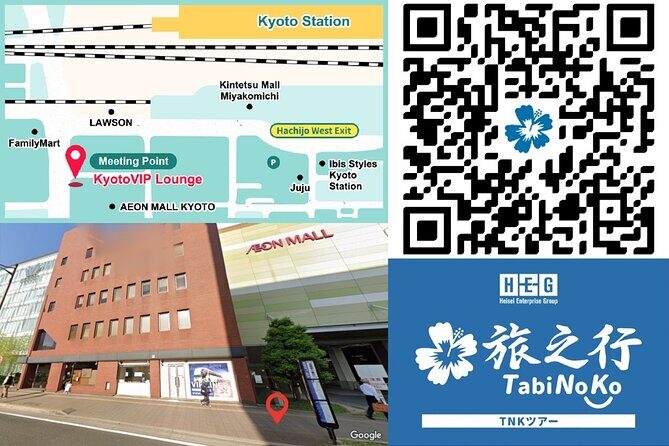
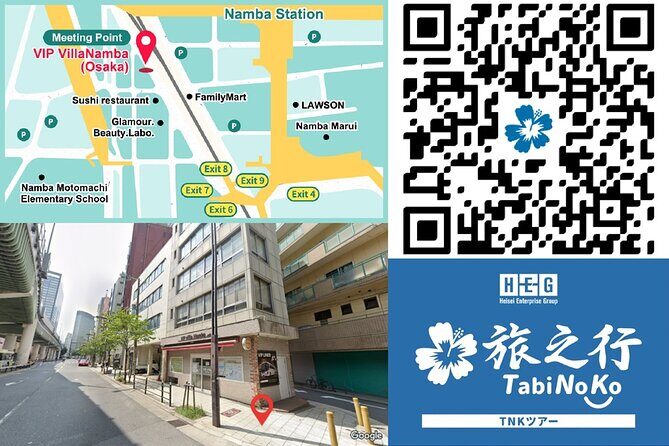
You start from a Kyoto or Osaka meeting spot with no hotel pickup, then ride in an air-conditioned vehicle with onboard commentary. A mobile ticket plus the QR code helps you find the correct meeting spot fast. Guides on different dates can be English- and Mandarin-capable (names like Harry, Eric, and Liu show up on past departures), so you’ll usually get clear explanations.
9–10 hours is a full day, and the schedule moves on purpose. With up to 49 people and the possibility of sharing between English and Mandarin groups, it feels friendly and organized, but not slow. If you’re sensitive to tight seating, know that the bus can feel snug by North American standards.
In This Review
- Key points worth your attention
- Why this Amanohashidate and Miyama combo works
- Price and value: what $97.22 buys you (and what it doesn’t)
- Meeting point rules that can make or break your day
- Stop-by-stop: Chion-ji Temple and the Amanohashidate warm-up
- The Amanohashidate cruise: 12 minutes that set the mood
- Kasamatsu Park: views plus the Matanozoki fun trick
- Miyama village culture: dragon kings, old homes, and indigo
- Kayabuki no Sato: thatched roofs you can actually walk through
- Rurikei Natural Park and Ryuon-ji Temple: views with Zen gravity
- Lunch included: seafood focus, and a smart way to handle diet needs
- Bus time: what to expect and how to stay comfortable
- Who should book this day trip (and who should think twice)
- Should you book this tour?
- FAQ
- How long is the Amanohashidate & Miyama 1-Day Bus Tour?
- Do I need hotel pickup for this tour?
- Is lunch included, and what kind of meal is it?
- What language is the guide?
- Are tickets and admission fees included?
- What luggage can I bring?
- What’s the cancellation policy?
Key points worth your attention
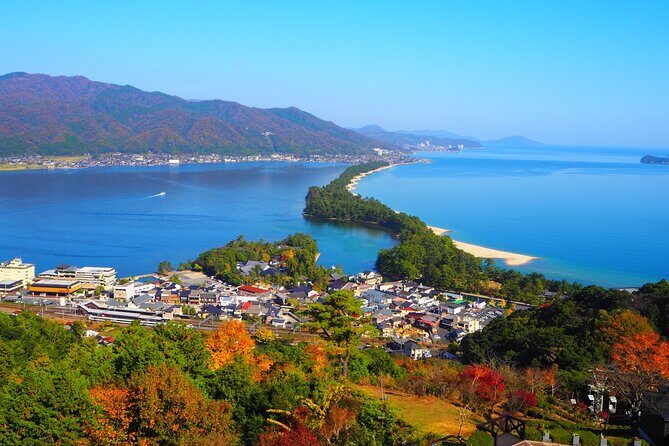
- Amanohashidate cruise paired with panoramic viewpoints
- Kasamatsu Park’s Matanozoki upside-down viewing trick
- Kayabuki no Sato thatched roofs and rural walkable streets
- Little Indigo Museum for textile culture and dye traditions
- Lunch is included and often seafood-forward, including crab legs and shrimp
- A fast-changing schedule means shorter time per stop
Why this Amanohashidate and Miyama combo works
This tour is built for people who want scenery without the logistics headache. You’re combining a famous coastal sight, Amanohashidate, with a rural village feel in Miyama—all in one scheduled day. The big win is that you don’t have to stitch together trains, buses, and timing on your own.
I also like the way the day is structured around “arrive, see, move” moments. You get multiple viewpoints, a boat ride, temple stops, and small culture stops, instead of one long visit that might not match your interests.
The tradeoff is simple: you’re on a bus a lot. If your dream day is slow and wandering, you might feel rushed. If your dream day is checking off two very different regions efficiently, this format fits.
A few more Kyoto tours and experiences worth a look


Price and value: what $97.22 buys you (and what it doesn’t)
At about $97.22 per person, the value comes from three things bundled together: transport, guided stops, and lunch. You also get admissions and fees handled for the included activities, which matters because day trips often nickel-and-dime you once you add entry prices and transport.
What’s not included is hotel pickup and drop-off. That means you’ll spend a little time getting to the meeting point by public transport, then rely on the bus for everything else.
Is it expensive? It’s not cheap. But compared with building the same day yourself—especially with a fixed time window and guided commentary—the package often feels fair. Think of it as buying convenience plus guidance, not just buying tickets.
Meeting point rules that can make or break your day
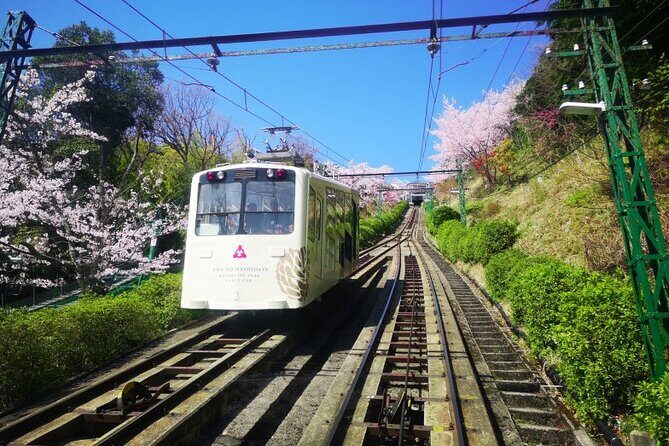
This is one of those tours where details matter. There’s no hotel pickup, so you meet at a chosen departure point that’s near public transportation. You should arrive about 10 minutes before departure, because the bus and guide are tied to that specific meeting location.
The bus departs on time. Late arrivals can miss the tour with no refunds, and schedules can shift due to weather and road traffic. Also, the tour may be canceled if a minimum group size isn’t reached, with notice usually coming about 3–4 days ahead.
Bring one carry-on-style luggage piece per person, and keep valuables on you. The trunk storage has a size limit (total up to 155 cm across height/width/depth), and you won’t be able to access it between stops.
Practical tip: scan the QR code and photo reference from your ticket. It helps you avoid the last-minute scramble of matching the right bus to the right group.
Stop-by-stop: Chion-ji Temple and the Amanohashidate warm-up
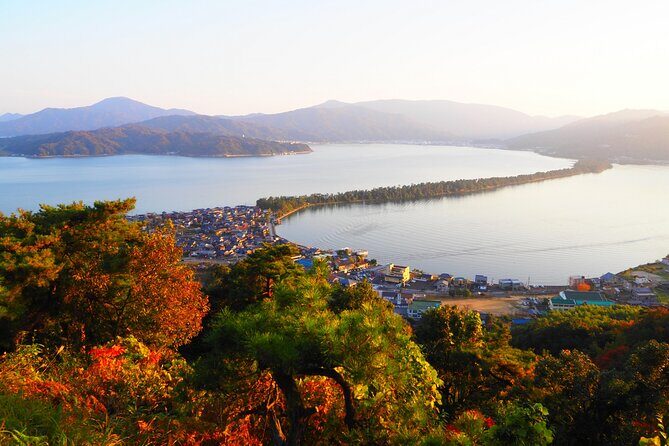
The day starts near the area people come for: Amanohashidate and its sandbar views. Chion-ji Temple is your first steady, calmer moment. It’s a historic Buddhist temple of the Rinzai Zen sect, dedicated to Monju Bosatsu, the Bodhisattva of Wisdom.
This stop is short—around 30 minutes—and admission is free. That’s good for first-timers because you get a taste of the temple setting without losing the day to one single location. The downside is that if you love slow temple wandering, you may want more time than the schedule gives.
If you’re photo-minded, treat this as your “set the frame” moment. Use it to orient yourself for what you’ll see later from the water and observation viewpoints.
The Amanohashidate cruise: 12 minutes that set the mood
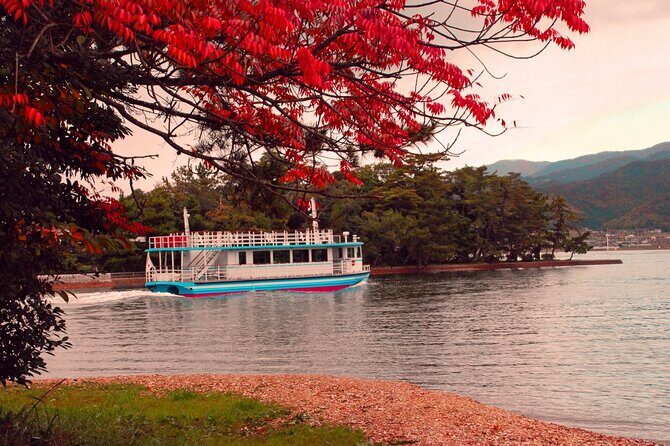
Then comes the main event: an Amanohashidate sightseeing boat ride. Boats run between Amanohashidate Pier and Ichinomiya Pier, and the journey time is about 12 minutes.
It’s short, but that’s the point. You’re not trying to spend half the day on water. You’re using the cruise as a moving perspective—coastline, sandbar shape, and the overall “why everyone talks about this place” feeling.
The cruise ticket is included, so you don’t have to add anything at the pier. Dress for the weather: even on a comfortable day, wind on the water is real. Bring a light layer and keep your phone secure.
A few more Kyoto tours and experiences worth a look


Kasamatsu Park: views plus the Matanozoki fun trick
If I had to pick one “you’ll remember this” stop, it’s Kasamatsu Park. It’s on the northern side of the sandbar and is known for wide, panoramic views.
You’ll get around 50 minutes here, which is enough time to walk to viewpoints, pause for photos, and actually take in what you came for. Admission is included.
The standout feature is the Matanozoki observation angle. You look at the view upside down through your legs—silly, awkward, and oddly effective for getting a different sense of the sandbar’s shape. One of the best parts of the day is that it breaks the “stand and stare” pattern.
Possible drawback: it can feel crowded at the viewpoints. Go slow, and use the walking time to find angles that match your photo style, not just the first spot you reach.
Also, in the schedule you may see another Amanohashidate-viewing temple area or an observatory-type stop with views of the sandbar. In general, the tour keeps stacking viewpoint after viewpoint so you leave with options.
Miyama village culture: dragon kings, old homes, and indigo
After Amanohashidate, the day leans into rural culture and slower rhythms in Miyama. The itinerary includes a shrine dedicated to the Eight Great Dragon Kings, known for its main hall and a well with pure spring water. This kind of stop can feel quick, but it gives you context for how locals think about water, nature, and protection.
Next you’ll get a look at an old hometown experience inside a thatched-roof building. The focus is traditional life and how people lived historically—less about shopping, more about seeing the past in a physical way.
Then there’s the Little Indigo Museum, centered on traditional indigo fabric. You’ll find a workshop, store, and gallery. Even if you don’t buy anything, it’s a strong cultural pause in a day that otherwise runs on views.
You’ll probably spend about an hour across these Miyama culture stops. The tradeoff is that you’re not doing long guided museum-style time. You’re catching the highlights, learning just enough to connect the dots, then moving on.
Kayabuki no Sato: thatched roofs you can actually walk through
The heart of Miyama is Kayabuki no Sato, the thatched-roof village area. This is where you feel the countryside vibe the tour is promising.
You get about 50 minutes here, with admission included. That’s a practical amount of time: enough to walk the village lanes, take in the architecture, and spot views over the river and mountains from a bridge.
The bridge stop matters because it gives you scale. From ground level, you see the thatched roofs. From the bridge, you get the river valley setting that makes the village look like more than a theme set.
One caution: Miyama can be less exciting for people who only want big-ticket “wow” photo moments. It’s more about atmosphere, craft, and quiet scenery than dramatic landmarks. If you’re the type who enjoys ordinary streets and traditional materials, you’ll likely love it.
Rurikei Natural Park and Ryuon-ji Temple: views with Zen gravity
Later in the day you move into the Rurikei Prefectural Natural Park area, which is designated as a Place of Scenic Beauty. This section of the tour works as a buffer between the towns—country roads, greenery, and a steady shift away from the coastal and village highlights.
Then you visit Ryuon-ji Temple, constructed in 1509. It’s a Zen temple and was the family temple of the chief retainer of the Sonobe Clan. It’s particularly known for autumn colors, so if you travel in leaf season you’ll likely appreciate it even more.
As with other stops, the goal is a meaningful glimpse, not an all-day temple marathon. If you’re a temple person, try to stand a minute longer on the observatory-style viewpoint and slow down. It’s easy to rush these parts when the bus schedule keeps ticking.
Lunch included: seafood focus, and a smart way to handle diet needs
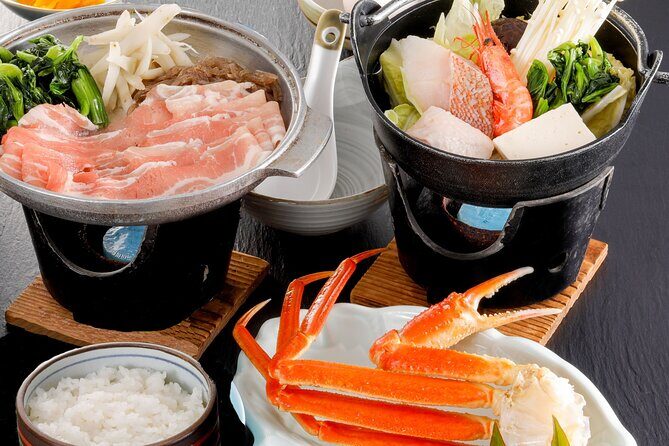
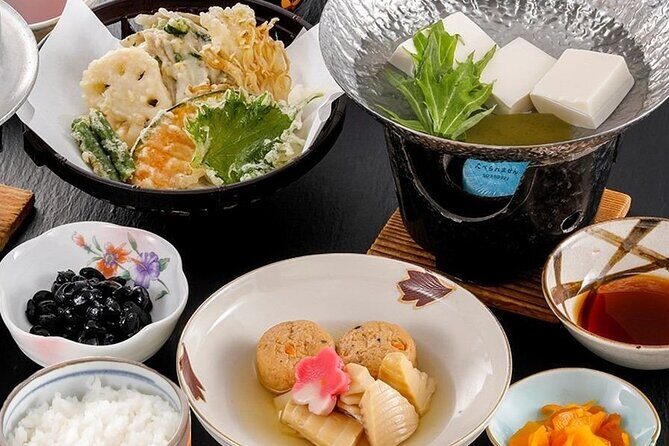
Lunch is included, and that’s a big part of why this day-trip price feels reasonable. In past experiences, the meal has leaned heavily toward seafood—with examples like crab legs, shrimp, and fish.
I like included lunch on tours because it removes a common stress: finding something open, in your budget, with a menu you can actually read. You don’t have to solve it on the fly.
If you have dietary needs, you should still plan ahead. One person reported that their guide arranged a vegetarian option. That doesn’t mean every departure will match every menu, but it tells you it’s possible to ask and work with the guide rather than assuming you’re stuck with whatever is served.
Practical tip: if you’re picky, mention your preference early and keep it simple. You’ll get the smoothest result.
Bus time: what to expect and how to stay comfortable
This is the honest part: the bus rides can be long. One past review described multiple long stretches (often 60–90 minutes at a time), and it makes sense because you’re crossing between regions.
The bus is air-conditioned, and the driver is part of keeping the day on track. Still, seating can feel tight if you’re used to wider North American seats. Bring a small cushion or wear supportive shoes so you can handle the walking between stops.
For the best experience, treat the bus as “transfer time,” not “wasted time.” Use it to rest, do a little offline map checking, and get ready for the next viewpoint. The schedule is designed so you’re usually “on your feet” only when there’s something worth the effort.
Who should book this day trip (and who should think twice)
Book it if you want:
- Amanohashidate highlights without DIY planning
- Miyama thatched-roof scenery in the same day
- A guide who keeps the day coherent with commentary and clear direction
- Included lunch that removes decision fatigue
Consider skipping if you:
- Hate long bus rides and prefer one area with lots of time
- Want deep museum-level experiences with long stays
- Need total flexibility for changing weather or timing (this tour needs good conditions and can adjust)
It’s also a good choice if you’re trying to see “another side” of the Kyoto region beyond city temples and busy streets. This tour gets you out into coastal views and countryside rhythm with minimal work on your end.
Should you book this tour?
Yes, if you’re traveling with limited time and you want a practical mix: boat views, observation points, rural village culture, and a seafood-focused included lunch. This is the kind of day trip that makes sense when you don’t want to spend your vacation days building transport routes.
No, if you’re the type who needs slow, unhurried exploration. The stops are meaningful, but the schedule is built for variety. You’ll see a lot, but you won’t linger.
If you book, do two things to stack the odds in your favor: arrive early at the correct meeting point, and dress for changing conditions at viewpoints and on the water.
FAQ
How long is the Amanohashidate & Miyama 1-Day Bus Tour?
The tour runs about 9 to 10 hours. Transfer times are approximate and can change based on traffic and the time of day.
Do I need hotel pickup for this tour?
No. The tour does not provide hotel pick-up & drop-off. You’ll meet at a selected meeting point that’s near public transportation.
Is lunch included, and what kind of meal is it?
Yes, lunch is included. It’s described as seafood-heavy in past experiences, and one example mentioned crab legs, shrimp, and fish. If you have a dietary need like vegetarian, ask in advance.
What language is the guide?
The tour includes an English-speaking guide and/or a Mandarin-speaking guide, depending on the group.
Are tickets and admission fees included?
Yes. The tour includes all fees and taxes, and the activities listed (like the boat cruise and included stop admissions) are covered.
What luggage can I bring?
You can bring one piece of luggage per person. It must fit in the vehicle trunk, with a maximum size limit of 155 cm total (height + width + depth). Valuables should stay with you since you can’t access trunk items between stops.
What’s the cancellation policy?
You can cancel for a full refund up to 24 hours before the experience starts. If you cancel within 24 hours, there’s no refund. The tour may also be canceled for poor weather, in which case you’ll be offered a different date or a full refund, and it can be canceled if a minimum group size isn’t met.