REVIEW · TOKYO
Historic Temple・traditional Japanese garden& Eating around at a shopping strip
Book on Viator →Operated by Honmonji Temple・Japanese landscape garden&Togoshi- ginza Shopping Street. · Bookable on Viator
Tokyo can whisper if you choose the right streets. This guided half-day mixes historic temple calm, a traditional Japanese stroll garden, and a real neighborhood shopping street so you get a different Tokyo than the guidebook rush.
I especially like how the tour includes admission (and the temple fee is free), so your money goes into time with a guide and not extra checkouts. I also love getting local context from an English-speaking guide like Miyuki, who ties what you’re seeing to how people live day to day.
One watch-out: you will walk—about 2 hours through Togoshi Ginza plus the short strolls between sights—so wear comfy shoes. And lunch isn’t included, so you’ll need a plan for food.
In This Review
- Key Things to Know Before You Go
- Why This Off-Beat Tokyo Loop Works So Well
- Price and Time: What $52.02 Buys You
- Ikegami Station to Ikegami Honmon-ji: Start With a Hilltop Temple
- Ikegami Baien: A Traditional Apricot Stroll Garden You Walk Through Slowly
- Togoshi Ginza Shopping Street: The Neighborhood Part of Tokyo
- The Real Secret Sauce: An English Guide Who Connects Dots
- Lunch Isn’t Included: How to Handle Food Without Losing Your Walk
- Practical Tips: Comfortable Shoes, Good Weather, and Easy Transit
- Is This Tour for You? Best-Fit Travelers and Who Might Skip It
- Should You Book It?
- FAQ
- Where does the tour start and end?
- How long is the experience?
- Is admission included?
- Does the tour include transportation?
- Is lunch included?
- Is the tour in English?
- What kind of ticket do I receive?
- What happens if the weather is bad?
Key Things to Know Before You Go

- Ikegami Honmon-ji on a hill: a quiet, centuries-old temple complex that starts the day at an easy pace.
- Ikegami Baien apricot garden: a traditional stroll garden with 370 Japanese apricot trees.
- Togoshi Ginza on foot: a working-class shopping street with narrow streets and everyday Tokyo energy.
- English guidance that explains daily life: the kind of tour where context makes the sights click.
- Transport and admissions are included: helps this feel like better value than a DIY day.
- Private group feel: you only share the tour with your own group, which makes it calmer and more personal.
Why This Off-Beat Tokyo Loop Works So Well

There’s a version of Tokyo that you only notice when you slow down: older places with fewer tour buses, neighborhoods where the day keeps moving, and gardens that make you lower your voice without anyone telling you to. This tour is built for that.
You start in Ikegami, then step into two different types of tradition: a hilltop temple complex and a proper Japanese stroll garden. After that, you shift gears to Togoshi Ginza, a shopping street where you can see work-life Tokyo up close—shopfronts, small errands, and the simple fact that people are out living their lives.
The biggest win is the balance. You get quiet time with the temple and garden, then you get human-scale city life at Togoshi Ginza. It’s not all temples, and it’s not all neon shopping. It’s a smart mix.
You can also read our reviews of more historical tours in Tokyo
Price and Time: What $52.02 Buys You

At $52.02 per person, this is not a “cheap attractions only” deal. It’s priced like an organized guided experience—about 4 to 6 hours—and it already includes key costs.
Here’s what’s included:
- Transportation between Ikegami and Togoshi
- English guided tour
- Admission fees
And what’s not included:
- Lunch and drinks
Why that matters for value: if you try to DIY this route, you’ll still pay admissions, and you’ll spend time figuring out transit and timing. Here, you’re paying for someone to handle the flow. That can be worth a lot, especially if you want to understand what you’re seeing instead of just taking pictures.
Also, the tour uses a mobile ticket, and the meeting point is right at Ikegami Station. That reduces friction on a day where you’re already walking.
Ikegami Station to Ikegami Honmon-ji: Start With a Hilltop Temple

You meet at Ikegami Station, then it’s about a ten-minute stroll to Ikegami Honmon-ji. That short walk is a nice warm-up. It also gets you into the local rhythm before you reach the bigger sights.
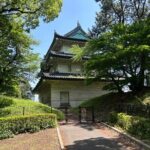
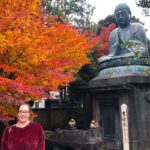
Ikegami Honmon-ji sits on a hill in central Ota City, and the complex dates to the end of the 13th century. The tone here is quiet and grounded. You’re not rushing from one photo spot to the next. The experience is paced—slow enough to actually notice the atmosphere, including the natural sounds around the grounds (the rustling leaves detail is part of what makes people remember this stop).
What I like about this stop for visitors: temples can feel like a checklist if you don’t have context. With a guide, you get a sense of why places like this matter, and you’re more likely to read the site instead of just pass through it.
A practical consideration: since the temple is on a hill, you’ll be climbing some steps and uneven ground. It’s not described as extreme, but wear shoes that handle real outdoor walking.
Ikegami Baien: A Traditional Apricot Stroll Garden You Walk Through Slowly

After the temple, you take a short walk—about five minutes—to Ikegami Baien. This is the kind of stop that changes your pace. A stroll garden is meant to be experienced as a sequence of views, not just one big viewpoint.
The name gives you the vibe: Baien means apricot garden, and the garden includes 370 Japanese apricot trees. Even if you’re not visiting in peak bloom season, the structure of the garden still makes sense as a designed walking experience—quiet, intentional, and meant to slow you down.
What makes this stop feel worth it:
- You spend about an hour here, which is long enough to actually enjoy the walk.
- The tour includes admission, so you’re not stopping to pay at the gate.
- With a guide, you get help noticing what you might otherwise miss in a garden setting.
Possible drawback: if you prefer fast-hit sights, the garden may feel like “too slow.” But if you want a Tokyo day that breathes, this is where it happens.
Togoshi Ginza Shopping Street: The Neighborhood Part of Tokyo

Now the day turns practical—yet still fun. You take a short train ride from Ikegami to Togoshi Ginza, then you spend around two hours walking the shopping street.
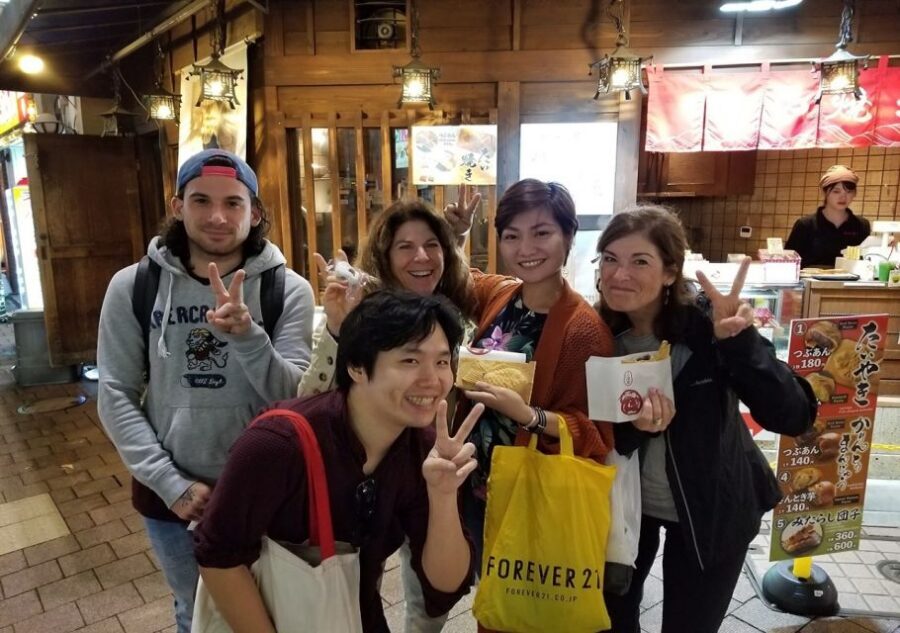
Togoshi Ginza is described as having a vibrant working-class atmosphere. That’s travel gold. You see a Tokyo that’s about daily life: errands, small shops, and the kind of street activity that doesn’t rely on attracting tourists.
As you walk, you’ll likely notice that the street is narrow and close to the storefront action. That makes the walk feel more human than wide-open sightseeing areas. And because it’s part of a guided tour, you’re not just wondering what you’re looking at—you’re getting direction and context.
One highlight I’d plan around: a local stop for a beer at a butcher shop. It’s the sort of detail that makes a neighborhood tour feel real. Even if you don’t drink alcohol, the point is that you’re being shown how locals do things.
Small caution: because you’re walking for real here, keep your energy for the last stretch. If you’re the type who needs snacks before you get hungry, grab something during the shopping street portion rather than waiting until you’re stuck deciding.
You can also read our reviews of more shopping tours in Tokyo





The Real Secret Sauce: An English Guide Who Connects Dots
This tour leans heavily on the guide. It’s an English guided tour, and that matters in a day like this because you’re dealing with places that are meaningful but easy to misunderstand if you don’t have context.
You’ll get the story behind the temple and garden, but you’ll also get the part that many Tokyo tours skip: how people live in these neighborhoods and how to read the city like a local.
A big reason people remember their experience is the guide approach—someone open, professional, and genuinely good at explaining things in plain language. When you have that, you leave with more than photos. You leave with a feel for the place.
If you can, choose this tour specifically because you want answers. If you want a quiet cultural outing with someone translating more than just signs, you’re in the right spot.
Lunch Isn’t Included: How to Handle Food Without Losing Your Walk

Lunch isn’t provided, and that’s actually a good chance to eat like the neighborhood eats—if you approach it right.
Here’s a simple way to manage it:
- Eat something light early if you tend to get hungry fast.
- Use the Togoshi Ginza time to decide what looks best in the moment.
- If you want the butcher shop beer moment, plan it like a treat, not a meal replacement.
Because your tour time is limited to about 4–6 hours, you don’t want to wander into a sit-down restaurant that burns your schedule. Instead, look for food that works with walking—snackable options or quick stops.
Practical Tips: Comfortable Shoes, Good Weather, and Easy Transit

This tour is set up for convenient public transportation. You begin at Ikegami Station, and both the temple and garden are short walks from there. You then take a train to Togoshi Ginza. The structure is sensible: minimal shuffling, clear steps, and a steady pace.
A few things to plan for:
- Moderate physical fitness: the walking times are real, especially the 2-hour shopping street segment.
- Good weather matters: the experience requires decent conditions, and if it’s canceled for poor weather, you’ll get a different date or a full refund.
- Service animals are allowed: if that applies to you, you can plan with confidence.
Also, since it’s a private tour/activity, the experience can feel more relaxed than a big group. That’s a comfort factor if you’re trying to handle Tokyo without chaos.
One more small timing tip: aim to arrive at the meeting point with a little buffer. You’ll start walking quickly.
Is This Tour for You? Best-Fit Travelers and Who Might Skip It
I think this tour is a strong match if you want:
- Quieter Tokyo than the big-name areas
- A mix of temple + Japanese garden plus an actual neighborhood street walk
- A guided day where you learn how places fit into everyday life
- A good value package with transport and admissions included
You might skip it if:
- You hate walking and prefer long rides between sights.
- You want lunch included or a full meal schedule built into the tour.
- You only care about famous “big hits” and don’t want a local-feeling day.
But if your travel style is “show me real Tokyo, not just the postcard,” this hits the mark.
Should You Book It?
Yes—if you’re craving a calmer start and a neighborhood ending, this is a smart booking. You get a well-paced day with admissions and transport included, plus the kind of guided context that turns temples and gardens from scenery into understanding. And finishing with Togoshi Ginza gives your trip that essential feeling of Tokyo as a working city, not a theme park.
If the weather is good and you’re comfortable with walking, this is the sort of tour that makes you feel like you learned something about Tokyo’s everyday side in just half a day.
FAQ
Where does the tour start and end?
The tour starts at Ikegami Station (address listed in the tour info) and ends back at the same meeting point.
How long is the experience?
The duration is about 4 to 6 hours.
Is admission included?
Yes. Admission fees are included in the tour price. The temple stop is listed as free, and the garden stop is included.
Does the tour include transportation?
Yes. Transportation cost between Ikegami and Togoshi is included.
Is lunch included?
No. Lunch and drinks are not included.
Is the tour in English?
Yes. The tour includes guided tours in English.
What kind of ticket do I receive?
You get a mobile ticket.
What happens if the weather is bad?
The experience requires good weather. If it’s canceled due to poor weather, you’ll be offered a different date or a full refund.