REVIEW · KYOTO
Japanese Cuisine Cooking Class in Kyoto
Book on Viator →Operated by Iku · Bookable on Viator
Clay pot rice in Kyoto, taught gently. This Japanese Cuisine Cooking Class in Kyoto is held in a machiya near Toji Temple, and it turns Kyoto ingredients into hands-on meals you can repeat at home. The setting feels lived-in, not staged, and the class is built for overseas visitors who want real technique, not just watching.
I love how the lesson focuses on clay-pot rice and miso—two things that make Japanese home cooking taste like home. I also like that Chef Iku teaches the food through Kyoto’s ingredient culture, with an angle toward healthier Japanese cuisine that doesn’t feel preachy.
One thing to consider: the menu uses mostly vegan ingredients, but fish and eggs may be used. If you’re strictly plant-based or have allergies, you’ll need to message ahead so the chef can adjust.
In This Review
- Key things that make this class work
- Kyoto Machiya Cooking Class: Location That Actually Makes Sense
- What You Cook: Clay-Pot Rice, Miso, and a One-Soup-Five-Sides Meal
- The Class Flow: Demo, Hands-On Cooking, Then You Eat
- Chef Iku’s Healthy Kyoto Approach (And Why It Feels Different)
- Vegan-Friendly by Default: How to Make It Work for Your Diet
- English and Japanese: Ask Questions Without Stress
- Price and Value: $71.67 for a 3-Hour Meal You Can Recreate
- Logistics That Matter: Time, Transportation, and What to Bring
- Who Should Book This Kyoto Cooking Class (And Who Might Skip It)
- Should You Book? My honest recommendation
- FAQ
- When does the class take place?
- How long is the cooking class?
- Where is the meeting point?
- Is this a private tour?
- What will I cook and eat?
- Are the ingredients vegan?
- What if I have allergies or need a fully vegan diet?
- What’s included in the price?
- Can I cancel for a full refund?
Key things that make this class work
- Machiya location near Toji Temple: about a 5-minute walk from Kyoto Station.
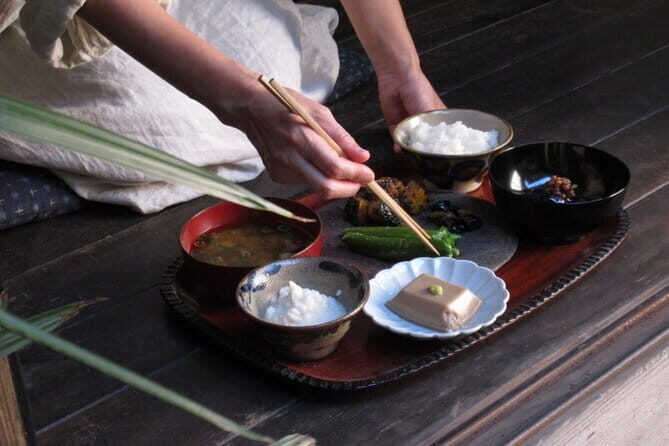
- A full Kyoto-style meal: one soup and five side dishes, plus matcha tea.
- Hands-on basics: rice cooked in a clay pot and miso you learn to prepare.
- Mostly vegan ingredients: with fish/eggs possible, depending on the menu day.
- English + Japanese teaching: so you can ask questions without guessing.
Kyoto Machiya Cooking Class: Location That Actually Makes Sense
Kyoto is great for wandering, but cooking classes need a practical starting point. This one meets in a traditional Kyoto machiya exhibition room near Toji Temple, and it’s about a 5-minute walk from Kyoto Station. That matters because it saves you time. You can pair this with a morning or late morning visit to the station area, then keep your afternoon free.
The address you’ll use for the meeting point is 411-2 Kujōchō, Minami Ward, Kyoto, 601-8473, Japan. The activity returns to the same spot when you’re finished, so you don’t have to build complicated transit plans around it.
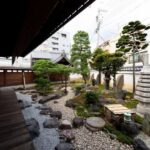
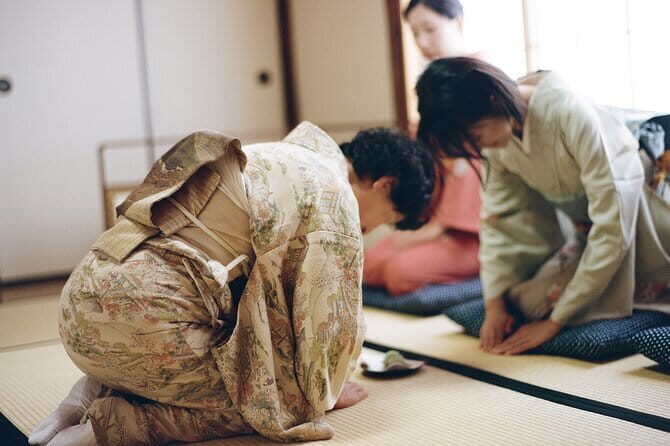
Inside, the vibe is calm and welcoming. You’re in a real cooking space where overseas visitors learn Japanese cuisine, vegetarian cuisine, and obanzai (Kyoto’s home-style approach). It’s not a big “event.” It’s a working kitchen format with a personal feel.
Also helpful: you get a mobile ticket. That means less paper juggling in a city where you’ll already have enough on your hands.
You can also read our reviews of more cooking classes in Kyoto
What You Cook: Clay-Pot Rice, Miso, and a One-Soup-Five-Sides Meal

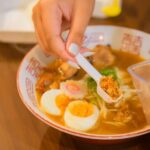
The class runs about 3 hours, and it’s structured around a meal you can actually recreate. The centerpiece is rice cooked in a clay pot. Even if you know how to boil rice at home, clay-pot cooking tends to change the texture and the way the steam settles. That’s why it’s a perfect “technique win” for a short class. You leave with a method you can repeat, not just flavor memories.
You’ll also learn about miso, including how it’s fermented and why it matters in Japanese cooking. Miso isn’t just seasoning—it’s a cornerstone ingredient that shows up in everything from soup to sauces. Understanding it in class helps you stop treating it like a jar you happen to own, and start treating it like an ingredient with logic.
Then comes the meal build:
- You’ll help cook rice, soup, and several side dishes to complete the full table.
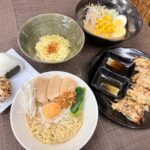
- The final spread is one soup and five side dishes.
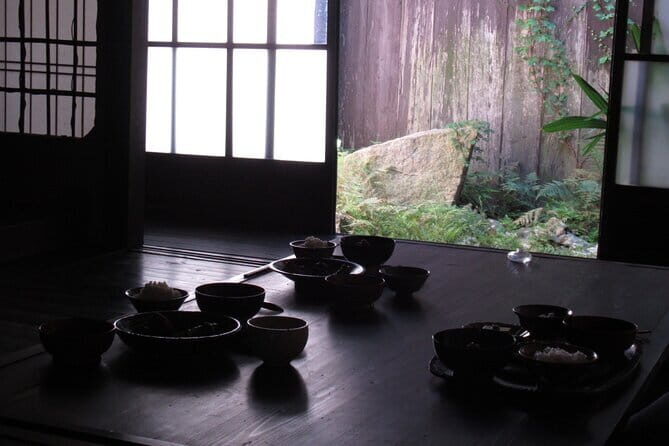
- You’ll plate your food and eat what you made.
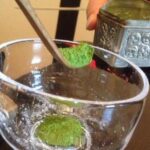
- Afterward, you’ll have matcha tea.
A lot of cooking classes teach you one dish. This one teaches a rhythm: soup first, sides next, and plating so the meal feels balanced. And balance is the point with obanzai-style eating. You don’t just chase one flavor. You aim for a table where different tastes and textures work together.
One note that helps you set expectations: the side dishes are vegetable-based on many class days, and most ingredients used in class are vegan. However, fish and eggs may also be used, so your exact menu can vary.
The Class Flow: Demo, Hands-On Cooking, Then You Eat
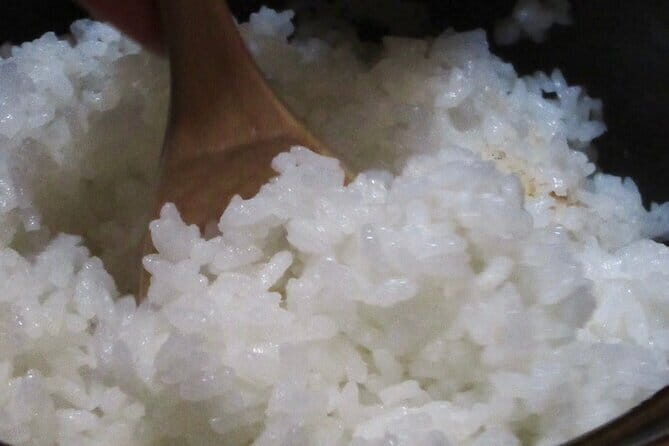
This is a demonstration-plus-participation format. First, the chef shows key steps, especially the parts that tend to go wrong when you try them alone later—like clay-pot rice timing and how to handle miso properly.
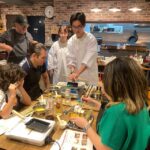
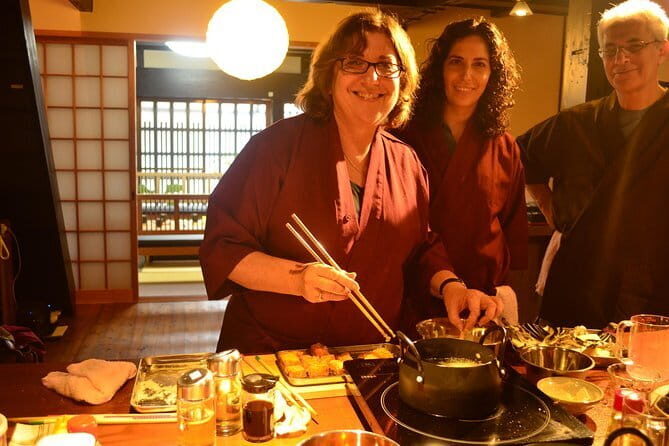
Then you switch into hands-on mode with the help of others. You’ll cook rice, help with the soup, and make several side dishes. “Several” here matters: the menu is structured as one soup and five side dishes, so you’re not stuck making the same thing six ways. You’ll get practice across multiple basic components.
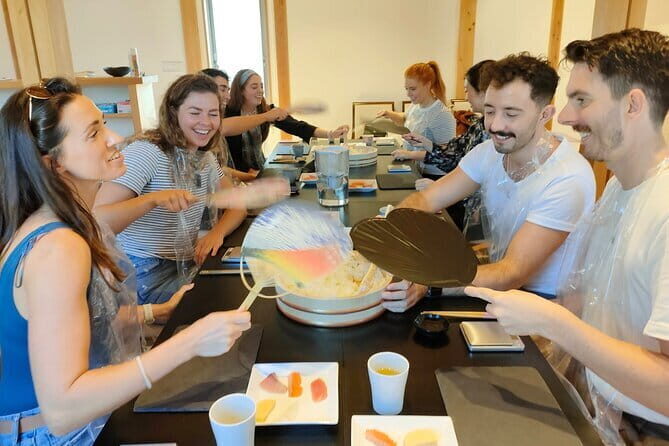
After cooking, you plate the food and eat it together. This is a big part of the value. It’s one thing to cook. It’s another to taste, adjust, and understand what you actually produced. When you eat what you made, you can connect technique to outcome fast.
And you’ll get time to ask questions—about Japanese cuisine, utensils, culture, and anything else that comes up when you’re standing in the middle of a real meal-building process.
Chef Iku’s Healthy Kyoto Approach (And Why It Feels Different)
Chef Iku is described as both a chef and a nutritionist who previously ran a French restaurant serving home-style meals on the World Heritage site of Yakushima. That background shows up in the teaching style: the class feels thoughtful about ingredients and balance, not just tradition for tradition’s sake.
Healthy Japanese cuisine often gets misunderstood as bland or restrictive. Here, the focus is more like: use ingredients wisely, understand what each one does, and keep the flavors clear. Japanese home-style cooking leans on fermentation, seasonings, and careful prep. When you learn the logic, it’s easier to adapt the meal to your own diet later.
The class also uses Kyoto ingredients as teaching tools for culture and history. That kind of context helps you care. If you know where an ingredient fits in Kyoto’s food identity, you’re more likely to cook it again when you’re back home—and not just once.
Vegan-Friendly by Default: How to Make It Work for Your Diet
The class uses ingredients that are mostly vegan. That’s a strong point if you want Japanese food without the “only vegetarian at restaurants” problem. Still, it’s important to read the fine print: fish and eggs may also be used.
Here’s how to think about it:
- If you eat vegetarian and you’re flexible with eggs, you’ll likely be comfortable.
- If you’re vegan, you should message ahead for a completely vegan diet request.
- If you have allergies, you must let the chef know in advance.
In other words, this class can work for you, but you need to communicate early. The good news is that the chef is set up for adjustments—dietary choices and allergies are explicitly part of the planning.
Practical tip: when you message, list your restrictions clearly (for example, vegan vs. vegetarian, and what allergies apply). That makes it easier for the chef to tailor the ingredients before you arrive.
A few more Kyoto tours and experiences worth a look
English and Japanese: Ask Questions Without Stress
The class is taught in both English and Japanese. That matters more than it sounds. When you’re learning cooking technique, you need clarity on things like timing, texture, and seasoning choices. Bilingual instruction helps you ask what you actually need to know instead of guessing.
You’ll also have the chance to talk about utensils. In Japanese cooking, a few tools and methods can change everything—like how you handle rice cooking, how you work with miso, and how side dishes get built for the table. If you’re the type who likes to understand the why, this is the right place to ask.
Even if your Japanese is basic, you’ll still be able to follow along and participate. And if you speak some Japanese, you might find it fun to use the language in a real context.
Price and Value: $71.67 for a 3-Hour Meal You Can Recreate
At $71.67 per person for about 3 hours, this class is priced like a serious hands-on experience. You’re not just paying for the meal. You’re paying for instruction, technique, and the ability to recreate the dishes.
What supports the value:
- All fees and taxes are included.
- You get cooking utensils and recipes (plus writing implements).
- You eat what you make: one soup and five side dishes, then matcha tea.
That last part is often overlooked. Many cooking classes teach and then send you away. Here, you plate, taste, and eat together. That turns the class into a full experience, not a quick demonstration.
Also, the class is booked about 74 days in advance on average, so it can fill up. If you’re traveling during peak seasons or want a specific week, don’t wait until the last minute.
Bottom line: if you want a memorable Kyoto food moment and you actually plan to cook Japanese at home again, the price makes sense. If you just want an afternoon snack and don’t care about the technique, you might find it too focused.
Logistics That Matter: Time, Transportation, and What to Bring
Start time is 11:30am. That’s a nice slot because it feels like a lunch-class hybrid: you’ll likely be able to eat soon after you finish, or you’ll carry the meal experience with you into the rest of your day.
Private transportation isn’t included, so you’ll want to handle your own way to the meeting spot. The good news is it’s near public transportation and close to Kyoto Station—so you’re not stuck searching for a remote address.
Bring a small notebook or rely on the writing implements provided. Either way, take notes on the steps that connect to flavor and texture. The recipes will help, but your best “souvenir” is understanding how the finished dish should feel in your mouth.
A quick comfort note: service animals are allowed.
Who Should Book This Kyoto Cooking Class (And Who Might Skip It)
This class is a great fit if you:
- Want hands-on training in Japanese home-style cooking (obanzai).
- Care about learning the method behind ingredients like clay-pot rice and miso.
- Prefer a class with a personal, small-group feel rather than a giant audience setup.
- Want mostly vegan options but are open to adjustments if needed.
- Like asking questions while you cook.
You might choose differently if you:
- Need a strictly plant-based class with zero risk of fish/eggs and you don’t want to coordinate ahead. You can request fully vegan, but you should confirm details before you go.
- Only want to taste Japanese food and don’t care about learning cooking steps.
Should You Book? My honest recommendation
I’d recommend booking this if you want Kyoto food that you can take home—technique, seasoning logic, and a meal you understand piece by piece. The combination of clay-pot rice, miso education, and a full one-soup-five-sides sit-down meal makes it feel complete for the time.
If your diet has constraints, don’t treat this like a “walk in and hope” situation. Message Chef Iku ahead with allergies or the fact you want a completely vegan menu. When you plan for that, you’ll likely feel cared for and you’ll get a smoother class experience.
If you’re looking for a short, practical Kyoto activity that ends with you eating real food you made (not just watching it), this is one of those classes that earns its place.
FAQ
When does the class take place?
It runs every Tuesday.
How long is the cooking class?
The duration is about 3 hours.
Where is the meeting point?
The meeting point is at 411-2 Kujōchō, Minami Ward, Kyoto, 601-8473, Japan. It’s also described as being near Toji Temple, about a 5-minute walk from Kyoto Station.
Is this a private tour?
Yes. This is a private tour/activity, and only your group will participate.
What will I cook and eat?
You’ll learn to cook rice in a clay pot and make miso. You’ll also cook rice, soup, and several side dishes, and you’ll eat a meal of one soup and five side dishes. Matcha tea is served after the meal.
Are the ingredients vegan?
Most of the ingredients used in class are vegan. Fish and eggs may also be used, depending on the menu.
What if I have allergies or need a fully vegan diet?
If you have any allergies, you should let the organizer know in advance. If you would like a completely vegan diet, you should send a message.
What’s included in the price?
All fees and taxes are included. Cooking utensils, recipes, and writing implements are also included.
Can I cancel for a full refund?
Yes. You can cancel up to 24 hours in advance for a full refund.