Kyoto can feel like a maze at peak time, so this plan is a lifesaver. In about 5 hours 30 minutes, you hit major sights like Fushimi Inari-taisha and UNESCO-listed Kiyomizu-dera, with a guide who handles the route so you don’t waste energy figuring out what’s next. I also like the fact that it’s genuinely private—your pace, your questions, and your group stays together.
What really makes it work is the people running it. I’ve seen praise for guides such as Yoshi, Kaori, and Mutsumi for clear, patient explanations (and for adjusting when you ask sensible questions). The mix of taxis and public transport keeps the day moving without turning it into nonstop sprinting between far-apart stops.
One main drawback to plan around: it’s a packed half day with no lunch time built in, and the itinerary can’t really be changed. If you want a long sit-down meal or extra browsing time, you’ll feel a bit rushed.
In This Review
- Key things to know before you go
- Why this Kyoto private route beats DIY for a first day
- Meeting at Kyoto Station: a smart starting point at 12:00 pm
- Fushimi Inari-taisha: the torii walk you’ll remember
- Chishaku-in: the calmer garden temple break
- Sanjusangendo: the 1000 statues stop that feels unreal
- Kiyomizu-dera UNESCO: the balcony view is the point
- Sannenzaka & Ninenzaka slopes: shopping streets with real character
- Yasaka pagoda from the outside: quick photo stop with big payoff
- Gion: finish in the geisha district at the right time to wander
- Price and what you should budget in yen
- Transport style: taxis plus public transit to save your legs
- The half-day limit: how to make it feel unhurried anyway
- Who should book this private tour (and who should skip it)
- Should you book this Kyoto Fushimi Inari to Gion private tour?
- FAQ
- How long is the Kyoto private tour?
- What are the main stops on the tour?
- Is lunch included?
- Are temple admissions included?
- Do I need cash during the tour?
- How many people are in a private group?
Key things to know before you go
- Seven stops in one half day with your guide managing timing and movement
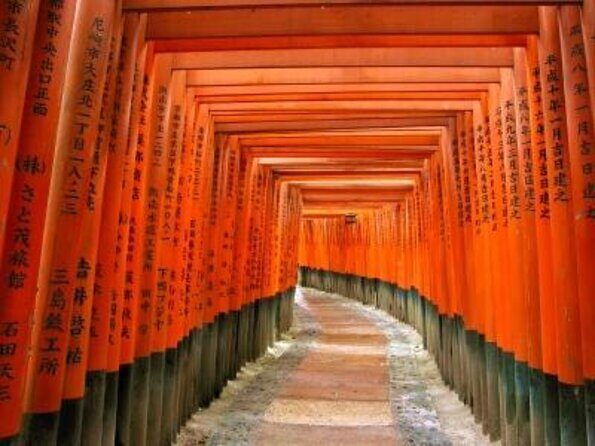
- Fushimi Inari’s torii gates with a full hour set aside
- Chishaku-in’s garden atmosphere as a calmer break from the busiest streets
- Sanjusangendo’s 1000 Kannon statues and its major collection of national treasures
- Kiyomizu-dera’s UNESCO balcony views made for photos and skyline watching
- A Gion finish near Gionmachi Minamigawa to cap the day with geisha-area charm
Why this Kyoto private route beats DIY for a first day
Kyoto rewards slow travel, but most trips don’t give you that. This tour is built for the reality of limited time: it bundles big-name sights with a couple of stops that feel more reflective and less checklist-y. You’ll still do plenty of walking, but you won’t spend the morning arguing with transit maps or backtracking because one temple is farther than it looks.
The private format matters here. When you’re not sharing with strangers, you can ask questions right when they come up—like why a shrine/temple is arranged the way it is, or what to look for as you approach. That’s the difference between seeing Kyoto and getting your bearings in Kyoto.
You can also read our reviews of more private tours in Kyoto

Meeting at Kyoto Station: a smart starting point at 12:00 pm
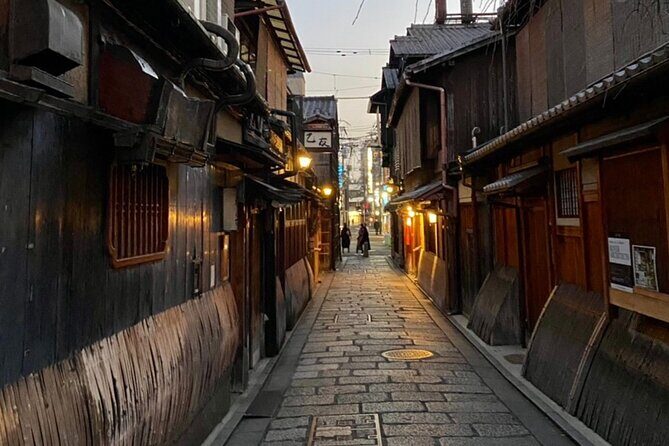
Your tour starts at the Kyoto Tourist Information Center Kyo-NaviJapan, located in the Kyoto Station area (on the 2nd floor). Starting from a major hub is practical: you’re positioned close to trains, buses, and taxis, so it’s easier to get there even if your hotel isn’t in the center of town.
At the end, you’re dropped off around Gionmachi Minamigawa in the Higashiyama area. That finish location is useful because it gives you an immediate “Kyoto evening” option afterward—stroll time without needing another long commute.
Fushimi Inari-taisha: the torii walk you’ll remember
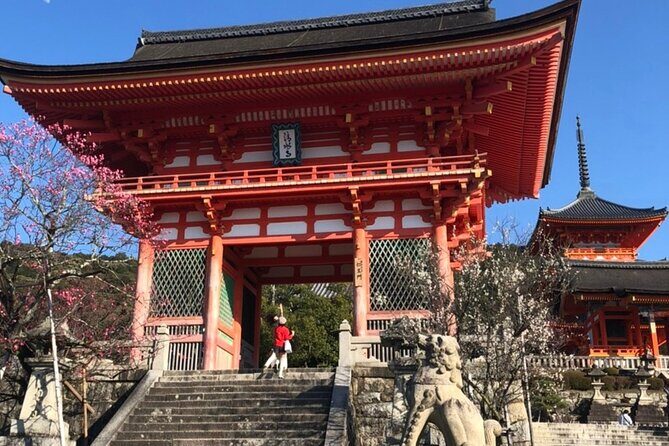
You get about one hour at Fushimi Inari-taisha, and it’s the right amount of time to do more than just pose at the gates. Expect to walk through long stretches of torii gates, creating that iconic tunnel effect that makes Fushimi Inari feel both dramatic and strangely calming.
Here’s how I’d pace it: don’t treat it like a single straight line. Start by soaking in the gate rhythm, then decide how far up you want to go based on your energy. Even if you don’t climb to the farthest points, the experience still works because the atmosphere changes as you move deeper into the shrine grounds.
Good news for planning: the admission ticket at this stop is listed as free, which makes Fushimi Inari one less cost to worry about.
Chishaku-in: the calmer garden temple break
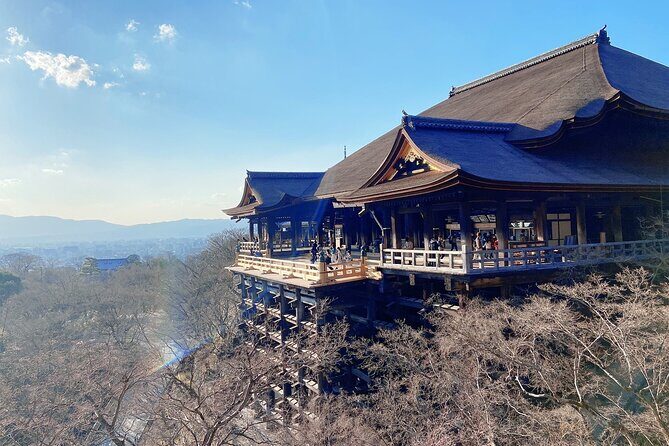
After Fushimi Inari’s crowds and intensity, Chishaku-in is a nice tonal shift. You’ll have about 40 minutes here, and the focus is its Japanese garden vibe—somewhere you can slow your steps and reset.
This stop is valuable because the tour doesn’t only chase the most photographed places. When Kyoto gets busy, a quieter temple garden gives you space to notice details: how paths curve, how viewpoints are framed, and how the mood changes from one courtyard to the next. If you tend to feel overwhelmed in big tourist zones, this is the kind of pause that keeps the rest of your afternoon enjoyable.
Note: admission isn’t included for this temple, so budget for extra yen here.
Sanjusangendo: the 1000 statues stop that feels unreal
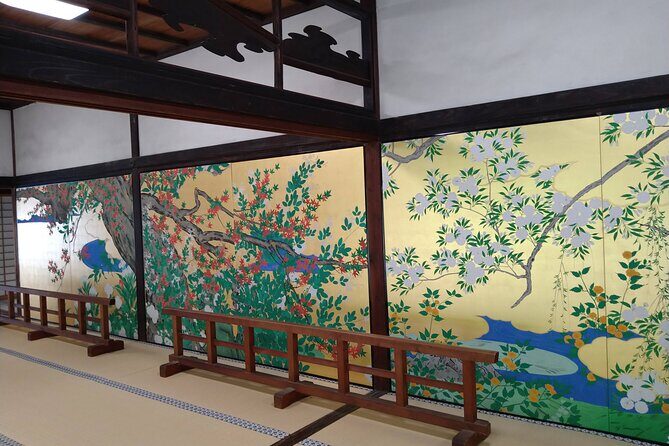
Sanjusangendo is one of those places where your brain catches up with your eyes only after you’ve really looked. You’ll get about one hour, and it’s famous for its collection of national treasures in Japan. The specific headline detail is the long wooden structure housing 1000 statues of Kannon, the goddess of mercy.
Even if you’re not a “temple nerd,” this is a compelling stop because it’s so specific. The long hall layout makes you feel the scale immediately. And since the tour keeps the time to a solid block (not a quick drive-by), you’ll have a chance to understand what you’re seeing.
Admission at this stop is not included, so again plan for paid entry on-site.



Kiyomizu-dera UNESCO: the balcony view is the point
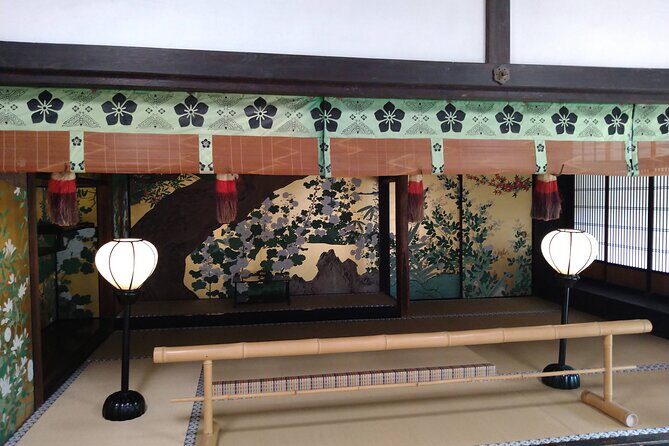
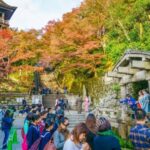
Kiyomizu-dera is the UNESCO World Cultural Heritage highlight on this route, and you’ll spend about one hour there. The main draw is the famous huge balcony area, where you can take in panoramic views of Kyoto.
A practical tip: treat this like a photo-and-observation stop, not a “rush and run” stop. If you stand at the right angles, the view feels layered—streets, rooftops, and temple grounds working together. If you’re interested in architecture, a guide helps here because you’re not just looking at a balcony; you’re learning why this structure matters and how the site fits into Kyoto’s geography.
Admission at Kiyomizu-dera isn’t included, so this is one of the stops that will likely take a chunk of your on-the-spot budget.
Sannenzaka & Ninenzaka slopes: shopping streets with real character
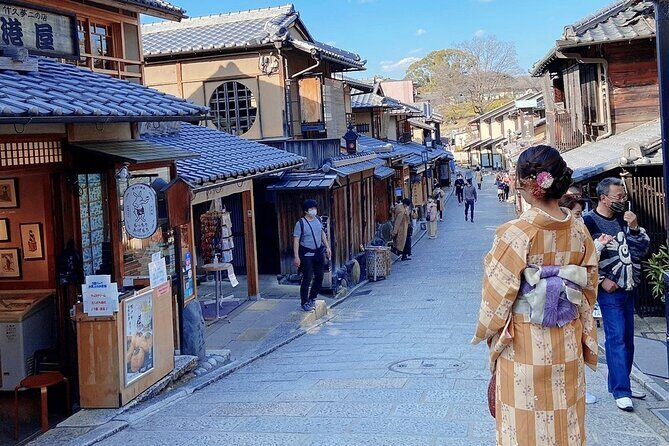
Next comes Sannenzaka and Ninenzaka, where the streets are lined with traditional wooden buildings. You’ll have about one hour here, and the time is meant for walking slowly, browsing, and picking up small gifts.
These slopes work well because they’re not just “stores.” The layout of the lanes, the building style, and the way the street curves help you feel like you’re inside an old Kyoto street scene rather than passing through it quickly. If you’re buying souvenirs, this is also where you’ll likely find more choices than at the big temples.
Admission for this stop is listed as free, so the cost here is mostly what you choose to buy.
Yasaka pagoda from the outside: quick photo stop with big payoff
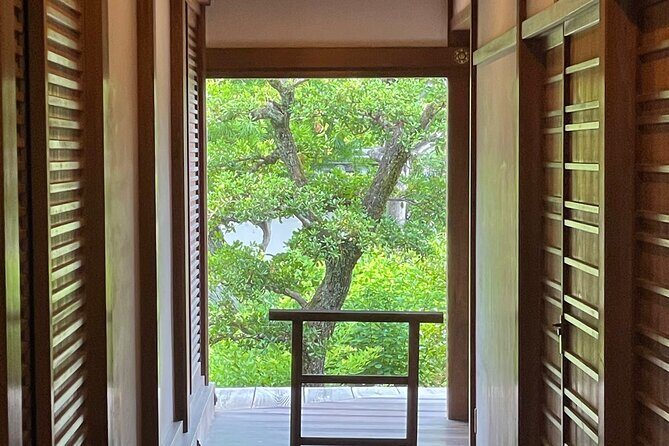
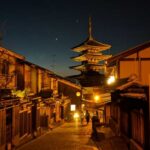
You’ll get only about five minutes at Yasakanoto, the five-story pagoda landmark. In other words: this is not a long visit, it’s a photo moment.
That makes it easy to miss if you’re not ready. But if you’re prepared—camera out, eyes up—you’ll get the iconic pagoda angle that many photos are based on. Since the tour keeps it short, use the time to capture your preferred framing and then move on without getting stuck.
Admission for this stop is free, and the “outside view only” approach is listed as part of the experience.
Gion: finish in the geisha district at the right time to wander
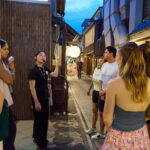
The tour ends with a 20-minute visit in Gion, the geisha district area with Maiko and Geiko. You’re not staying long enough to fully explore the neighborhood, but this finish is ideal because it gives you a starting point for your own evening stroll.
Gion is more atmospheric than “do this, then that.” After your guide leaves you near Gionmachi Minamigawa, you can keep walking the side streets at your pace. If you want that classic Kyoto feeling, this is a strong place to transition from guided time into self-guided wandering.
Admission is listed as free for this final stop.
Price and what you should budget in yen
The tour price is listed as $236.48 per group, up to 3 people. That sounds steep if you’re thinking per person like it’s a ticketed attraction. But in private-tour math, you’re paying for: a local professional guide, route planning, and a smart mix of taxis and public transport that helps you cover a lot without burning your day.
What to budget separately:
- Public transport fee: listed as 150 yen per person
- Taxi fee: about 2500 to 3000 yen per taxi (exact amount depends on the day)
- Temple admissions: about 1500 yen per person total (some stops are free, some aren’t)
The biggest practical takeaway: bring Japanese yen. Many places won’t take cards for entrance fees, small transit costs, or souvenirs. Also plan to have coins/bills ready before you reach a gate or ticket counter so you don’t slow the group.
Transport style: taxis plus public transit to save your legs
One reason this route works is the transport mix. Using both taxis and public transport keeps the travel time down and reduces backtracking. It also helps you enjoy the sights instead of treating every transfer like another chore.
Wear comfortable shoes. The itinerary includes multiple walking segments across different neighborhood types—shrine approaches, temple grounds, and classic street lanes—plus uneven footpaths that can feel long even when the total time is only half a day.
The half-day limit: how to make it feel unhurried anyway
This is where planning matters most. There’s no lunch included, and the tour design doesn’t allow you to swap stops or change the starting plan. So if you’re the kind of person who needs a sit-down meal mid-day, you’ll want to eat before 12:00 pm and keep snacks/water in mind.
You can still make it feel smooth by setting expectations:
- focus on one or two photo angles at the big sites
- avoid over-shopping during the slope stop
- ask your guide questions as you walk, so you don’t lose time later
In a short window, that’s the difference between “busy but fun” and “busy and cranky.”
Who should book this private tour (and who should skip it)
This tour fits you if:
- it’s your first time in Kyoto and you want major sights without organizing everything
- you prefer a private guide over group tours
- you like a balanced afternoon: big icons plus a quieter temple-garden reset
You might skip it if:
- you want a flexible schedule with a long lunch or you hate feeling time-boxed
- you want a deep, slow exploration of one area (this route is built for coverage, not lingering)
Should you book this Kyoto Fushimi Inari to Gion private tour?
I’d book this if your goal is simple: get your Kyoto orientation fast, see the big must-dos, and still include a couple of calmer moments. The private guide support, plus the taxi/public transport approach, is the key value driver—especially for sites that are otherwise easy to plan poorly.
If you do book it, do two things before you go: eat lunch earlier (since the tour doesn’t), and carry yen for temple admissions and transit. That one bit of readiness keeps the whole afternoon from turning into last-minute scrambling at ticket counters.
FAQ
How long is the Kyoto private tour?
It runs for about 5 hours 30 minutes.
What are the main stops on the tour?
You’ll visit Fushimi Inari-taisha, Chishaku-in, Sanjusangendo, Kiyomizu-dera, Sannenzaka and Ninenzaka, Yasakanoto (the five-story pagoda from the outside), and Gion.
Is lunch included?
No. The tour does not include lunch, so it’s recommended to finish lunch before you start.
Are temple admissions included?
Admission fees are not included for several temple stops, and the total temple admissions are listed at about 1500 yen per person. Some stops on the route are listed as free.
Do I need cash during the tour?
Yes. The tour advises having some Japanese yen ready because entrance fees, cab fare, public transportation, and souvenirs may require yen.
How many people are in a private group?
The price is per group and is listed as up to 3 people.