REVIEW · KYOTO
Kyoto : Flexible 3 hours Tour with a English Speaking guide.
Book on GetYourGuide →Operated by Jacalize Co., Ltd · Bookable on GetYourGuide
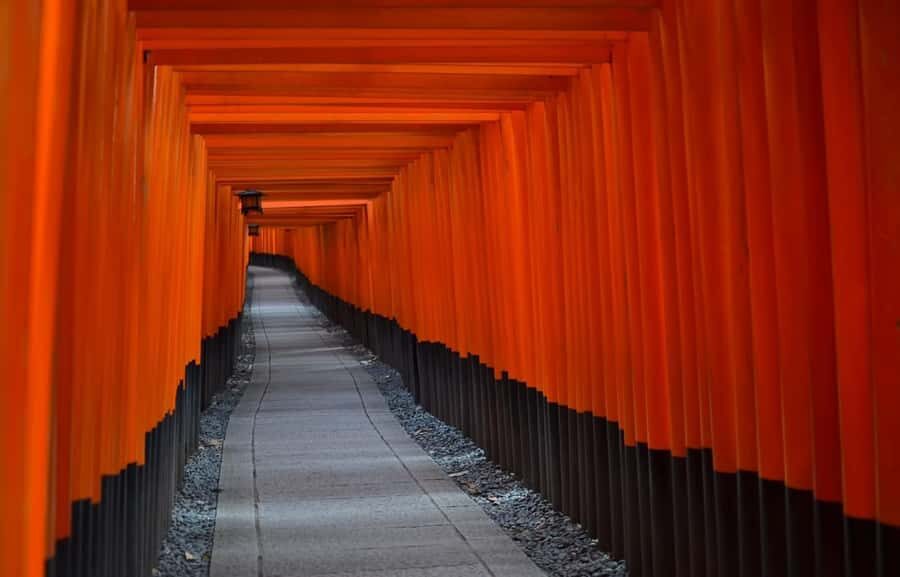
Kyoto can feel big. That is why this flexible private guide setup is so useful: you pick 1-3 stops (Fushimi Inari, Kinkakuji, Arashiyama Bamboo Forest, or anywhere else) and your English-speaking local guides the route and pace. I love the freedom to shape the day around what you actually care about, and I also love that you get real cultural context from people like Kimu, Toshiki, and Mark (they were praised for being passionate and accommodating). The main drawback to plan for is that the tour does not include entrance fees, food, or transportation, and you will also cover guide-related expenses during the outing.
This is a true “you drive, they navigate” experience in Kyoto. You start at either Kyoto Station or Gion-Shijo Station, you end at one of those same drop-off points, and in between you can keep the day practical instead of guessing your way through lines, transfers, and timing.
One more thing: it is private, but it is not a “private car tour.” If you want a chauffeured ride from stop to stop, this one is not that kind of tour.
In This Review
- Key things you can expect (and why they matter)
- Kyoto in 3–4 Hours with a Guide You Can Point At
- How the Meeting Works: Kyoto Station or Gion-Shijo
- Choosing Your Stops: From Fushimi Inari to Kinkakuji to Arashiyama
- What the Local Guide Adds: Culture, Context, and Names You Can Remember
- Food Scene Time: Social Energy Without an All-Inclusive Meal
- Price and Value: Is $91 Fair for a Flexible Private Guide?
- Comfort, Timing, and the No-Car Reality
- Who This Tour Fits Best
- Should You Book This Kyoto Flexible Tour?
- FAQ
- How long is the Kyoto flexible tour?
- Where do I meet the guide?
- How many places can I visit?
- Can I change plans if I do not know what I want to see?
- What is included in the price?
- Are entrance fees included?
- Are food and drinks included?
- Is it a private tour with pickup included?
Key things you can expect (and why they matter)
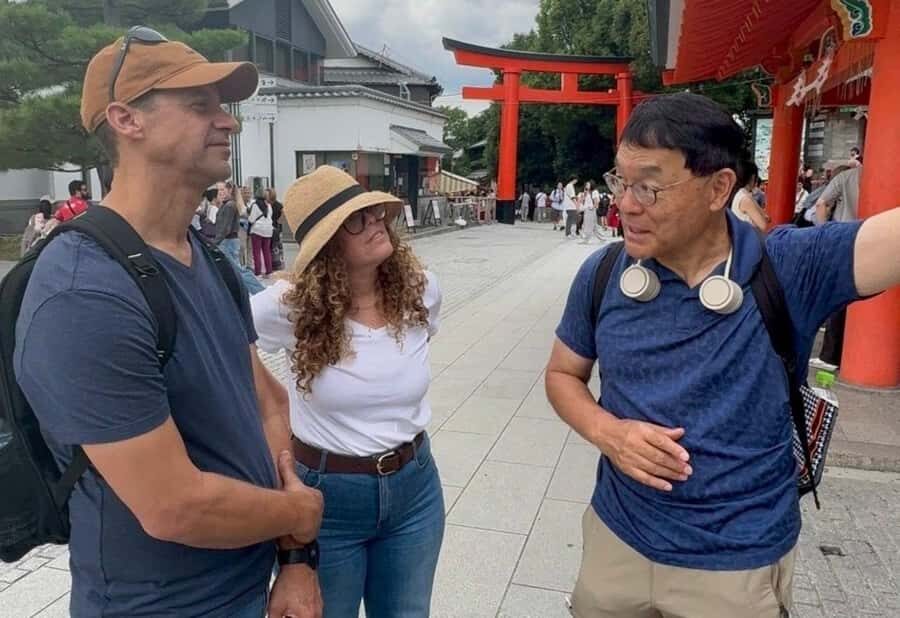
- You choose 1-3 places so you do not waste your limited time in Kyoto.
- English speaking local guidance helps you understand what you are seeing, not just where to go.
- Pickup at Kyoto Station or Gion-Shijo Station makes the start easy.
- Your guide plans if you are unsure which is great if you arrive without an itinerary.
- Food scene energy is part of the plan if you ask for it, but you still pay for what you eat.
- No private car means you should be ready to walk and/or use local transit at your own cost.
Kyoto in 3–4 Hours with a Guide You Can Point At
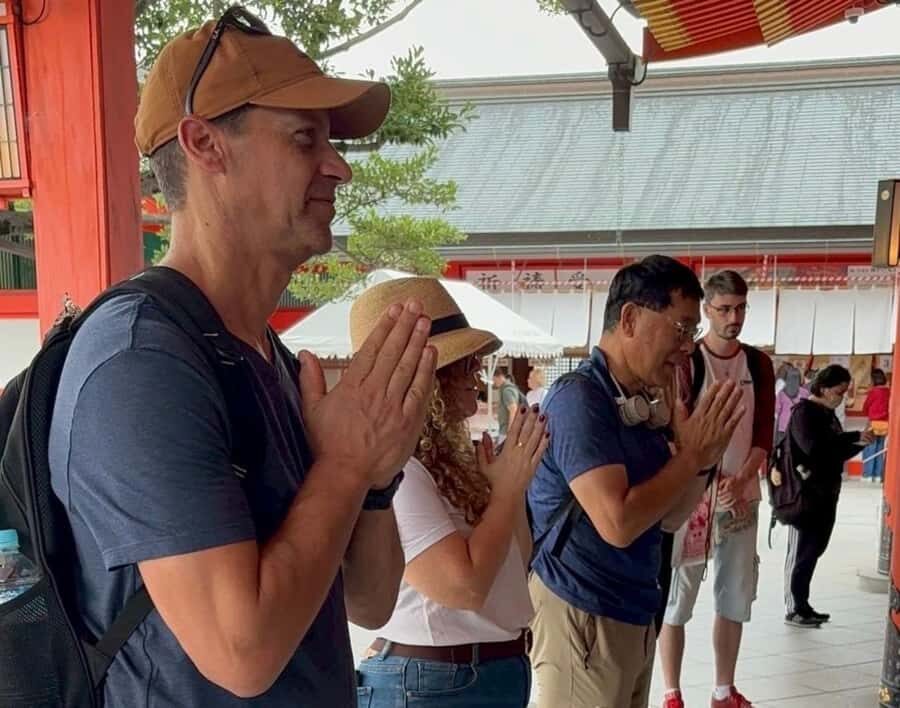
Kyoto is gorgeous, but it is also easy to overdo. In three to four hours, you want a plan that is tight and helpful, not one that crams in ten locations and leaves you exhausted. This tour works because it is built around choice: you can select the places, or you can tell your guide what kind of experience you want and let them shape the day.
I like that you are not locked into a rigid checklist. If your day starts with Kyoto Station and your interest is temples, viewpoints, neighborhoods, or food culture, you can steer the route. If your interests are broad and you just want to see a few standout areas without thinking too hard, the guide can propose the best mix for your preferences.
Another plus is the private format. Even though it is a “private group,” it is still a real guided experience with an actual person leading, not a crowd situation where you spend the whole time trying to hear over other voices. And because this is an English-language tour, you get to ask questions on the spot instead of relying on hand gestures and hope.
You can also read our reviews of more guided tours in Kyoto
How the Meeting Works: Kyoto Station or Gion-Shijo
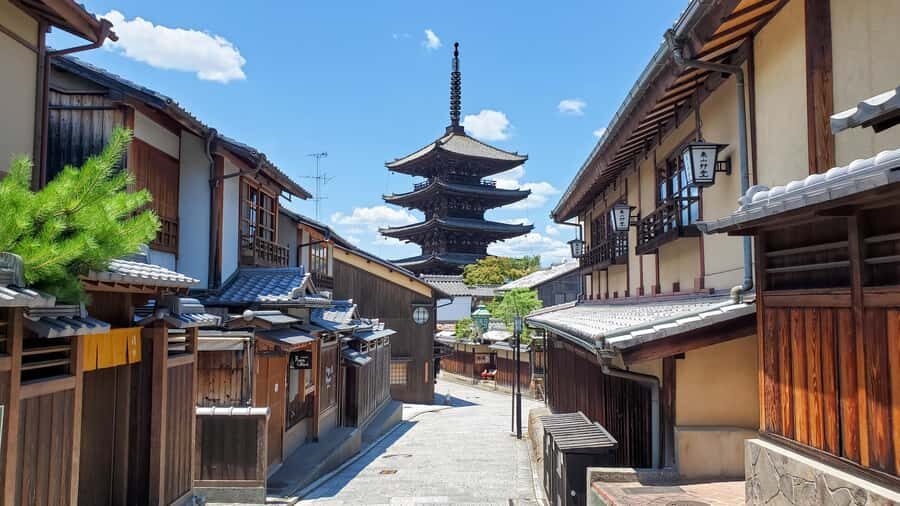
You meet your guide at one of two pickup points: Gion-Shijo Station or Kyoto Station. That sounds simple, but it matters in Kyoto, where getting across the city can take more time than you expect. Starting from the station that is closest to your lodging (or closest to where you already are) keeps the tour feeling like it begins immediately, not after you finish transfers.
Drop-off options mirror the pickup. You end at either Kyoto Station or Gion-Shijo Station. That is ideal if you are trying to make dinner plans afterward, or if you have other reservations later. No awkward “walk back for an extra hour” feeling.
One important practical note: the tour is not conducted by private car. In other words, expect to move on foot and/or use local transportation. That is normal for Kyoto, but it also affects cost and pacing, since transportation fees are not included.
Choosing Your Stops: From Fushimi Inari to Kinkakuji to Arashiyama
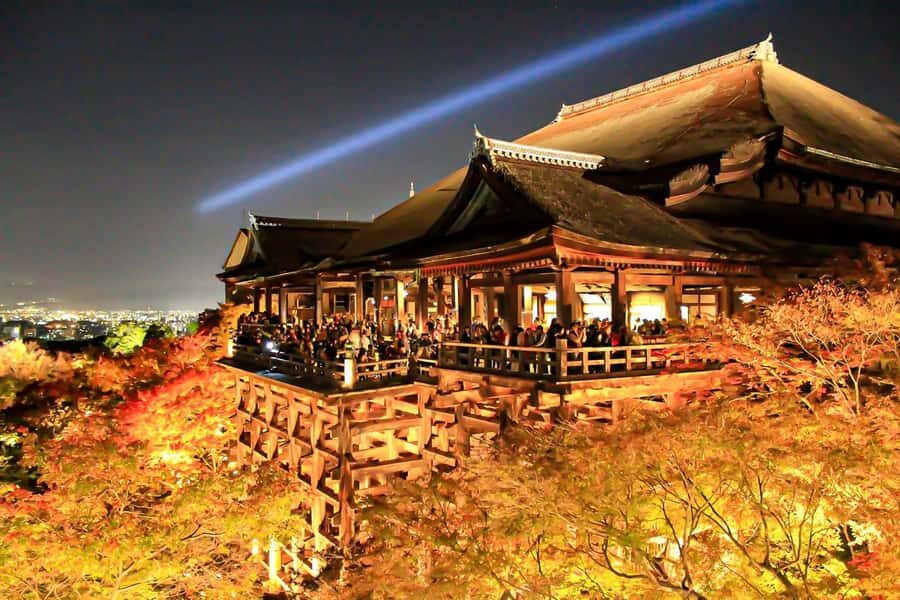
The tour is intentionally flexible about where you go. The examples given are Fushimi Inari, Kinkakuji, and Arashiyama Bamboo Forest—but the key point is that it can literally be anywhere based on your decisions. If you already have a short list of priorities, you can request them and structure the route around the time you have.
If you do not know where to go, do not stress. This tour is designed for that exact scenario. Tell your guide what you are into, what vibe you want, or what you are hoping to understand about Japanese culture, and the guide will build a plan around it. That is one of the biggest value points, because it turns the guide into your “Kyoto translator,” not just your walker-with-a-mic.
How to pick your 1-3 places for best results:
- If you want variety, choose a mix (one famous name, one different-feeling area, one food or neighborhood stop if that interests you).
- If you hate rushing, keep it to two stops. Three is doable, but it depends on distance and what you want to do inside each area.
- If you care about photography, prioritize places where you can slow down, not just point-and-shoot quick stops.
A drawback to watch: entrance fees are not included. So if your 1-3 picks include places with paid entry, you’ll want to budget for it. The same goes for anything you eat or drink. This is guiding support, not an all-inclusive ticket bundle.
What the Local Guide Adds: Culture, Context, and Names You Can Remember
The whole point here is the local perspective. You are not just checking locations off a map. You are learning Japanese culture from a local person while you walk.
The reviews give you a sense of what that looks like in practice. Kimu was praised as passionate and sharing lots of Japanese culture as well as favorite places. Toshiki was described as accommodating and informative, with a strong ability to match what people want from the day. Mark was noted as wonderful and very well-informed, with a real enjoyment in the time spent together.
You can use that feedback as a decision tool. If you like tours where the guide explains what matters and why it matters, this setup tends to work well. If you only want directions and would rather read everything yourself, it might feel like extra cost without enough payoff. But for most people, the cultural context is what makes Kyoto click.
Practical advice for maximizing the guide:
- Tell them what you want to learn, not just what you want to see. For example, ask for cultural meaning, daily-life context, or how locals think about the sites you visit.
- Ask what to notice as you walk. That turns sightseeing into active watching.
- If you are hungry, say it. The tour highlights the city’s food scene, and a good guide can shape a food-focused route even if food itself is not included.
Food Scene Time: Social Energy Without an All-Inclusive Meal
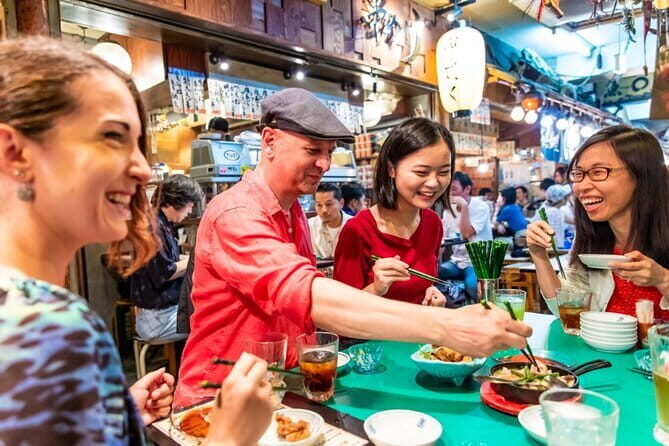
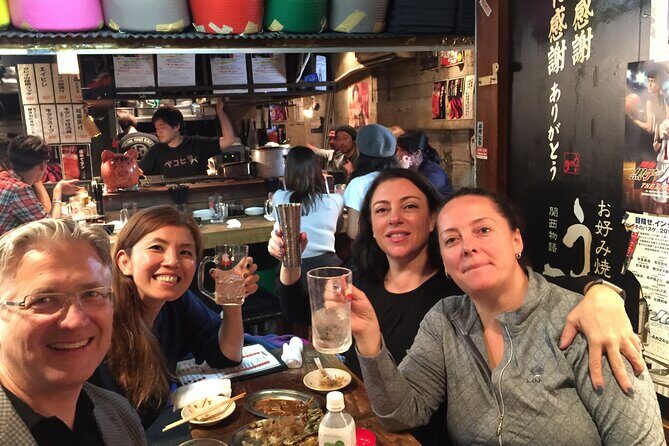
Kyoto has serious food culture, and this tour leans into it. One highlight calls out a fun, social atmosphere as you explore the city’s food scene. That is a great match for a flexible tour because it gives you permission to build a route around what you actually want to eat, not only what you are planning to see.
Just be clear on the economics. Food and drink are not included. Entrance fees are not included. Transportation fees are not included. And there is also a specific instruction that guests cover all expenses during the tour, including the tour guide’s expenses. So bring cash and think of the price as paying for the guidance and planning—not for meals, drinks, or ticket costs.
How I’d plan this so it feels like value, not expense:
- Decide before you go how much you want to spend on food.
- Use the guide to help you pick the style of place you want and how to pace the stops.
- If you are budgeting tightly, skip the “one more snack” impulse and focus on one or two meaningful food stops.
This is one reason the flexible format can be better than a rigid food tour. You can keep it light if you want, or make it a bigger part of the experience if that is your priority.
A few more Kyoto tours and experiences worth a look

Price and Value: Is $91 Fair for a Flexible Private Guide?
At $91 per person, you are paying for a private English-speaking local guide with pickup included and a plan tailored to your interests. For a three to four hour window, that is often a fair deal in a city where time is expensive and getting things wrong wastes hours.
But the price also has boundaries. You still pay for what you go into and what you consume:
- Food and drink are not included.
- Entrance fees are not included.
- Transportation fees are not included.
- Guests cover all tour expenses, including the guide’s expenses.
So the true cost depends on what you choose. If you pick mostly free areas with minimal paid entry and you only add a couple of modest meals, your overall spending stays reasonable. If your selections include paid entrances and you want multiple food stops, your budget will rise.
Here is when I think it is best value:
- You have limited time and want to maximize decision-making with a local.
- You are the type who likes explanations, stories, and cultural context while walking.
- You are traveling with flexibility needs and want to steer the route as you go.
Here is when you might rethink it:
- You already know exactly which spots you want and you do not care about cultural interpretation.
- You are trying to keep the day strictly low-cost, and the extra expenses from entrances, transit, and guide-related costs would feel stressful.
Comfort, Timing, and the No-Car Reality
Duration is listed as 3 to 4 hours, and starting times depend on availability. That range is important because it gives you flexibility, but it also means your pacing should stay focused. With a flexible private guide, you can slow down, stop for photos, and ask questions—if you pick only 1-3 destinations.
Comfort matters more than people think. Wear comfortable shoes and comfortable clothes. You are walking around Kyoto, and even if you use transit, your feet will do the heavy lifting. The tour also notes wheelchair accessibility, which is a positive if mobility is a concern.
Bring what you need for ID checks if required: passport or an ID card, plus cash. Cash is specifically mentioned, which is your hint that you should not assume every cost will be card-friendly.
Who This Tour Fits Best
This tour is a strong match for:
- First-time visitors who want a plan without spending hours researching.
- People who want a few meaningful stops, not a checklist marathon.
- Anyone who likes chatting with locals and learning how culture shows up in daily life.
- Small groups that prefer a private pace and a real conversation.
It may be a weaker match if:
- You want a driver who handles everything by car.
- You want a fully prepaid package with meals and tickets included.
- You hate flexibility and would rather follow a set route no matter what.
If you’re deciding between “arrive and wing it” and “pay for a local to guide the route,” this sits firmly in the second camp. It reduces stress and helps you turn Kyoto time into something you can feel.
Should You Book This Kyoto Flexible Tour?
If you want a guided Kyoto afternoon that you can shape around your interests, I’d book it. The biggest strengths are the private local guide, the English support, and the ability to choose your own 1-3 stops (or let the guide choose for you). That combination is the antidote to Kyoto decision fatigue.
Book it particularly if you want value in conversation, not just sightseeing. Reviews name guides like Kimu, Toshiki, and Mark, and the consistent theme is that they were accommodating and engaged, not robotic.
You should pause before booking if you are trying to keep costs very controlled, because food, entrances, and transportation are not included, and you cover all expenses during the tour including the guide’s expenses. If that feels manageable, this tour is a smart way to get context and clarity in a short time.
FAQ
How long is the Kyoto flexible tour?
The tour lasts 3 to 4 hours. Starting times vary based on availability.
Where do I meet the guide?
You can be picked up at either Gion-Shijo Station or Kyoto Station.
How many places can I visit?
You can choose 1 to 3 places to visit with your English-speaking local guide.
Can I change plans if I do not know what I want to see?
Yes. If you share your interests or the kind of experience you want, the guide will suggest the best places and make a plan for you.
What is included in the price?
Included items are a local tour guide and the opportunity to learn about Japanese culture from a local person.
Are entrance fees included?
No. Entrance fees are not included.
Are food and drinks included?
No. Food and drink are not included.
Is it a private tour with pickup included?
Yes. It is a private group tour with pickup included. Pickup and drop-off are available at Kyoto Station or Gion-Shijo Station, and the tour is not conducted by a private car.