REVIEW · KYOTO
Kyoto: Private Flexible 3 hours tour with a local guide
Book on Viator →Operated by 合同会社Jacalize · Bookable on Viator
Kyoto can feel like a maze, but a good local guide makes it click. This is a private and flexible 2 to 3 hour tour where you pick 1–3 stops, and the guide handles navigation plus stories along the way. I like having a local guide who can explain what I’m looking at without turning it into a lecture.
The best part for me is that it’s just your party. No waiting for other people’s pace, and you can adjust on the fly if you want more photos, more quiet side streets, or a slower climb. One consideration: this is still a walking tour, so you’ll want comfortable shoes and a realistic plan for stairs and crowds.
In This Review
- Key things I’d plan around before you go
- How this flexible private Kyoto walk really works
- Price and what you’re actually paying for
- Fushimi Inari: red gates, mountain steps, and smart pacing
- Kiyomizu-dera: the big temple view and why tickets matter
- Gion: old streets, traditional buildings, and the shop-walk balance
- Who you’ll probably enjoy this tour with
- The biggest “make or break” factor: your chosen route
- What to expect on the day: walking, timing, and guide support
- A few Kyoto logistics notes that can save you headaches
- Should you book this flexible Kyoto tour?
- FAQ
- How long is the Kyoto private flexible tour?
- Is this a private tour or do I share it with others?
- How many locations can I choose?
- Are pickup options available?
- What are the main stops in the example route?
- Is admission included for these stops?
- What’s included in the price besides the guide?
- What’s not included?
- Can the guide help with practical travel tasks?
- What’s the cancellation policy for a full refund?
Key things I’d plan around before you go

- Pick your own 1–3 locations so the day fits your interests, not a fixed script
- Private party only means no regrouping, no awkward pacing battles
- Navigation help matters in Kyoto, where routes and crossings can be confusing fast
- Guide stories on the move turn big sights into something you can actually remember
- Practical support is included (help with taxi plans and even buying a SIM card)
How this flexible private Kyoto walk really works
This tour is built around flexibility. You choose one to three locations, then your guide maps the route and keeps you moving at a pace that makes sense. The promise isn’t just seeing landmarks. It’s getting context as you walk, so you’re not staring at red gates and hoping for the backstory.
Because it’s private, you also get a real choice about how long to linger. That sounds small, but in Kyoto it changes everything. You can pause for a viewpoint, wander a side lane for a few minutes, or cut something short if you’re already feeling the fatigue.
It’s also designed for “I only have a few hours” days. Two to three hours is long enough to get real moments at major sites, but short enough that you don’t have to commit to a full day of temples. It’s ideal if Kyoto is a stop between bigger trips like Tokyo and Osaka.
You can also read our reviews of more guided tours in Kyoto

Price and what you’re actually paying for
At $131.38 per person, this isn’t a “cheap and cheerful” deal. You’re paying for time with a local guide, private flexibility, and hands-on support during the walk. The guide is also your buffer against common travel hassles, like figuring out transit routes or arranging a taxi if you need one.
Here’s where the value gets clearer:
- You don’t pay for admission at every stop the same way. In the sample route, Fushimi Inari and Gion are free, while Kiyomizu-dera is not included.
- You’re not paying extra to get a guide who can adapt. If your group loves photos, shops, or quieter corners, you can steer the plan.
One caution on value: the tour price doesn’t include transportation fees, private car and driver, or food and beverages. So you’ll want to budget for those if your chosen route requires paid transit or if you’ll want a snack during the walk.
Fushimi Inari: red gates, mountain steps, and smart pacing
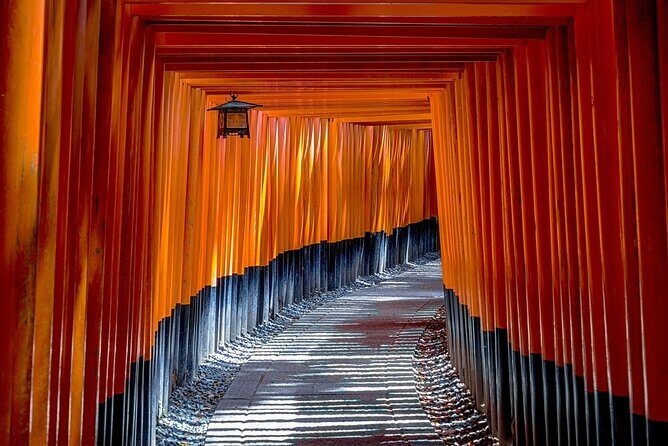
Fushimi Inari-taisha is the headline. You’re headed up a mountain toward thousands of red torii gates. Expect stairs and a steady climb. The tour time is about 1 hour, and that’s usually enough to get the key experience without turning your legs into noodles.
What’s special here is the rhythm. You go through gate after gate, and the walk feels like it has momentum. A guide helps you understand what you’re seeing while you move, so you’re not just counting reds and hoping it means something.
A practical drawback: crowds can slow you down, and the climb is real even if it’s not a mountain hike. If you’re coming in from heat or jet lag, tell your guide early. People often enjoy Fushimi Inari more when the pace stays comfortable rather than heroic.
Quick tips you can use right away:
- Wear shoes you can climb in for 30–60 minutes.
- If you get tired, ask your guide to help you choose where to turn back so you still leave feeling satisfied.
- Bring water and plan for sweaty photos if the weather is warm.
Kiyomizu-dera: the big temple view and why tickets matter
Next stop is Kiyomizu-dera, one of Kyoto’s must-visits. You’ll see a large temple structure with views over Kyoto city, and you’ll walk around the area before and after your visit.
This stop also gets about 1 hour. The key difference from Fushimi Inari is that admission isn’t included. So part of your value calculation is simple: you’ll pay a ticket here, even if the rest of your route has free entry.
Why a guide helps at Kiyomizu-dera: the site is visually dramatic, and the context can be the difference between I saw it and I get it. A good guide points out what to focus on, plus how to move through the space efficiently so you’re not stuck waiting for the best photo angle.
A possible consideration: Kiyomizu-dera can involve more walking than you expect. Even with a one-hour slot, it’s easy to feel it in your calves, especially if you did Fushimi Inari right beforehand.
If you want the most out of this part of the day, you should:
- Expect a ticket purchase and keep a little extra time for it.
- Plan for the viewpoint moment, not just the building photos.
- Ask your guide for the best spots to pause so you’re not rushing for one perfect frame.
Gion: old streets, traditional buildings, and the shop-walk balance
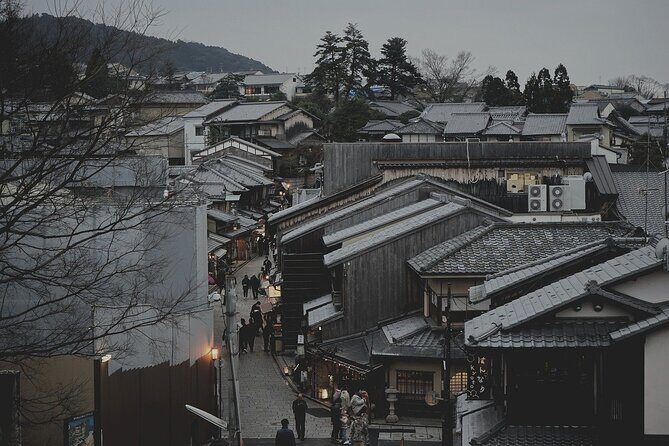
Gion is where the Kyoto mood shifts. You’re walking through one of the city’s oldest districts, scanning traditional buildings, taking pictures, and checking out local shops. It’s about 1 hour, and admission is free.
This is the part I’d call “Kyoto in character.” Fushimi Inari gives you a spiritual, mountainous feel. Kiyomizu-dera gives you a landmark-and-view payoff. Gion gives you street life: small lanes, storefronts, and the sense that time moves slower here.
A guide’s advantage in Gion is subtle but real. The area can be easy to walk past without noticing what’s worth a closer look. You’ll also likely appreciate having someone help you keep a nice route so you don’t zigzag randomly and end up with sore feet and fewer good moments.
If you’re the type who likes shopping, Gion is a solid match. Just don’t let shopping eat your whole hour. If your guide is thoughtful (and many guides are), they’ll help you balance browsing with the best sights.
You can also read our reviews of more private tours in Kyoto


Who you’ll probably enjoy this tour with
This tour fits best when you want a focused Kyoto slice, not a checklist drill.
It’s especially good if:
- You have a short window in Kyoto and want to make it count.
- Your group has mixed interests. One person wants shrines, another wants streets and photos, and you can shape the order.
- You prefer a calm, personal pace over big group logistics.
The reviews attached to this experience highlight kid-friendly flexibility as well. If you’re traveling with children, a private guide is useful because you can adjust walking intensity and timing. The tour’s success often depends on how well the guide adapts to your group’s needs.
I’ve also seen names like Nanako, Steven, Teppei, Toshiki, Tokishi, and Kyoichi (Mark) come up as guides for this style of tour. That matters because you’re not just getting route directions. You’re getting someone who can explain what you’re seeing and keep things moving with patience.
The biggest “make or break” factor: your chosen route
This tour’s flexibility is only useful if your route makes sense for your energy level. You can choose 1–3 locations, and the sample flow is basically Fushimi Inari + Kiyomizu-dera + Gion. But your ideal plan could change depending on weather and your interests.
Here’s a practical way to pick:
- If you love visual icons and don’t mind stairs, include Fushimi Inari.
- If you want viewpoints and a dramatic temple moment, include Kiyomizu-dera.
- If you want atmosphere, photos, and slow wandering, include Gion.
Then think about sequencing. Doing a climb (Fushimi Inari) before a viewpoint-heavy temple (Kiyomizu-dera) can be a lot on hot days. A guide can help you plan the order to keep your group comfortable, but it starts with telling them what your group can handle.
Also, if you have time pressure because of a train or a transfer, bring it up early. Private tours still rely on transit timing, and flexibility can’t fix a missed connection if you wait too long to decide.
What to expect on the day: walking, timing, and guide support
This is a walking-based tour. You’re looking at roughly 2 to 3 hours total, depending on what you pick and how long you linger at each stop. The tour includes the guide and customization. It also includes support for practical needs like booking a taxi and buying a SIM card, which can save you time and stress.
Pickup is offered. Still, the tour does not include a private car and driver. If you choose a route that needs paid transit, that cost isn’t covered. You’ll either pay transport separately or let the guide help you arrange options.
Food and beverages are also not included. That’s normal for a short walking tour. It just means you should plan a snack break either before you start or during the natural pauses in your route.
A few Kyoto logistics notes that can save you headaches
Kyoto rewards patience, but it also punishes confusion. This is where navigation help is worth real money.
A guide helps you:
- avoid getting turned around in crowded areas
- move efficiently between stops
- understand what’s worth stopping for and what’s just a fast pass
One review-style theme you’ll notice with this tour: guides handle “real life” problems well. For example, one guide reportedly helped manage heat with cooling wipes during a brutal day. That kind of practical thinking is the difference between visiting a city and surviving it.
For you, the takeaway is simple: communicate your needs. If you get hot, need slower pacing, or want bathroom stops, say so early. A private guide can usually adjust faster than a group tour ever could.
Should you book this flexible Kyoto tour?
If you want a customizable, private Kyoto experience in just a couple hours, I’d book it. It’s a smart choice when you care about context, pacing, and not getting lost in a city that can feel complicated on foot.
Book it if:
- You want to choose your own 1–3 stops.
- You prefer a personal guide over a fixed itinerary.
- You’re okay with walking and want to cover a few major highlights without rushing.
Skip it (or rethink the plan) if:
- You’re hoping for a mostly seated, low-walking experience. This route includes real walking and a climb at Fushimi Inari.
- You need everything handled end-to-end, including transport and meals. Those aren’t included, and you’ll want to budget.
If your group likes flexibility and you’re comfortable building a short day around a few big sites, this is the kind of tour that can make Kyoto feel manageable and memorable.
FAQ
How long is the Kyoto private flexible tour?
The tour runs about 2 to 3 hours.
Is this a private tour or do I share it with others?
It’s private. Only your group participates.
How many locations can I choose?
You can choose one to three locations.
Are pickup options available?
Pickup is offered.
What are the main stops in the example route?
Fushimi Inari-taisha Shrine, Kiyomizu-dera Temple, and Gion.
Is admission included for these stops?
Fushimi Inari-taisha and Gion are listed as free. Kiyomizu-dera Temple admission is not included.
What’s included in the price besides the guide?
Customization of the tour and support services such as help with booking a taxi or buying a SIM card.
What’s not included?
Private car and driver, transportation fees, and food and beverages are not included.
Can the guide help with practical travel tasks?
Yes. The tour includes support for things like booking a taxi and buying a SIM card.
What’s the cancellation policy for a full refund?
You can cancel up to 24 hours in advance for a full refund. If you cancel within 24 hours, the amount paid isn’t refunded.