REVIEW · KYOTO
Kyoto Gion Private Tour with a Local Guide – Geisha District
Book on Viator →Operated by City Unscripted · Bookable on Viator
Gion looks better with a local guide. I like the one-on-one pacing and how a guide can read the neighborhood in real time, pointing out machiya teahouses and the cultural signals people often miss. You also get route help that’s shaped around what you actually want to see, not a fixed script.
One consideration: a geisha (or maiko) sighting is never a sure thing, and Gion can be crowded, so expect the experience to be about understanding the district as much as chasing a photo.
In This Review
- Key things to know before you walk Gion
- Why this private Gion walk feels worth $101.57
- Where you start: Matsumoto Kiyoshi at Shijo-Kawaramachi
- Gion’s lantern lanes and machiya houses: your first cultural map
- Gion’s famous street and ochaya: spotting the cues up close
- Yasaka Shrine: a 1,300-year pivot between Gion and Higashiyama
- Shinbashi Dori and Tatsumi Bridge: willow-lined photos with meaning
- Pontocho Alley to finish: old Kyoto charm meets night dining
- How the guide tailoring actually helps you (not just adds comfort)
- What could go wrong: geisha expectations and crowd pressure
- Who should book this Gion private tour
- Should you book this private Gion tour?
- FAQ
- How long is the Kyoto Gion Private Tour?
- Is this tour private or shared?
- Where do I meet the guide?
- Is food or drinks included?
- Is transportation included?
- Does the tour include tickets for shows or attractions?
- What is the cancellation policy?
Key things to know before you walk Gion
- Private guide attention for your pace, your questions, and your priorities
- A pre-tour questionnaire + direct messaging to shape the route before you meet
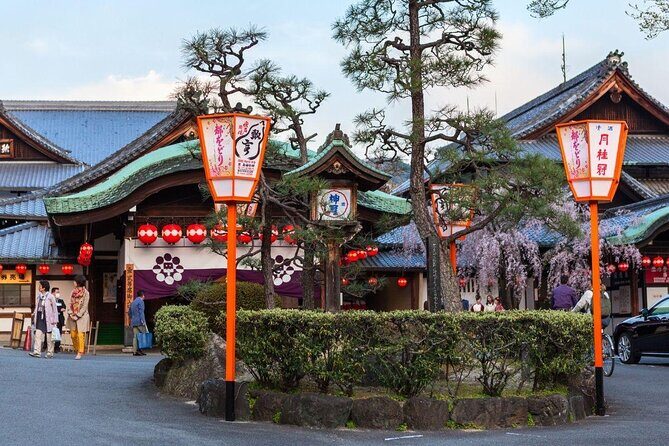
- Lantern-lit streets with context—why things look the way they do, not just what they are
- Historic stops beyond Gion like Yasaka Shrine, with festival background
- Shinbashi Dori and Tatsumi Bridge for standout scenery and practical photo timing
- Finish in Pontocho Alley where tradition and evening dining meet
Why this private Gion walk feels worth $101.57
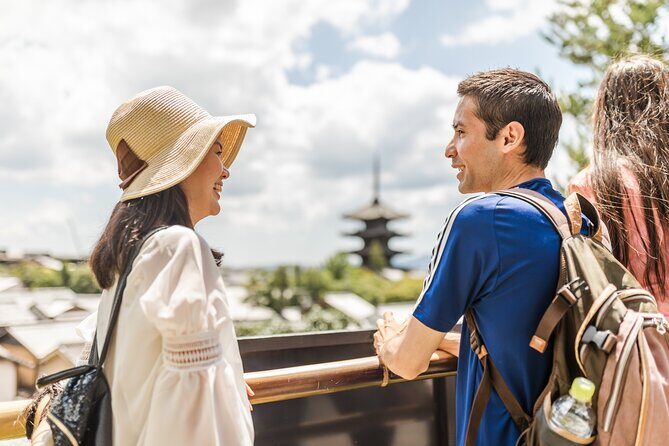
At about $101.57 per person for 2 to 3 hours, this isn’t the cheapest way to see Gion—but it is one of the most direct ways to get value. The big reason: you’re not sharing a guide with a crowd. You can ask follow-ups when something catches your eye—an alley, a sign, a ritual at a shrine—and the guide can slow down or speed up.
This tour also leans into something that matters in Kyoto: context. Without it, Gion can look like a film set. With it, you start seeing the quiet logic of the district—how traditional machiya houses, teahouse culture (ochaya), and shrine life connect to the rhythm of Kyoto.
You’ll also notice the quality difference in how guides work. Names like Emi, Milo, Ada, and Brenda show up in the guide stories tied to this route—people describing sharp explanations, good humor, and flexibility. That’s not guaranteed, but it’s a strong sign of the sort of guide talent you’re likely to get from a program that relies on one-on-one walking tours.
You can also read our reviews of more guided tours in Kyoto

Where you start: Matsumoto Kiyoshi at Shijo-Kawaramachi
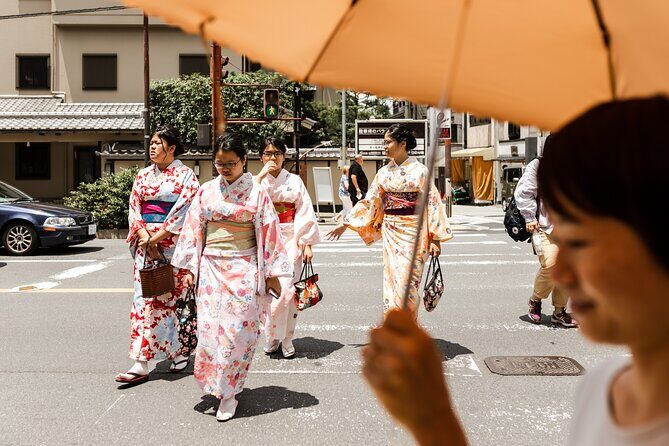
The tour begins and ends at the same meeting point: Matsumoto Kiyoshi Kyoto Shijo Kawaramachi (103-2 Hashimotochō, Shimogyo Ward). This is helpful. You’re not stuck navigating Kyoto’s side streets at the end of a 2–3 hour walk.
Pickup is offered (if you choose it), but the experience is primarily on foot. That means:
- Wear shoes you can walk in for a couple hours on uneven pavement and cobbles.
- Plan for short transfers if the guide uses public transport or a local taxi between sites; exact costs can be discussed with the host after booking.
- Bring a light layer. Kyoto streets can feel cool in the evening even when the day is warm.
A small practical win: you’ll choose a start time when booking, and the tour uses a mobile ticket. That reduces the friction of showing up on time at a fixed city corner.
Gion’s lantern lanes and machiya houses: your first cultural map
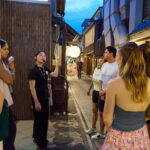
Your first stretch is the heart of the entertainment district: Gion—narrow lanes, lantern lighting, and the old wooden look of machiya townhouses. The guide’s job here is to turn the area from scenery into a place with rules.
Here’s what you should look for as you walk:
- The way streets narrow and open in stages, like the neighborhood is protecting its quieter corners.
- Traditional facades and townhouses that signal the district’s older service culture.
- Subtle “don’t stare” cues around teahouses and side entrances—Kyoto often rewards respectful observation.
This is where a private guide pays off. On a self-guided walk, you might just photograph doors and lanterns. With the guide, you learn what those visual markers mean and why they became part of Gion’s identity. It also helps you understand the geiko/maiko world without turning it into a scavenger hunt.
One drawback to expect: Gion can be thick with people at popular hours. Even with a guide, you’ll need patience to get clean photos and a calm look at details like architecture or signage.
Gion’s famous street and ochaya: spotting the cues up close
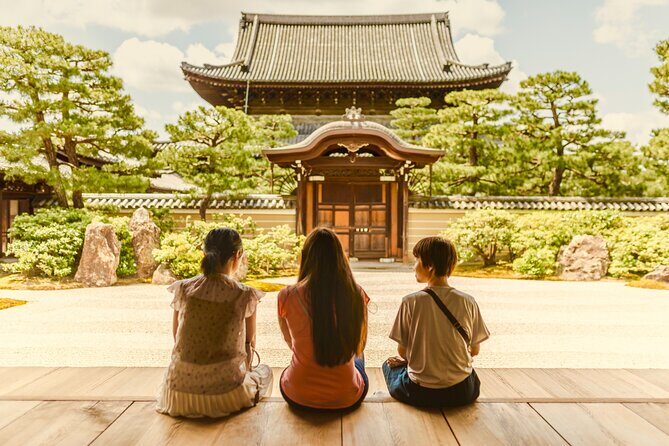
Next comes a stroll along Gion’s most famous street, closely associated with ochaya (traditional teahouses) and well-preserved Edo-period architecture. The guide points out cultural markers that are easy to miss if you’re just reading it as a tourist postcard.
What makes this stop special is how it teaches you to notice:
- Architectural details that show age and craftsmanship.
- The layout of teahouse streets—how they guide foot traffic and preserve privacy.
- Cultural context for why certain areas feel formal or quiet compared with nearby streets.
Also, this is a good moment to ask questions. If you want to understand etiquette, the guide can explain what’s appropriate when you’re close to private-looking properties. If you’re more into history, ask how Edo-period entertainment districts influenced modern Kyoto’s layout.
The trade-off: this part can feel crowded because it’s the most recognizable route. If your priority is solitude, I’d treat this segment as an “observational” walk and save your deeper wandering for calmer blocks later.
Yasaka Shrine: a 1,300-year pivot between Gion and Higashiyama
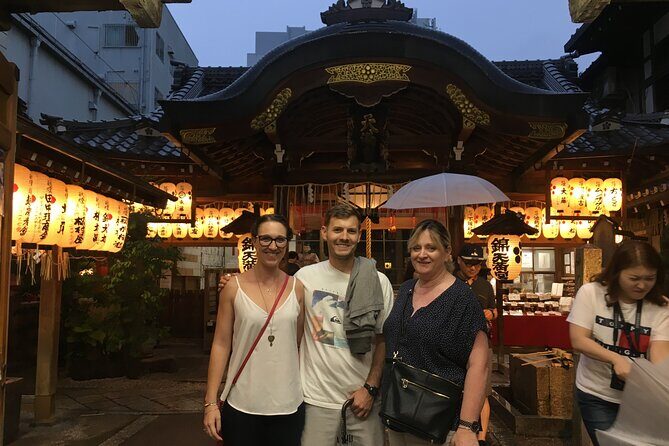
Then the tour shifts from neighborhood aesthetics to spiritual Kyoto at Yasaka Shrine, a major Shinto landmark with history spanning over 1,300 years. It sits between Gion and Higashiyama, so it’s a perfect transition: your eyes go from lantern streets to sacred grounds and festival symbolism.
Why this stop works:
- It gives you a framework for how Kyoto’s religious life shapes the calendar, including famous local events.
- You’re not just seeing “pretty places”—you’re learning why certain moments matter to locals.
Yasaka Shrine is also the type of location where a guide helps you avoid common mistakes. Even if you don’t know much Japanese, you’ll usually get a quick explanation of what you’re seeing and how to behave respectfully.
Practical note: shrine areas can be busy too. If the earlier Gion lanes felt tight, this stop is a good reminder to slow down and focus on the meaning of spaces—not just the view.
You can also read our reviews of more private tours in Kyoto


Shinbashi Dori and Tatsumi Bridge: willow-lined photos with meaning
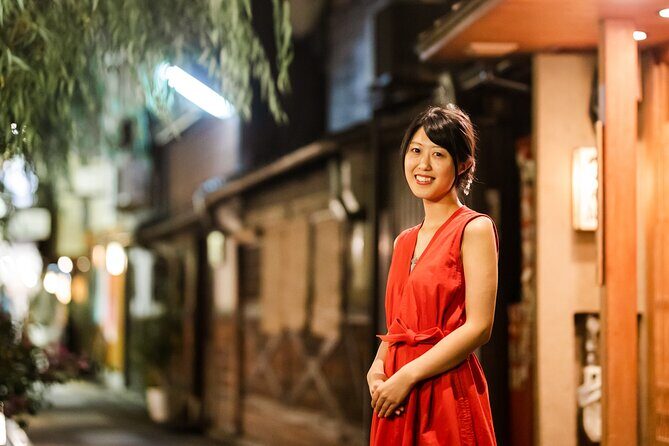
After Yasaka, you walk along Shinbashi Dori, known for its picturesque street character, framed by willow trees and traditional facades. This is where the tour becomes more about atmosphere. The streets feel like Kyoto in motion—quiet, old, and somehow still stylish.
The guide then pauses at Tatsumi Bridge, described as a beloved photo spot with deep local significance. The value isn’t only the photo. It’s the context: why locals care about that place and what you’re meant to notice when you’re there.
This segment is also a good place to check your timing. If you like photos, ask your guide where the best angles are and how to avoid the worst crowd bottlenecks. With a private guide, you can usually adjust on the fly.
One small caution: if you’re very photo-focused, the walking pace can feel a bit slow when you want to keep moving. On the flip side, if you want cultural rhythm more than speed, this is exactly the right kind of stop.
Pontocho Alley to finish: old Kyoto charm meets night dining
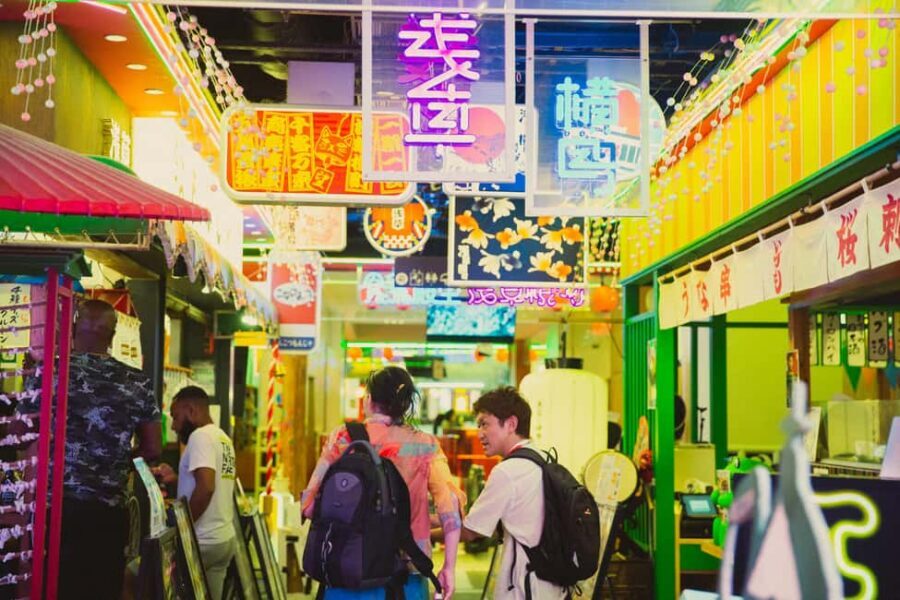
The tour ends in Pontocho Alley, one of Kyoto’s oldest nightlife areas—narrow, atmospheric, and packed with small dining spots tucked along the street. Even if you’re not planning to eat, this ending lands well because it shows how Kyoto’s “traditional” and “social” sides overlap in the same narrow corridors.
What you should do at the end:
- Take in the lighting and street shape before you drift toward dinner.
- If you want to continue exploring, ask your guide for practical restaurant or dessert recommendations in the area. Food and drinks aren’t included in the tour, so you’ll decide what fits your budget and mood.
If you’re traveling with family, this is a solid closing point. It’s visually striking, easy to understand at a glance, and it doesn’t require museum-style attention to appreciate.
The main consideration is the “nightlife” factor. Pontocho can feel lively, and that’s great—unless you came for a calm, quiet finish. In that case, you might want to ask your guide about a slightly earlier end time (when booking allows) or plan your next stop accordingly.
How the guide tailoring actually helps you (not just adds comfort)
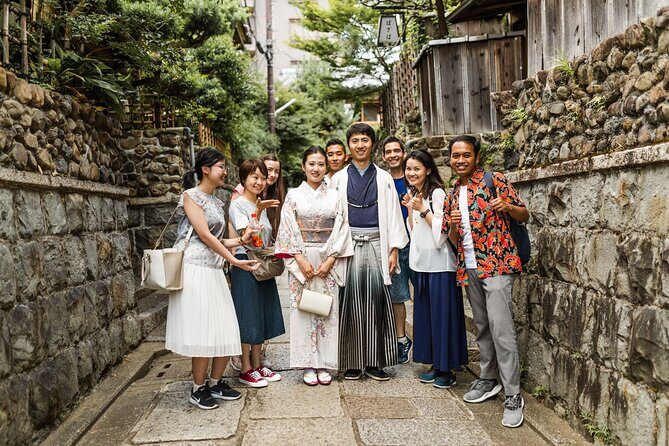
This tour is built around customization. Before your walk, you’ll fill out a pre-tour questionnaire about interests, preferences, and must-sees. After that, your host personally reaches out to craft a route that fits you—history, food, hidden corners, or cultural explanation.
In practice, that matters because it changes what “Gion” means for you:
- If you’re into cultural rules, the guide can slow down at key moments and explain etiquette and why certain behaviors matter.
- If you care about storytelling, the guide can focus on the district’s entertainment-district role rather than treating everything as a generic landmark.
- If you want simple clarity, you’ll get a guided narrative that helps you make sense of what you’re looking at.
You’ll also get flexibility around timing. Guides have been known to adjust schedules when people arrive late and even help connect to things like the Gion Corner Geisha Show if you have bookings and want that added context at the end.
A couple of etiquette tips that are worth following on this kind of walk:
- Keep your volume down in quieter lanes and near shrines.
- Don’t block entrances or slow traffic at the most photogenic spots.
- If you’re hoping for a geiko/maiko sighting, treat it as possible, not guaranteed—and stay respectful if you’re near someone on an errand.
What could go wrong: geisha expectations and crowd pressure
This tour markets the Gion geisha district feel, but the real-world issue is simple: sightings can’t be promised. Even locals can’t predict who will be walking where.
So set your goal correctly:
- Aim to understand the district—how it works, what the architecture signals, and how shrine culture ties into Kyoto’s calendar.
- If a geiko or maiko appears, treat it like bonus luck.
Crowds are the other factor. Gion is famous, and lantern-lit streets bring people in waves. If your schedule allows, choose a start time when you’ll have the patience for tight sidewalks. One guide note also points out that timing can change your overall vibe, so if you dislike night crowds, consider a daytime schedule option when you book.
Finally, like any walking experience, you’re responsible for your own comfort. If you’re not used to Kyoto’s uneven surfaces, you’ll feel it by the end.
Who should book this Gion private tour
Book it if you want:
- A private guide who can shift the route to your interests.
- A walking plan that covers Gion, Yasaka Shrine, Shinbashi Dori, and Pontocho without you having to piece together logistics.
- Cultural context for what you’re seeing—especially around teahouse culture and shrine life.
You might skip it if:
- You only care about taking photos quickly and don’t want cultural explanations.
- Your schedule is tight and you can’t handle a 2–3 hour walking pace.
- You expect a guaranteed geisha encounter. This tour is about the district’s culture, not a guaranteed sighting machine.
If you’re a first-time Kyoto visitor, this is a great orientation. If you’ve been before, it still works because the guide can help you see Gion with clearer meaning, not just recognizable scenery.
Should you book this private Gion tour?
My take: yes, if you’re the type of person who enjoys understanding a neighborhood while you’re walking it. This is good value for the money because it combines private attention with a route that connects Gion’s entertainment-district identity to shrine culture and ends at Pontocho’s real atmosphere.
If your top priority is guaranteed geisha photos, you should temper expectations. But if your priority is learning the district’s “why,” asking questions in plain terms, and leaving with a sharper sense of what you saw, this kind of private guided walk is exactly the right tool.
FAQ
How long is the Kyoto Gion Private Tour?
The tour lasts about 2 to 3 hours.
Is this tour private or shared?
It’s private. Only your group participates.
Where do I meet the guide?
You meet at Matsumoto Kiyoshi Kyoto Shijo Kawaramachi (103-2 Hashimotochō, Shimogyo Ward, Kyoto).
Is food or drinks included?
No. Food, drinks, and any attraction tickets are not included.
Is transportation included?
Primarily it’s a walking experience. Public transport or local taxis may be used to transfer between sites, and any exact costs can be discussed with your host after booking.
Does the tour include tickets for shows or attractions?
Tickets are not included. If you want to connect to an attraction, you can ask your host for local recommendations, but you’d handle tickets separately.
What is the cancellation policy?
You can cancel for a full refund up to 24 hours before the experience starts. If you cancel less than 24 hours before, the amount paid is not refunded.