REVIEW · KYOTO
Kyoto 6hr Instagram Highlights Private Tour with Licensed Guide
Book on Viator →Operated by Japan Guide Agency · Bookable on Viator
Kyoto looks amazing on Instagram. This private 6-hour highlights tour is built around getting you to the right spots with a licensed English guide who knows how to explain them. It’s customizable so you can shape the day around the photos you actually want, not a fixed checklist.
I especially like that you can pick 3–4 sites from the must-see list, which makes the pacing feel realistic. I also like the photo-smart flow: iconic exteriors, temple details, and street scenes all get short time windows so you’re not stuck waiting around.
One consideration: it’s a walking tour, and some stops involve extra travel time (like Uji for Byodoin). If you hate walking or you’re traveling during a packed holiday, expect slower movement and plan your choices carefully.
In This Review
- Key things I’d plan around before you go
- How the 6-Hour Kyoto plan actually feels
- Togetsukyo Bridge and Arashiyama Bamboo Forest: your photo starts here
- Togetsukyo Bridge (about 30 minutes)
- Bamboo Forest Street (about 30 minutes)
- Higashiyama temple time: Kiyomizudera, Yasaka Shrine, and Kennin-ji
- Kiyomizudera (about 30 minutes)
- Yasaka Shrine (about 30 minutes)
- Kennin-ji (about 15 minutes)
- Gion on foot: geisha-era streets and quick shopping breaks
- Fushimi Inari-taisha: choosing how hard you want to walk
- Uji Phoenix Hall option: Byodoin when you can handle the extra travel
- Price and value for a licensed guide in Kyoto
- Guide energy and flexibility: what you can expect from real people
- Practical tips for a smooth walking day
- Should you book this Kyoto Instagram Highlights private tour?
- FAQ
- How many stops do I get in this 6-hour tour?
- Is this tour fully walking, or do I ride in a vehicle?
- Is there a licensed English-speaking guide?
- Are admission fees included?
- Do I need to arrange tickets myself?
- Is this tour private?
- Does it include pickup from my hotel?
- Can I bring a service animal?
- Can I change which places I visit?
Key things I’d plan around before you go
- Licensed local English guide: you’re not just moving between photos; you get context and practical tips
- Custom 3–4 stop mix: you can prioritize Arashiyama, temples, Gion, or Fushimi Inari based on your style
- Most major exteriors cost nothing: several signature areas are free to enter (bridges, bamboo path, shrine grounds)
- Some temples cost extra: Kiyomizudera, Kennin-ji, and Byodoin are marked as ticketed
- Uji can steal time: Phoenix Hall is worth it, but the extra travel affects how much you can fit
- Private means no waiting for strangers: only your group, and the guide can adjust breaks
How the 6-Hour Kyoto plan actually feels
This tour is designed for a single, high-yield day: about 6 hours of moving, stopping, and getting oriented. You choose 3–4 sites from the options, which is the big advantage. Instead of spending time commuting between far-apart attractions, the guide steers a logical route in a way that keeps the day from turning into a blur.
Time is intentionally short at each stop. Expect around 30 minutes for major highlights like Togetsukyo Bridge, Arashiyama Bamboo Forest, Kiyomizudera, Yasaka Shrine, Gion, and Fushimi Inari-taisha. Kennin-ji and Byodoin are shorter (around 15 minutes each), so you’ll see the core sights without turning every moment into a long museum visit.
Transport is part of the plan. Pickup is offered, but it’s not a car pickup inside your hotel lobby—meet the guide on foot within a designated Kyoto area, and then the day runs on public transportation and walking. One practical upside of that approach is flexibility. If the streets get crowded, the guide can adjust the route rather than being stuck in a rigid plan.
You can also read our reviews of more guided tours in Kyoto
Togetsukyo Bridge and Arashiyama Bamboo Forest: your photo starts here
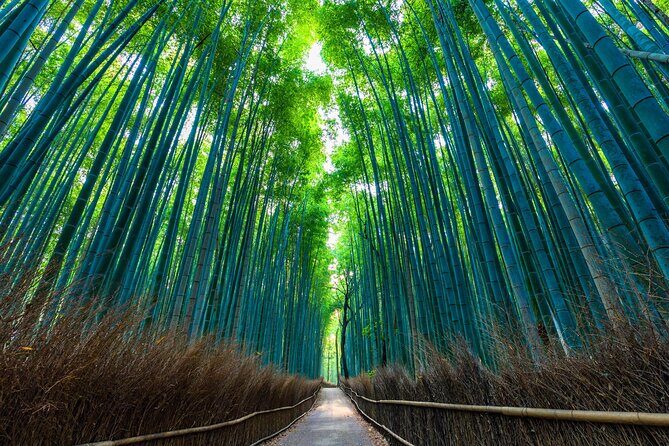
Arashiyama is where Kyoto’s Instagram look becomes real. If you only pick one “wow” zone for photos, this is the one.
Togetsukyo Bridge (about 30 minutes)
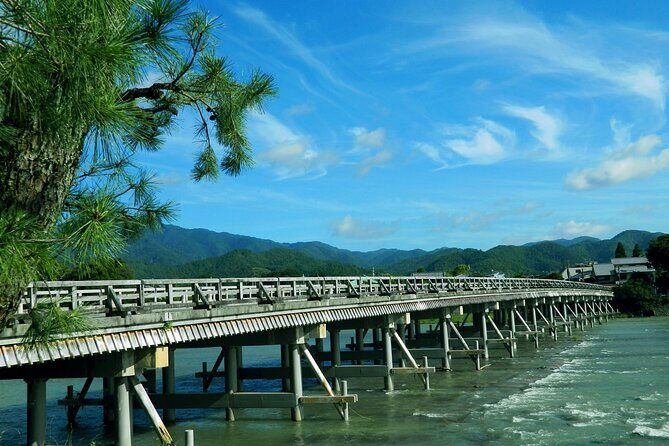
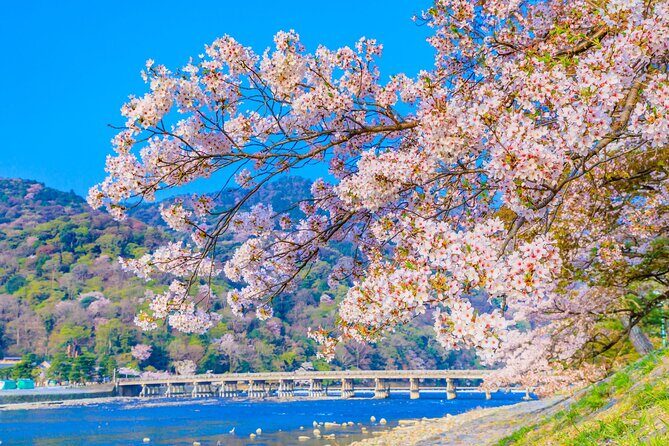
Togetsukyo Bridge crosses the Katsura River and connects directly to the Saga Arashiyama area. The appeal is simple: you get a 155-meter span plus a photogenic riverside walkway. The background hills help the frame feel bigger than it really is, which is why this spot keeps showing up in travel feeds.
What you’ll do here: stroll the footpath for angles, snap the classic river-and-hills views, and then transition into the bamboo area without the day feeling rushed. Admission is free.
Bamboo Forest Street (about 30 minutes)
The Bamboo Forest of Arashiyama is the iconic bamboo grove look you’ve seen a hundred times. The experience is all about the rhythm of the path: when you walk far enough, the bamboo stalks create that tunnel effect that photos instantly recognize.
Practical note: bamboo forests are famous for crowds at peak times. You’ll likely want to start with a calm photo attempt first, then use the remaining time for wandering and changing angles. Admission is also free here, so you’re paying for time and guidance, not tickets.
Higashiyama temple time: Kiyomizudera, Yasaka Shrine, and Kennin-ji
If Arashiyama gives you the “Kyoto nature” vibe, Higashiyama gives you “temple streets and dramatic architecture.” This part of the day is where the guide’s storytelling matters, because a temple seen with zero context can feel like just another postcard.
You can also read our reviews of more private tours in Kyoto
Kiyomizudera (about 30 minutes)
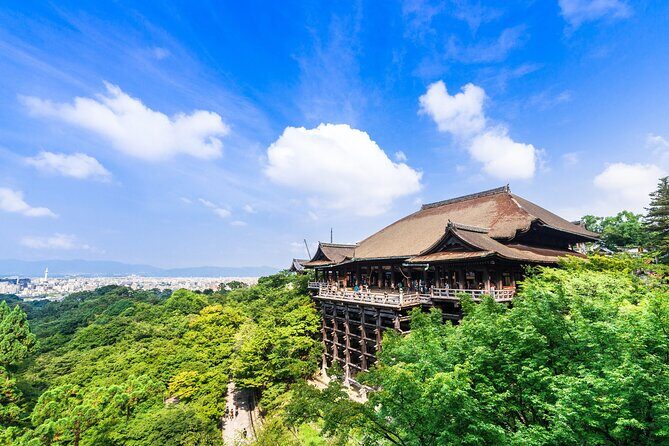
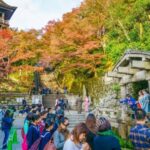
Kiyomizudera is one of Kyoto’s best-known temples, and it’s easy to see why. The main terrace experience is tied to the views, and the description highlights its large open-air wooden terrace as a key moment. Even if you’re not going deep into history, the placement in greenery makes it visually satisfying.
Admission for Kiyomizudera is listed as not included. That means you should expect extra spending if you choose it, and you should budget a little extra time to handle entry.
Yasaka Shrine (about 30 minutes)
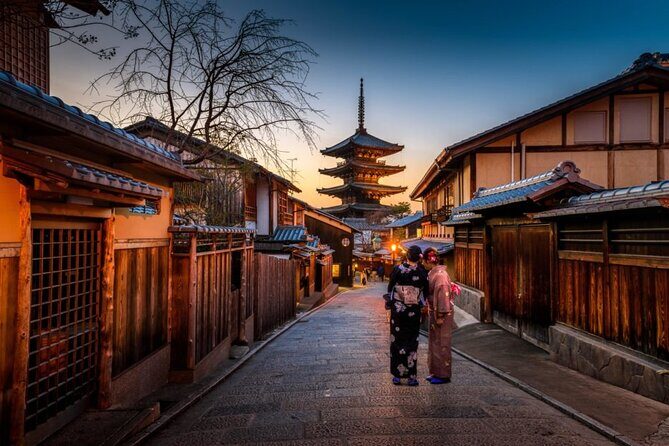
Yasaka Shrine has that classic Kyoto silhouette feel. The standout here is the Yasaka Pagoda connection: it’s described as a five-story structure (46 meters) associated with the area’s past temple presence. Even though the original Hokanji Temple is now gone, the pagoda reference gives the shrine area more story than a quick photo stop.
Admission is free. This is a good place to pause for photos that look less like “you in front of a monument” and more like you’re walking through the city’s spiritual side.
Kennin-ji (about 15 minutes)
Kennin-ji is shorter on the schedule, which is exactly how I’d choose to see it if you have only a half day. The grounds are described as spacious and pleasant to walk, and the two karesansui (dry landscape gardens) are the reason it fits.
Admission is listed as not included, and the stop is brief. Plan to focus on the garden areas you can access quickly, then use the remaining minutes for a calm walk rather than trying to cover the entire site.
Gion on foot: geisha-era streets and quick shopping breaks
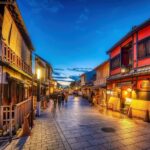
Gion is where Kyoto goes from scenery to atmosphere. You’re looking for preserved streets, classic architecture, and that “night-life elegance from another era” feeling—even in daylight.
The tour keeps Gion to about 30 minutes and notes its role as the entertainment district home to geisha and maiko. It also highlights the area’s beautifully preserved historic character. This is one of the stops that works best as a break between temple areas and shrine crowds, since the vibe is more about strolling than climbing.
Admission is free. A nice use of your time here: pick one short walk down a side street for photos, then use the rest for small purchases or a snack if you’re hungry. Just remember: the tour doesn’t include lunch, so you’ll likely want to eat on your own around this part of the day.
Fushimi Inari-taisha: choosing how hard you want to walk
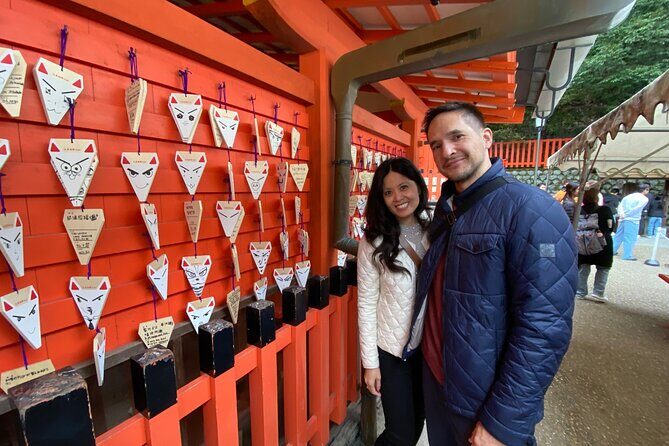
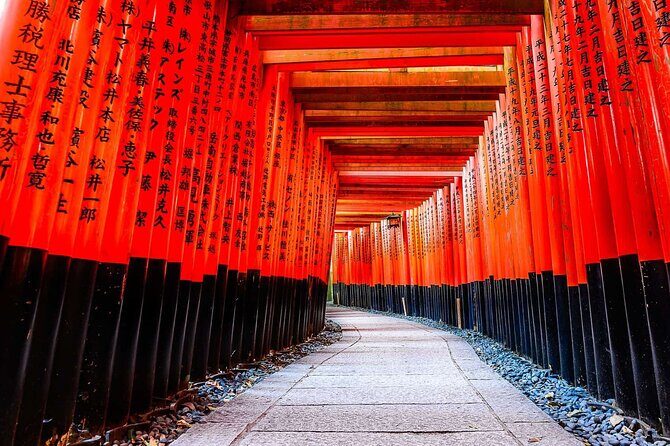
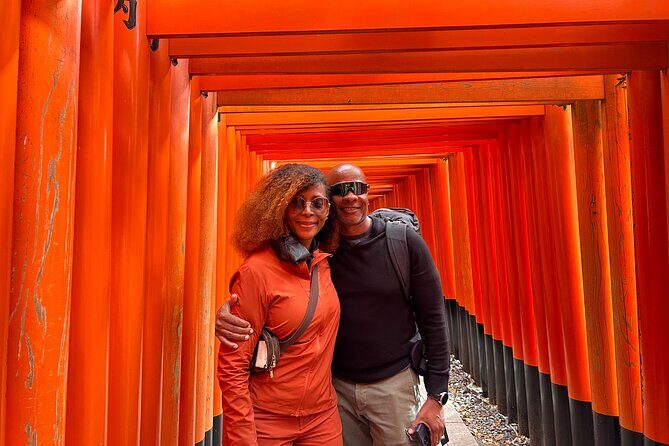
Fushimi Inari-taisha is the “torii gate” Kyoto icon, and it’s usually the most photographed place on any Kyoto list. Here’s what the tour gives you: an easy-to-fit stop that’s built around the famous 1,000+ vermillion torii gates.
The key is how you treat your time. If you want the full dramatic gate tunnel look, you may naturally walk deeper. If you want more variety of angles without exhausting your feet, you can stop earlier and still get that signature photo impact. The good news is that the stop is about 30 minutes, and admission is free.
Practical tip: pair Fushimi Inari with your walking comfort level. If you already chose Arashiyama and extra temple sites, you might keep your Inari time to the first major gate sections.
Uji Phoenix Hall option: Byodoin when you can handle the extra travel
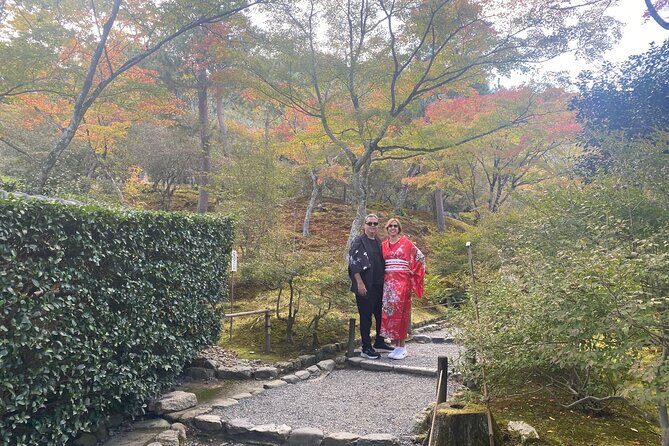
Byodoin Temple sits in Uji, which is why it’s treated differently. The information explicitly says extra travel time is expected because it’s outside Kyoto city proper. That matters: even though the stop itself is about 15 minutes, the day may slow down due to transit.
Why choose it? Byodoin is known for the Phoenix Hall, described as a National Treasure of Japan and a UNESCO World Heritage Site. If your goal is Kyoto as a “culture and architecture” day, this stop can be the one that makes your photos look more “serious” and less “street scenes only.”
Admission for Byodoin is listed as not included. So if you choose it, I’d treat it as a paid highlight worth budgeting for, not a quick free add-on.
Price and value for a licensed guide in Kyoto
At $154.37 per person for about 6 hours, this tour isn’t the cheapest way to see Kyoto, but it is built for value in two ways.
First, the guide is licensed (Japanese government certified) and delivers interpretation in English. That matters because Kyoto’s sights have layers: shrine meaning, temple symbolism, and why certain views exist. Without guidance, it’s easy to miss those “why this looks like that” details.
Second, you’re paying for a smart selection process. You choose 3–4 sites, and several of the classic exterior stops are free to enter. When you combine free-entry icons (Arashiyama and Fushimi Inari areas) with a couple of ticketed temples (like Kiyomizudera or Byodoin), you get a day that feels purposeful.
Also, you get a private format. That means no slow group consensus. You’re not waiting for strangers to catch up, and the guide can give short breaks where needed.
One cost reality: entrance fees aren’t included for some key stops. Kiyomizudera, Kennin-ji, and Byodoin are marked as not included. So the final “all-in cost” depends on what you choose.
Guide energy and flexibility: what you can expect from real people
This is where the tour earns its near-perfect rating. The guides are described as energetic, patient, and willing to adapt.
I noticed a few themes from guide styles that match how most people experience Kyoto:
- Amira-san: described as high-energy, moving the group along with constant motivation. If you want the day to feel lively and efficiently paced, this style fits.
- Tomy: specifically described as flexible with a young child and able to build breaks into the plan. If you’re traveling with kids, this kind of pacing flexibility is gold.
- Tark: known for building the itinerary based on what the person wanted, plus guiding photo placement. If you care about where to stand for better shots, this helps.
- Hiro-san: described as kind and patient, with the tour designed so major sights were seen without rushing. If you dislike being rushed, aim for this slower-feeling pacing.
There’s also a real-world lesson in one note about timing: one person accidentally picked a public holiday, and the city was packed, making things slower. In Kyoto, that can happen. If your dates overlap with holidays or peak weekends, keep your expectations realistic and choose fewer, more meaningful stops.
Practical tips for a smooth walking day
A good day in Kyoto is mostly planning and shoes. Since this is a walking tour and pickup happens on foot, here’s how I’d prepare.
- Wear comfortable, broken-in shoes. You’ll be walking between attractions and waiting in the open at popular spots.
- Bring a light layer. Even on a small rain chance, one guide note mentioned it stayed relatively comfortable. Still, weather can change fast in this part of Japan.
- Choose your mix based on effort. If you pick Uji (Byodoin), you’ll likely feel it in transit time.
- Use Gion as a reset. It’s a great time to step off the temple intensity and walk at an easier pace.
Also, keep your phone ready for the practical bits. The tour uses a mobile ticket, and the meeting point is near public transportation, which makes it simpler to recover if you lose time.
Should you book this Kyoto Instagram Highlights private tour?
Book it if you want Kyoto that feels guided, photo-focused, and not stressful. This works especially well if:
- you want the classic sights like Arashiyama, Gion, and Fushimi Inari-taisha with less confusion
- you care about photo timing and placement, not just sightseeing checkmarks
- you’d rather spend money on guidance than on extra taxis or trial-and-error directions
Skip it or adjust your expectations if:
- you hate walking days, since this is built around walking and public transit
- you want a full temple deep-dive with long stays (this is short-stop, highlight pacing)
- you choose multiple ticketed sites and end up with a larger add-on cost than you planned
If you’re the type who likes to arrive in Kyoto already knowing what you want to photograph, this tour is a strong fit.
FAQ
How many stops do I get in this 6-hour tour?
You customize the day by choosing 3–4 sites from the options.
Is this tour fully walking, or do I ride in a vehicle?
It’s a walking tour. Pickup is offered, but you meet the guide on foot within a designated Kyoto area.
Is there a licensed English-speaking guide?
Yes. The tour includes a licensed local English speaking guide.
Are admission fees included?
Admission is not included for some stops. Kiyomizudera, Kennin-ji, and Byodoin are marked as not included, while places like Togetsukyo Bridge, Bamboo Forest, Yasaka Shrine, Gion, and Fushimi Inari-taisha are listed as free.
Do I need to arrange tickets myself?
You get a mobile ticket, and confirmation is received at booking time.
Is this tour private?
Yes. It’s private, meaning only your group participates, and you can’t combine multiple tour groups.
Does it include pickup from my hotel?
The tour offers pickup, but the guide meeting happens on foot within a designated area of Kyoto, rather than a private vehicle pickup.
Can I bring a service animal?
Yes. Service animals are allowed.
Can I change which places I visit?
Yes. The tour is customizable: you choose your must-see spots from the provided list to create your itinerary.