REVIEW · KYOTO
Kyoto: Guided Tour in UNESCO Site, Kiyomizu-dera – 90 Min.
Book on GetYourGuide →Operated by DeepExperience, Inc. · Bookable on GetYourGuide
Kiyomizu-dera hits you fast—in the best way. I love the wooden stage and the big Kyoto views, and I also love how the guide makes the temple feel understandable, not just pretty. One thing to consider: it’s a short 90 minutes, so you’ll hit the main sights and viewpoints, but you won’t have time to wander at full depth on your own.
You’ll start at Nio-mon, walk into Kiyomizu-dera with an expert guide, and end back where you began—without the stress of figuring out what matters most. Guides I’ve seen on this tour include Satoshi, Hiro, and Takao (Teppei), and the big theme is clear English, strong context, and help with photos when the crowd and angles get tricky. If you’re expecting a full-day temple marathon, plan differently.
In This Review
- Key takeaways before you go
- Kiyomizu-dera in 90 minutes: what you actually get
- Meeting at Nio-mon with a yellow DeepExperience sign
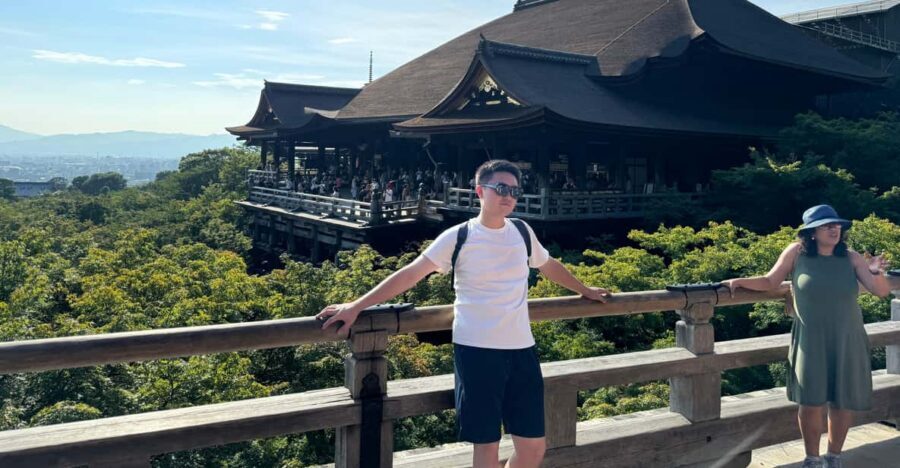
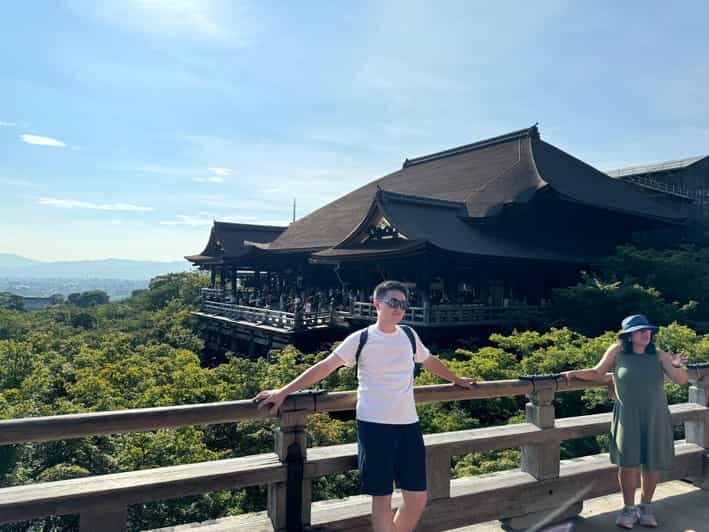
- Main hall and the iconic stage: Kyoto’s view with context
- Otowa Waterfall wishes: the three streams of fortune
- The viewpoints: quick photo stops that don’t waste your time
- Guides matter: Satoshi, Hiro, and Teppei’s impact
- Price and value: is $69 worth 90 minutes?
- What’s included vs. what’s not: know before you arrive
- Who should book this Kiyomizu-dera guided walk?
- Should you book? My call on DeepExperience’s 90-minute tour
- FAQ
- FAQ
- How long is the Kiyomizu-dera UNESCO guided tour?
- Where do I meet the guide?
- What’s included in the price?
- Is Zuigudo Hall included?
- What languages are available for the live guide?
- Is there free cancellation?
Key takeaways before you go
- Main hall + iconic stage walk-through that explains what you’re looking at
- Otowa Waterfall stop with the meaning of the three streams of fortune
- Nail-free wooden architecture context that makes the building feel real
- Two viewpoint photo breaks for Kyoto city views without wasting time
- Private group format with English or Japanese support
- You get Kiyomizu-dera entry tickets, but Zuigudo Hall is not included
Kiyomizu-dera in 90 minutes: what you actually get
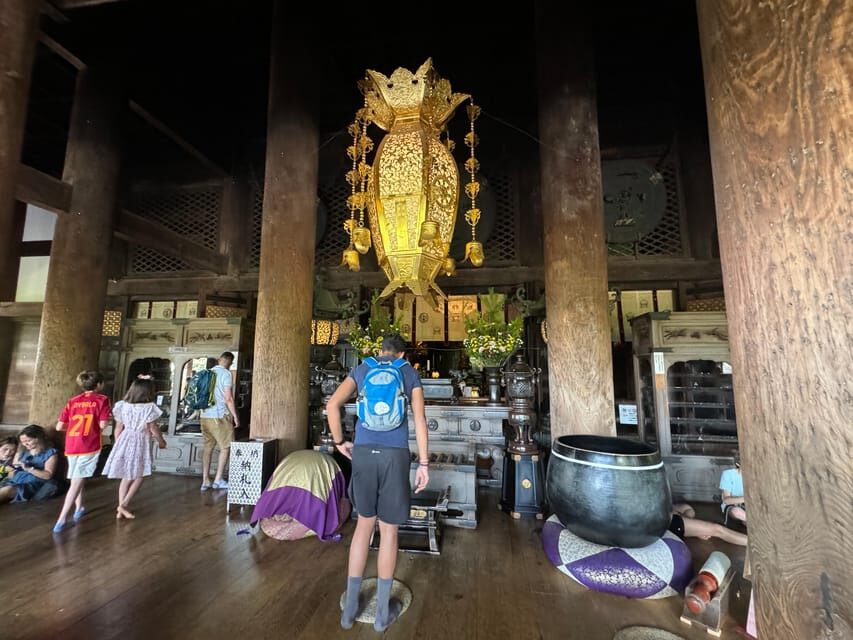
This tour is built for the sweet spot: the most famous parts of Kiyomizu-dera, plus enough story to make the place click. In 90 minutes, you’ll cover the main hall area, the standout stage views, and the Otowa Waterfall moment that many people come for. It’s not a “check every building” plan. It’s more like getting the essentials with guidance so you don’t lose time or miss what’s special.
I like that the pace is guided but not rushed-chaotic. You get photo stops, viewpoints, and “wait, here’s why this matters” explanations. That combination matters at Kiyomizu-dera, because it’s easy to get swept up in the scenery and miss the details that make the temple memorable.
The tone is also practical. Guides focus on what you’re seeing right now—how the architecture works, what to notice, and what the rituals and legends are pointing to. If you’re the type who wants a temple visit to feel meaningful (not just scenic), this fits.
You can also read our reviews of more guided tours in Kyoto

Meeting at Nio-mon with a yellow DeepExperience sign
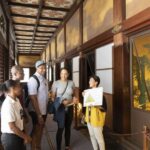
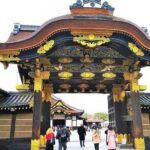
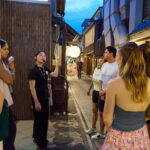
Your start point is clear: meet your guide in front of the deva gate (Nio-mon). The guide will be holding a yellow sign with the DeepExperience logo. That matters because Kiyomizu-dera’s entrance area can look like a lot of people and landmarks at once.
This is a private group, so you’re not stuck watching from behind a wall of strangers. You’ll also have direct access to your guide for quick questions, like where to stand for the best view or what detail to notice on the buildings.
One small but real benefit: because the meeting is at Nio-mon and the tour returns there, you don’t have to figure out how to get back. That’s a relief in Kyoto, where a “simple stroll” can become a navigation puzzle if you’re not paying attention.
Main hall and the iconic stage: Kyoto’s view with context
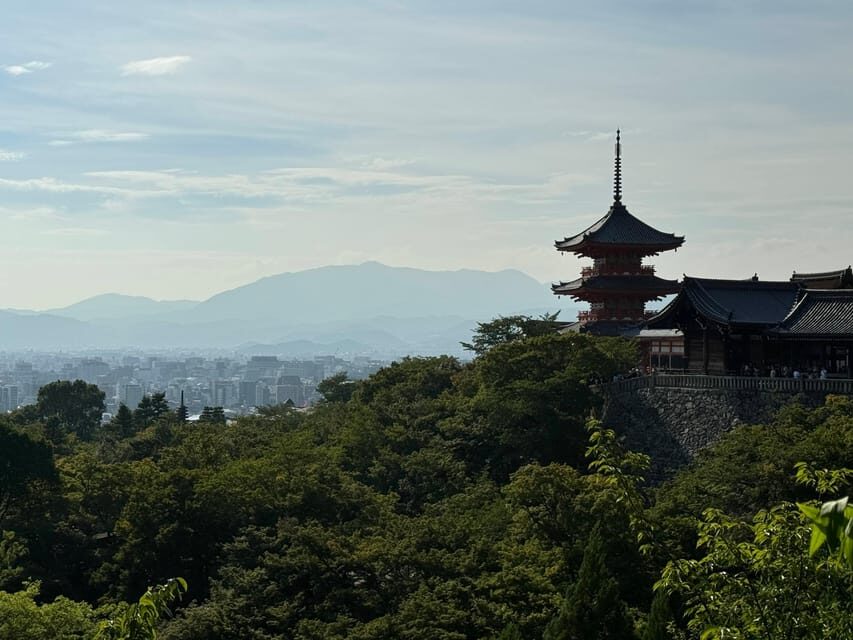
The heart of this tour is your guided walk through the main hall area and the iconic wooden stage. You’ll get a photo stop, then the guide leads you through what makes this structure so famous. Kiyomizu-dera was founded in 778 AD, and part of the excitement is how old the site is—plus how the architecture still impresses.
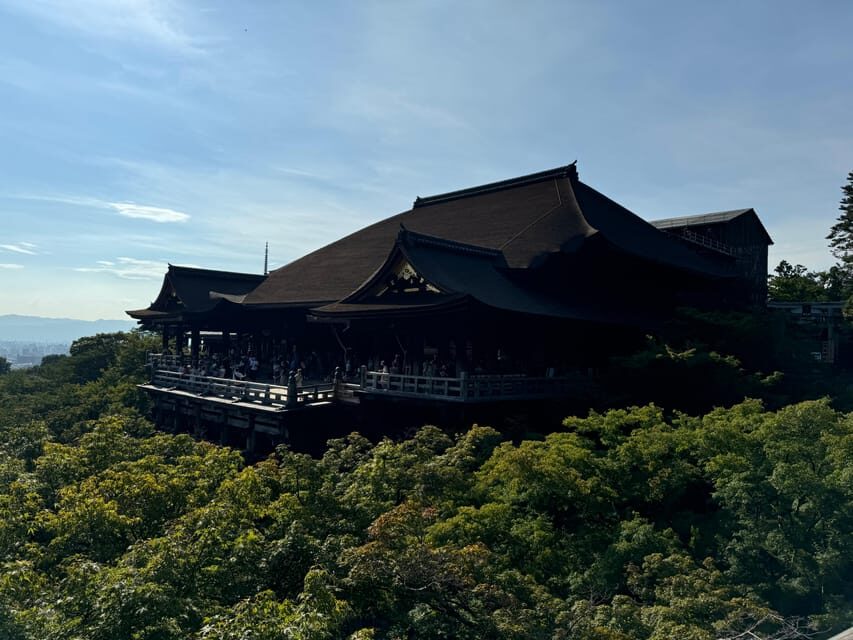
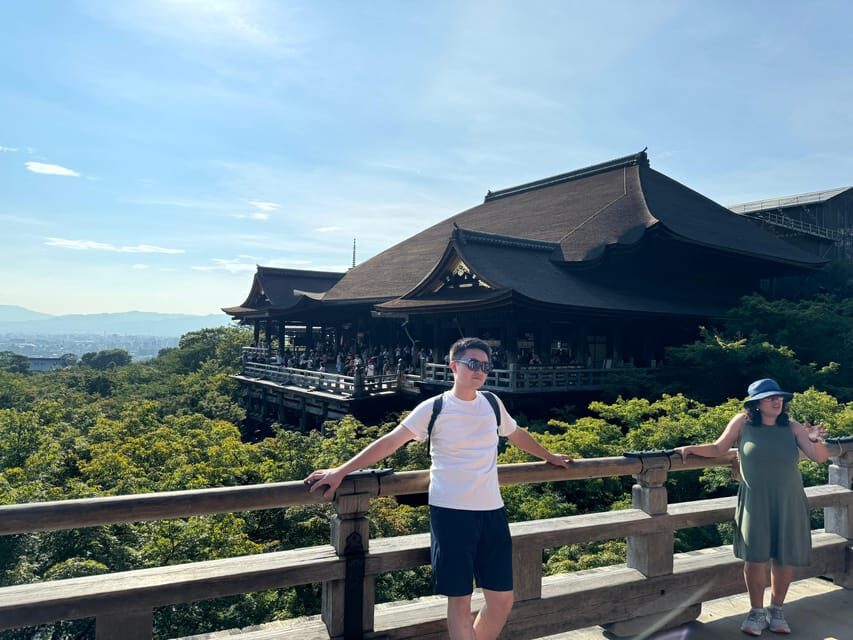
The stage is the star because it does two things at once. First, it gives you sweeping views over Kyoto. Second, it comes with a whole layer of meaning. Your guide will point out details and explain why this place became a symbol of belief, craft, and endurance.
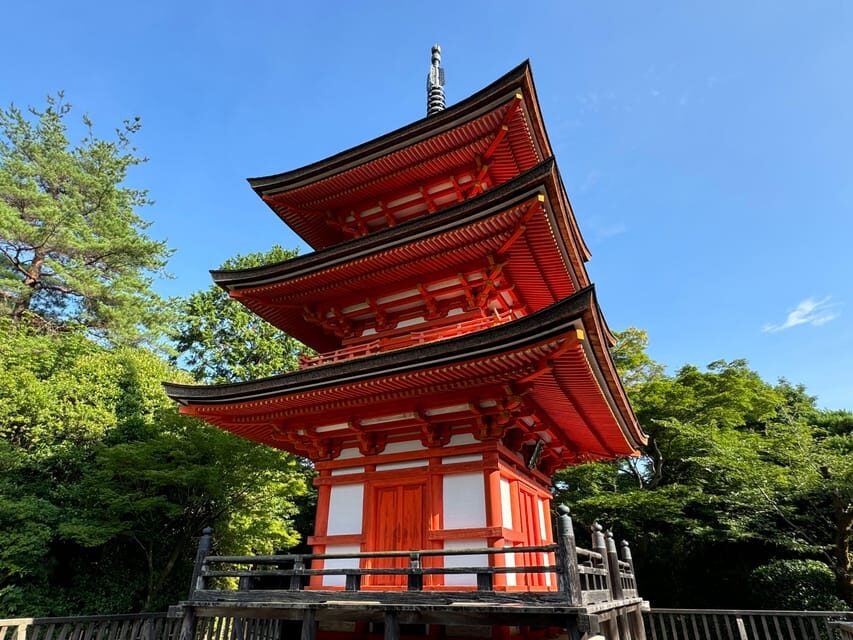
You’ll also hear about the construction approach—specifically that the architecture is built without nails. Even if you’re not a builder, that detail helps you see the temple as more than a photo backdrop. It turns it into a physical accomplishment: timber, joinery, and a design that has survived for centuries.
If you’re trying to decide what to prioritize when you arrive, this tour’s answer is straightforward: focus on what your guide points out around the main hall and stage. The views are obvious, but the context is what makes them land.
Otowa Waterfall wishes: the three streams of fortune
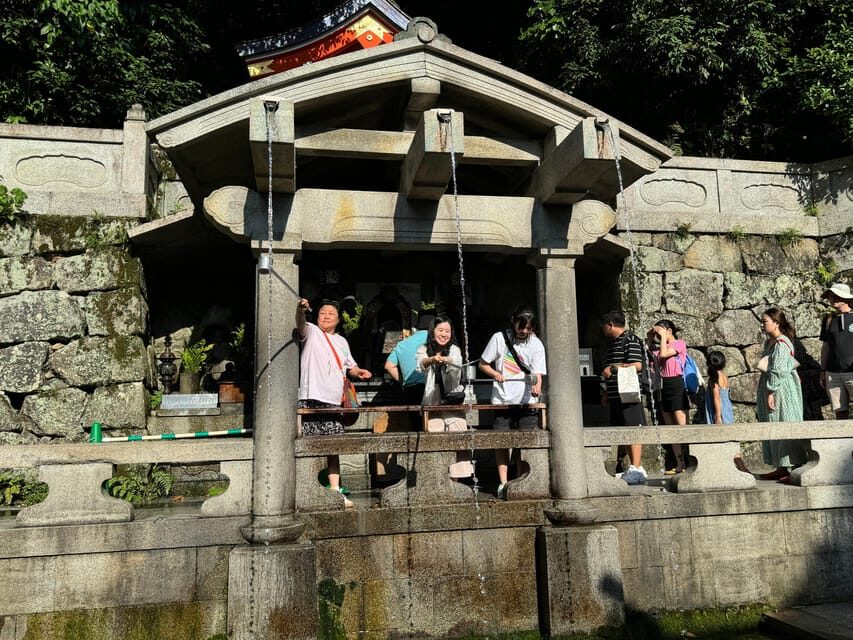
Next up is the Otowa Waterfall, and this is where the tour slows slightly in meaning, even if the walking keeps moving. The waterfall is famous for three streams of fortune, traditionally tied to wishes for longevity, success, and love.
What I like about having a guide here is simple: legends can turn into vague trivia if you’re on your own. With a guide, you get the story behind the symbolism and what visitors commonly associate with each stream. That makes the stop feel like part of the temple, not just a “cool waterfall photo” checkpoint.
Also, the Otowa area is one of those spots where it’s easy to miss what people are doing because you’re focused on the water itself. A guide helps you understand the flow of the space—where to pause, what to watch, and how to make the stop feel respectful while still enjoying it.
If you want your visit to connect emotionally, this is the moment. The whole thing is short, but it gives you a ritual-style highlight that’s different from the stage viewpoints.
The viewpoints: quick photo stops that don’t waste your time
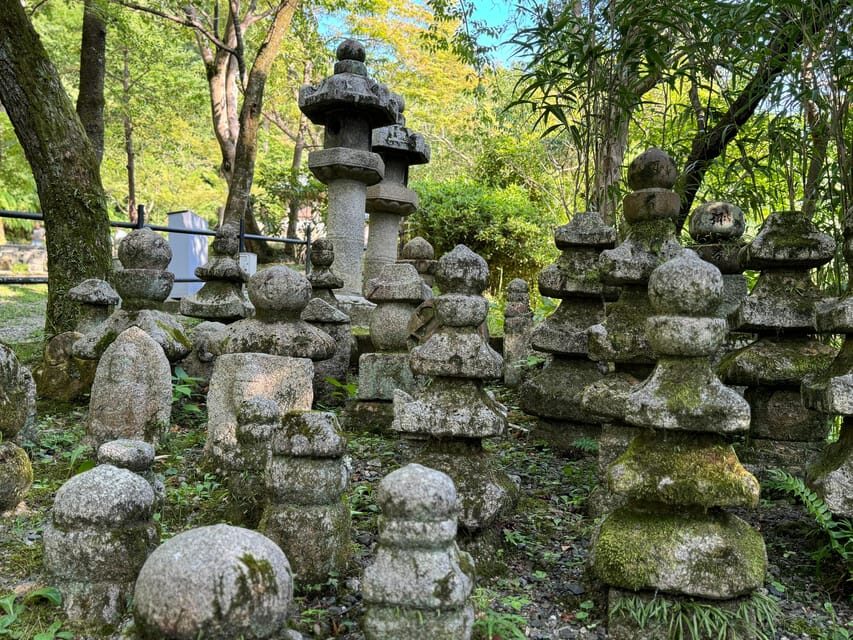
The itinerary includes two additional viewpoint moments. After the main hall and Otowa focus, you’ll get a photo stop with scenic views and a second viewpoint segment that also includes guided context while you move.
These viewpoint breaks are valuable because Kiyomizu-dera is set up to be seen from different angles. The iconic stage gives you one kind of “look across Kyoto.” The viewpoints add more angles, more sightlines, and usually better conditions for photos—depending on the crowd and light.
Here’s my practical advice: treat these as your “capture and reset” moments. Don’t spend the whole time photographing like it’s a studio shoot. Instead, take a few solid shots, then listen. Your guide’s short explanations while you’re moving help you understand where you are in the space and why each angle matters.
Because the tour is 90 minutes, you’ll feel the structure. You won’t wander for an hour trying to find the perfect spot. You’ll hit your best chances, then move on.

Guides matter: Satoshi, Hiro, and Teppei’s impact
The most repeated strength of this tour is the guide experience. In the details you’ll pick up—architecture notes, story timing, and how to navigate the stops—good guidance changes the whole feel of the visit.
I’ve seen examples of guides like Satoshi, Hiro, and Takao (Teppei) being highlighted for friendliness, knowledge, and strong English. One guide even went beyond explanation and helped with great photos, which is useful when the angles and crowds aren’t exactly cooperative.
What you should look for when choosing a guided temple visit like this: do you come away understanding what you saw? With this tour style, the answer is usually yes. The guide doesn’t just list facts. They connect the facts to what you’re looking at in real time—stage design, the nail-free construction idea, and the meaning behind the Otowa streams.
If you care about getting more from Kyoto than just pictures, this is the main value driver.
Price and value: is $69 worth 90 minutes?
At $69 per person, you’re paying for three things: (1) a live guide, (2) entry tickets to Kiyomizu-dera, and (3) a structured route that limits time wasted. For a famous UNESCO site, that can be good value because entrance logistics and crowd timing are part of the real cost of your energy.
The big question is what you’re comparing it to. If you’re a confident independent traveler who already knows what matters at Kiyomizu-dera, you might feel you’re “buying convenience.” But if you don’t want to guess—if you want the architecture and Otowa meanings handled for you—the guide becomes the value.
Also note what’s not included: Zuigudo Hall entry isn’t part of this tour. That doesn’t ruin the experience, but it is a tradeoff. You’re paying for the major, most recognizable Kiyomizu-dera elements and the guided highlights, not every hall you could possibly add.
My take: if you want an efficient, guided “greatest hits” version of Kiyomizu-dera, this pricing makes sense. If you want maximum temple coverage and lots of optional hall time, you may want to add on independent exploration after the tour.
What’s included vs. what’s not: know before you arrive
Included in the tour:
- A guide
- Entry tickets to Kiyomizu-dera temple
Not included:
- Entry to Zuigudo Hall
That last point is important for planning your expectations. If Zuigudo Hall is on your personal must-see list, you’ll need to handle it separately. The tour focuses on the main hall area, stage views, Otowa Waterfall, and viewpoints—so Zuigudo Hall doesn’t factor into the guided time.
Who should book this Kiyomizu-dera guided walk?
This tour is best for you if:
- You want the most famous Kiyomizu-dera moments in a short time
- You like architecture and enjoy explanations while you’re standing in the place
- You’d rather have a guide handle the meaning of Otowa than read it later
- You’re traveling with a small group and want a private group format
- You prefer English or Japanese guidance without juggling translation apps
It’s less ideal if:
- You want a long, unstructured temple wander
- You specifically need Zuigudo Hall included in the price
- You’d rather control every minute for a self-paced plan
Should you book? My call on DeepExperience’s 90-minute tour
If your goal is a guided, high-impact Kiyomizu-dera visit—main hall, the wooden stage, Otowa Waterfall, and Kyoto views—then yes, I think you should book it. The value isn’t just the sights. It’s the way the guide ties the sights together so the place feels understandable and meaningful, not just crowded and photogenic.
Before you click confirm, check your priorities. If Zuigudo Hall is a must, plan to add it separately. If you want the essentials with strong guidance and photo-friendly timing, this is a smart way to spend 90 minutes in Kyoto.
FAQ
FAQ
How long is the Kiyomizu-dera UNESCO guided tour?
The tour lasts 90 minutes.
Where do I meet the guide?
Meet your guide in front of the deva gate (Nio-mon). The guide will be holding a yellow sign with the DeepExperience logo.
What’s included in the price?
The price includes a guide and entry tickets to Kiyomizu-dera temple.
Is Zuigudo Hall included?
No. Entry to Zuigudo Hall is not included.
What languages are available for the live guide?
The live guide is available in English and Japanese.
Is there free cancellation?
Yes. You can cancel up to 24 hours in advance for a full refund.