REVIEW · KYOTO
Kyoto Private Night Tour with a Local – Bars, Bites & Culture
Book on Viator →Operated by City Unscripted · Bookable on Viator
Gion after dark feels like a different city. This Kyoto private night tour turns dusk into your main character, with lantern-lit lanes, quiet shrine moments, and real local context as you walk through Gion and Pontocho. I also love the one-on-one customization, where your guide shapes the night around your pace and interests, and the tour can even bend toward what you want to eat or drink.
The main thing to plan for is motion. This is primarily a walking experience, and while transfers may happen by public transport (at extra cost), you should expect a solid evening on your feet rather than a car-and-cookie tour.
In This Review
- Key things I’d circle on your Kyoto map
- Why Kyoto After Dark Changes the Whole Trip
- The Real Value: A Private Host Who Builds Your Night
- Getting There and Staying Comfortable (Because You’ll Walk)
- Tatsumi Bridge to Shimbashi: Gion’s Most Photogenic Stroll
- Lantern-Lit Lanes and Nightlife Streets with Izakaya Stops
- Yasaka Shrine After Dark: Quiet, Illuminated, and Better Explained
- A Smaller Gion Shrine Stop to Reset Your Senses
- Price and Value: Is $150.35 Per Person a Good Deal?
- Who Should Book This Kyoto Night Tour
- How to Make Your Night Go the Way You Want
- Should You Book This Kyoto Night Tour?
- FAQ
- How long is the Kyoto Private Night Tour?
- Is the tour private?
- What drinks are included?
- Are food, extra drinks, or attraction tickets included?
- Do we get transportation during the tour?
- Where does the tour start?
- Can I customize the itinerary?
- Is free cancellation available?
- Are service animals allowed?
Key things I’d circle on your Kyoto map
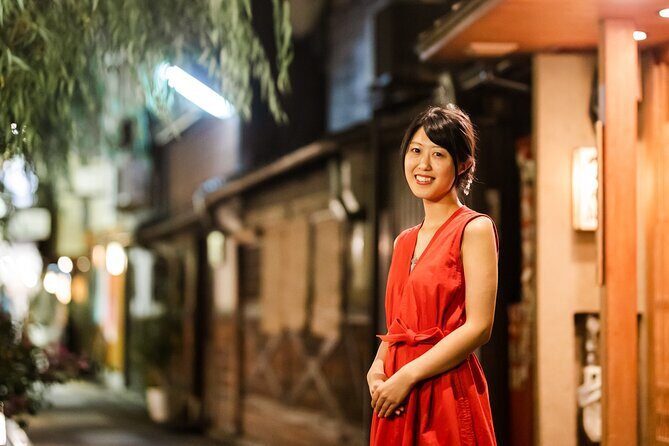
- Private, personalized route that can flex to history, food, bars, or culture
- Lantern-lit Gion and Shimbashi at the hour when crowds thin out
- Two included drinks (local beer or non-alcoholic) during your night stops
- Shrine time after nightfall, including Yasaka Shrine’s illuminated vibe
- Your guide helps with choices for an izakaya stop, not just sightseeing
- Real night-spot instincts—from small local bars to photo-friendly lanes
Why Kyoto After Dark Changes the Whole Trip
Kyoto works in daylight. It also works at night, in a quieter, softer key. That shift is the whole point here: you’re not trying to cram more sights into a packed schedule. You’re seeing how people actually move through the city once the sun dips—where alleys feel calmer, lanterns glow warmer, and stories make more sense when the setting matches the mood.
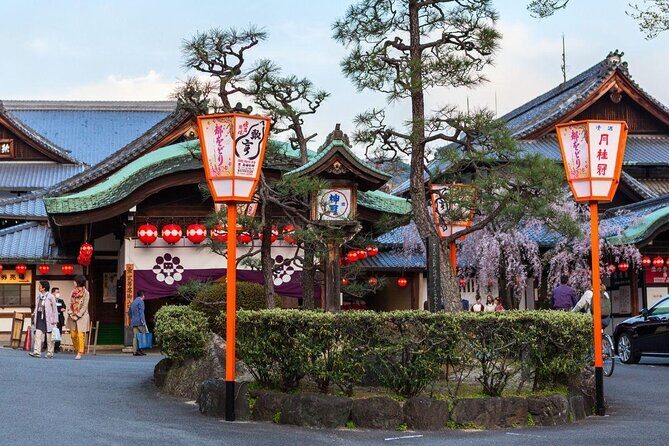
On this tour, the vibe is built around the Gion entertainment district and the nearby riverside lanes that many first-time visitors never slow down long enough to understand. You get to stroll wooden streets lined with traditional architecture, and you’re guided to the kind of atmosphere that’s hard to reproduce on your own, especially when you don’t know where to look after dark.
One nice perk: you’re walking with a guide who can translate what you’re seeing into something human. People often ask about geisha; this tour plays fair. You might catch a glimpse with luck, but the deeper win is understanding why these areas look the way they do and how daily custom fits alongside modern city life.
You can also read our reviews of more private tours in Kyoto


The Real Value: A Private Host Who Builds Your Night
This is a private tour for your party, not a fixed script with a big group. Before you go, you fill out a questionnaire about what you care about. After that, you communicate directly with your host to tailor the route and recommendations.
That personalization matters in Kyoto because the city can feel like a blur if you only chase famous names. Here, you can steer the emphasis. Want more food and drink? Fine. Want more shrine and cultural context? Also fine. Want photo-friendly lanes? Guides like Oulan have been praised for helping with exactly that. (And yes, some guides have turned requests into actual outcomes—like building a night around what a visitor wanted to try, from specific dishes to drink styles.)
You might meet guides with names like Amy or Mia in real bookings, and the common thread across the praised experiences is clear: they adjust. They also respond to questions in real time, which is what makes a private walk feel like time with a friendly Kyoto planner instead of a lecture.
Getting There and Staying Comfortable (Because You’ll Walk)
Your tour starts at Matsumoto Kiyoshi Kyoto Shijo Kawaramachi (address given in the listing) and ends back at the meeting point. The route is designed for an evening stroll, so you’re not just hopping between landmarks like a checklist.
What that means for you:
- Wear shoes that handle uneven pavement and evening walking.
- Bring a light layer. Nights near central Kyoto can feel cooler once you stop moving.
- Keep your pace honest. This tour is designed for your group’s rhythm, but if your group is slower or faster, it affects how much you’ll linger at each stop.
Transfers between points may use public transport, and the listing notes that transport costs can be discussed with your host after booking. So if you’re the type who hates “surprise costs,” ask early how the guide plans to move you between neighborhoods.
Also, the tour duration is given as 2 to 3 hours in one place, while the included description refers to a 4-hour walking experience. In practice, expect an evening chunk that’s long enough to feel like a real outing, not a quick hit-and-run.
Tatsumi Bridge to Shimbashi: Gion’s Most Photogenic Stroll
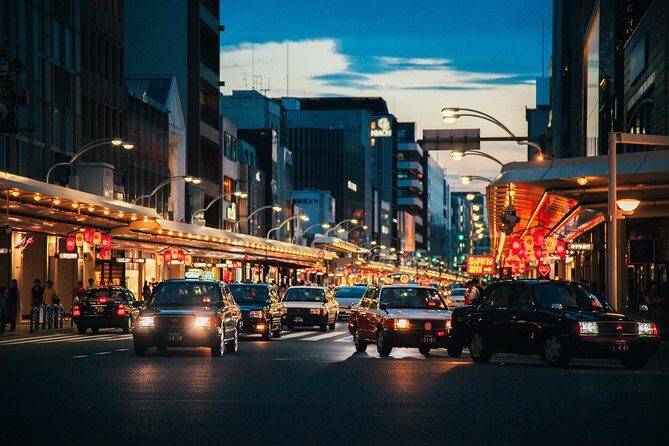
One of the early course corrections on this tour is crossing the Tatsumi Bridge to reach Shimbashi, described as one of the prettiest parts of Gion. This is the kind of transition Kyoto does well: the city shifts from open views into narrower, more intimate streets lined with traditional wooden townhouses.
This stop is more than scenery. The guide’s job is to help you see what you’re looking at:
- why certain streets feel more refined and lived-in
- what you notice in architecture and street layout
- how the area connects to the broader Gion district energy
If you care about photos, this is a strong moment to slow down. You get classic Kyoto framing without the full daylight crowd crush that makes people rush like they’re in a hurry to meet themselves.
Potential drawback: because you’re walking, you can’t sprint from angle to angle. If your idea of a perfect trip is lots of quick snapshots and constant movement, you’ll still get plenty of pictures here—but the best experience comes from a calm pace and letting the guide time the route to the evening.
Lantern-Lit Lanes and Nightlife Streets with Izakaya Stops
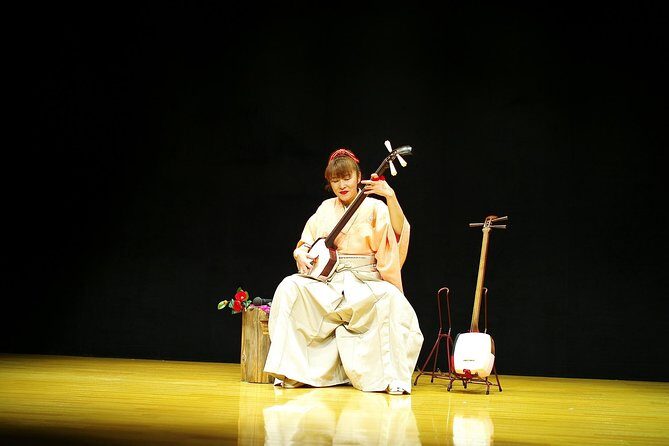
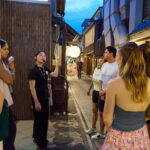
Next comes the part most people book for: the night streets where Kyoto feels more like a place you’d live than a theme park you’d visit. The tour takes you through narrow, historic nightlife lanes described as lined with intimate bars and cozy izakayas.
Here’s what you should expect from the guide’s role:
- insider suggestions for a drink or snack spot
- local stories that connect street life to culture
- help choosing where to stop so you don’t end up in the wrong kind of place for your tastes
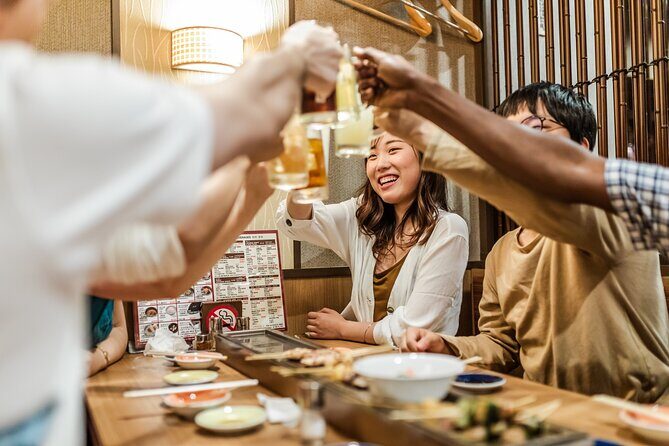
Two drinks are included: you can choose local beer or a non-alcoholic beverage. In past experiences shared with the tour, people have enjoyed an izakaya that didn’t provide English translations, which can actually be fun if you like ordering by vibe and accepting that you’re part of the moment. You’ll likely learn what to order by asking your guide.
Important caution: one review note flags a missed inclusion—specifically, a guest said the promised two drinks weren’t provided. That seems like the exception, not the norm, but it’s worth doing one simple thing: at the start of the night, confirm what’s included and when you’ll redeem it. It’s a quick fix for a high-impact detail.
You can also read our reviews of more evening experiences in Kyoto


Yasaka Shrine After Dark: Quiet, Illuminated, and Better Explained
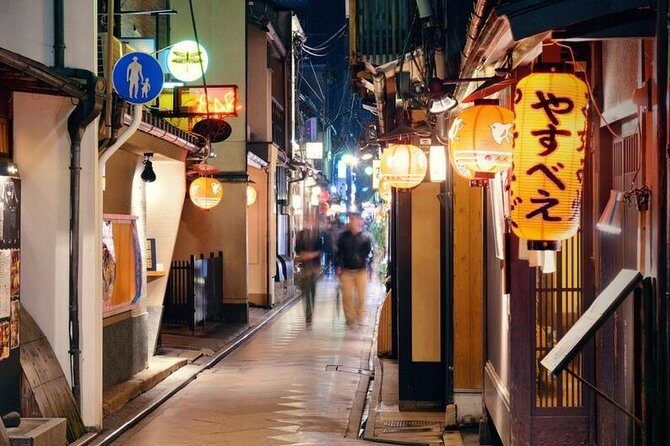
The tour includes Yasaka Shrine after dark, where the listing promises a serene spiritual ambiance away from daytime crowds. This stop is a good example of why a guide helps: the shrine area isn’t just pretty lights. It’s a place where customs matter.
Your host explains local customs and Shinto traditions, plus a legend tied to the shrine. And if you’re the type who likes sorting out the basics, you’ll probably appreciate how guides address how shrines function versus temples. (That difference has come up in praised explanations.)
Why this is worth doing at night:
- you get the illuminated feel without as much daylight noise
- the setting makes stories land better
- you can observe without feeling like you’re being pushed through a flow
Possible drawback: if you’re expecting a long guided lecture, plan for a shorter, more interpretive stop. This tour is built around walking and atmosphere, not a museum-style timeline. The shrine moment is meant to slow you down, not take over the whole evening.
A Smaller Gion Shrine Stop to Reset Your Senses
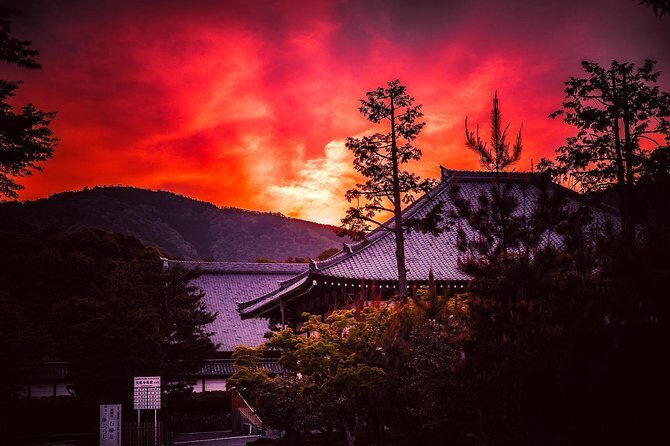
After Yasaka Shrine, the tour includes a smaller shrine stop described as tucked into the Gion area. The promise here is quiet and reflective—an in-between pause that keeps the evening from turning into constant movement and constant eating.
This part is easy to miss if you’re following only famous names. But if you like texture in your travel—smaller details, quieter corners, and a little emotional breathing room—this stop can be the one that makes the tour feel balanced.
It’s also practical. By the time you reach this shrine, your brain has already seen lantern lanes and nightlife streets. Stopping here gives you time to notice things you’d otherwise ignore: how people behave respectfully in sacred spaces, how the area feels different once the lights and street energy shift, and how your guide wraps up the cultural thread.
Price and Value: Is $150.35 Per Person a Good Deal?
At $150.35 per person, this is not a cheap casual walk. But it can be good value if you care about two things: private time and a guided evening that would be hard to replicate without local instincts.
Here’s what you’re paying for, based on what’s included:
- a private, personalized walking experience
- a pre-tour questionnaire and ongoing direct communication
- two drinks (beer or non-alcoholic)
- a guide who steers you through Gion after dark, including shrine stops and nightlife lanes
You’re also getting scheduling flexibility through customization, including focus areas like history, culture, hidden corners, food, and bars. That can save you time. Kyoto’s nightlife and dining scene can be intimidating if you don’t speak the language and you don’t know which areas match your vibe.
Where the value can feel weaker:
- If you mostly want famous-photo spots with minimal explanation, a self-guided night walk could be cheaper.
- If your group expects your guide to drive you everywhere, remember: there’s no private vehicle, and transfers may cost extra.
- If the guide doesn’t match your style, you may feel like it’s just wandering. One critical review described a route that felt more like steps and dinner than meaningful context. That’s exactly why the questionnaire matters. Tell your host what you’re looking for.
Who Should Book This Kyoto Night Tour
Book it if you:
- want a private evening in Gion without feeling like you’re pushing through crowds
- enjoy shrines and want someone to explain customs, not just point at buildings
- like bar and izakaya culture and want help picking a spot
- value good pacing and a guide who can answer questions as they pop up
- care about photos and street composition at night
Consider skipping or choosing a different format if you:
- hate walking or have mobility limits
- want a highly scheduled, tick-box itinerary with guaranteed long stops
- expect food and tickets to attractions to be included (the listing says those are not included)
How to Make Your Night Go the Way You Want
To get the best out of this kind of tour, show up with a few clear ideas. You don’t need a long list. Just give your host useful signals.
Helpful things to tell them in your questionnaire or direct messages:
- Your preferred balance: history vs bars vs food
- Any must-try items (like local snacks or a specific kind of drink)
- Your comfort level around ordering in Japanese
- Whether you want photo time at certain lanes or if you prefer moving on
Also, ask one simple question early in the evening: where do you plan to use the included drinks? It takes 30 seconds and prevents an annoying mismatch later.
If you love stories, ask for the cultural thread connecting Gion, shrines, and street life. If you’re a foodie, ask what locals order here and what the guide recommends when you’re choosing between beer, non-alcoholic options, and snacks.
Should You Book This Kyoto Night Tour?
If you’re deciding between a DIY night walk and a guided private evening, I’d lean toward booking this—especially if Kyoto after dark is your priority. The mix of lantern-lit Gion lanes, a bridge-to-Shimbashi stroll, a strong shrine stop at night, and included drinks creates a well-rounded outing that’s hard to assemble on your own without local help.
The key is matching expectations. This is not a vehicle tour. It’s not a guaranteed geisha sighting tour either. But if you want an evening that feels like Kyoto is actually alive—guided, paced, and explained—this is a strong choice.
If you’re picky about food stops or want a specific kind of bar scene (speakeasy-style, cocktails, or local izakaya), put that in writing during the pre-tour planning. The best versions of this tour show up when your guide knows what you want and can steer the route accordingly.
FAQ
How long is the Kyoto Private Night Tour?
The experience is described as about 2 to 3 hours. The included description also references a 4-hour walking experience, so plan for an extended evening walk.
Is the tour private?
Yes. It’s a private tour for your party only.
What drinks are included?
The tour includes two drinks, with a choice of local beer or a non-alcoholic beverage.
Are food, extra drinks, or attraction tickets included?
No. Additional food, drinks, and any attraction tickets are not included.
Do we get transportation during the tour?
The tour is primarily a walking experience with no private vehicle included. Public transportation may be used between sites for an additional cost, depending on your host’s plan.
Where does the tour start?
The meeting point is Matsumoto Kiyoshi Kyoto Shijo Kawaramachi, listed with the address provided in the tour details.
Can I customize the itinerary?
Yes. You complete a pre-tour questionnaire about your interests and must-sees, and the guide reaches out to tailor the itinerary and recommendations.
Is free cancellation available?
Yes. You can cancel up to 24 hours in advance for a full refund.
Are service animals allowed?
Service animals are allowed.