Kyoto can feel like a time machine. This private 6-hour tour mixes famous landmarks with calmer moments, plus an easy plan for street food and shopping—guided by locals like Kazu or Risa. I especially like that you can match the day to your group’s pace, and that you’re not just ticking off sights; you’re learning what to notice. One thing to consider: some key places have stairs and crowds, so plan footwear and energy level accordingly.
The standout for me is how this tour builds in real “Kyoto time”—Fushimi Inari at evening, then temples and classic shopping streets—without feeling rushed. I also like that the plan includes a clear temple stop with a separate paid ticket (Sanjusangendo), so you know exactly what to budget. The main drawback is simple: lunch is on your own, and prices can swing a lot depending on what you choose.
If you want Kyoto with structure but still feel personal, this is a strong option.
In This Review
- Key highlights to know before you go
- Price and what you’re really paying for
- Meet-up and end point: how the day starts and finishes
- Stop 1: Fushimi Inari-taisha Shrine and the torii-at-evening effect
- Stop 2: Sanjusangendo Temple and why 1,000 statues hits hard
- Stop 3: Sannenzaka & Ninenzaka for Kyoto snacks and slow shopping
- Stop 4: Kiyomizu-dera Temple and the “most-people” Kyoto moment
- Stop 5: Nishiki Market shopping district for Kyoto food souvenirs
- The private guide factor: why Kazu and Risa keep coming up
- What a 6-hour day feels like in real terms
- Who this tour suits best
- Tips to get the most out of your day
- Should you book this private Kyoto tour?
- FAQ
- What does the tour include?
- How long is the tour?
- Where does the tour start and end?
- Are there admission fees during the tour?
- Is lunch included?
- Do I need to pay for transportation?
- Is this tour good for families?
- Is it actually a private experience?
- Is there a cancellation window?
Key highlights to know before you go
- Fushimi Inari at late evening: torii gates feel otherworldly when day crowds fade.
- Sanjusangendo’s 1,000 life-sized Kannon statues: a very specific, photo-worthy interior experience.
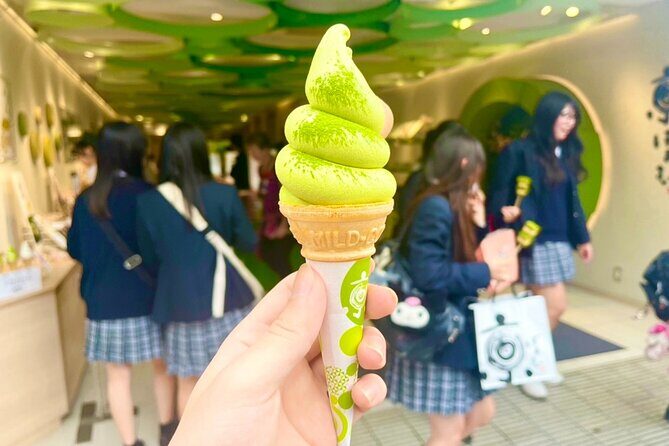
- Sannenzaka & Ninenzaka for snacks and souvenirs: built-in time for green tea ice cream and yatsuhashi-style treats.
- Kiyomizu-dera without the chaos: enough time to take in the temple’s scale at a comfortable pace.
- Nishiki Market for food shopping: a practical stop for Kyoto flavors and edible souvenirs.
- Private guide customization: praised guides like Kazu and Risa adapt the day to your interests.
Price and what you’re really paying for
At $178 per person for about 6 hours, this is not a budget tour. But it’s also not trying to sell you a “generic Kyoto day.” You’re paying for two things that matter in Kyoto:
First, you’re paying for a private guide instead of joining a large group where you can’t ask questions or slow down for photo stops. Second, you’re paying for a plan that connects Kyoto’s most famous sights in a way that’s easier to manage—especially when you want a food-and-temples day rather than a pure sightseeing marathon.
Also remember the ticket math. Most stops are free, but Sanjusangendo (600 yen per person) is not. Lunch is not included (you’ll typically be choosing something around ¥1,000 to ¥2,000), and dinner isn’t included either. If you decide you need private transportation, that’s listed separately at about ¥1,000 per person per day—so your final cost depends on how you get around.
If your group wants flexibility, avoids long waits, and values local context over “just photos,” the price can feel fair. If you only want the very top sights with no guiding, you could DIY it cheaper—but you’ll miss the tailored pacing and the what-to-notice explanations.
You can also read our reviews of more private tours in Kyoto
Meet-up and end point: how the day starts and finishes
The tour starts at Kyoto Station (near Higashishiokoji Kamadonocho, Shimogyo Ward). That’s a good choice if you’re already in Kyoto and want an easy meeting point with transit access.
It ends on Kawaramachi-dori Street (near Kawaramachi-dori St, Shimomaruyachō, Nakagyo Ward) or around your hotel. That matters because Kawaramachi is a practical base area for evening wandering, dessert, or getting back to your lodging.
The experience uses a mobile ticket, and you’ll get confirmation at booking time. That helps on travel days when you don’t want extra paperwork.
Stop 1: Fushimi Inari-taisha Shrine and the torii-at-evening effect
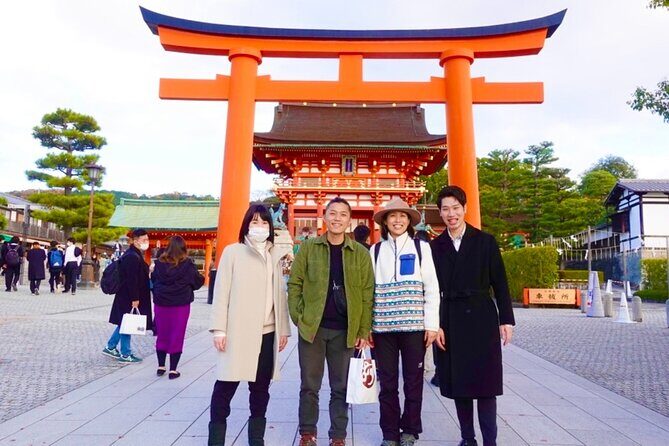
This is the emotional opening of the day. You’ll head to Fushimi Inari-taisha Shrine, where thousands of torii gates line the paths. The plan specifically sets you up for the feeling you get when you walk through the gates in the late evening—when the shrine shifts from daytime tourism to something quieter and more atmospheric.
It’s also one of those places where a guide is useful even if you know the basics. You don’t just walk a loop; you learn where to look so you understand the shrine’s layout and what people are actually seeking when they wander deeper into the hillside.
Good to know: admission for this stop is free, and the time is about 1 hour. One hour won’t take you to every possible end point, so the guide’s pacing matters. If you love photos, you’ll want to linger at the gate passages; if you’re more into history and quiet, you’ll likely prefer the slower segments.
Stop 2: Sanjusangendo Temple and why 1,000 statues hits hard
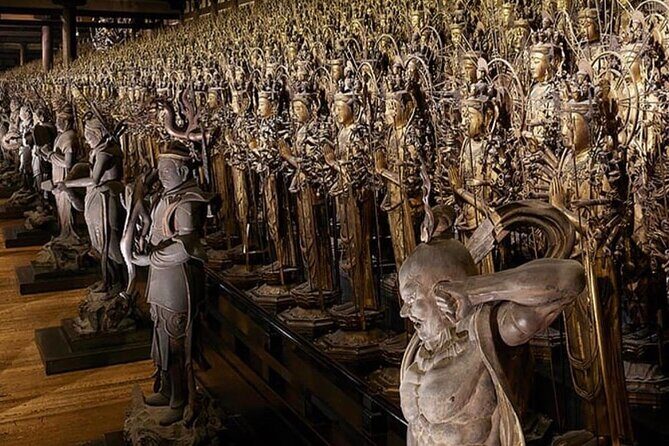
Next comes Sanjusangendo Temple, set up for a very focused viewing experience. You’ll see the main statue plus one thousand life-sized Kannon statues. That number is hard to picture until you’re inside and looking at the repetition—each figure has enough variation to keep your eye moving.
Admission for Sanjusangendo is 600 yen per person, and that ticket is not included in the tour price. You’ll need to plan for it, but it’s a clear, defined cost for an experience that’s specific to this temple.
The time here is about 1 hour. That’s a good length because it lets you first take in the whole hall, then return to notice smaller details. If you’re prone to museum fatigue, this stop is still manageable because the setting naturally slows you down.
Potential drawback: the experience is very visual and can feel crowded depending on timing. Still, the private format means you can adjust pace and find your own viewing spots instead of getting pushed along.
Stop 3: Sannenzaka & Ninenzaka for Kyoto snacks and slow shopping
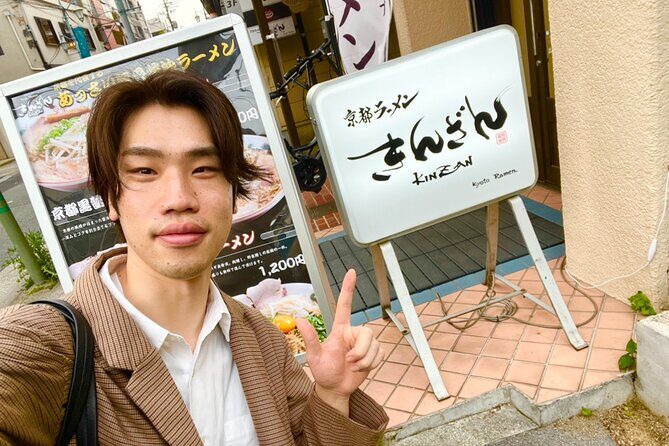
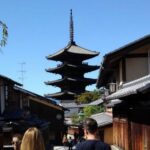
Then you step into the streets that people associate with classic Kyoto. Sannenzaka and Ninenzaka are known for old-style lanes with shops, and this stop is where you’ll handle lunch.
The tour gives you a full hour here for food and browsing. You can grab Kyoto treats like green tea ice cream and yatsuhashi (and other local desserts), plus you’ll have time to shop for souvenirs.
This stop is valuable because it’s not “another museum.” It’s the everyday Kyoto flavor: small streets, shop windows, and the rhythm of people grabbing snacks between sightseeing.
Practical note: admission here is free, but lunch is not. The listing suggests roughly ¥1,000 to ¥2,000 per person, which you can treat as a starting range rather than a strict rule.
My advice: go in hungry enough to try something sweet, but keep one stomach slot open for a proper lunch if the first place you see is just snacks. These streets can tempt you into buying three desserts in a row. It’s fun—until you’re too full to enjoy the next big temple.
You can also read our reviews of more historical tours in Kyoto
Stop 4: Kiyomizu-dera Temple and the “most-people” Kyoto moment
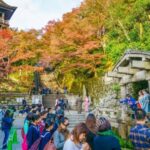
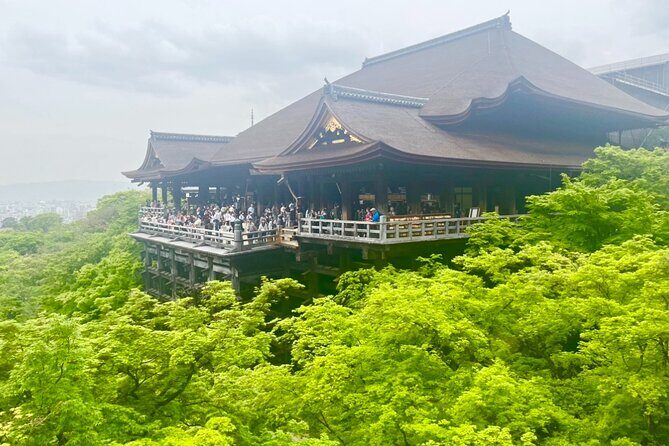
After the street-food break, you’ll head to Kiyomizu-dera Temple, one of Kyoto’s best-known sites. The description you’ll hear everywhere is true: it’s one of the oldest and most famous temples, and it’s so popular that roughly millions of visitors come each year.
You’ll have about 1 hour 40 minutes, which is a useful amount of time because Kiyomizu-dera isn’t just one photo and done. You need time to appreciate the temple’s scale and viewpoints, and also time to navigate the crowds without stress.
Admission is not included here. The listing doesn’t specify the current ticket price for this stop, so budget for it separately.
What makes a guided visit worthwhile at Kiyomizu-dera: the guide can help you understand what parts are worth your attention and where to stand so you see the temple the way most people miss—especially if you’re not sure what to prioritize.
Potential drawback: popularity means lines and congestion at peak hours. A private guide helps you manage your pacing, but physics still applies. If you’re easily overwhelmed, plan for patience here.
Stop 5: Nishiki Market shopping district for Kyoto food souvenirs
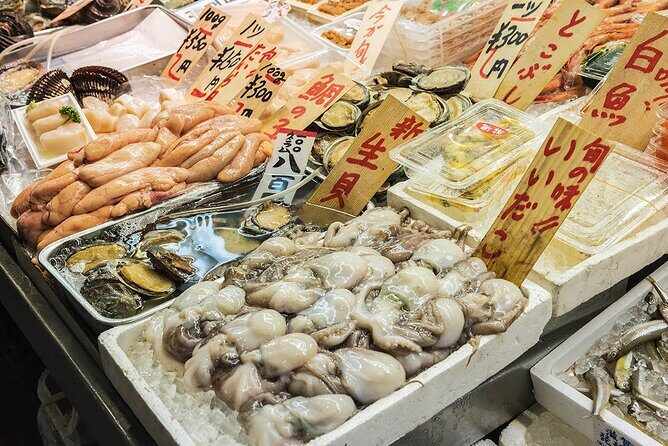
To close the day, you’ll visit Nishiki Market, often called Kyoto’s leading market for food and food products. It has a long background—over 400 years—and the streets are lined with vendors selling snacks, ingredients, and small edible gifts.
This stop is about 1 hour 20 minutes and is free. It’s a smart final activity because it’s not as “fixed” as temple hours. You can browse at your own pace, pick up a few items, and decide what you want for later.
Why I like ending here: after temples and streets, the market gives you something tangible to take home. You can shop for food items rather than another pile of souvenirs that won’t be used.
Practical tip: if you’re sensitive to spicy flavors or want to avoid anything too intense, ask as you shop. The tour format means you’re not stuck buying whatever the group buys—you can choose.
The private guide factor: why Kazu and Risa keep coming up
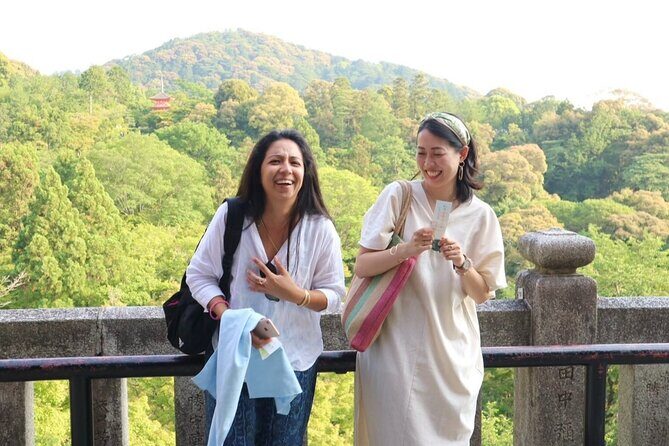
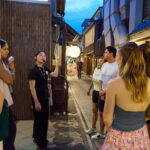
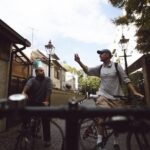
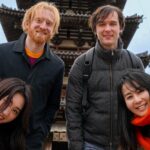
In the reviews, the guides named Kazu and Risa stand out for a consistent reason: they ask what you want, then shape the day accordingly. That’s a big deal for family trips, multi-generation groups, and anyone with specific tastes.
You’ll also see a theme of guides being kind, patient, and thoughtful, not bossy. That makes the experience feel like you’re getting help with Kyoto rather than being herded around it. One example you’ll hear repeatedly is that guides help the group avoid unnecessary crowd pressure and keep the day feeling relaxed.
This matters most if your group includes teens, grandparents, or people with dietary needs. The info you have here indicates the guide can be considerate about preferences, which is exactly what you want in a place where food choices can be overwhelming if you’re on your own.
What a 6-hour day feels like in real terms
A six-hour private tour sounds long until you’re in Kyoto and walking between areas. With this route, you’re balancing:
- One big scenic entrance (Fushimi Inari)
- One very concentrated cultural interior (Sanjusangendo)
- One street-time window (Sannenzaka/Ninenzaka for lunch)
- One major landmark visit (Kiyomizu-dera)
- One practical shopping close (Nishiki Market)
Because the guide is private, you’re not forced into the same pace as strangers. You can also ask questions at the moment you’re standing in front of the thing, which makes the explanations stick.
If you’re the type who hates being rushed, this structure should feel comfortable. If you move slowly in general, you might still want to keep an eye on energy levels—especially around Kiyomizu-dera where crowds can slow you down.
Who this tour suits best
This is a great fit for you if:
- You want iconic Kyoto without turning it into a checklist.
- Your group includes different ages or interests and you want the itinerary adjusted.
- You care about food and want built-in time for snacks, lunch, and market shopping.
- You like a guide who can explain what you’re seeing, not just point you toward the next stop.
It might be less ideal if:
- You hate crowds under any conditions.
- Your group can’t handle walking through busy areas and stairs (Kiyomizu-dera and older streets can be uneven).
- You don’t care about guided context and only want the cheapest route.
Tips to get the most out of your day
- Start with comfy shoes. You’ll be on your feet a lot, including temple approaches and street lanes.
- Plan to budget for Sanjusangendo (600 yen) and for lunch. That’s the real “variable” in the day.
- If you love photos, lean into the late evening feel at Fushimi Inari and take your time where the torii lines feel most dramatic.
- Keep your shopping flexible. Nishiki and the souvenir streets are best for small purchases you’ll actually use later.
Should you book this private Kyoto tour?
I’d book it if you want a guided Kyoto day that connects the classics with food time, and you value a guide who adjusts to your group. The price becomes easier to justify because you’re not just buying access—you’re buying pacing, context, and a tour that’s set up to feel calm rather than frantic.
I would hesitate if your priority is lowest cost or if your group is very crowd-sensitive and prefers off-peak temple timing only. In that case, you might DIY and pick fewer stops.
If you want Kyoto that feels like a real day out—temples, streets, snacks, and a bit of quiet magic—this one is a strong choice.
FAQ
What does the tour include?
It includes a private tour guide. The plan covers the listed stops, but things like lunch, dinner, and some temple tickets are not included.
How long is the tour?
The tour runs for about 6 hours.
Where does the tour start and end?
It starts near Kyoto Station (Higashishiokoji Kamadonocho area). It ends on Kawaramachi-dori Street or around your hotel.
Are there admission fees during the tour?
Yes. Sanjusangendo Temple has an admission fee of 600 yen per person. Other stops listed as free include Fushimi Inari, Sannenzaka & Ninenzaka, and Nishiki Market.
Is lunch included?
No. Lunch is not included, and the suggested range is ¥1,000 to ¥2,000 per person.
Do I need to pay for transportation?
Private transportation is not included. The option listed is about ¥1,000 per person per day if you use private transport.
Is this tour good for families?
The tour is described as suitable for most travelers, and the overall guidance style is praised as accommodating for families with different ages.
Is it actually a private experience?
Yes. It’s private, meaning only your group participates.
Is there a cancellation window?
The information says you can cancel up to 24 hours in advance for a full refund. Changes within 24 hours aren’t accepted.