REVIEW · KYOTO
Nara Day Trip from Kyoto with a Licensed Guide
Book on Viator →Operated by MY Travel Consulting · Bookable on Viator
One day in Nara feels like stepping sideways in time. This Kyoto-to-Nara tour is built around a national licensed English-speaking guide, with hotel pickup and public-transport routing that keeps the day from turning into a logistics puzzle. I especially like the smart pacing at the big-ticket sites (Todaiji and Kasuga) and the chance to experience Nara’s famous deer moments in the open air. One possible drawback: it’s a full 8-hour day, so if you hate walking and temple stairs, you’ll want to plan comfort first.
The itinerary hits the headline places people come for—then adds texture with Kasuga Taisha and the quieter stop at Isuien Garden. I also like that admission fees and transportation are bundled, so you can focus on the sights instead of buying tickets mid-stream. If you’re picky about getting deep historical context tailored to you, make sure you’re clear about what you want, because guide matching can affect how much you get out of the day.
In This Review
- Key Things That Make This Nara Day Trip Worth Your Time
- Nara Feels Like a Different Japan Than Kyoto
- Meet Your Licensed Guide in Kyoto, Then Let Transit Do Its Job
- The 8-Hour Flow: What the Schedule Really Means for You
- Nara Park Deer and the First Big Atmosphere Hit
- Entering Todaiji: The Nandai Gate and the Temple’s Scale
- Kasuga Grand Shrine: Sacred Shinto and a Slower Tempo
- Isuien Garden: Borrowed Scenery Without Overloading Your Day
- Price and Value: What You’re Actually Paying For
- Guides Matter: Names You’ll See in Real Experiences
- Who This Nara Day Trip Is Best For (And Who Should Skip It)
- Quick Tips to Make Your Day Feel Smooth
- Should You Book This Nara Day Trip From Kyoto?
- FAQ
- Do I get hotel pickup in Kyoto?
- How long is the tour?
- Is the guide a licensed English-speaking guide?
- Is this tour private?
- Which major sights are included?
- Are admission fees included?
- Is lunch included in the price?
- Do I need moderate physical fitness?
- Can the tour accommodate dietary restrictions?
- Can I cancel for a refund?
Key Things That Make This Nara Day Trip Worth Your Time
- Hotel pickup + train transfer plan: you meet the guide in Kyoto, then head out together rather than figuring it out alone
- Nara Park deer time is built in: you get a real window to feed deer with the typical park crackers
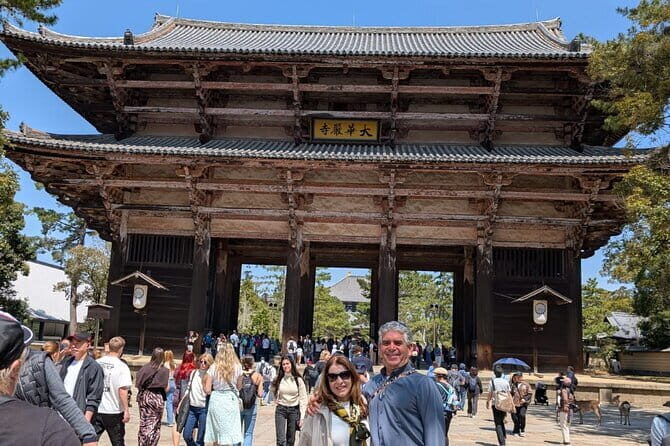
- Todaiji stops are structured: you see the huge Nandai Gate first, then spend time at Todaiji itself
- Kasuga Taisha gets proper attention: you’re not rushed through the shrine grounds
- Isuien Garden adds a different pace: short and scenic, with the shakkei borrowed scenery idea
- Private tour format: only your group, which makes it easier to set your walking pace
Nara Feels Like a Different Japan Than Kyoto
Nara is ancient Japan in a way Kyoto doesn’t fully replicate. Kyoto often feels refined and layered, while Nara feels more direct—big temples, open park space, and that old-capital atmosphere you can feel even before you reach the gates.
On this kind of day trip, you’re not trying to see everything in Nara. You’re grabbing the landmarks most people travel for: Nara Park, Todaiji, Kasuga Taisha, and Isuien Garden. It’s a clean “greatest hits” path, but with enough time at each place to actually notice details.
You can also read our reviews of more guided tours in Kyoto
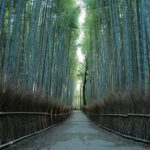

Meet Your Licensed Guide in Kyoto, Then Let Transit Do Its Job
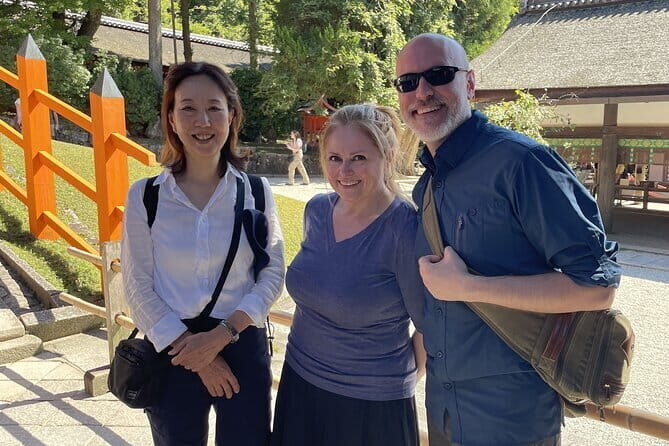
The day starts with hotel pickup in Kyoto and a guide who’s a National Licensed English Speaking Guide. That matters because the day includes multiple temple/sight stops where having language support and context saves time and confusion.
After meeting your guide, you take the train from Kyoto Station toward Nara. The tour is built around using public transportation, so you’re not paying for private cars—and you’re not trapped in slow traffic. One practical upside: trains in this part of Japan are usually the most predictable part of the schedule.
This is also a private tour/activity, meaning it’s only your group. For couples and families, that’s huge: you can ask questions without feeling like you’re competing with a crowd.
The 8-Hour Flow: What the Schedule Really Means for You
A rough day plan is about 8 hours total. That sounds long until you see how it’s divided: a transit chunk, then a sequence of sights with time allocated so you’re not sprinting every twenty minutes.
Here’s how the day is structured in a way that helps you plan your energy:
- A solid start near Kyoto Station Building for the outbound train time
- A first hit of Nara at Nara Park
- A transition into temple scale at Todaiji (including the Nandai Gate)
- A calmer but meaningful block at Kasuga Taisha
- A shorter finale at Isuien Garden
If you’ve got moderate walking ability, this can work well. The tour’s listed as requiring moderate physical fitness, which basically translates to: comfortable shoes, some stairs, and a willingness to spend time outdoors.
Nara Park Deer and the First Big Atmosphere Hit
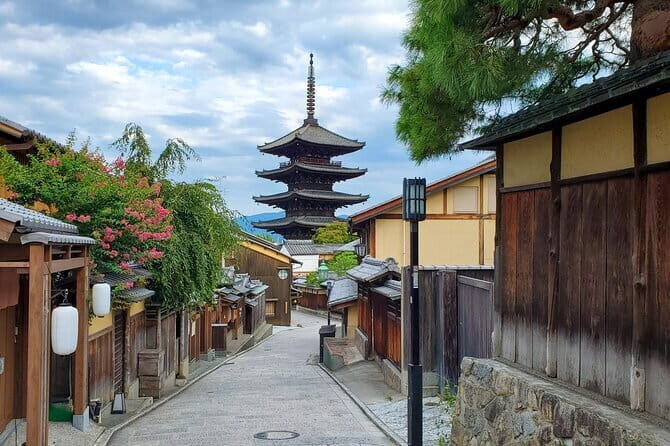
Nara Park is one of the main reasons people make the trip. You get time in the vast park area (660 hectares) where deer roam freely, and you can buy special crackers to feed them.
I love this part for one simple reason: it’s playful and immediate. You don’t need a museum mood or a long attention span. You walk out into an open setting, see the temples around you, and then—if you’re comfortable—feed the deer.
A small practical consideration: deer are used to people, but they’re still animals. Keep your hands controlled around crackers, watch for sudden movements, and don’t let this be the moment that makes you forget safety. Also, you’ll likely get some dust and park debris on shoes, so don’t wear your “nice” pair.
Entering Todaiji: The Nandai Gate and the Temple’s Scale
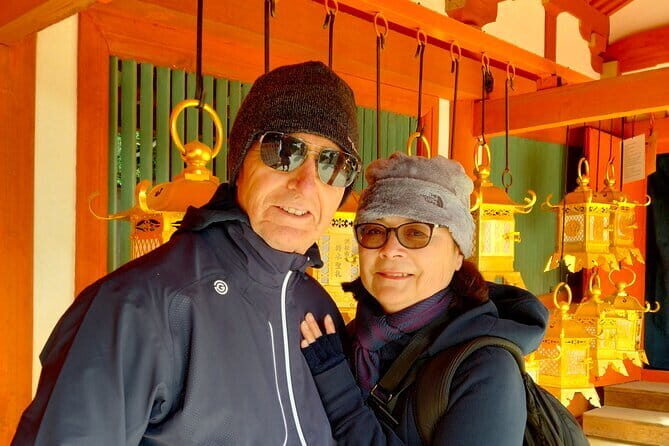
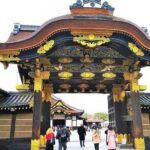
Todaiji is the main temple moment for many visitors. You first stop at the Todai-ji Temple Nandai Gate, a massive 25-meter-high structure with guardian kings in alcoves on both sides. Even if you don’t know the details, the sheer size gives you an instant sense of why this place mattered.
Then the tour moves into Todai-ji Temple itself for about 1.5 hours. Todaiji was built in 752, originally as the head temple of Buddhist temples in Japan. That date is one of those anchors that helps you understand why this isn’t just a pretty stop—it’s historically central.
What you’ll likely appreciate most here is how the guide helps you connect the visual stuff (gate, main halls, the sense of ceremony) to the story. One negative review clue is that not every guide delivers enough interpretive context, so if you care about the “why,” bring that focus to the guide early and ask direct questions.
A few more Kyoto tours and experiences worth a look


Kasuga Grand Shrine: Sacred Shinto and a Slower Tempo
Kasuga Taisha is one of Japan’s most revered Shinto shrines. This stop is designed to take time—about 2 hours—so you’re not forced to rush through the worship areas and lingering atmosphere.
The shrine is known for enshrining numerous gods, and it attracts both locals and tourists. That mix is part of the charm: you get the iconic experience without it feeling like an empty theme park.
What I like here is the rhythm. After Todaiji’s scale and the open energy of the deer park, Kasuga can feel more about attention—walking respectfully, noticing the shrine details, and letting the space reset your brain. If you’re the kind of person who likes photos, this is also a strong one, but don’t treat it like a selfie line. Give yourself time to look.
Isuien Garden: Borrowed Scenery Without Overloading Your Day

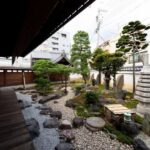
Not every Nara day trip includes a garden, and that’s a missed opportunity for balance. Here, you get Isuien Garden for about 30 minutes, and it’s known for shakkei, or borrowed scenery—where the surrounding natural setting (including Mt. Wakakusa) is folded into garden views.
This is a short stop, so it won’t steal the day from the bigger temples. Instead, it gives you a breather—quiet, shaded corners, and a chance to enjoy the aesthetics of Japanese garden design without another long museum-style commitment.
If your group is temple-heavy and you want one calmer chapter, Isuien Garden is the reset button.
Price and Value: What You’re Actually Paying For
The price is $340 per person for this guided day trip. That’s not a “cheap day out.” But you’re also paying for several items that usually add up fast on your own: hotel pickup, public transportation fees, and admission fees are included, plus a national licensed English-speaking guide.
So the value question becomes: does the guided format save you enough time and hassle to justify the cost?
For me, the strongest value signals are:
- You don’t have to coordinate ticketing and transit between multiple major sites
- Admission fees are handled
- Private format means less waiting and more flexibility to your pace
- The guide can help you spot what to look for at Todaiji and Kasuga
The one caution: if you end up with a guide who doesn’t meet your expectations, the experience can feel like a route with stops instead of a story. One tour participant had a mismatch and felt the day lacked the cultural and historical insights they expected. That’s the risk with any guide-dependent experience.
Guides Matter: Names You’ll See in Real Experiences
In the feedback, several guide names came up in a positive way, which is useful when you’re mentally shopping for the right vibe.
- Akiko Okada was praised for making the day trip full of history and culture and for adding comfort for a couple
- Jun was described as friendly and accommodating, with good organization and flexibility at a pace that suited the group
- Fumi handled pickup and even helped guide people through the train station smoothly, with conversation that made the day feel easy
- Tatsuya received praise as a steady companion, including good recommendations for things to do
Even without a guarantee on which guide you’ll get, these names tell you the company often has guides who can connect the dots and keep the day running smoothly.
Who This Nara Day Trip Is Best For (And Who Should Skip It)
This tour makes the most sense if you want:
- A structured day trip from Kyoto without doing transit math
- The main Nara highlights—Nara Park deer, Todaiji, Kasuga Taisha, and Isuien Garden
- A private setup where you can ask questions and move at a comfortable pace
It might not fit as well if:
- You plan to spend most of the day taking things at a very slow outdoor pace and want long, unscheduled detours
- You expect deep academic-level teaching on demand and won’t tolerate a more general approach
The good news is the schedule includes time at major sites, so even if your interests are mixed, you’re unlikely to feel completely rushed through everything.
Quick Tips to Make Your Day Feel Smooth
You can’t control the schedule, but you can control how prepared you are.
Bring:
- Comfortable shoes (temples and parks mean uneven ground and stairs)
- A light layer (temple areas and open park time can shift temperature)
- Cash for lunch, since lunch isn’t included
Also, think about your priorities before you meet the guide. If you care about Buddhism context at Todaiji, ask early. If Shinto rituals at Kasuga are your focus, tell the guide so they can emphasize the right details while you’re there.
Should You Book This Nara Day Trip From Kyoto?
If this trip matches your travel style—focused sights, a guided explanation, and an easy transit plan—then booking is a strong choice. You’re paying for a day that’s already assembled: hotel pickup, public transit, admissions, and a licensed English-speaking guide covering the major Nara icons.
I’d book it if you’re:
- On a tight schedule and want a high-quality Nara day
- Visiting for the first time and want the key places in a sensible order
- Traveling as a couple or family and want the comfort of private guidance
I’d hesitate if you’re the type who demands very specific historical interpretation and you know you’ll be disappointed if the guide doesn’t click. In that case, be ready to communicate what you want on the day so the guide can respond.
FAQ
Do I get hotel pickup in Kyoto?
Yes. Hotel pickup is included.
How long is the tour?
It’s listed as about 8 hours.
Is the guide a licensed English-speaking guide?
Yes. The tour includes a National Licensed English Speaking Guide, and other languages can be requested.
Is this tour private?
Yes. It’s private, with only your group participating.
Which major sights are included?
You visit Nara Park, Todai-ji (including the Nandai Gate and the main temple area), Kasuga Grand Shrine, and Isuien Garden. You also meet at Kyoto Station Building as part of the day plan.
Are admission fees included?
Yes. Admission fees are included, and transportation fees are included as well.
Is lunch included in the price?
No. Lunch and personal expenses are not included.
Do I need moderate physical fitness?
Yes. The tour is listed for travelers with moderate physical fitness.
Can the tour accommodate dietary restrictions?
Yes. Dietary restrictions such as vegetarian, vegan, and gluten-free can be accommodated if you indicate them at booking.
Can I cancel for a refund?
Yes. Free cancellation is available up to 24 hours in advance for a full refund.