REVIEW · KYOTO
Private Guided Traditional Buddhist Cooking in Japan
Book on Viator →Operated by Yukari’s Japanese Home Cooking · Bookable on Viator
Buddhist temple cooking feels oddly calming. This private, hands-on class turns Kyoto’s tradition of shojin-ryori into a practical cooking session you can actually repeat at home, with Yukari guiding you step-by-step. I especially liked how you learn the “why” behind the food, and then you get your hands on the ingredients instead of just watching.
Two things stand out to me: the chance to make a full 7-dish vegan Buddhist meal, and the care in the details—seasonal produce, tofu, grains, seaweed, and fermented flavors—so everything tastes balanced, not like a pile of substitutions. One consideration: there’s no private transportation included, so you’ll want to plan how you’ll get to the meeting point and between stops.
In This Review
- What Makes This Class Different (And Why It’s Worth Your Time)
- Key Highlights You’ll Care About
- Why Shojin-Ryori Feels Like Real Kyoto Food, Not a Vegan “Imitation”
- Starting Point: How the Morning Sets the Tone
- Temple Stops That Actually Connect to the Food
- Enkoji Temple Stop: Where Ingredients Feel Like Part of a Ceremony
- Shisendo Temple Stop: The Lesson Hidden in Texture and Seasonality
- Ginkakuji Temple Stop: From Setting to Serving
- From Apron On to Cutting Board: What You’ll Really Learn
- The 7-Dish Vegan Menu: What You’ll Make and Why It Works
- Simmered Seasonal Vegetables
- Dried Daikon Salad Strips
- Kinpira of Lotus (Braised Thinly Sliced Lotus)
- Nasu Dengaku (Miso-Grazed Eggplant)
- Shiraae (Mashed Tofu Salad)
- Spicy Teriyaki Balls
- Vegetarian Fried Chicken Using Wheat Gluten, Plus Rice Balls
- What the Lunch Set Tastes Like (And How It’s Served)
- Why the Teacher Makes Such a Difference in a Cooking Class
- Price and Value: Is $70.94 a Fair Deal in Kyoto?
- Who Should Book This (And Who Might Want Another Option)
- Quick Booking Tips Before You Go
- Should You Book This Private Buddhist Cooking Class?
- FAQ
- What is the duration of the private guided cooking class?
- Where does the experience start, and what time does it begin?
- How many dishes will I cook?
- Is the food vegan and free from animal products?
- Can the class accommodate gluten-free needs?
- What’s included in the price?
- Is transportation included between the places visited?
- Is this a private group experience?
What Makes This Class Different (And Why It’s Worth Your Time)
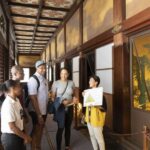
You don’t just learn Japanese cooking in general. You learn Kyoto’s Buddhist approach: no meat, no fish, and a strong focus on vegetables, soy products like tofu, grains, seaweed, and fermentation. You’ll tour three temple stops—Enkoji Temple, Shisendo Temple, and Ginkakuji Temple—then return to cook and sit down for the plate lunch you helped create.
If you’re short on time in Kyoto, the class still moves at a friendly pace (about 2 hours 30 minutes). But it does involve multiple locations on foot, so wear comfortable shoes and don’t plan anything tight right after.
Key Highlights You’ll Care About
- Shojin-ryori on your hands and apron, not just a lecture
- Three temple stops: Enkoji, Shisendo, and Ginkakuji
- A full 7-dish cooking menu, including tofu shiraae and nasu dengaku
- Kyoto ingredient focus, with seasonal vegetables and fermentation-style flavors
- Diet options supported: gluten-free can be accepted—just tell them
- Recipes included, so you can recreate the meal later
You can also read our reviews of more guided tours in Kyoto

Why Shojin-Ryori Feels Like Real Kyoto Food, Not a Vegan “Imitation”
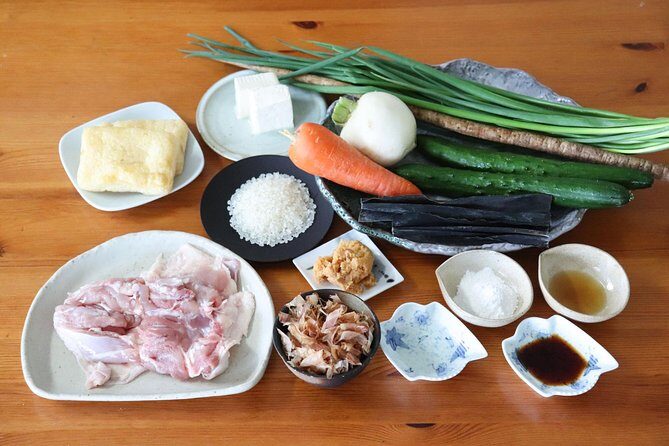
Kyoto is a great place to learn Japanese food because the city is steeped in food traditions tied to seasons, craft, and restraint. Shojin-ryori comes from Buddhist temple cuisine, built on a strict ethic: no killing animals, so dishes avoid animal products like meat and fish. Instead, the flavor comes from smart combinations—soy, tofu, seaweed, grains, vegetables, and fermented touches that add depth without heaviness.
What I like about this approach is how it changes your assumptions about what “Japanese vegetarian food” should taste like. The cooking isn’t built around replacing meat. It’s built around making vegetables taste intentional—sweet, savory, and sometimes gently smoky—so each dish has its own role in the lunch set.
This is also why the class is more than just cooking. You get the culinary logic behind Kyoto’s style: careful seasoning, textures that contrast (soft tofu next to crisp vegetables), and seasonal produce treated like the main character.
Starting Point: How the Morning Sets the Tone
The experience starts at 10:00 am at Japan, 606-8165 Kyoto, Sakyo Ward, Ichijōji Nodachō, 16 Fairmont Bldg. It ends back at the meeting point, which keeps the logistics simple once you’ve found your way there. You’ll receive a mobile ticket, and the area is listed as near public transportation.
This matters because cooking classes can be a time sink if the route is confusing. Here, your main job is to arrive, follow your host, and show up ready to cook. You’ll be using an apron, and the class covers the equipment and facility fee, so you’re not dragging around utensils or chasing extra rentals.
Also, because it’s a private tour, your group stays together. That’s a big deal if you want questions answered in real time, or if you’re traveling with a partner, friends, or family and don’t want to work around other schedules.
Temple Stops That Actually Connect to the Food
The three temple locations are not just photo stops. The vibe matters because shojin-ryori is about mindfulness and restraint, and that shows up in how the dishes are built—clear flavors, careful portions, and ingredients treated with respect.
Enkoji Temple Stop: Where Ingredients Feel Like Part of a Ceremony
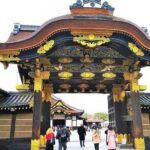
At Enkoji Temple, you’re in the mindset that shapes the cooking tradition. You’ll get introduced to the idea behind the cuisine first—what makes it Buddhist, why certain ingredients make sense, and how Kyoto’s seasonal offerings influence the menu.
Even if you’re not religious, you’ll likely notice the difference in pace. This isn’t loud and rushed. It’s the kind of start that makes the later cooking steps feel more deliberate, like you’re not just learning recipes—you’re learning why those recipes exist.
You can also read our reviews of more private tours in Kyoto


Shisendo Temple Stop: The Lesson Hidden in Texture and Seasonality
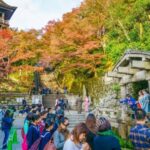
Shisendo Temple is where you’ll start to see how the cuisine works beyond “healthy vegetarian.” Shojin-ryori leans on textures—crisp vs. soft, glossy vs. matte—plus seasonality. You’ll be thinking about why you’d braise lotus slices, how miso changes eggplant, and what fermented flavors do to a savory-sweet balance.
This part can be especially rewarding if you like eating with curiosity. If you usually eat fast, you’ll probably slow down here. The whole experience keeps pulling you toward the details that restaurants sometimes hide behind sauces.
One thing to consider: temple grounds can mean more walking than you expect. You’ll be better off with comfortable shoes and a light layer in case the weather shifts.
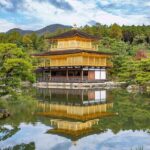
Ginkakuji Temple Stop: From Setting to Serving
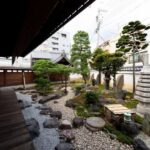
By the time you reach Ginkakuji Temple, you’re primed to appreciate the cooking set that comes next. Ginkakuji is visually memorable, but what matters for this class is that it frames the meal you’ll make afterward: seasonal, well-balanced, and designed to be eaten as a set rather than a grab-and-go plate.
This stop helps you understand the cuisine as part of Kyoto itself. It’s not a generic vegan lesson. It’s a Kyoto-style interpretation of Buddhist cooking principles—served through local ingredients.
From Apron On to Cutting Board: What You’ll Really Learn
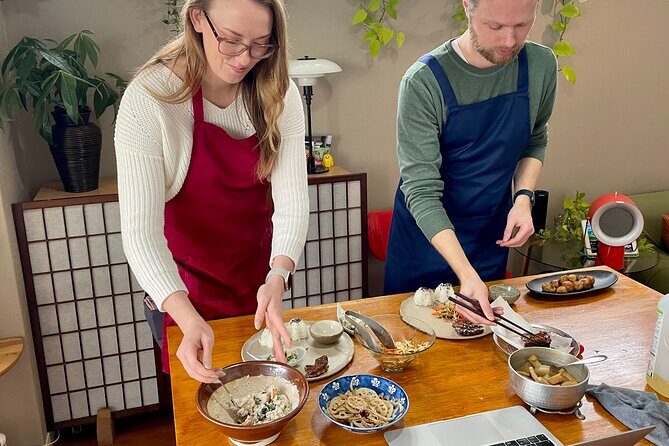
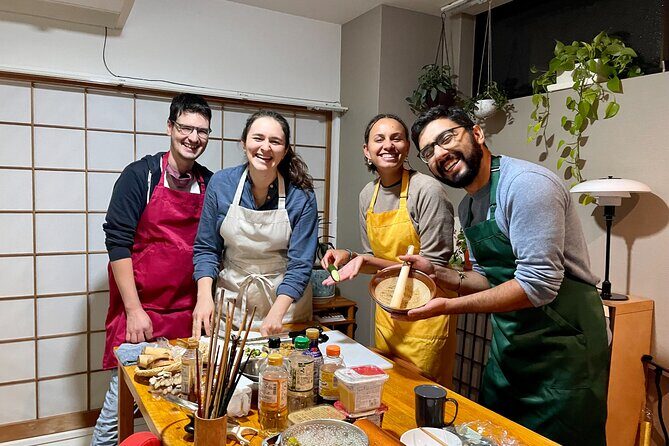
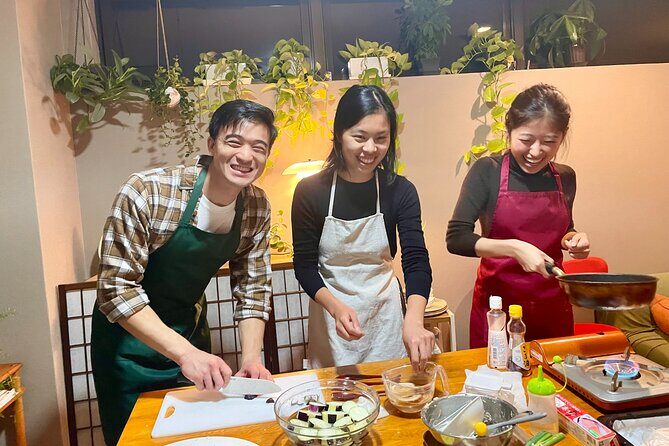
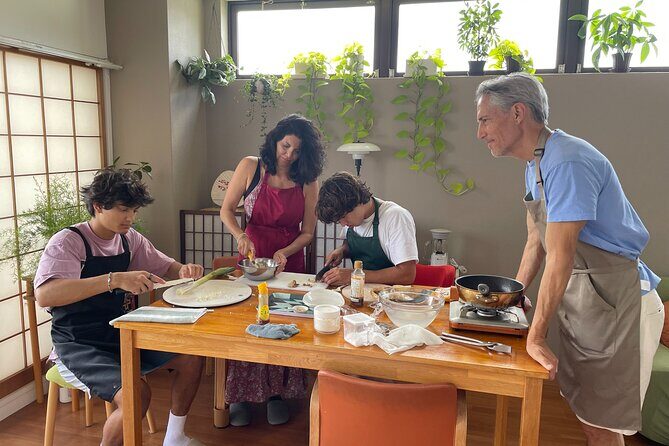
After the temple segment, you move into the hands-on cooking portion. This is where the class wins. You don’t just taste. You cook, and the teacher guides you through multiple techniques so you understand what each dish is doing.
The class is built around a clear flow:
1) learn about ingredients and products used in shojin-ryori
2) cook several dishes together, step by step
3) eat the plate lunch/dinner you created
That structure helps a lot, especially if you’re a beginner. You’re not handed seven recipes at once with no context. You build momentum as you go.
It’s also a plus that recipes are included, so you can review the exact steps later. In a good cooking class, the hard part is remembering the order of operations. Written recipes help you keep the method intact when you cook at home.
The 7-Dish Vegan Menu: What You’ll Make and Why It Works
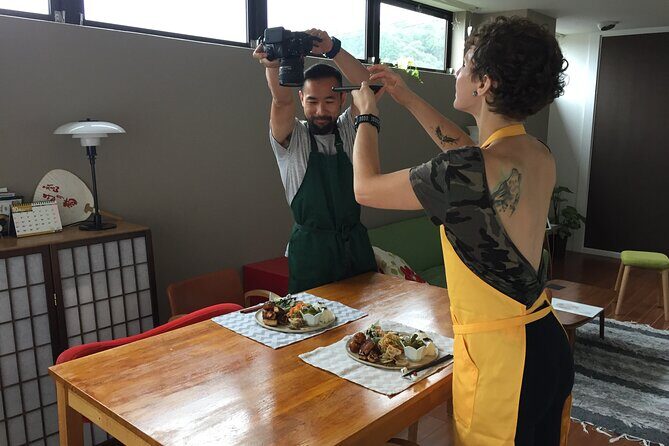
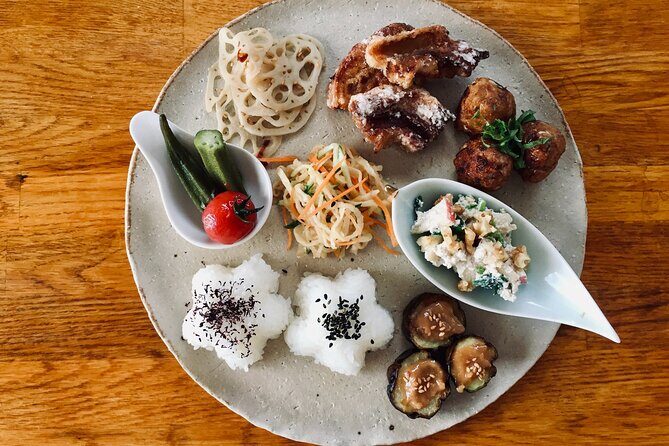
You’ll cook seven dishes, then eat them as a beautiful, flavorful plate set. The menu blends vegetables, tofu, grains, seaweed/fermented components, and gluten-based vegan proteins so you get both comfort and contrast.
Here’s what’s on the cooking list:
Simmered Seasonal Vegetables
This is the “foundation” dish. Simmering is one of the best tools for Japanese flavor-building, especially for vegetables. You’ll learn how to treat different vegetables so they don’t all taste the same, and how a gentle simmer can bring out sweetness without needing animal stock.
Dried Daikon Salad Strips
Daikon is one of those ingredients that can go from bland to fascinating depending on how it’s handled. This dish teaches you about seasoning dried ingredients and balancing bite and tang. It’s also a great counterpoint on a lunch set built from warmer, saucier foods.
Kinpira of Lotus (Braised Thinly Sliced Lotus)
Lotus root is a Kyoto-friendly ingredient because it brings a distinct texture: crisp-yet-soft and slightly earthy. Kinpira-style braising gives it savory depth and a touch of sweetness, while the thin slices help it cook evenly.
Nasu Dengaku (Miso-Grazed Eggplant)
Eggplant and miso are a classic combo in Japanese cooking, and this version follows a Buddhist-appropriate approach. You learn how to make eggplant tender while still keeping a pleasant shape, then glaze it with miso for that glossy, savory punch.
Shiraae (Mashed Tofu Salad)
This dish is all about silky texture and gentle flavor. Shiraae-style tofu is a good example of how shojin-ryori stays satisfying without needing meat. The tofu becomes the “base,” while seasonings and possible toppings do the flavor work.
Spicy Teriyaki Balls
This is one of the more playful items on the menu. Teriyaki-style flavor without animal products means you’ll pay attention to sweetness, saltiness, and the glaze effect. The “spicy” part adds lift, which helps break up richer flavors in the set.
Vegetarian Fried Chicken Using Wheat Gluten, Plus Rice Balls
This is your protein-and-crunch section. Using wheat gluten lets the dish mimic the satisfying bite people often expect from fried chicken, while keeping the meal vegan. The included rice balls round out the plate set so it reads like a complete meal, not just side dishes.
If you need dietary adjustments: gluten-free can be accepted, but you should tell the host in advance so they can plan. That’s a practical detail that matters with a menu that uses wheat gluten.
What the Lunch Set Tastes Like (And How It’s Served)
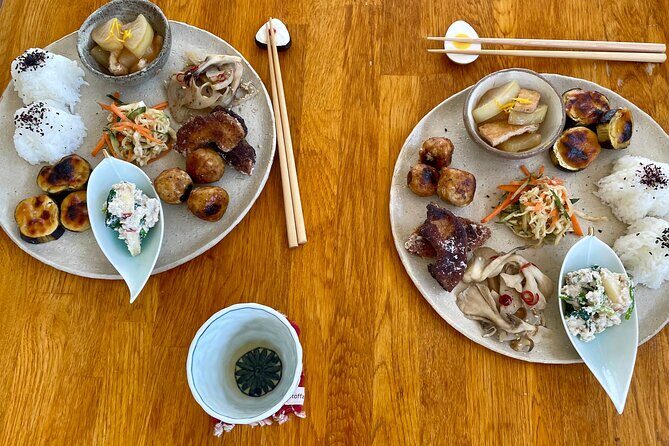
You’ll finish by eating a beautiful plate lunch (or dinner) made from the dishes you cooked. The point of the set is balance: warm savory components, contrasting textures, and sauces/glazes that connect the flavors.
This is where you’ll likely notice what shojin-ryori does better than many “vegetarian by default” meals. The dishes are built to complement each other. You’re not left choosing between bland and overly sauced; you get variety that makes sense as one meal.
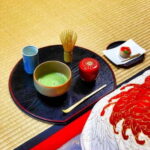
Drink-wise, the class includes a water or tea with your lunch. That’s helpful because tea keeps the flavors moving and doesn’t compete with miso, soy-based sauces, or sesame/tofu-style seasonings.
Why the Teacher Makes Such a Difference in a Cooking Class
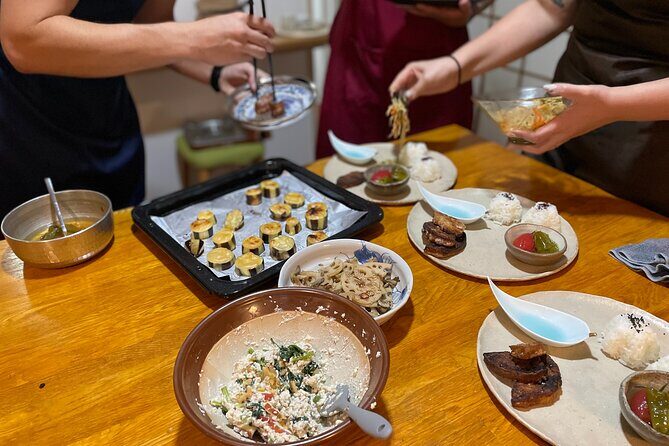
The best part of this experience is the teaching style. From the way Yukari hosts, the focus is on clarity, patience, and small details. People describe her as warm and welcoming, with explanations that go beyond just giving you steps.
The other big factor: Yukari has written and shared food knowledge in the past, so the class doesn’t feel like a random cooking activity. It feels anchored in real Japanese culinary understanding, and that shows in how dishes are explained and corrected as you cook.
It also supports families. One review mentions an 11-year-old being kept entertained during the process, and the overall class pace is hands-on enough that kids aren’t just sitting around waiting. If you’re traveling with younger eaters, this is a cooking class where they’ll actually do something.
Price and Value: Is $70.94 a Fair Deal in Kyoto?
At $70.94 per person for about 2 hours 30 minutes, this isn’t a bargain-bin cooking class. But it also isn’t a tourist trap where you pay mainly for the name of the venue. You’re paying for: a private experience, a temple-based cultural introduction, hands-on instruction for multiple dishes, and included materials.
Here’s what you get that protects your value:
- Lunch ingredients and a drink (water or tea)
- Apron, equipment, facility fee, and utility charges
- Recipes included, so you can cook the dishes again
- Private group format, which makes questions and pacing easier
If you compare it to the cost of a full meal plus a cooking workshop elsewhere, the recipe + multi-dish output is what makes it feel fair. You’re leaving with a real skill set, not just a one-time food experience.
One more timing note: it’s typically booked about 51 days in advance on average, so if you’re traveling in peak season, you’ll want to plan ahead.
Who Should Book This (And Who Might Want Another Option)
This class is a great fit if you:
- want to learn Kyoto-style cooking through shojin-ryori, not just generic vegan food
- like hands-on work—cutting, simmering, glazing, and assembling
- want recipes you can use at home
- travel with family or partners and prefer a private format
You might consider something else if:
- you strongly dislike walking between temple areas (you’ll be outdoors for the three stops)
- you expect a class where transportation is handled for you (private transportation isn’t included)
- you need an extremely short activity window, since 2.5 hours is substantial
Quick Booking Tips Before You Go
- Show up a few minutes early to find the meeting point smoothly at the Fairmont Bldg location.
- Wear comfy shoes for the temple walk portion.
- If you’re gluten-free, tell the host ahead of time so they can accommodate the menu.
- Go hungry. The meal is part of the experience, and you’ll want room for the full set.
Should You Book This Private Buddhist Cooking Class?
Yes, if you want an authentic Kyoto experience that’s hands-on, calm, and actually useful later. The combination of temple context plus cooking a complete 7-dish shojin-ryori meal makes it more meaningful than typical classes that focus only on technique.
You’ll also likely appreciate the teaching approach: clear guidance, patience, and detailed explanations, with recipes included so you can rebuild the flavors at home. Just plan your route yourself since there’s no private transportation, and wear shoes that can handle a temple day.
If you like food that’s built on seasons and balance, this one is a strong match.
FAQ
What is the duration of the private guided cooking class?
The class runs for about 2 hours 30 minutes.
Where does the experience start, and what time does it begin?
It starts at Japan, 606-8165 Kyoto, Sakyo Ward, Ichijōji Nodachō, 16 Fairmont Bldg. The start time is 10:00 am.
How many dishes will I cook?
You will cook 7 dishes, then enjoy a plate lunch/dinner made from what you prepared.
Is the food vegan and free from animal products?
Yes. This is shojin-ryori, a Buddhist-style cuisine made without animal products such as meat and fish.
Can the class accommodate gluten-free needs?
Gluten-free is accepted. You should let the host know in advance.
What’s included in the price?
Lunch ingredients, a drink (water or tea), an apron, all equipment, utility charges, facility fee, and recipes are included.
Is transportation included between the places visited?
No. Private transportation is not included.
Is this a private group experience?
Yes. Only your group participates, and it’s offered as a private tour/activity.