REVIEW · KYOTO
Private Kyoto Market Tour and Authentic Cooking Class with Aki
Book on Viator →Operated by Traveling Spoon · Bookable on Viator
Shopping then cooking beats tourist tours. This private Kyoto market tour and cooking class with Aki turns a walk through Demachiyanagi Shoutengai into dinner you actually make and eat. In about 4 hours, you’ll move from local ingredient hunting to a hands-on lesson in a home kitchen, with Aki guiding every step.
I especially liked two things. First, I like how Aki helps you shop with confidence, so you can spot the right vegetables and Japanese pantry items without second-guessing. Second, I like the cooking itself: you’re not only making restaurant-style basics, you’re also learning “local-life” dishes and practical fixes, like her miso soup tips.
One consideration: there’s no hotel pickup. You’ll meet at Demachi Futaba in Kamigyo Ward, and you handle your own way there before the bus ride to Aki’s home.
In This Review
- Key things to know before you go
- How this Kyoto market tour turns into skills you can use at home
- Demachiyanagi Shoutengai with Aki: choosing Japanese ingredients the practical way
- The short bus ride to Aki’s home kitchen: a window into daily Kyoto
- Hands-on cooking class with Aki: miso soup tips and non-restaurant dishes
- What you eat: homecooked Japanese meal, beverages, and the alcohol question
- Price and value: is $119 per person worth it?
- Should you book this Kyoto cooking class with Aki?
- FAQ
- How long is the Kyoto market tour and cooking class?
- Where do we meet, and what time does it start?
- Is this a private experience?
- Are recipes provided, and what language are they in?
- What’s included with the meal, and is alcohol part of it?
- Is hotel pickup included?
Key things to know before you go
- Demachiyanagi Shoutengai shopping with Aki for fresh seasonal ingredients
- Private, English-guided cooking instruction in Aki’s home kitchen
- Market-to-kitchen transfer by bus (about 10 minutes, 4 stops)
- Hands-on cooking for about an hour, then you eat what you make
- Beverages with the meal, and the experience description notes local alcohol may be included
- Vegetarian option available if you request it when booking
How this Kyoto market tour turns into skills you can use at home
If you’ve ever tried to cook Japanese food at home, you already know the problem: the flavors make sense, but the shopping does not. A Japanese cooking class can teach recipes. This one also teaches judgment. And that’s the real value.
You start with ingredients. Not a generic grocery list, but the stuff that’s actually available and worth buying in Kyoto at that time of year. Aki spends about 45 minutes walking with you through a local street market called Demachiyanagi Shoutengai, pointing out how to choose vegetables and other Japanese ingredients. That matters because Japanese cooking leans hard on quality and freshness. Better produce can mean better broth, better texture, and fewer “why is this bland?” moments.
Then comes the payoff: you take what you selected and cook with it at Aki’s home. The lesson portion lasts about an hour, and Aki provides recipes in English while guiding you step-by-step. This is where you learn technique, not just ingredients. The cooking portion is designed so beginners can follow along, but experienced cooks can still pick up smart shortcuts—especially the kind that make Japanese home cooking taste like the real thing.
The best part is the full loop: shop, cook, eat. You’re not just tasting samples and leaving. You build a meal you can repeat later, using the same logic Aki shows you in the market.
You can also read our reviews of more private tours in Kyoto


Demachiyanagi Shoutengai with Aki: choosing Japanese ingredients the practical way
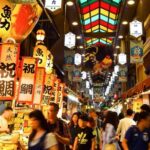
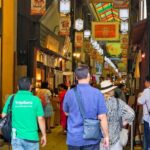
Demachiyanagi Shoutengai is the kind of place where the names of things matter less than what looks good and what’s appropriate for the dish. Aki leads you through the neighborhood street market and helps you pick a few vegetables and ingredients you’ll use later. The route is short—about 45 minutes—so you’re not wandering for sport. You’re gathering.
A big win here is how you learn to shop in a structured way. Instead of buying random produce because it looks interesting, you choose with a cooking plan in mind. That means you’re thinking like a home cook: what will work in a pot, what will stay crisp, what flavor will carry through broth or seasoning.
You also get a cultural layer without it feeling like a lecture. A market tour like this is about everyday life: what locals buy, what’s seasonal, and how people talk about ingredients. Aki’s role is to translate that into action for you. That’s why the market part doesn’t become stressful. You’re not stuck staring at labels. You have someone helping you make decisions quickly and correctly.
One small detail to keep in mind: the menu can vary depending on the season. That’s not a drawback. It’s the point. Japanese cooking changes with the year, and this class stays aligned with what’s actually around, rather than forcing you into a rigid, year-round script.
The short bus ride to Aki’s home kitchen: a window into daily Kyoto
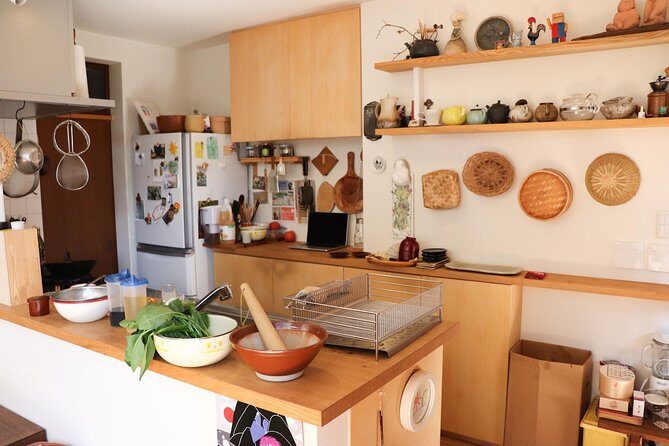
After the market, you head to Aki’s home by bus. It’s quick—about 10 minutes, and roughly 4 bus stops. This transfer sounds minor, but it changes the whole feel of the experience. You’re not running between “tour” locations. You’re moving through real Kyoto.
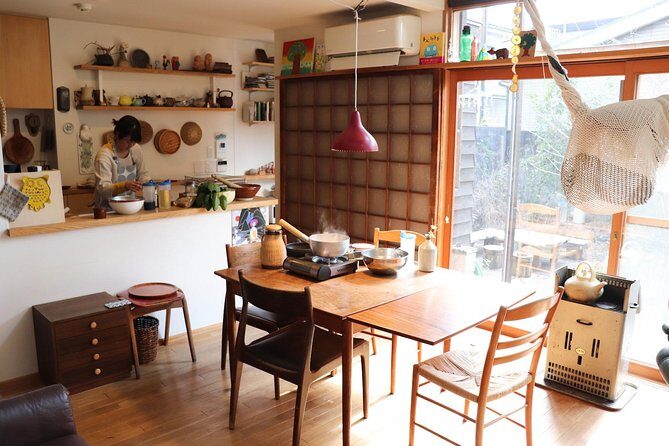
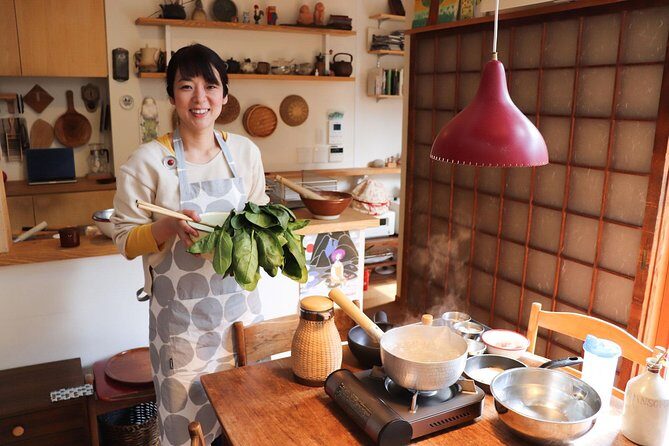
At Aki’s place, the setting matters. Home kitchens are where Japanese cooking becomes practical: the way ingredients are stored, how tools are set up, and how dishes come together without restaurant theatrics. You’ll notice that the lesson is built for learning, not performance. That makes it easier to ask questions and to adjust if you’re unsure about a step.
Also, since it’s private, the pace works for your group. You’re not waiting for the slowest person while the tour guide moves on. And you’re not being rushed either. In a home-based class, that kind of control is a big deal—especially if you’re new to Japanese cooking.
Aki provides recipes in English, and she guides you through the cooking process during the lesson hour. That combination—English recipes plus real-time coaching—reduces the gap between what the recipe says and what your hands actually need to do.
Hands-on cooking class with Aki: miso soup tips and non-restaurant dishes
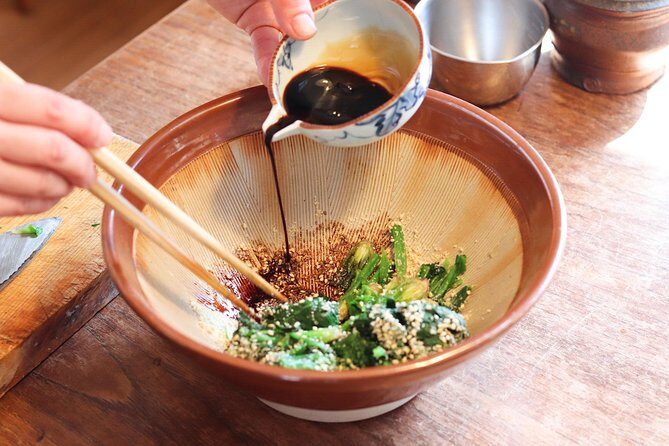
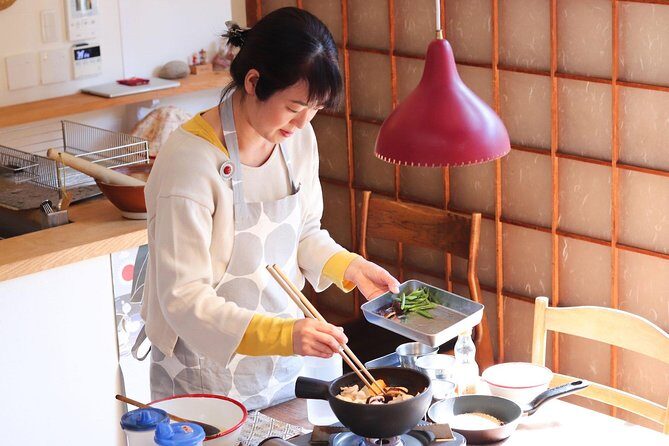
The cooking portion lasts about an hour, and it’s where you build confidence fast. Aki teaches dishes that you might not typically see on restaurant menus, along with practical updates to familiar classics. The standout example from what you’re taught is miso soup, including secret tips that make it taste right.
Those “secret tips” are usually the difference between decent and truly satisfying. In Japanese cooking, small choices—how you handle stock, timing, seasoning balance, and texture—can turn a pot of soup from flat to comforting. Aki’s guidance is designed to help you get that balance without needing to be a trained chef.
You’ll also learn how Japanese cooking thinking shows up in technique. Even if you don’t memorize every detail, you’ll start noticing patterns: how ingredients are cut, how heat is managed, and how seasoning is applied. Those are the skills that help you cook Japanese food at home later, even if you don’t repeat the exact same dishes.
The class format is hands-on, which means you’ll do more than just watch. You’ll cook with the ingredients you selected at the market. That connection helps your brain stay focused: you can trace each ingredient’s role, and it makes the meal more meaningful when it lands on your table.
And yes, it’s fun. The best part of a cooking class is when you stop worrying and start enjoying the process. With Aki’s step-by-step help, you can stay relaxed and still get good results.
What you eat: homecooked Japanese meal, beverages, and the alcohol question
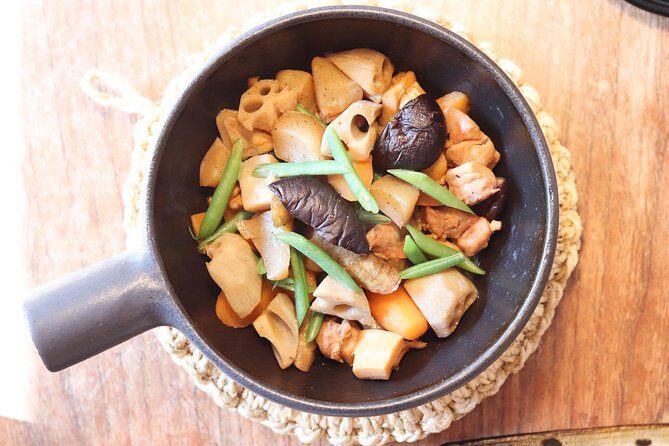
After cooking, you enjoy the meal you helped prepare. This isn’t a snack-and-run situation. The timing is built so that the meal feels like a finish line, not an afterthought.
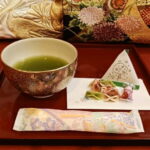
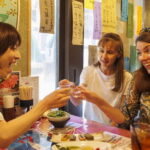
The experience includes a homecooked Japanese meal and non-alcoholic beverages. The tour description also notes that 1–2 glasses of local alcohol are included. If you don’t drink, tell Aki at the start—better to be clear early than awkward later.
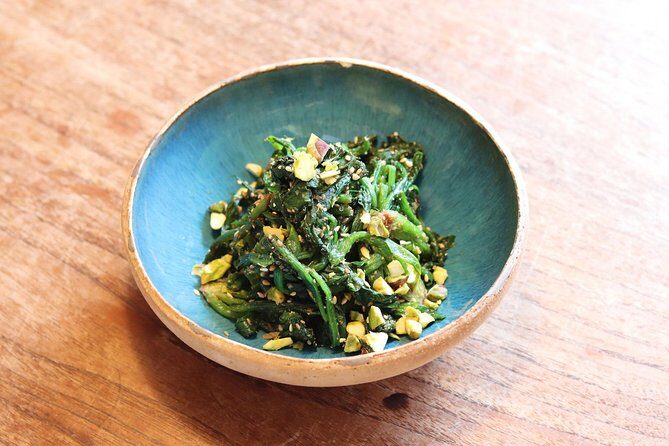
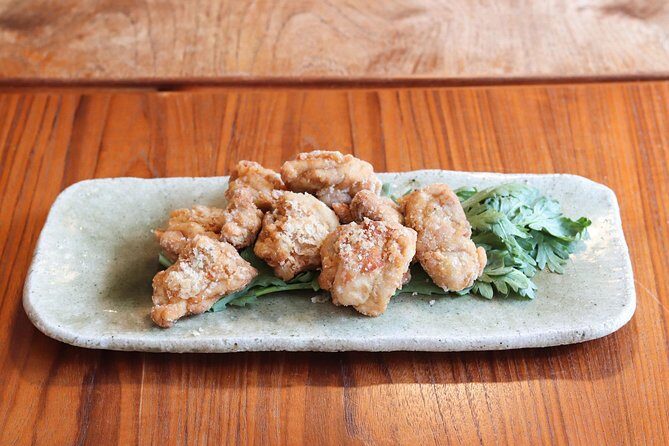
Menu details can vary by season, so don’t expect the exact same combination every time. But you should expect dishes that reflect Japanese home cooking and the ingredients you picked at Demachiyanagi Shoutengai. That’s what makes this class different from a standard “we’ll cook something Japanese” experience.
If you’re someone who likes to eat well and then go home with a recipe you can actually trust, this is a strong match. The meal gives you feedback: you learn what the dish should taste like, then you can recreate it later with more accuracy.
You can also read our reviews of more shopping tours in Kyoto

Price and value: is $119 per person worth it?
At $119 per person, this is not the cheapest thing in Kyoto. But it’s also not trying to be. You’re paying for a private guide who (1) takes you through a real local market, (2) helps you select ingredients, (3) teaches you in a home kitchen, and (4) feeds you what you make.
For a lot of people, the market-and-cooking combo is where the value lands. If you only did the market part, you might still feel uncertain about what to do with what you buy. If you only did a cooking class, you might not know why those ingredients matter. Here, you get both, connected end to end.
You also get the advantage of smaller attention. Since it’s private and only your group participates, the lesson can respond to your questions and comfort level. That’s difficult to price fairly against group classes where you’re one of many.
Two more value markers:
- The recipes are in English, so you’re not guessing what you’re supposed to do.
- The class includes both the experience and the meal. You’re not separately paying for food after a tour.
If you’re budgeting, I’d think about it this way: you’re paying for a meal you’ll remember, plus the shopping and cooking skills to make Japanese food at home with less trial-and-error.
Quick “fit” check: this is ideal if you love Japanese food, want authentic techniques, and enjoy learning by doing. It’s also a good pick if you’re traveling with someone and you want a shared activity that feels personal.
Should you book this Kyoto cooking class with Aki?
Book it if you want more than a tourist-style meal. You’ll get a private market tour, real ingredient shopping, and an English-taught cooking session in a home kitchen where the dishes reflect Japanese daily life. It’s also a smart choice if you care about taking something practical home—skills for choosing ingredients and making Japanese classics like miso soup the right way.
Skip it (or consider another option) if you strongly prefer hotel pickup or you don’t want to handle getting yourself to the meeting point. Also, this experience is non-refundable, so be sure your timing is locked in before you commit.
If your goal is to leave Kyoto with better cooking instincts—not just photos—then this is the kind of class that makes sense. You’ll eat well, learn a lot, and feel like you joined real life for a few hours.
FAQ
How long is the Kyoto market tour and cooking class?
It lasts about 4 hours. You’ll spend around 45 minutes walking through the market, then the cooking portion lasts about an hour before you eat.
Where do we meet, and what time does it start?
The meeting point is Demachi Futaba 236 Seiryūchō, Kamigyo Ward, Kyoto, and it starts at 10:30 am.
Is this a private experience?
Yes. It’s private, and only your group participates.
Are recipes provided, and what language are they in?
Yes. Aki provides recipes in English and guides you through the cooking process.
What’s included with the meal, and is alcohol part of it?
You’ll have a homecooked Japanese meal and beverages. The tour description also notes that 1–2 glasses of local alcohol are included.
Is hotel pickup included?
No. Hotel pickup and drop-off are not included, so you’ll need to get yourself to the meeting point.