REVIEW · KYOTO
Private Kyoto Sushi Cooking Class & Tea Ceremony with Emika
Book on Viator →Bookable on Viator
A Kyoto kitchen lesson with real matcha. In Emika’s home, you’ll use organic vegetables and learn Kyoto’s Obanzai flavors, with a start-and-finish rhythm built around matcha and a tea ceremony. It’s hands-on, relaxed, and very much the kind of meal you remember because you helped make it.
I particularly love how personal the teaching feels and how much you get to eat with what you cook. The one thing to consider is logistics: there’s no hotel pickup, and you should expect a short walk from the nearest train stop to reach her neighborhood.
In This Review
- Key things you’ll enjoy
- Why cooking in Emika’s Kyoto home feels different
- Meet Emika and start with freshly made matcha
- Cooking time: sushi prep, miso soup, and Kyoto vegetable dishes
- If you choose the sushi menu
- If you choose the Obanzai-style menu
- Vegetable ingredients that actually taste like spring, autumn, and everything between
- Meal time: what you’ll actually eat, and how pairing works
- Alcohol or matcha pairing
- Conversation that helps beyond food
- The tea ceremony ending: a quiet finale with real meaning
- Market tour option: supermarket browsing after lunch
- Price and value: what $109 buys you in real terms
- Who should book this class in Kyoto (and who might not)
- Getting there without drama: transportation and timing
- Quick tips to get the most out of your Kyoto cooking class
- Should you book this private Kyoto Sushi Cooking Class with Emika?
- FAQ
- How long is the Kyoto sushi cooking class and tea ceremony?
- What dishes will I learn to make?
- Can I choose between sushi and Obanzai?
- Is alcohol included?
- If I choose the Market tour option, when does it happen?
- What’s the cancellation policy?
Key things you’ll enjoy
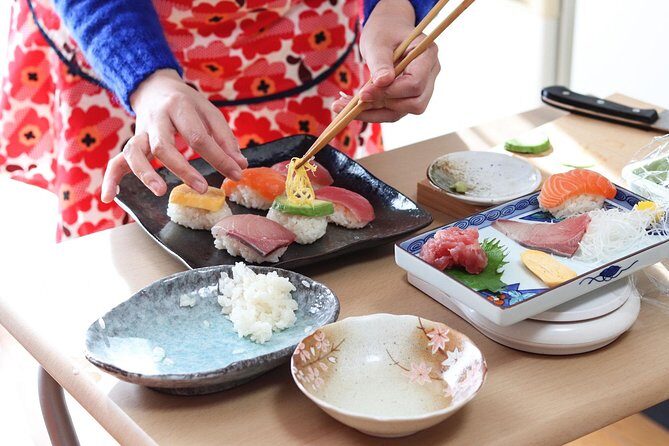
- Emika’s Kyoto home kitchen: you cook as a small group inside a real residential space, not a demo hall.
- Organic veggies from her garden: you’re working with fresh seasonal produce that’s grown by your host.
- Sushi or Obanzai menu choice: you can plan the experience around what you want to learn.
- Matcha at the table, then tea ceremony to close: green tea isn’t an afterthought here.
- Local alcohol with your meal: you can pair your food with drinks from the region.
- Market option for pantry shopping: if you pick it, you’ll see how locals grab ingredients after the meal.
Why cooking in Emika’s Kyoto home feels different
Most cooking classes in Kyoto teach you steps. This one teaches you context. Emika opens her home so you’re not just copying a recipe. You’re learning how a Kyoto household thinks about flavors: seasonal vegetables, balanced soups, and simple dishes that taste like they belong to the street you’re standing on.
That “home” factor matters for two reasons. First, the pace stays human. You don’t feel rushed through technique. Second, you can ask practical questions while you’re actually eating, not while someone is waving a spoon in front of you from across a room.
And because the focus includes Kyoto specialties—especially Obanzai—you’ll come away with ideas you can use after the class. Think: how to build a meal around vegetables and light flavors, not just a big plate of one dish.
You can also read our reviews of more private tours in Kyoto
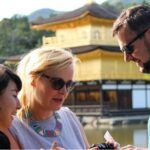
Meet Emika and start with freshly made matcha
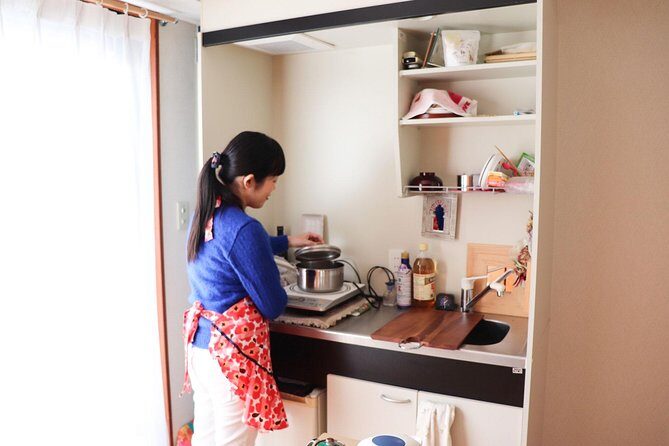
The experience begins at a private address in Nishikyo Ward, Kyoto. You meet Emika at 31-30 Katsurainariyamachō (the tour ends back at the same meeting point). There’s no hotel pickup, so plan to get there on your own using public transportation.
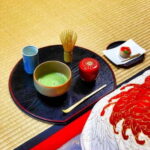
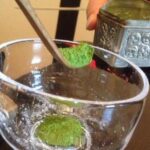
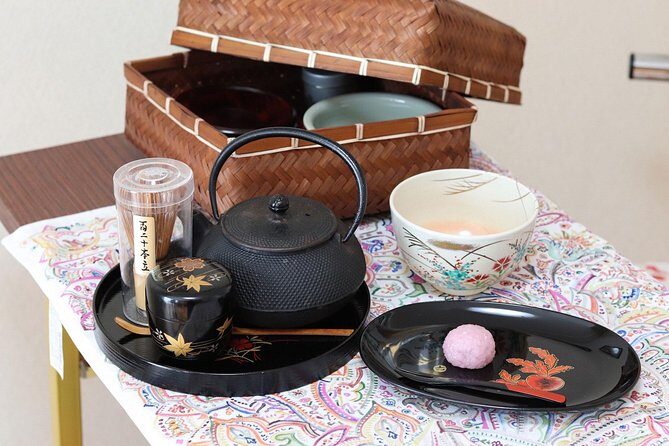
In Emika’s home, you start with freshly made matcha green tea. From there, the cooking flows into the main lesson: sushi of your choice or a traditional main, plus two Obanzai-style vegetable side dishes. The class is designed for all skill levels, so don’t stress if your sushi skills start at zero.
A small note that can shape your expectations: her English may not be perfect, but the class is hands-on and the instruction is clearly explained. The meal itself becomes your shared language—everyone is focused on what’s happening in front of them.
Cooking time: sushi prep, miso soup, and Kyoto vegetable dishes
The cooking portion is about an hour, followed by the meal you prepare together. That timing is smart. You get enough instruction to feel confident, then you settle into eating while everything is still fresh and warm (and before you lose momentum).
If you choose the sushi menu
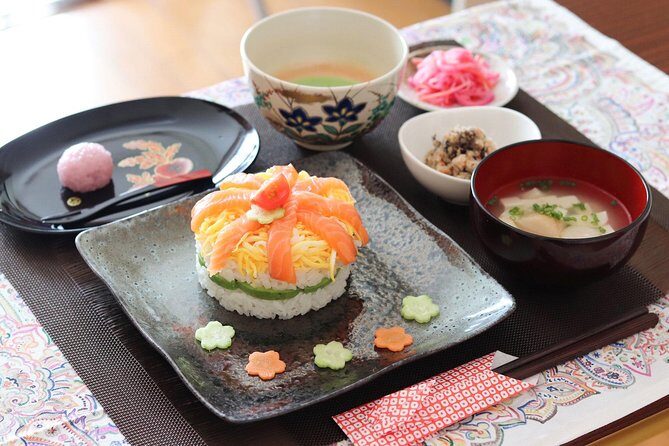
You’ll learn to make sushi that fits your preference when you book. You’re guided through key steps, including sushi rice prep and assembling your rolls or nigiri style (the exact sushi format depends on what you select ahead of time). You’ll also make supporting dishes that round out the plate.
Many classes treat sushi as the whole event. Here, sushi is paired with classic Japanese basics—like miso soup and vegetable dishes—so your meal tastes like a real Kyoto household spread.
If you choose the Obanzai-style menu
If you prefer Kyoto vegetable-forward cooking, you’ll shift toward Obanzai dishes: traditional, home-style preparations using seasonal ingredients. You still get the full flow—start with tea, cook with your host, then sit down together to enjoy what you made.
You can also read our reviews of more cooking classes in Kyoto

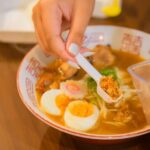
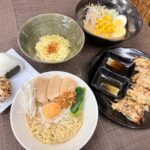
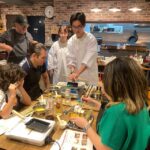
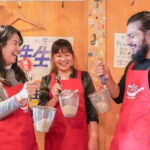
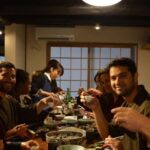
Vegetable ingredients that actually taste like spring, autumn, and everything between
Emika grows her own organic vegetables for the lesson. That detail changes how the food feels in your mouth. Instead of tasting “generic greens” that could be from anywhere, you taste produce that’s in season and handled carefully.
You’ll also get a sense of how Obanzai dishes use vegetables with restraint. They’re not trying to impress with heavy flavors. They’re balanced: a little sweet, a little savory, warmed through, often simmered or marinated, and built to complement the rest of the meal.
Meal time: what you’ll actually eat, and how pairing works
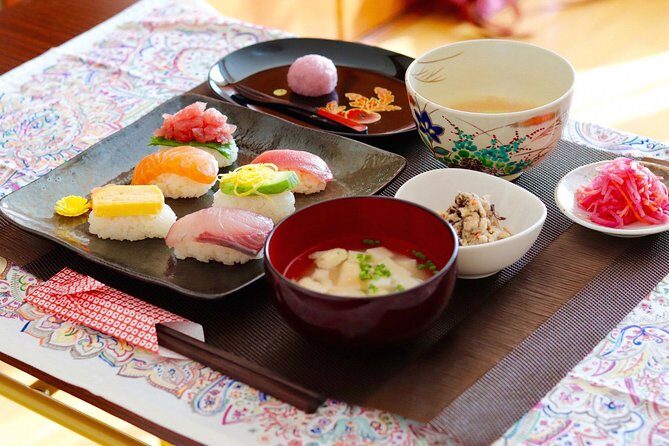
Once the cooking portion ends, you eat together the meal you made. This is where the class becomes more than a skill session.
Alcohol or matcha pairing
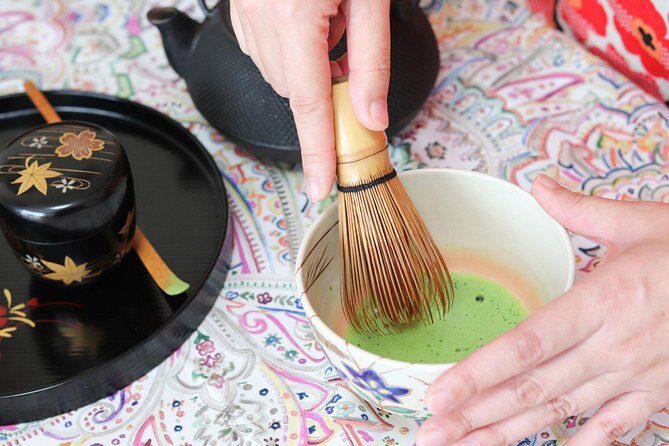
The experience includes local alcohol—typically one to two glasses—and the option to pair your food with matcha. If you like sake, you might see choices like nigori sake offered (it depends on what’s available that day). If you’d rather skip alcohol, you can still lean into matcha as the drink that ties the meal together.
Conversation that helps beyond food
A big part of the value is that you’re eating with a Kyoto resident. Emika shares recommendations for the city, and you can ask about food and culture while the meal is happening. You’re not just consuming information. You’re getting tailored ideas that match what you cooked and what you enjoyed.
The tea ceremony ending: a quiet finale with real meaning
Your meal ends with a tea ceremony. This isn’t “extra for extra’s sake.” It works as a reset after cooking.
Tea ceremonies are often treated like a museum activity. In this setting, you’ve just handled ingredients, made dishes, and eaten together. So the tea feels like a continuation of the same theme: simple, thoughtful steps and attention to small details.
You’ll finish in Emika’s home, back at the original meeting point. Plan for a calm ending—don’t stack right on top of it a long commute with tight timing.
Market tour option: supermarket browsing after lunch
If you choose the Market tour option, Emika adds a one-hour walk to a local produce store and supermarket. Here’s the key detail: it happens after your cooking class and meal, not before.
This order is excellent. You already understand what you made, so when you see ingredients in the store, your questions make sense. You can ask: what substitutes work, what seasonings are worth buying, and what’s unique to Kyoto or Japanese pantry life.
If you want to take the experience home, this option gives you a practical shopping list mindset. Emika can help you purchase ingredients to bring back, which is far more useful than just receiving recipes.
Price and value: what $109 buys you in real terms
At $109 per person for about 3 hours, this isn’t the cheapest activity in Kyoto. But it’s also not trying to be. The value is in the private format and the “all-in” nature of the meal.
You’re paying for:
- Private coaching in a local home (not a shared demo setting)
- A menu built around Kyoto staples (sushi option plus Obanzai dishes)
- Matcha service and a tea ceremony
- Local alcohol (when you want it)
- Access to seasonal, organic ingredients from your host’s garden
Also, this class is often booked about 49 days in advance on average, which is a good signal. When something gets scheduled early, it usually means people find it worth the time.
If you’re comparing costs, don’t just compare to other cooking classes. Compare to the total package: where you eat, what you learn, how the tea experience fits in, and what you can realistically replicate after you get home.
Who should book this class in Kyoto (and who might not)
This experience fits best if you want:
- A small, intimate culinary moment in a real neighborhood
- Kyoto-focused cooking, not generic Japanese street food
- Hands-on instruction that welcomes beginners and tweens alike
- A meal where you can slow down and ask questions
It’s also a good choice for families. One family experience noted how the host involved kids comfortably, and the format worked across ages.
You might hesitate if you need a highly structured, English-only class in a “tourist-friendly” building. Because it’s in a private home and instruction is tied to what’s happening with your hands and your plate, it works best when you’re comfortable with a relaxed pace and learning by doing.
Getting there without drama: transportation and timing
Since there’s no hotel pickup, your biggest job is arriving on time and not panicking about a neighborhood walk.
The meeting point is in Nishikyo Ward. Expect it to be close to public transportation, but not right beside the station. One account described a roughly 10–15 minute walk through winding streets to reach Emika’s neighborhood. If you rely on navigation apps, set them up before you leave the station so you can follow along smoothly.
Also note that the experience runs about 3 hours, and it includes both the cooking and the meal plus tea ceremony. Give yourself a little breathing room before and after.
Quick tips to get the most out of your Kyoto cooking class
- Decide when booking whether you want sushi or Obanzai emphasis, and tell Emika your preference.
- If you have allergies or dietary restrictions, send them ahead of time. The experience is set up to handle individual needs when informed.
- If you like sake, mention you’re open to local options. If you’d rather not drink, plan to enjoy matcha with the food.
- If you want to buy ingredients afterward, pick the Market tour option. It’s built to make your shopping smarter, not just more fun.
Should you book this private Kyoto Sushi Cooking Class with Emika?
I’d book it if your goal is a Kyoto meal that feels personal: cooking with a host, eating what you made, then finishing with matcha and a tea ceremony. The biggest win is the combination of Obanzai focus, Emika’s organic garden vegetables, and the fact that it’s private enough to feel like you’re actually part of a household meal.
I’d also book it if you want value beyond cooking techniques. You’re leaving with a sense of Japanese ingredient logic—how vegetables become dishes, how soups fit in, and what flavors work together. That makes it easier to recreate the vibe at home, even if you can’t replicate Kyoto perfectly.
If, however, you need hotel pickup, a fully standardized “school classroom” experience, or you’re nervous about any language barrier at a private home, you may want a bigger, more structured tour format instead.
FAQ
How long is the Kyoto sushi cooking class and tea ceremony?
It runs for about 3 hours (approx.), with cooking taking about an hour before you eat the meal you prepared.
What dishes will I learn to make?
You’ll make sushi of your choice or a traditional main, plus two Obanzai-style vegetable dishes. The experience also includes matcha service, and your meal ends with a tea ceremony. Miso soup is also part of the cooking experience described.
Can I choose between sushi and Obanzai?
Yes. When booking, you can inform Emika if you would prefer a sushi or Obanzai menu.
Is alcohol included?
Yes. Local alcohol is included (typically 1–2 glasses). You can also enjoy matcha paired with your food.
If I choose the Market tour option, when does it happen?
It happens after your cooking class and your meal. The market tour is about 1 hour and includes a supermarket and produce store.
What’s the cancellation policy?
You can cancel for a full refund up to 24 hours in advance of the experience start time. If you cancel less than 24 hours before, the amount paid is not refunded.