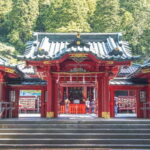
REVIEW · TOKYO
Private Walking Tour: The Little Kyoto of Tokyo, Kagurazaka
Book on Viator →Operated by 外国人向け体験ツアー · Bookable on Viator
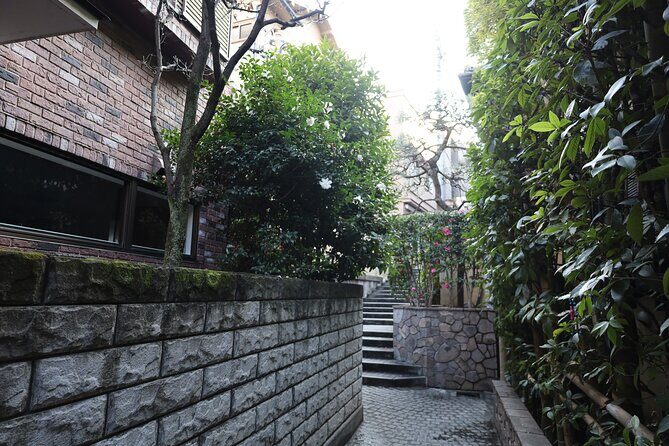
Kagurazaka is Tokyo at its quietest. This private walking tour takes you through cobblestone lanes, black wooden fences, and the kind of old-Japan atmosphere that makes you slow down without trying. You’ll follow the story of the area back to Tokugawa Iemitsu and see how everyday streets connect to shrines, temples, and samurai-era history.
I love that it’s a small, private format, so you can actually ask questions as you walk. I also like the mix of culture and everyday Tokyo life, with a stop at AKOMEYA TOKYO in la kagū, where food-focused design meets local ingredients. One thing to consider: it’s only about 2 hours, so if you want to linger in shops or go deep into one site, you’ll need to do some of that on your own afterward.
You’ll finish near Iidabashi, which is handy for continuing your day. The route is built around short, easy-to-follow stops, mostly with free admission at each site, and a guide who can explain what you’re looking at without turning it into a lecture. Still, the biggest “gotcha” is simple: it’s a walking tour, so wear shoes you trust and expect slow pacing rather than marathon distance.
In This Review
- Key highlights at a glance
- Kagurazaka’s calm vibe: why this feels like Tokyo’s little Kyoto
- Where you start and how the walk flows (Kagurazaka to Iidabashi)
- Stop 1: AKOMEYA TOKYO in la kagū and Kengo Kuma’s warehouse reuse
- Stop 2: Akagi Shrine—migration stories you can actually picture
- Stop 3: Zenkoku-ji (Bishamonten)—Tokugawa-era protection in temple form
- Stop 4: Tsukudo Hachiman Shrine—about 1200 years of layered devotion
- Stop 5: Remains of Ushigome Gate—Edo Castle scale, in stone
- What the tour does best: connecting street charm to real explanations
- Price and value: is $104.05 per person fair for a private 2-hour walk?
- Guide experience: multilingual help and room for questions
- Food and shopping: what’s worth doing before or after
- Who this Kagurazaka tour is best for
- Should you book? My take
- FAQ
- How long is the Kagurazaka private walking tour?
- How much does the tour cost?
- Is this tour private?
- What languages are available with the guide?
- Where do I meet the guide?
- Where does the tour end?
- Is admission required for the stops?
- What ticket type is used?
- Is the tour refundable if I cancel?
- Can I bring a service animal?
Key highlights at a glance
- Tokugawa-era roots: Kagurazaka’s origins tie back to the 1630s, including the 1636 era connection to Tokugawa Iemitsu
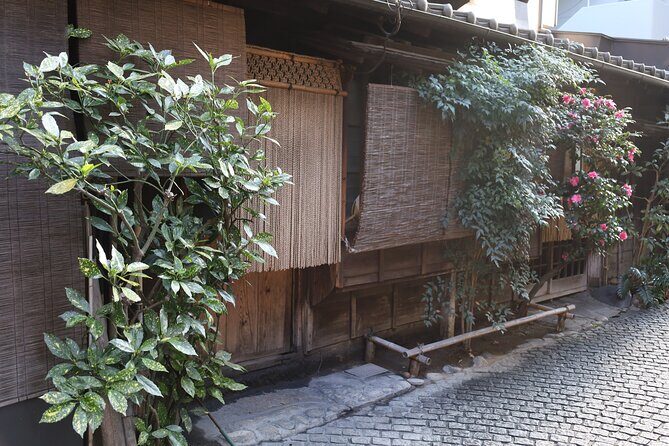
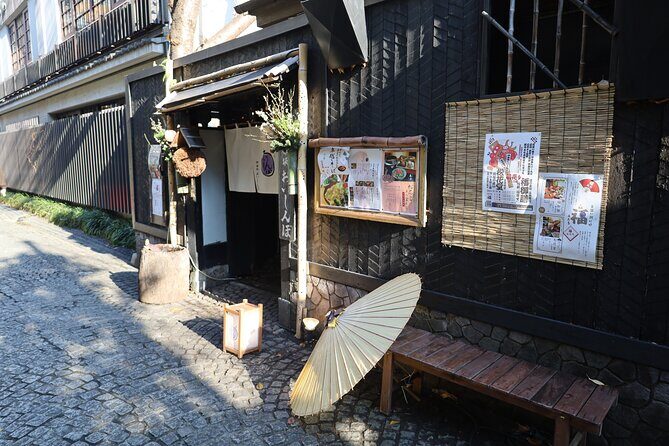
- Old streets with visual character: cobblestones, black wooden fences, and little details that reward walking slowly
- A food-design stop that isn’t just a photo op: AKOMEYA TOKYO in la kagū, renovated by architect Kengo Kuma
- Multiple faith sites, each with a different backstory: Akagi Shrine, Zenkoku-ji, Tsukudo Hachiman, and more
- A tangible Edo Castle remnant: the remains of Ushigome Gate, with stone walls you can actually see
- Multilingual guide, private group: English/French/German/Spanish, and it’s only your group on this tour
Kagurazaka’s calm vibe: why this feels like Tokyo’s little Kyoto
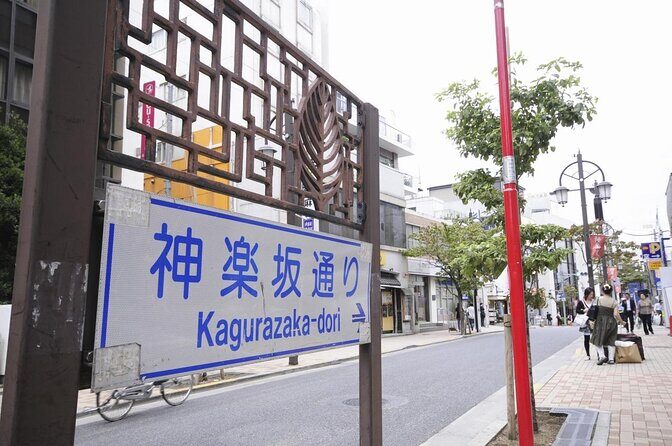
If Tokyo is a loud orchestra, Kagurazaka is a quiet chamber group. The streets here are meant for wandering: narrow lanes, older buildings, and that slightly staged-in-a-good-way feeling you get when history hasn’t been fully sanded down for tourism.
What makes this tour work is that it doesn’t just point at landmarks. It helps you read the neighborhood. You’ll connect what you see today—shrines, temple grounds, traditional gates, and local storefronts—to the people who shaped the area long ago, including Tokugawa Iemitsu, the 3rd shogun tied to Kagurazaka’s early development in 1636.
And yes, you might catch that “serendipity” feeling the tour is aiming for. The route leans toward details: cobblestone textures underfoot, the look of black wooden fences, and the small chances of seeing traditional street life you might otherwise miss while rushing to the next big attraction.
You can also read our reviews of more walking tours in Tokyo

Where you start and how the walk flows (Kagurazaka to Iidabashi)
This is set up as a point-to-point walk. You begin at Kagurazaka Station, Yaraicho (Shinjuku City) and end at JR Iidabashi Station, West Exit. That matters because it shapes how you’ll plan the rest of your day: you don’t have to backtrack the whole way.
The tour runs about 2 hours, so expect a pace that’s steady but not frantic. Most stops are short, and they’re chosen to keep you moving while still giving you time to understand what you’re looking at. Each of the listed sites has free admission, which is a nice bonus for value and for not worrying about ticket booths mid-walk.
Practical tip: since you’ll be walking between neighborhoods and finishing at a different station, set up your next transit plan before you start. I like to have one route option saved on my phone so the end point feels effortless, not stressful.
Stop 1: AKOMEYA TOKYO in la kagū and Kengo Kuma’s warehouse reuse
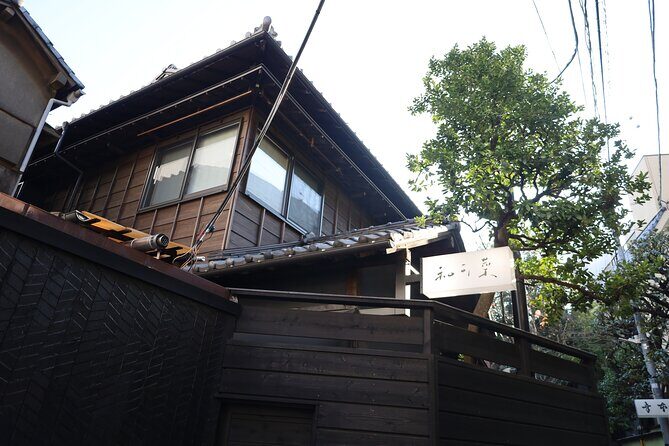
You kick things off with a stop that’s very Tokyo, but in an unexpected way. AKOMEYA TOKYO in la kagū is a commercial facility created by renovating a warehouse linked to Shinchosha Publishing Co., with design work by architect Kengo Kuma.
What’s useful here isn’t just the architecture. It’s the way this place treats food ingredients as something worth noticing. You’ll find items like rice, dashi, and seasonings—basics of Japanese home cooking that also show up in restaurants, convenience store meals, and even the way locals think about flavor.
This stop gives you an easy mental reset early in the tour. After you’ve been dropped into a calmer, old-street atmosphere, this market-like environment feels like a bridge: tradition in the ingredient sense, modern design in the building sense.
A small consideration: because it’s a shopping environment, you may feel the temptation to browse longer than the tour allows. If you’re the type who loves food shopping, decide in advance what you’re willing to buy on this trip so you don’t lose time you’ll want later for the shrines and temple sites.
Stop 2: Akagi Shrine—migration stories you can actually picture
Next up is Akagi Shrine, with roots tied to a person and a place. The shrine was founded in Ushigome Waseda by Ohgoshi Hikotaro Shigeharu, who migrated from the foot of Mount Akagi in Gunma around 1300. The shrine later moved to its current location in 1555.
That’s the kind of history that feels real because it’s human-scale. Instead of only hearing dates, you’re asked to imagine a person relocating, finding a new home area, and carrying religious practice along with them.
This is one of the places where a good guide makes a difference. As you look at the shrine grounds, you’ll understand how these sites weren’t always fixed in place the way they are now. They followed people, communities, and power shifts across centuries.
Tip: take 30 seconds to just look first. Then let your guide’s explanation land. You’ll remember more if you start with your own eyes instead of jumping straight into facts.
Stop 3: Zenkoku-ji (Bishamonten)—Tokugawa-era protection in temple form
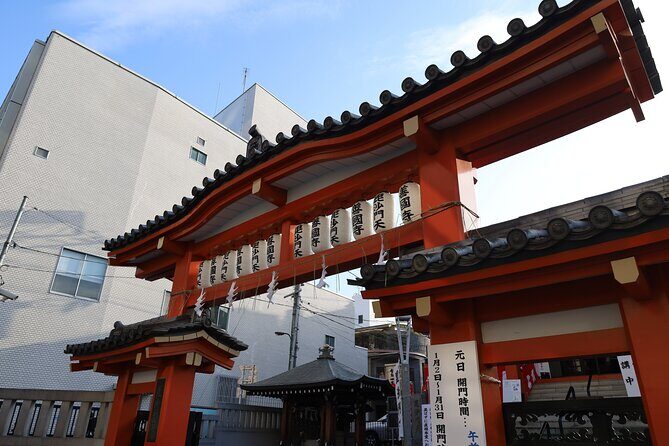
Your tour then moves to Zenkoku-ji Temple, specifically the Bishamonten side. Here, the timeline connects to Tokugawa power: Bishamonten at this temple was established in 1595 in Nihonbashi Bakurocho by order of Tokugawa Ieyasu, the first shogun of the Edo shogunate, with the stated idea of protecting the nation.
You’ll also learn that the site experienced disruptions over time, including fires that affected its location and later arrangements. That’s important context for Tokyo visitors, because it reminds you that the city you walk through today is shaped by rebuilding, not just uninterrupted preservation.
What I like about including a temple stop like this is that it rounds out the picture. Kagurazaka isn’t only about fences and charm. It’s also about how religious institutions were part of political and social stability.
Possible drawback: if you’re hoping for nonstop dramatic visuals, this might feel calmer than the gate-remnant stop later. That’s normal here. The value is in learning how the spiritual and political story overlaps.
You can also read our reviews of more private tours in Tokyo




Stop 4: Tsukudo Hachiman Shrine—about 1200 years of layered devotion
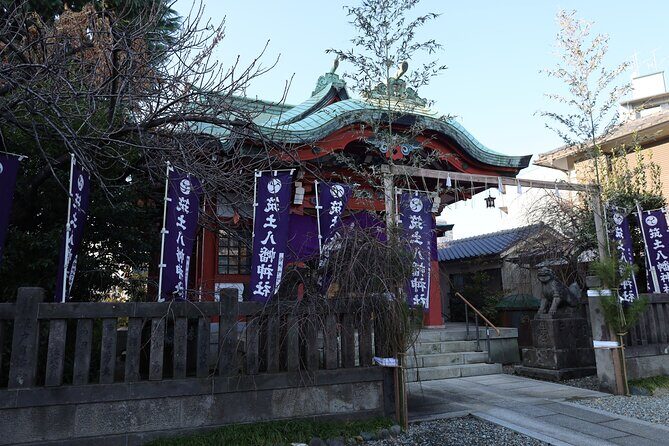
Then comes Tsukudo Hachiman Shrine, described as ancient—believed to be established around 1200 years ago.
The special detail here is the connection to a specific religious artifact: a statue of Amitabha Buddha enshrined in a small shrine is said to have been carved by Saicho, a well-known historical figure associated with early Japanese Buddhism.
That mix matters. Hachiman shrines are often thought of in terms of Shinto tradition, but the guide’s explanation highlights how Japanese religious life has long been layered and cross-influenced. You’re not just visiting a shrine. You’re seeing the way faith can stack in the same physical space across time.
For you, that makes the walking tour smarter. It turns simple scenery into a map of cultural mixing—something you can carry with you the rest of your Tokyo trip.
Stop 5: Remains of Ushigome Gate—Edo Castle scale, in stone
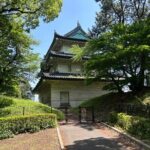
The final “wow” moment is outside the traditional shrine-and-temple pattern. You’ll see the remains of Ushigome Gate, originally part of the outer moat area of Edo Castle.
This gate was constructed in 1636 and the stone walls that remain let you grasp scale in a way a photo can’t. Even without dramatic set dressing, the thickness and layout communicate power and defense. You’ll understand why this area is described as part of the neighborhood’s deeper Tokugawa-era fabric.
This stop ties back to the tour’s bigger theme: Kagurazaka is “Little Kyoto” because of its atmosphere, but it’s also deeply Tokyo because it traces back to the same Edo-era systems that helped shape the capital’s structure.
Practical tip: when you reach this gate remnant, give yourself an extra minute to step back and look at the line of the stones. It’s the kind of place where the guide’s explanation helps, but your own angle helps just as much.
What the tour does best: connecting street charm to real explanations
A lot of Tokyo neighborhood tours fall into two camps: photo-ops with little context, or museum-style explanations that don’t match the pace of walking. This one tries to do both the street vibe and the context, without making you feel rushed.
Here are the most effective elements of the experience, in plain terms:
- You learn while moving, so the story sticks to what you’re standing next to.
- Short stops keep your attention fresh, and the free-admission sites avoid boring logistics.
- Kagurazaka’s sensory details—cobblestones, fences, and quiet corners—make the history feel less abstract.
- The tour’s theme of old Japan is balanced with everyday Tokyo through the food/ingredient stop.
Price and value: is $104.05 per person fair for a private 2-hour walk?
At $104.05 per person for about 2 hours, this isn’t the cheapest thing you can do in Tokyo. But it’s also not priced like a premium “big show.”
For your money, you’re getting:
- a private walking format (only your group),
- a multilingual local guide (English/French/German/Spanish),
- a route that includes multiple meaningful sites,
- and a start-to-finish flow from Kagurazaka Station to Iidabashi Station.
If you’re traveling with a partner or small group, private format is often where the math starts to feel kinder. And if you care about understanding what you’re seeing—rather than just ticking off addresses—having a guide who can explain quickly and clearly adds real value.
One more practical note: the experience is described as mobile ticket based, and it’s commonly booked around 5 days in advance on average. That’s a good sign for availability, but it also means last-minute plans can get trickier in peak seasons.
Guide experience: multilingual help and room for questions
The tour includes a multilingual local guide in English, French, German, or Spanish. That’s more than convenience. It changes how comfortable you feel asking follow-ups when something catches your eye—like why a shrine moved, or what a temple name signals.
The reviews you shared highlight the guide approach in a very consistent way: friendly, fun, and question-friendly. One message mentions meeting Shinya Yamada (the founder) and tour guide Chiharu Iida, with an emphasis on answering questions and keeping the walk engaging.
You don’t need to be an expert to enjoy this. If you like learning in a relaxed way—one stop at a time, with time to look—this format fits you well.
Food and shopping: what’s worth doing before or after
Snacks are not included, but the tour is set up so you’ll pass through areas where you can easily handle your own cravings. That’s actually a good thing. Instead of forcing a set snack stop, you get flexibility.
If you want ideas, this neighborhood naturally supports choices like traditional Japanese sweets, tofu desserts, and shop-style snacks such as croquettes. You might also want to buy small ingredients at AKOMEYA if you’re into home cooking or want a travel-friendly food memory.
A simple approach that works: plan to eat after the tour. Bring water. If you see something you want, buy it on the spot—but don’t let shopping steal your walking time. You’ve got a fixed two-hour slot and a meaningful route.
Who this Kagurazaka tour is best for
This tour is a great fit if you:
- want a calmer neighborhood experience in Tokyo rather than another checklist march,
- enjoy history that’s tied to what’s physically around you,
- like small-group questions instead of one-way facts,
- and appreciate a mix of shrines/temples plus local food culture.
It’s also a good choice for first-time Tokyo visitors who already saw the big-name sights. Kagurazaka works like a reset button: same city, different mood.
If you’re the type who hates walking or needs constant stops every 15 minutes, this might feel a bit too “one lane at a time.” For everyone else, it’s an efficient way to get a real sense of the neighborhood.
Should you book? My take
Book it if you want Kagurazaka to feel understandable, not just pretty. The stops are varied enough to keep the story interesting—AKOMEYA for food-and-design, shrine and temple sites for religion and history, and the Ushigome Gate remains for that Edo-era physical scale.
Skip it or consider a different option if you’re looking for long site visits or a heavy shopping itinerary. This is a walking tour with a clear two-hour rhythm. If that pacing matches you, you’ll likely enjoy how the neighborhood clicks together in your head by the end.
If you do book, choose comfortable shoes and plan a next stop at Iidabashi so your whole day feels smooth. Kagurazaka is best when you don’t rush it.
FAQ
How long is the Kagurazaka private walking tour?
The tour lasts about 2 hours.
How much does the tour cost?
The price is $104.05 per person.
Is this tour private?
Yes. It’s a private tour/activity, and only your group participates.
What languages are available with the guide?
The guide is multilingual, available in English, French, German, and Spanish.
Where do I meet the guide?
The start point is Kagurazaka Sta. Yaraicho, Shinjuku City, Tokyo 162-0805, Japan.
Where does the tour end?
The tour ends at Iidabashi Station (West Exit), Tokyo, 102-0072.
Is admission required for the stops?
The stops listed show free admission (for example AKOMEYA TOKYO in la kagū, Akagi Shrine, Zenkoku-ji Temple, Tsukudo Hachiman Shrine, and the gate remains).
What ticket type is used?
The experience uses a mobile ticket.
Is the tour refundable if I cancel?
No. The experience is non-refundable and cannot be changed for any reason.
Can I bring a service animal?
Service animals are allowed.