REVIEW · TOKYO
Small Group Sushi roll and Tempura Cooking Class in Nakano
Book on Viator →Operated by Calmo Cooking Class in Tokyo Japan · Bookable on Viator
Tokyo’s best cooking lessons feel like home.
In Nakano, you learn to make sushi rolls and tempura in your host’s home, not a classroom. I love that you practice real techniques step by step, and you also get a take-home recipe set so you can repeat it later. One thing to consider: since this happens in a private home setting, you’ll want to feel comfortable following instructions closely in someone else’s space.
The class is run by Calmo Cooking Class in Tokyo Japan, and the host I’m focusing on here is Eri. I also like how the lesson covers ingredients locals actually use—rice, dashi, and nori (seaweed sheet)—so you’re not just assembling rolls. The only drawback for some people: the time is short (about 2.5 hours), so you’ll move at a steady pace and you may not get a ton of free-form experimenting beyond what the instructor guides you through.
In This Review
- Small Group Nakano Sushi Roll and Tempura Cooking Class: What Makes It Work
- Why This Class Beats Ordering Sushi and Tempura
- Meet at Asagaya Station: Getting There Without Stress
- In Eri’s Home Kitchen: Setting Up the Sushi Rice and Rolling Game
- Three Sushi Rolls You Make (and Why That Number Is Smart)
- Tempura in the Same Session: Crisp Texture, Real Choices
- Eating Like a Guest: Japanese Table Setup and Itadakimasu
- Price and Value: Is $160 Worth It?
- Small Group Comfort: Personalized Guidance Without the Crowd
- Who This Class Is For (and Who Might Skip It)
- Key Things to Pay Attention to During the Class
- Should You Book This Nakano Sushi and Tempura Class?
- FAQ
- Where is the meeting point for the class?
- How long does the experience last?
- Is it a small group or a private class?
- What will I make during the class?
- Can the menu be adjusted for dietary restrictions?
- Do I get recipes to take home?
- Is there free cancellation?
Small Group Nakano Sushi Roll and Tempura Cooking Class: What Makes It Work
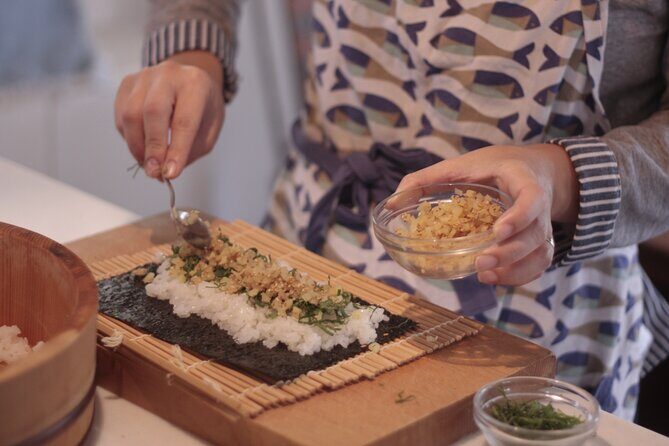
This is the kind of experience that’s hard to get from eating out. You’re not only tasting sushi rolls and tempura; you’re learning why they work—the rice texture, the rolling method, and how tempura stays light and crisp. And because it’s in a home, the vibe is calmer than most cooking spots in Tokyo. You’ll be able to ask “why” questions and get direct support while you cook.
You’ll make three different sushi rolls and tempura (seafood and vegetables), with choices based on your preferences. The class also specifically mentions adjustments for vegetarian and other dietary restrictions, which is a big deal when you’re trying to learn Japanese cooking without having to sit on the sidelines.
The small-group setup matters. It’s not a show. It’s hands-on. You’re meant to do the work—making the rolls, frying the tempura, and setting the table in a Japanese style moment that ends with a proper itadakimasu before you eat.
Why This Class Beats Ordering Sushi and Tempura
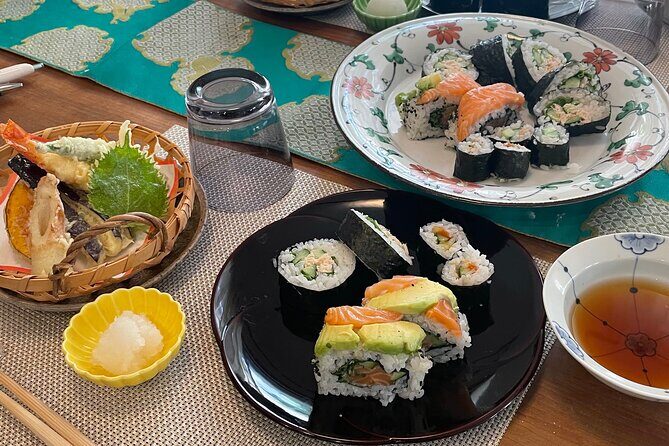
Restaurants are great for flavor, but they’re not great for technique. Here, the value is in the transfer of skills. You’re learning sushi rice basics, rolling methods, and a tempura approach that you can actually repeat later. That’s why the recipe component is important: it helps you recreate the steps at home instead of only remembering what it tasted like.
For sushi, the lesson starts with fundamentals: how to make sushi rice that tastes right, how rice behaves when seasoned and rolled, and how to handle ingredients like dashi (the flavor base you’ll hear about in Japanese cooking). Nori matters too. If your nori isn’t handled correctly, the whole roll can fall apart when you bite. In this class, you’re given guidance so you don’t leave the experience with a roll that looks fine but doesn’t cut cleanly.
For tempura, the class emphasizes the texture: fluffy and crispy. That’s the core of tempura. You’re getting to choose your seafood and vegetable ingredients, then learning to fry them with support so you can aim for that light crunch rather than greasy heaviness.
You can also read our reviews of more cooking classes in Tokyo
Meet at Asagaya Station: Getting There Without Stress
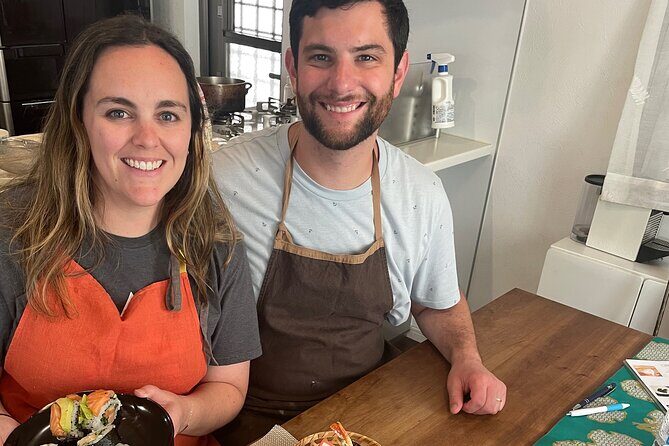
The meeting point is at NewDaysJapan near JR Asagaya Station, on the 2nd floor outside the ticket gate concourse (Suginami City, Asagayakita, 3-chōme, south 3361). It’s listed as near public transportation, which is exactly what you want for a cooking class. You don’t need to fight with taxis or figure out the last mile on foot.
The class starts there and ends back at the meeting point. That is simple and comforting after 2.5 hours of cooking, because you won’t be hunting down a second location in a neighborhood you may not know yet.
Practical tip: treat this like you would a train connection. Arrive a bit early so you can take a breather, find the right spot at the station, and mentally switch from walking Tokyo mode to cooking mode.
In Eri’s Home Kitchen: Setting Up the Sushi Rice and Rolling Game
Once you’re in, the flow is clear. You’ll start with an explanation of Japanese ingredients, including sushi rice basics and key building blocks like dashi and nori. The goal here is to help you understand what you’re doing, not just copy steps.
Then you move into sushi rice and rolling technique.
You’ll get:
- Tips for making sushi rice taste right
- Guidance on rolling sushi nicely
- Support when you choose what goes into your rolls
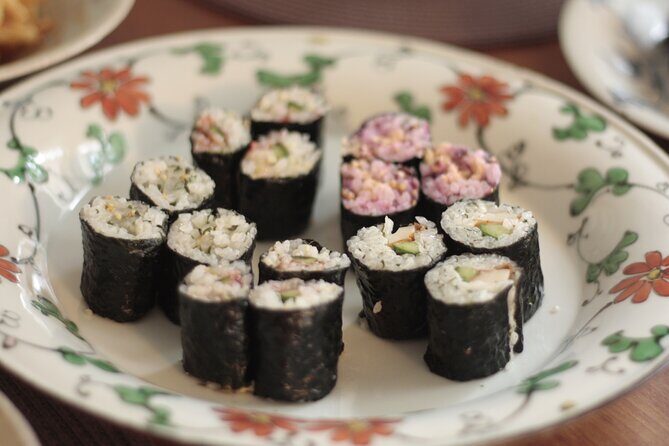
- Instruction on how to cut the rolls beautifully
That cutting part matters more than people expect. Sushi rolls don’t just need to taste good—they need clean slices so each piece holds together and looks proper. If you’ve ever had a roll that squished instead of cut, you’ll appreciate this.
You also get to choose. That choice is one of the most satisfying elements of the class. It turns sushi rolling from a generic exercise into something personal, which makes the whole process more memorable. When you’re rolling your own roll, you notice small things: how firm the rice feels under your hands, how the ingredients affect thickness, and how nori behaves as you roll.
Three Sushi Rolls You Make (and Why That Number Is Smart)
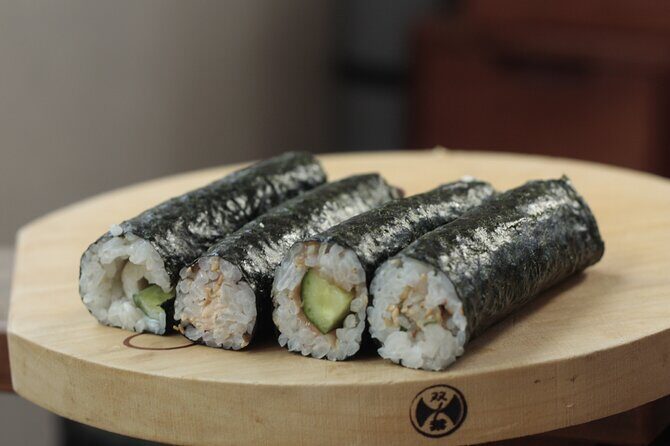
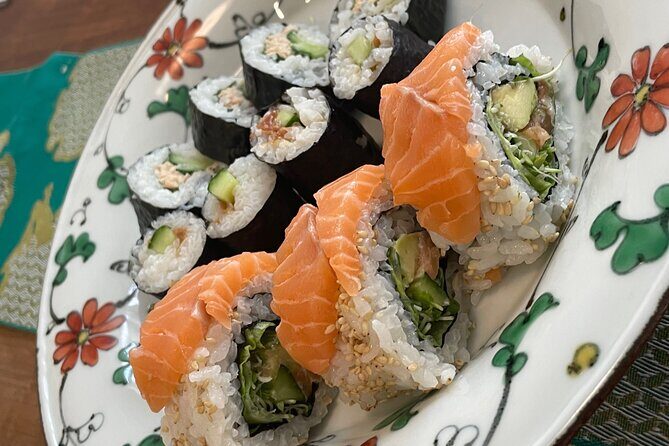
The class focuses on three different types of sushi rolls. That’s a sweet spot. You get variety without feeling lost in too many variations. Each roll teaches you a slightly different skill angle—like how to distribute filling, how to roll evenly, and how to manage thickness so the cut looks good.
Because the lesson includes personalized support, you’re not stuck figuring out what went wrong when something doesn’t roll perfectly. You’ll have a chance to correct technique while you’re still in the middle of making your own food.
And this matters for your confidence afterward. One sushi roll is easy to remember; three rolls build a pattern. After the class, you’re more likely to understand how sushi rice + rolling method translates across different fillings.
Tempura in the Same Session: Crisp Texture, Real Choices
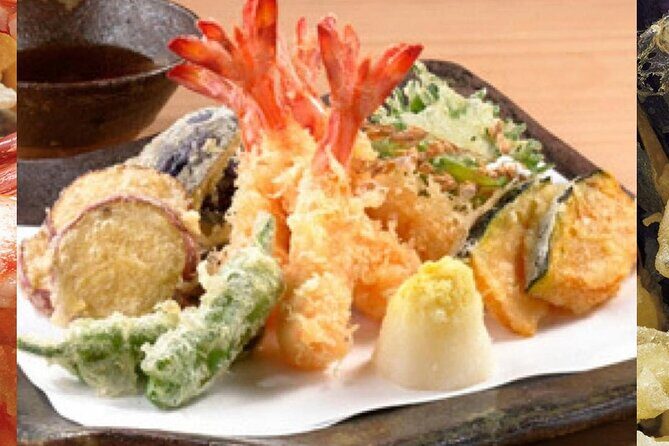
Tempura is where you get that second big Tokyo skill: deep-fried comfort food done lightly. The class calls out tempura as fluffy and crispy, and that’s what you should aim for while you fry.
You’ll choose what to use for tempura—seafood and vegetables—and then you’ll cook it with support. The class also emphasizes that the dishes are savory and a favorite with many guests, which makes sense: when tempura comes out right, it tastes like crunch without heaviness.
Two key reasons this class format is valuable:
- You’re not only watching someone fry. You’re actively participating.
- You get guidance that helps you hit texture, not just appearance.
If you care about what makes tempura feel special, this is the part to pay attention to. The goal isn’t “fried food.” It’s light frying—so the outside stays crisp and the inside stays tender.
A few more Tokyo tours and experiences worth a look



Eating Like a Guest: Japanese Table Setup and Itadakimasu
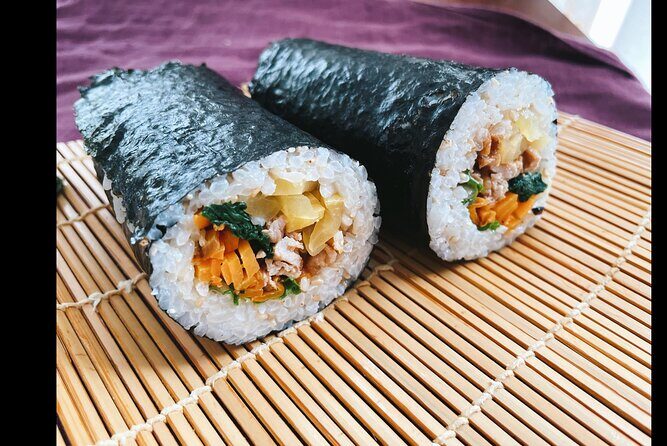
Before you eat, you set the table in Japanese style and say itadakimasu. That might sound like a small cultural detail, but it changes the tone. Instead of rushing to the next task, you pause and treat the meal as the reward for what you made.
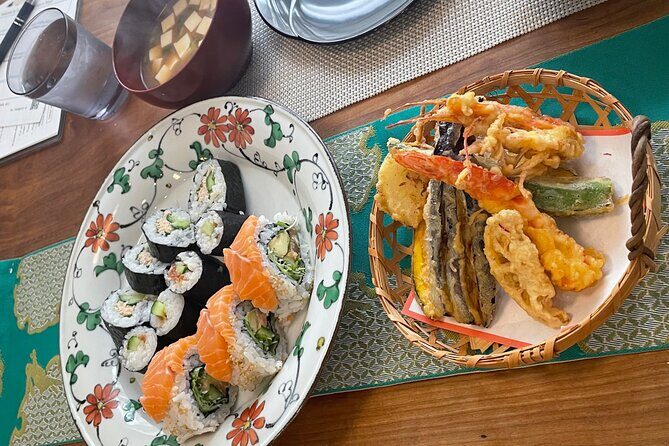
Then you enjoy what you cooked: your sushi rolls and your tempura. This is also when you start spotting what you did well. You’ll likely notice which roll you want to repeat at home, and which tempura ingredient combo hits your personal taste.
The best part of eating at the end is that you get feedback from reality. Your final texture and cutting results are all right there on the plate.
Price and Value: Is $160 Worth It?
At $160 per person for about 2 hours 30 minutes, you’re paying for three things: hands-on instruction, ingredients and meal outcome, and the convenience of a home setting that’s focused on you.
Cooking classes often cost more than people expect, and they can feel overpriced if you’re mostly watching. This one is different because it’s explicitly built around you making three sushi rolls plus tempura. That’s real output for the time.
You’re also getting:
- Personalized guidance in a small group
- A chance to learn traditional methods you wouldn’t get from a restaurant meal
- Recipe materials you can use later
- Menu choice (you pick what goes in your rolls and tempura)
If you’re the type of traveler who wants a skill you can use again, the value is easier to justify. If you’re only trying sushi and tempura for the experience of eating, Tokyo has plenty of great options for less money. But if you want to go home with a repeatable cooking skill, the price starts to feel fair.
Small Group Comfort: Personalized Guidance Without the Crowd
The class is described as private for your group, and it’s positioned as an intimate small-group setting. That’s exactly what you want in a home kitchen. It means you can ask questions and still get close enough attention to fix mistakes early.
In a review, Eri is described as an excellent host and instructor, with strong communication before the class and being on time. That kind of lead-up matters more than people think. When you know where to meet clearly and you arrive to a calm welcome, the class starts on the right note.
It also sounds like Eri creates a welcoming atmosphere in the home, which helps you relax into learning instead of feeling like you’re intruding in someone else’s space. The supportive tone is a major part of why people give high ratings.
Who This Class Is For (and Who Might Skip It)
This class is a strong match if you:
- Want a hands-on Tokyo experience, not just sightseeing
- Like learning how ingredients work (rice, dashi, nori)
- Want sushi rolling and tempura frying skills you can repeat at home
- Prefer a smaller, more personal setting
It’s also a good fit if you have dietary restrictions. The class states adjustments can be made for vegetarian and other needs for both sushi rolls and tempura.
I’d consider skipping if you’re in a hurry and want something faster than a 2.5-hour activity, or if you’re not interested in cooking steps and just want a meal. For pure eat-and-leave plans, there are cheaper options all over Tokyo.
Key Things to Pay Attention to During the Class
- Sushi rice texture first: the class starts with rice tips, and that’s the foundation for everything that follows
- Nori and rolling technique: you learn how to roll sushi nicely so it holds up and cuts cleanly
- Cutting for presentation: you’ll get instruction on how to cut beautifully, not just how to fill a roll
- Tempura texture goal: fluffy and crispy is the target, so watch for how the cooking is guided
- Ingredient choice is part of the lesson: pick your fillings for sushi rolls and choose seafood/vegetables for tempura
- Use the home-kitchen support: small-group guidance means you can fix technique while you’re still cooking
Should You Book This Nakano Sushi and Tempura Class?
I’d book it if you want Tokyo skills you can actually carry home. Sushi rolling and tempura frying are both learnable, but you need hands-on coaching to get them right. The small-group home setting, the ingredient explanations (rice, dashi, nori), the fact you make three rolls, and the recipe take-home element all point to good value for skill-focused travelers.
Skip it if your goal is mainly to eat sushi and tempura on a schedule. Tokyo will always deliver great food without cooking.
If you’re excited by the idea of saying itadakimasu after you made everything yourself, and you like the idea of learning real technique rather than just ordering dishes, this is a very solid choice.
FAQ
Where is the meeting point for the class?
You’ll meet at NewDaysJapan, 166-0004 Tokyo (Suginami City, Asagayakita, 3-chōme south 3361), near JR Asagaya Station on the 2nd floor outside the ticket gate concourse.
How long does the experience last?
The cooking class runs for about 2 hours 30 minutes.
Is it a small group or a private class?
It’s described as a private tour/activity, so only your group participates.
What will I make during the class?
You’ll learn to make three kinds of sushi rolls and deep-fried tempura (seafood and vegetables). The class also includes rice and rolling guidance plus tempura cooking support.
Can the menu be adjusted for dietary restrictions?
Yes. Adjustments can be made for vegetarian and other dietary restrictions for both the sushi rolls and the tempura.
Do I get recipes to take home?
Yes. The class includes leaving with recipes to make at home.
Is there free cancellation?
Yes. Free cancellation is available up to 24 hours in advance for a full refund.