REVIEW · KYOTO
Stunning Private Tea Ceremony: Camellia Garden Teahouse
Book on Viator →Operated by Camellia · Bookable on Viator
Matcha tastes better when the room is quiet. This private ceremony at Camellia Garden Teahouse gives you the tea ritual with no crowd squeeze, plus a beautiful garden setting that feels like a timeout from Kyoto. I love the focus on your party and the careful pacing, and I love how the experience is built around doing the steps, not just watching. The one thing to consider is the price of $118.60 per person, which is steep if you only want a quick sip and a photo.
Next, you start in a sofa room overlooking the front garden, with seasonal sweets and a history chat led by the host (Yumiko is specifically noted for being friendly and well spoken in English). Then you move into the tearoom, watch the full ceremony, and get hands-on practice with the whisk, scoop, and bowl. This format is also practical: chairs are available if you do not want to sit on the floor, and there is a kimono dresser if you want to dress up (kimono rental is not available at this location).
In This Review
- Key highlights at a glance
- A private tea room with garden views near Ryoan-ji
- The hour’s flow: sweets, tea history, ceremony, and your own bowl
- Matcha basics you actually use: whisk, scoop, and bowl
- What the garden setting does to your pace
- Seating comfort: floor option, chair option, and kimono dressing
- Price and value: what $118.60 per person really buys
- Location tip: how being near Ryoan-ji helps your day plan
- Who should book this and who should skip it
- Final verdict: should you book Camellia Garden Teahouse?
- FAQ
- How long is the tea ceremony at Camellia Garden Teahouse?
- Where does the tea ceremony take place, and what is the meeting point?
- Is this a private experience?
- What is included in the matcha-making part?
- Is kimono available to rent?
- Are chairs available if I do not want to sit on the floor?
- Is the experience offered in English?
- Does weather affect the experience?
Key highlights at a glance
- Private for your party: no strangers sharing the same session.
- Garden-view tea house: overlooks a traditional Japanese garden with Ryoan-ji nearby.
- Do it yourself matcha: you practice the motions with the right tools.
- History plus ritual: tea culture is explained before the ceremony.
- Comfort options: chairs are available for floor-sitters who would rather not.
A private tea room with garden views near Ryoan-ji
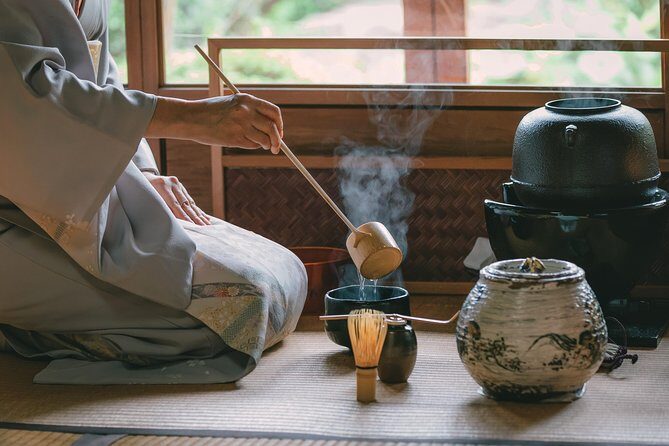
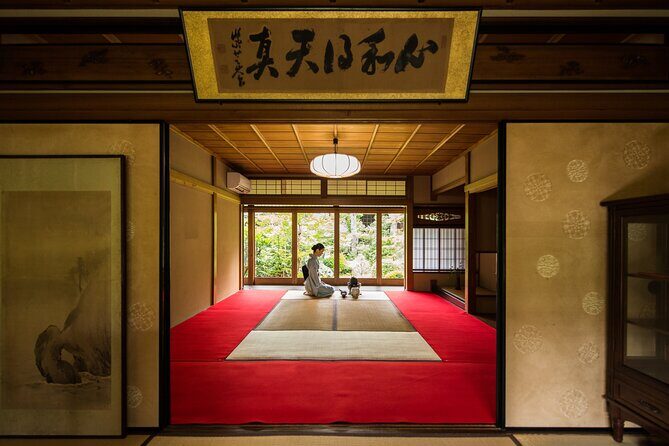
Camellia Garden Teahouse is the kind of place that turns down the volume. You are in Kyoto, but the session is designed to feel separate from the street noise and the day-trip pace. What makes it special is the combo of setting and format: a tea house within a 100-year-old property and a ceremony done just for your group.
I like that it is not pretending you will suddenly become a tea master in one hour. Instead, you get a clear, guided experience: what matcha is, why the ritual matters, and how the actions should look and feel. You also get a garden backdrop while you learn, which makes even the quiet moments feel worth slowing down for.
The location matters too. The teahouse is across the road from Ryoan-ji, one of Kyoto’s best-known temples. You do not need to plan a full temple day to enjoy that context, but being close to a major cultural site helps the whole vibe feel authentic, not staged.
You can also read our reviews of more private tours in Kyoto


The hour’s flow: sweets, tea history, ceremony, and your own bowl
This is an hour-long session in a tight, logical order. You begin with an introduction in a sofa room that looks out over the front garden. That first stretch sets the tone: the host talks about the history and culture around tea, and it stays tied to what you will do next.
Then come the seasonal sweets. These are served at the start of your session, and mochi is mentioned as part of what people receive. If you like Japanese sweets, this is a good bonus, because you are not just eating dessert—you are tasting it as part of the ritual timing.
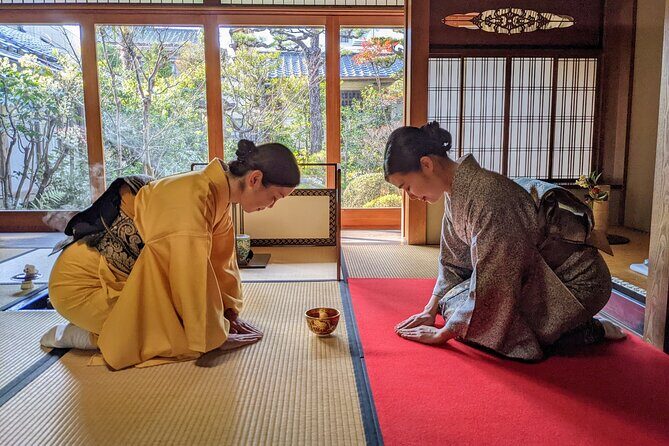
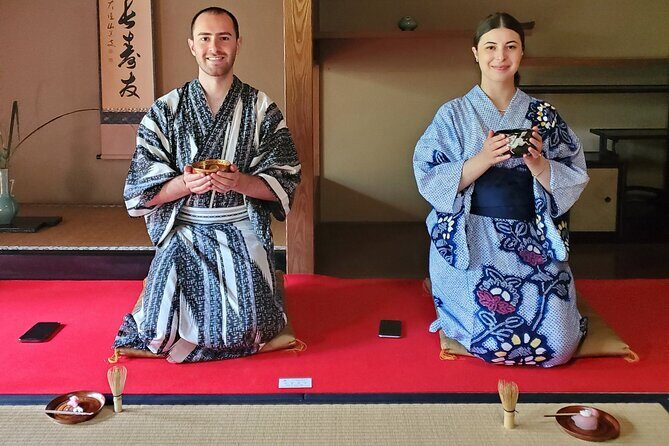
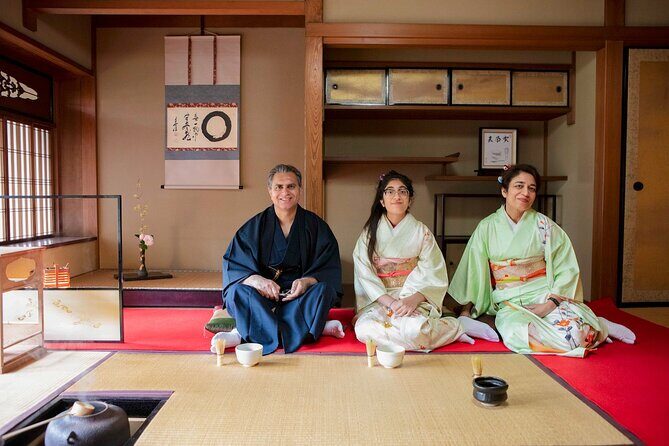
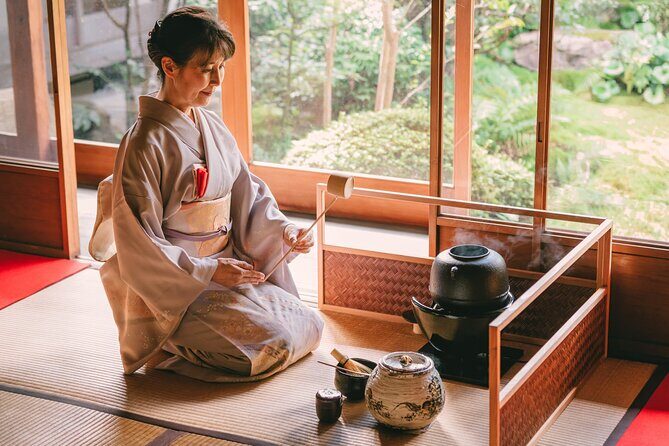
After that, your host moves you to the tearoom. This is where you watch an authentic tea ceremony with the main garden as your backdrop. You see the sequence, you understand the intent, and you get the chance to ask questions while things are still fresh.
Finally, you make your own bowl of matcha. You have time to try it, not just a quick demonstration. The session also includes time for photographs, so you can capture the setting without feeling rushed.
A practical note: because this is private, the host can pace the experience to your group. If you have questions, you can ask them without talking over other people.
Matcha basics you actually use: whisk, scoop, and bowl
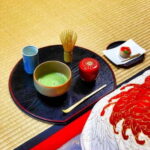
The matcha lesson here is hands-on in a very specific way. You practice using the whisk, scoop, and bowl, and you do it with the proper tools provided for you. That matters, because matcha is one of those foods where the process changes the result.
The host explains how the ritual works and what you are aiming for when you whisk. You get guidance on the motions and on how to think about each step. The goal is not to make you perfect; it is to help you avoid the common mistakes that turn matcha into a lumpy disappointment.
One reason people leave feeling satisfied is that the lesson is connected to the story. The host gives insights into matcha tea and tea-making rituals before the ceremony. That context makes the steps feel meaningful instead of random arm movements.
Also, you get to sample the tea after the ceremony, then you try it yourself. That makes the whole learning loop clean: watch, taste, do, then compare your result to what you saw.
If you are the type who learns faster by doing, this format is ideal. If you are more of a passive observer, you will still have plenty to watch in the tearoom, and the host’s explanations help you follow what you are seeing.
What the garden setting does to your pace
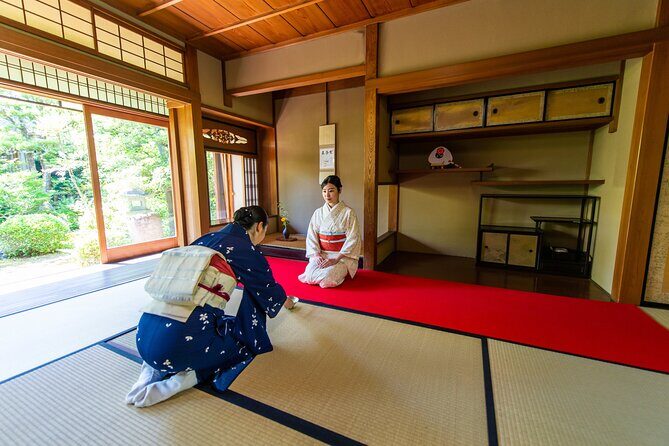
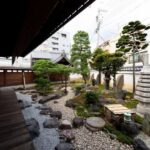
I love the way this experience uses the garden as more than scenery. When you are overlooking a traditional Japanese garden, you naturally slow down. The ceremony becomes calmer, and your body stops reacting to the constant motion of sightseeing.
In practical terms, the main garden view during the ceremony is a big part of the value. You are paying for the setting, plus the instruction, plus the chance to participate. If you treat it like a quick stop, it will feel short. If you treat it like a reset, it feels like the best use of an hour you can make in Kyoto.
This is also why private matters. When you are not sharing the room with strangers, you get more space—physically and mentally. You can take a breath, ask a question, and watch the ritual without feeling like you are in someone else’s timing.
Seating comfort: floor option, chair option, and kimono dressing
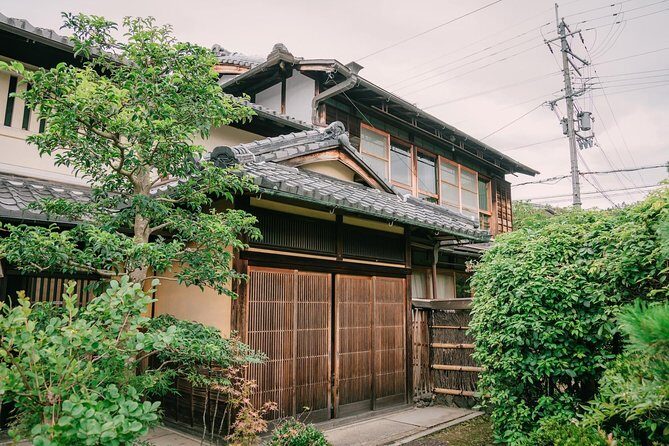
Kyoto tea ceremonies often assume floor seating, and that can be a dealbreaker for some people. Here, that is handled up front: chairs are available if you would prefer not to sit on the floor. So you can enjoy the ceremony without spending the whole time thinking about your knees.
There is also a dedicated kimono dresser. If you want to dress in kimono for your experience, you can let them know during checkout. One thing to know: kimono rental is not available at this location. That means you should not expect to simply pick a kimono on-site; plan according to what the experience allows when you book.
For many people, the kimono option is not about looking cute for photos. It is about stepping into the ritual with your body as well as your mind. If that is your style, you will likely appreciate the extra touch.
If your priority is comfort and calm over costume, the chair seating makes this far more accessible than many traditional set-ups.


Price and value: what $118.60 per person really buys
At $118.60 per person, this is not a bargain. It costs about as much as a small splurge dinner in Kyoto. So you have to judge it based on what is included and what is unique.
Here is the value logic:
- You get instruction, not just a tasting. You learn matcha technique using the whisk, scoop, and bowl.
- You get a private format for just your party, which cuts out the crowd factor.
- You get seasonal sweets at the start, plus tea during the ceremony.
- You get an idyllic teahouse setting with garden views and a 100-year-old property feel.
When you compare that to group tea tastings where you barely get to try anything, this feels more like a personal lesson. That is the key. If you enjoy hands-on cultural experiences, the price makes more sense.
If you only want a quick photo and a sip, you may feel it is pricey for an hour. But if you want a guided ritual you can participate in, this is one of the better ways to spend time in Kyoto because it is both calming and educational.
Location tip: how being near Ryoan-ji helps your day plan
The meeting point is Tea Ceremony Camellia Garden, 18 Ryōanji Ikenoshitachō, Ukyo Ward, Kyoto. Since the teahouse is across the road from Ryoan-ji, you can often build an efficient plan around it.
A simple approach:
- If you are already going to Ryoan-ji, slot this right nearby so you do not lose time commuting.
- If you are not doing the temple that day, you can still use the neighborhood as a calm anchor point, then continue your sightseeing afterward.
One more practical thing: the experience requires good weather. Kyoto can go from pleasant to rain-fast, so if you are visiting during wetter months, keep a flexible mindset. When weather is an issue, you will want to have backup dates in mind.
Who should book this and who should skip it
This private matcha ceremony fits best if you want something more thoughtful than a checklist. It is perfect for couples, friends, or anyone who wants a quiet cultural experience with real participation. It also suits people who like structured learning, because you get an introduction, a watch-and-understand portion, and then your turn to make matcha.
You might skip it if your travel style is fast and frequent stops are your thing. The whole point here is slowness. You are spending an hour on ritual, sweets, and calm—so you need to be in the mood for that.
It also helps if you care about matching the experience to your comfort needs. The chair option makes a big difference if floor seating is not your friend.
Final verdict: should you book Camellia Garden Teahouse?
Book it if you want a private, garden-focused tea ceremony where you do more than observe. The hands-on matcha practice with the whisk, scoop, and bowl is the big win, and the gentle flow from history and sweets into the ritual is exactly how an enjoyable cultural lesson should work.
Hold off if you are price-sensitive and only want a light taste. Also, if you hate any chance of weather disruption, plan carefully since the experience depends on good weather.
If you are aiming to balance Kyoto’s famous sights with one genuinely peaceful hour, this is the kind of stop that earns its place.
FAQ
How long is the tea ceremony at Camellia Garden Teahouse?
The experience lasts about 1 hour.
Where does the tea ceremony take place, and what is the meeting point?
It starts at Tea Ceremony Camellia Garden, 18 Ryōanji Ikenoshitachō, Ukyo Ward, Kyoto, 616-8003, Japan.
Is this a private experience?
Yes. It is a private tour or activity, so only your group participates.
What is included in the matcha-making part?
Tea bowls, tea scoops, and tea whisks are provided so you can make your own bowls of matcha.
Is kimono available to rent?
Kimono rental is not available at this location, but there is a dedicated kimono dresser if you want to dress in kimono. You should indicate it during checkout.
Are chairs available if I do not want to sit on the floor?
Yes. Chairs are available during the ceremony for those who would prefer not to sit on the floor.
Is the experience offered in English?
One host, Yumiko, is specifically described as well spoken in English.
Does weather affect the experience?
Yes. The experience requires good weather, and if it is canceled due to poor weather, you will be offered a different date or a full refund.