REVIEW · TOKYO
Tokyo: Asakusa & Tokyo’s Oldest Temple Senso-ji Walking Tour
Book on GetYourGuide →Operated by Goen Japan · Bookable on GetYourGuide
Senso-ji feels like time travel in 2 hours. You’ll get standout photo moments at Senso-ji and Nakamise Street, plus stories that turn the area into something you can actually picture. One thing to consider: it’s tightly focused on Asakusa, so if you’re craving lots of different neighborhoods in one trip, this may feel like a single-zone tour.
What I like most is the format: a small group capped at 10 with a live English guide. That small size helps the walk stay conversational, and it also makes it easier to ask questions if something on the temple grounds or in the shopping street catches your eye.
At $11, the value is hard to ignore, especially because the walk includes the guide and admissions tied to what you’ll see. The meeting point is very specific too, so you’ll want to arrive a few minutes early at 雷門交番 (Kaminarimon Police Station).
In This Review
- Key points worth planning for
- First Steps at 雷門交番: finding your way in Asakusa
- Nakamise Street: street snacks, lantern lighting, and what to buy
- Senso-ji Temple: Kaminarimon Gate photos and legends that make it click
- Asakusa on foot: Edo-period street vibes plus real neighborhood context
- Small-group English guidance: why the price feels fair
- Value and timing: 2 hours that keep you from overplanning
- Who should book this Asakusa and Senso-ji walk
- Should you book? My take on the decision
- FAQ
- Where is the meeting point?
- How long is the tour?
- What language is the tour guide?
- What is the group size?
- How much does it cost?
- What’s included in the tour price?
- What is not included?
- Is there free cancellation?
- Can I reserve without paying right away?
Key points worth planning for
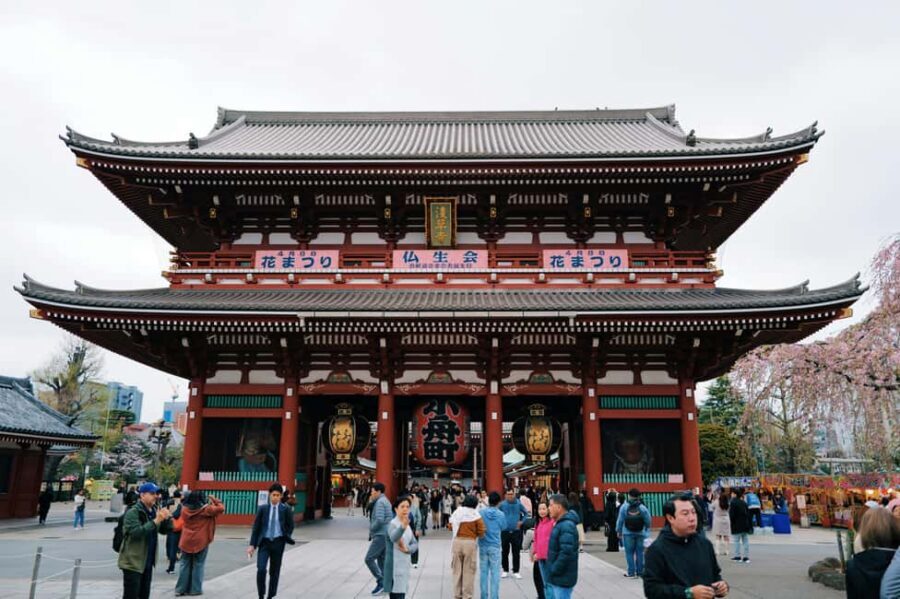
- Meet at 雷門交番 (Kaminarimon Police Station) and start with easy orientation in the right spot
- Nakamise Street for about an hour of shops, lanterns, and street-snack smells
- Senso-ji with a dedicated photo stop at the main temple approach
- A longer Asakusa wander (about 80 minutes) where you’ll hear how the area changed over time
- Small group, up to 10 people, guided in English
- Price includes the guide and temple/sight admissions for a simple, low-friction experience
First Steps at 雷門交番: finding your way in Asakusa
The tour starts at 雷門交番, the Kaminarimon Police Station area. If you’ve never been to Asakusa before, this is a smart choice because it places you at the neighborhood’s central landmark zone right away.
From the first minutes, you’re in the part of town where the old-meets-new feeling is easiest to spot. You’re not hunting for directions or “where do we go next?”—the guide keeps the pace and flow moving.
Because it’s a short, 2-hour walking experience, you’ll want to dress for walking and keep your phone charged. The best photos here come when you’re ready to stop, look up, and shoot quickly.
You can also read our reviews of more walking tours in Tokyo


Nakamise Street: street snacks, lantern lighting, and what to buy
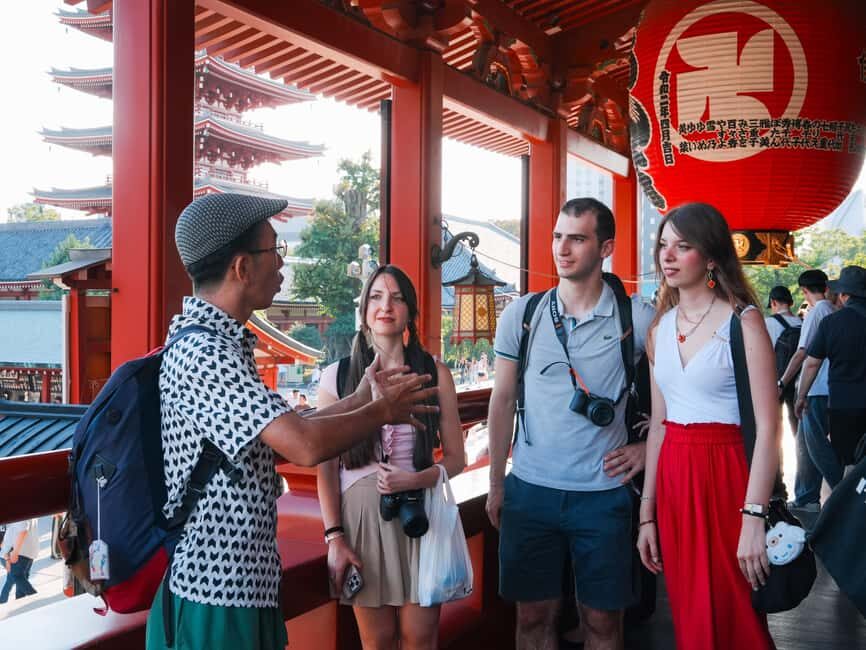
After meeting up, you spend about an hour on Nakamise Shopping Street. This is the classic approach to Senso-ji, lined with shops that feel designed for strolling—rows of traditional stalls, glowing lanterns, and that constant drift of sweet and savory smells from the snack counters.
This is one of the places where a guide helps without turning the walk into a lecture. You’ll get time to browse, then you’ll also get context for what you’re seeing—so the shopping lane feels like part of the temple story rather than just a tourist strip.
A practical tip: don’t try to buy everything at once. Nakamise has the sort of variety where it’s easy to overspend early. If you keep an eye on what looks good, you can circle back later during your free moments in the broader Asakusa walk.
Senso-ji Temple: Kaminarimon Gate photos and legends that make it click
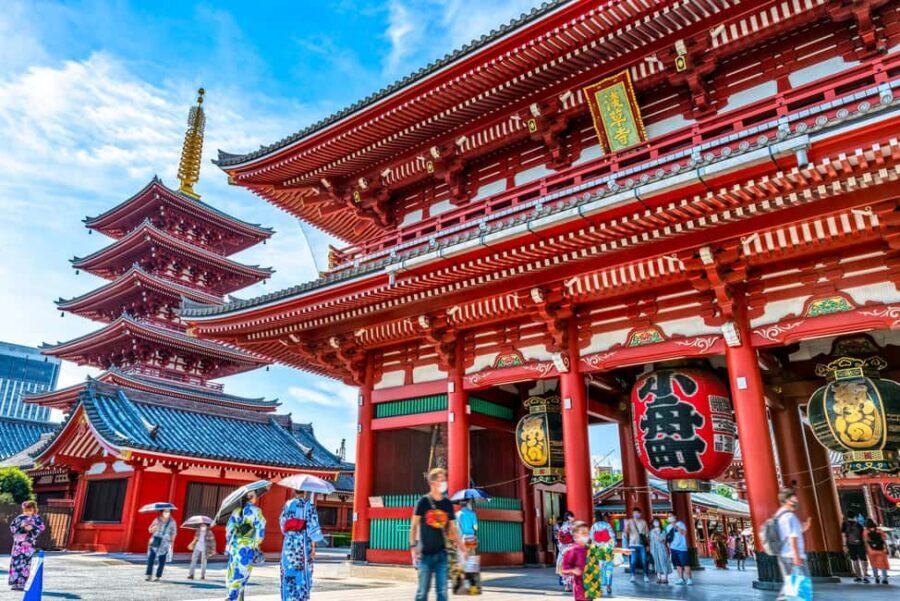
You’ll have about an hour for Senso-ji itself, including a photo stop and time to visit. The main draw is the temple complex, but the real payoff comes from understanding why the place matters and what you’re looking at as you walk.
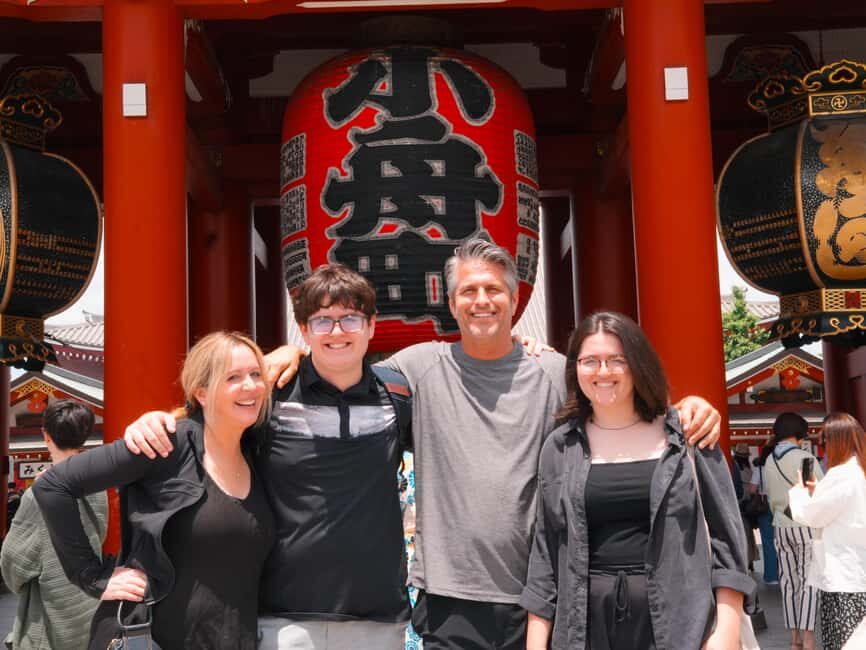
A big moment here is passing under the dramatic Kaminarimon Gate. Even if you’ve seen it in photos, being there in person changes the scale and the feeling. The stones, the approach, and the constant flow of people all make it clear you’re standing at the heart of one of Tokyo’s most famous religious sites.
What makes the visit better than a DIY stop is the storytelling. The guide shares history and legends tied to the temple and the surrounding district, and the tour also connects those stories to how Asakusa has changed. One guide in particular—Lax—gets praised for being both fun and passionate, and Shoma also shows up in feedback as clear and helpful with Japanese culture and religion.
Etiquette-wise, if you’re unsure how to act in a temple setting, a guided visit is easier. You can follow the group and watch what others are doing, while still feeling like you know why you’re doing it.
Asakusa on foot: Edo-period street vibes plus real neighborhood context
Once you’re done with the main temple time, you’ll move into Asakusa for about 80 minutes. This stretch matters because it’s where the area becomes more than one landmark.
The tour focuses on the neighborhood’s old Tokyo feel—atmospheric Edo-period street echoes and the sense that Asakusa has carried different eras on its streets. You’ll also hear stories about geisha quarters, tucked-away shrines, and how the district shifted over time, from samurai strongholds to the post-war revival era.
Here’s how that benefits you: when you see a small shrine niche, a side alley, or a quieter pocket away from the biggest crowds, you’ll have a framework for what it might represent. Instead of just snapping photos, you’ll understand why certain details get attention.
Also, this is your chance to slow down and absorb what “old Tokyo charm” looks like on the ground. If you’re someone who likes wandering with purpose—rather than rushing through sights—this part of the tour is where you’ll feel the most satisfaction.
Small-group English guidance: why the price feels fair
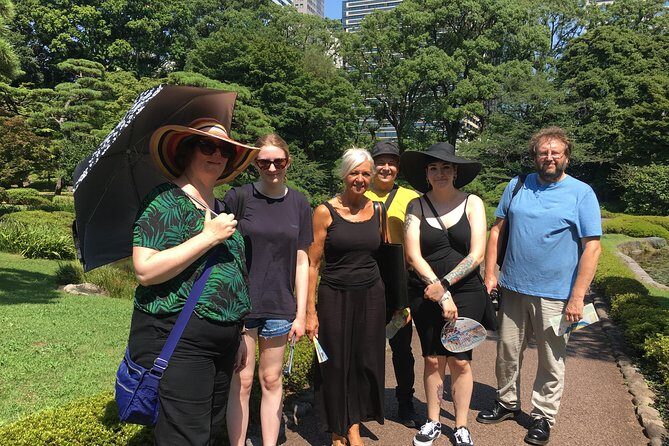
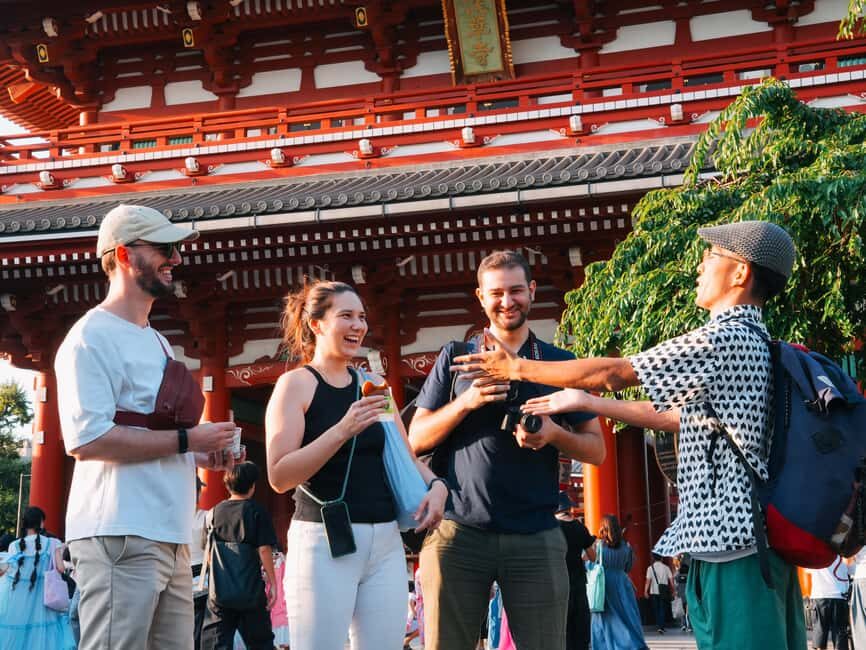
This is a small-group experience limited to 10 participants, guided in English. That matters more than people think. In a crowded area like this, a larger group can turn into a shuffle line. With a smaller group, you keep sightlines and you get time to ask practical questions.
The guide experience is a strong point across feedback. Lax is repeatedly singled out for being knowledgeable in a way that stays fun, while Shoma is praised for being friendly, on time, and good at explaining cultural and religious differences in plain English.
Still, there’s one consideration you should keep in mind: this walk is centered on one main area. One feedback note pointed out that if the guide story pacing doesn’t land as strongly, the tour can feel like a route instead of a narrative. The good news is that the structure is simple enough that even if you’re not getting a ton of extra flair, you still cover the key sights efficiently.





Value and timing: 2 hours that keep you from overplanning
At $11 for 2 hours, you’re paying mainly for three things: guided orientation, admission costs tied to what you’ll see, and a streamlined route that keeps you from spending the trip figuring things out. For first-time visitors, that’s a good trade. You get the highlights without building a full itinerary day around this one neighborhood.
This tour also makes sense if you’re pairing it with the rest of Tokyo. Because it’s only 2 hours, you can slot it into a morning or early afternoon and still have time for other areas without forcing a long travel day.
Timing wise, you should expect lots of foot traffic around the temple area. The tour helps you handle that because you’re not wandering alone; you’re moving in a planned sequence with someone watching the flow and pacing.
Who should book this Asakusa and Senso-ji walk
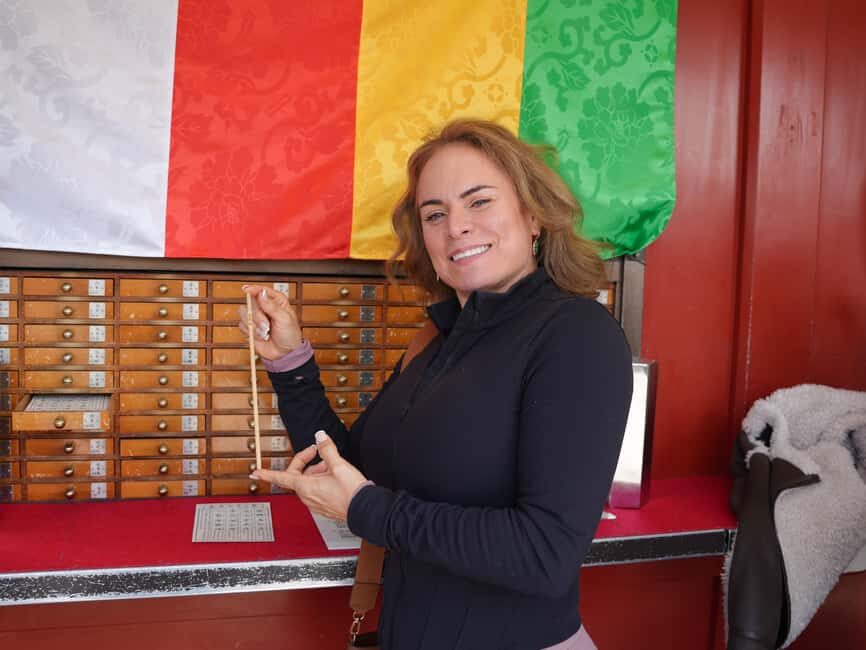
You’ll likely love this if you’re:
- A first-time Tokyo visitor who wants a quick, meaningful intro to Asakusa’s core sights
- Someone who enjoys temples, legends, and neighborhood history more than you enjoy hitting dozens of unrelated stops
- A photographer who wants the Kaminarimon Gate moment and a proper chance to wander Nakamise
You might skip or adjust your expectations if you:
- Want a multi-neighborhood day packed with variety
- Prefer a lot of free time for shopping and repeat visits without a structured guide voice
Should you book? My take on the decision
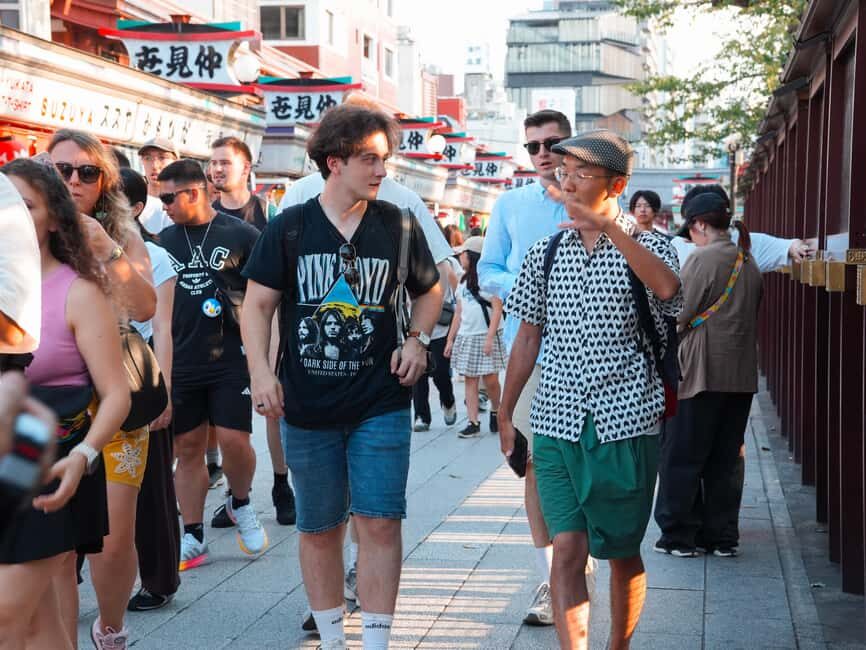
If your goal is to get oriented in Asakusa fast and leave with stories you can remember, I’d say yes. The combination of Kaminarimon Gate, a focused Nakamise Street walk, and a guided Senso-ji visit is exactly the kind of concentrated experience that justifies a short tour.
Book it especially if you’re the type who gets more out of travel when someone helps connect the dots. You’re paying for that “so that’s why it matters” element, not for a complicated schedule.
If you’re already very confident navigating Tokyo on your own and you don’t care much about the surrounding stories, you could do this area independently. But for $11 and a tight 2-hour format, you’re buying a low-stress, highlight-first introduction that’s hard to beat.
FAQ
Where is the meeting point?
Meet up at 雷門交番 (Kaminarimon Police Station).
How long is the tour?
The duration is 2 hours.
What language is the tour guide?
The live tour guide speaks English.
What is the group size?
It is a small group limited to 10 participants.
How much does it cost?
The price is $11 per person.
What’s included in the tour price?
A guide, a walking tour, and admission tied to Asakusa, Senso-ji Temple, and Nakamise Shopping Street.
What is not included?
Hotel pick up and drop off are not included.
Is there free cancellation?
Yes, you can cancel up to 24 hours in advance for a full refund.
Can I reserve without paying right away?
Yes, it offers reserve now & pay later, so you can book your spot and pay later.