REVIEW · TOKYO
Tokyo: Asakusa Walking Tour & Comedy Night
Book on GetYourGuide →Operated by Karate Comic Ryo · Bookable on GetYourGuide
Asakusa has a way of making Japan feel close and human. This tour pairs a guided walk through major sacred spots with a standup comedy night led by the same host, Karate Comic Ryo.
I especially like how Ryo connects the dots between Shinto and Buddhism while you’re actually standing in the places people worship. I also like that the pacing builds in real breathing room, including 60 minutes to explore the Sensō-ji area on your own.
One drawback to consider: it’s a straight, scheduled evening format. If you hate group meeting times or prefer total freedom from the first minute, the structure may feel a bit limiting.
In This Review
- Key things worth planning for
- Ryo’s Asakusa Mix of Temples and Standup
- Meeting at Tokyo Cruise Pier and Getting Your Bearings Fast
- Kaminarimon: The Gate That Sets the Tone
- Nakamise Shopping Street: Snack Culture Meets Sacred Space
- Asakusa Shrine: Shinto Manners You Can Actually Use
- Sensō-ji Temple: The Main Hall and 60 Minutes to Explore
- Asakusa Smile Bar & Cafe: Pre-Show Hangout and Comedy Night
- Time, Pace, and Group Size: How 3.5 Hours Actually Feels
- Price and Value for $43 in Tokyo’s Asakusa
- Who This Suits Best (and Who Might Not)
- Should You Book the Tokyo Asakusa Walking Tour and Comedy Night?
- FAQ
- How long is the Asakusa walking tour and comedy night?
- What language is the live tour guide?
- How big is the group?
- Where do I meet for the tour?
- What main places will we see during the walk?
- How much free time do I get at Sensō-ji?
- What happens during the comedy part?
- Is the comedy family-friendly?
- How much does it cost?
- Who provides the experience?
- FAQ
- What is the cancellation policy?
- Do I pay when I book?
- Where does the tour end?
- What’s included in the price?
- Is there anything explicitly not included?
Key things worth planning for
- English live guide (Ryo) who answers questions and keeps the walk easy to follow
- Kaminarimon, Nakamise, Asakusa Shrine, and Sensō-ji in one focused evening loop
- Practical shrine/temple etiquette, including what to do at Shinto shrines vs. Buddhist spaces
- Dedicated free time at Sensō-ji so you can slow down and browse
- Clean standup comedy in a small bar, with a casual pre-show meetup
- Small group capped at 10, which helps you move with less crowd friction
Ryo’s Asakusa Mix of Temples and Standup
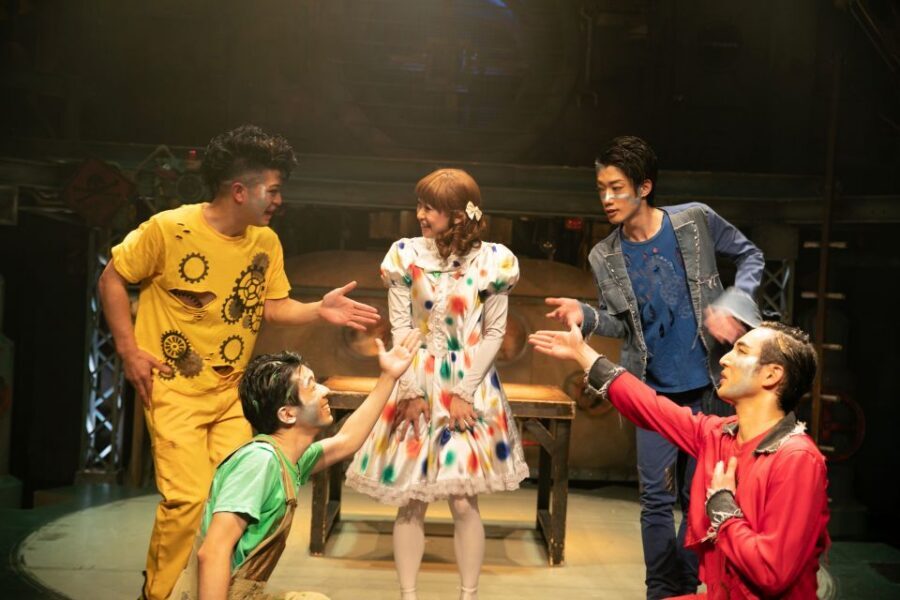
This isn’t just a temple-and-photo kind of night. The hook is that you start the evening learning how to read Asakusa—its sights, its religious rhythm, and its street culture—then you end with standup comedy that aims to make that same world feel understandable.
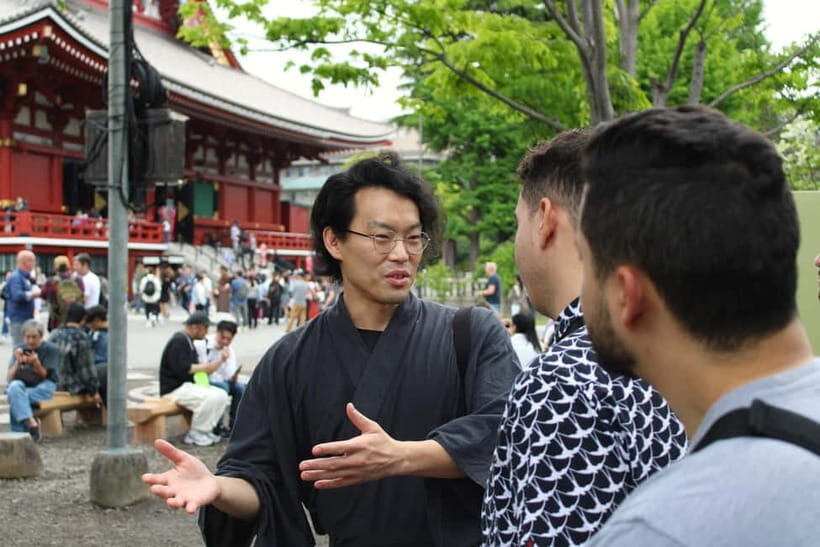
Ryo’s style matters here. You’re not only collecting landmarks like souvenirs. You’re also picking up the “why” behind what you’re seeing: the link between Shinto and Buddhism, and what the main visuals mean at Asakusa Shrine and Sensō-ji. That kind of context changes the whole experience because the sites stop being scenery and start being lived tradition.
And then comes the comedy. The jokes are described as mostly clean, which makes this feel more like a shared neighborhood night out than a late-night show that’s only for a certain mood.
You can also read our reviews of more walking tours in Tokyo
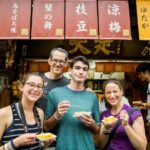
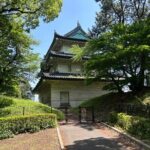
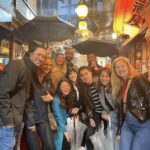
Meeting at Tokyo Cruise Pier and Getting Your Bearings Fast
The meeting point is simple: in front of Tokyo Cruise (浅草乗り場), a short walk from Asakusa Station on the Tokyo Metro Ginza Line. That detail is more useful than it sounds. Asakusa can feel like a maze once you’re in motion, so starting at a clear water-bus landmark helps you avoid the first 20 minutes of stress.
From there, Ryo gets you oriented right away. He starts introducing the area with recognizable points, including mention of Tokyo Skytree as you look from the top of the Tourist Information Center area. It’s a clever way to help you build a mental map before you hit the iconic gates and shopping street.
Group size is limited to 10 participants, which changes how the start feels. You’re not getting dragged along behind a crowd of strangers. You can ask questions, and you can actually hear explanations instead of constantly guessing what the guide is saying.
Kaminarimon: The Gate That Sets the Tone
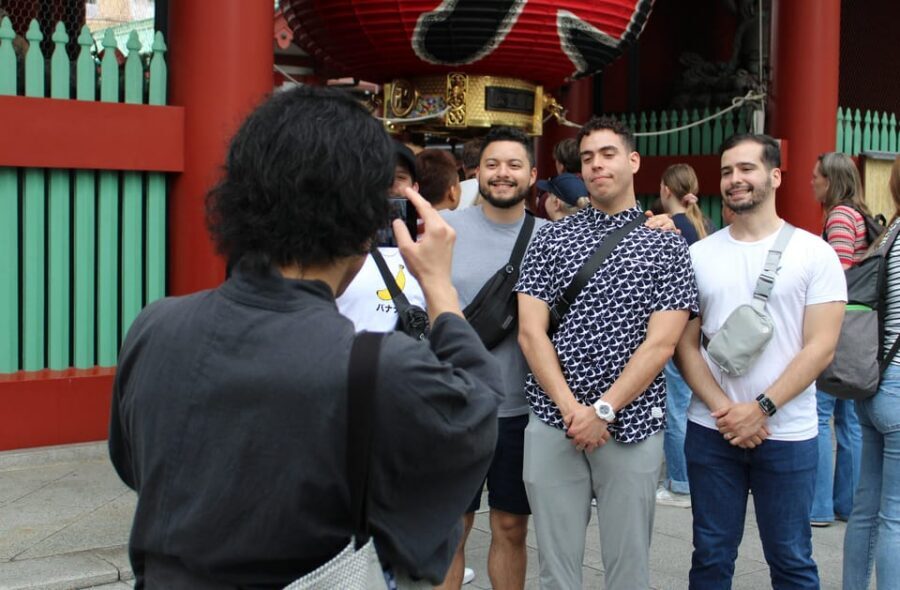
Your first major stop is Kaminarimon, the famous thunder gate. You get a photo stop plus guided context, and that combination is ideal in a place this photographed. It’s easy to take a picture and move on, but Ryo’s approach slows it down just enough to make the landmark mean something.
Kaminarimon is also a psychological marker. Once you’ve crossed from the everyday street into the temple approach world, Asakusa feels like a different kind of Tokyo. You’ll notice people moving with intention—families, visitors, and locals all sharing the same space. The gate isn’t only a photo background; it’s the threshold into the tradition.
If you want good photos, aim to be ready for the moment Ryo tells you where to stand. The best view often isn’t the most obvious one, and there’s a lot of crowd reshuffling in this area.
Nakamise Shopping Street: Snack Culture Meets Sacred Space
After Kaminarimon, you walk through Nakamise Shopping Street. This section is short on paper, but it does a big job: it bridges the temple approach to the street-life reality of Asakusa.
Nakamise is where you see how the site functions as a destination for more than worship. You’ll likely notice how people snack, browse, and treat the walk as part of the day out. The guided portion helps you avoid treating it like a random market. You get the sense that the shopping street is part of the same pilgrimage flow.
Practical tip: wear comfortable shoes and keep your phone accessible, because you’ll want quick photos that don’t require stopping too long. This stretch can be busy, but it’s also lively in a way that makes the whole evening feel fun instead of solemn.
Asakusa Shrine: Shinto Manners You Can Actually Use
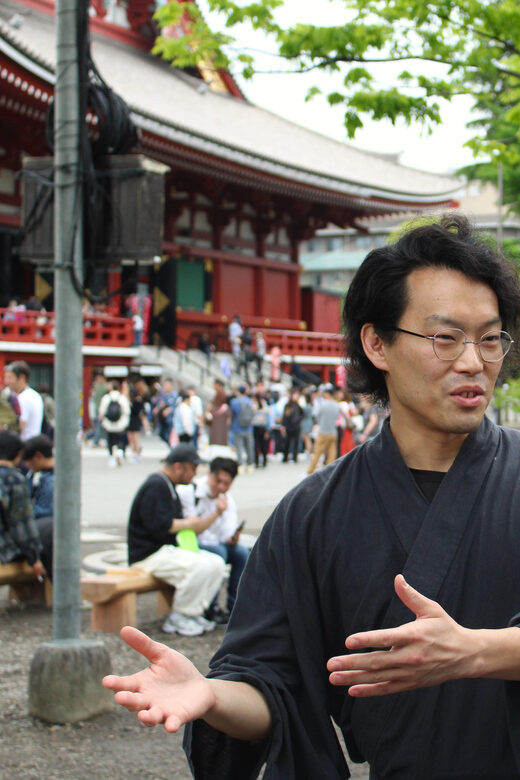
Next comes Asakusa Shrine, where Ryo focuses on something many visitors miss: how to participate respectfully. You don’t need to be a religion expert, but you’ll get practical guidance on manners for praying at a Shinto shrine—the kind of details you can use the moment you’re in front of the structure.
He also explains the relationship between three deities at Asakusa Shrine and connects that idea to what you’re seeing. That’s the difference between viewing a symbol and understanding why people treat it with care. When the guide translates the logic, your eyes get better at spotting meaning.
If you’ve ever felt awkward watching others pray, this is the stop that helps most. You’ll get a clearer sense of what you should do, when you should pause, and how to behave so you blend in naturally.
This is also a good place to slow down. The walking tour doesn’t feel rushed, and the guidance gives you permission to treat the moment as more than a checkpoint.
You can also read our reviews of more evening experiences in Tokyo


Sensō-ji Temple: The Main Hall and 60 Minutes to Explore
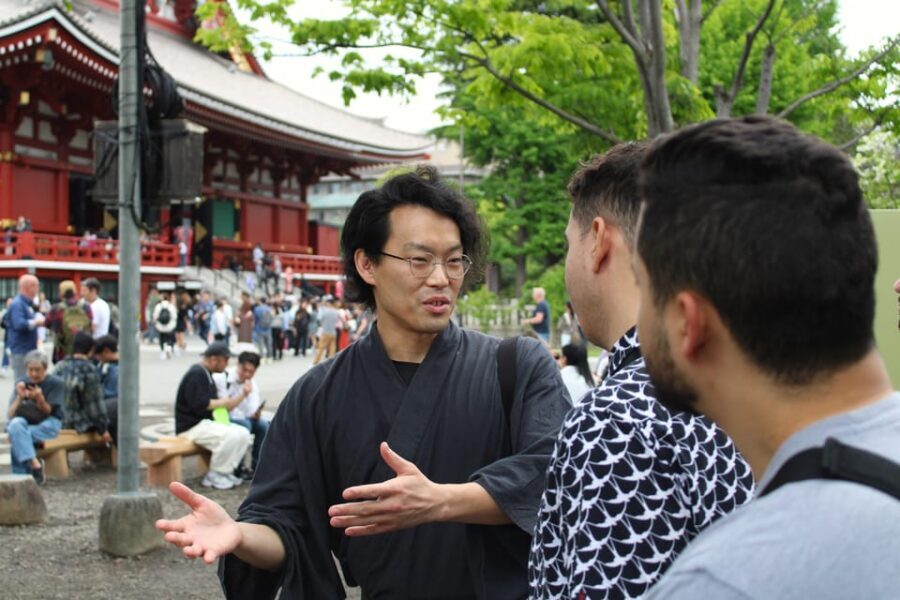
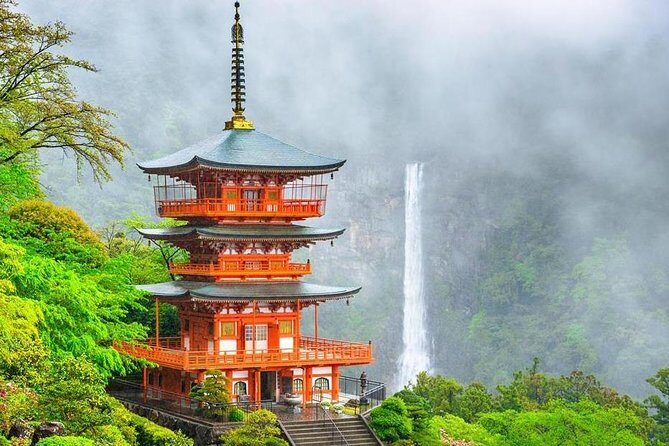
You then move to Sensō-ji Temple, one of Tokyo’s most important and recognizable sites. Ryo guides you through the key areas and explains the principal image of Sensō-ji Temple, tying it back into the broader Shinto-Buddhism relationship he’s been covering.
Here, the tone can shift toward reverence. People often come to Sensō-ji for the photos, but the atmosphere makes it harder to treat it as just a postcard. The guide’s context helps you appreciate what’s going on without needing to memorize names.
One of the best parts of the tour format is the 60 minutes of free time after arriving at the main hall area. That’s not just a break—it’s built-in flexibility so you can match your interest level. Some people want to browse souvenirs. Others want to sit and watch. You can do both because the time is there.
If you want photos away from the thickest crowd zones, this is where Ryo’s local sense of movement helps. You’ll be guided toward better sight lines that aren’t all about standing in the loudest stream of people.
Asakusa Smile Bar & Cafe: Pre-Show Hangout and Comedy Night
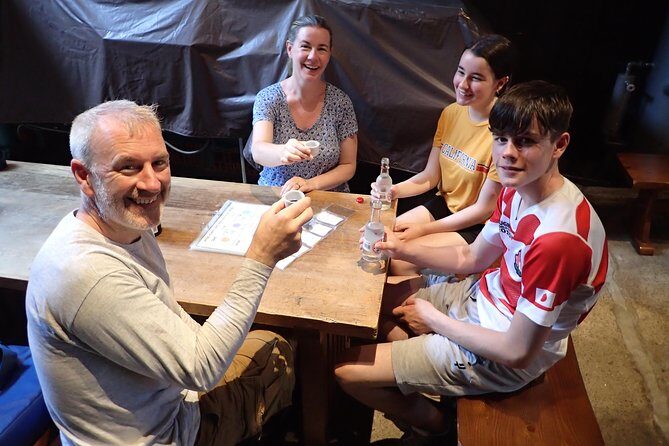
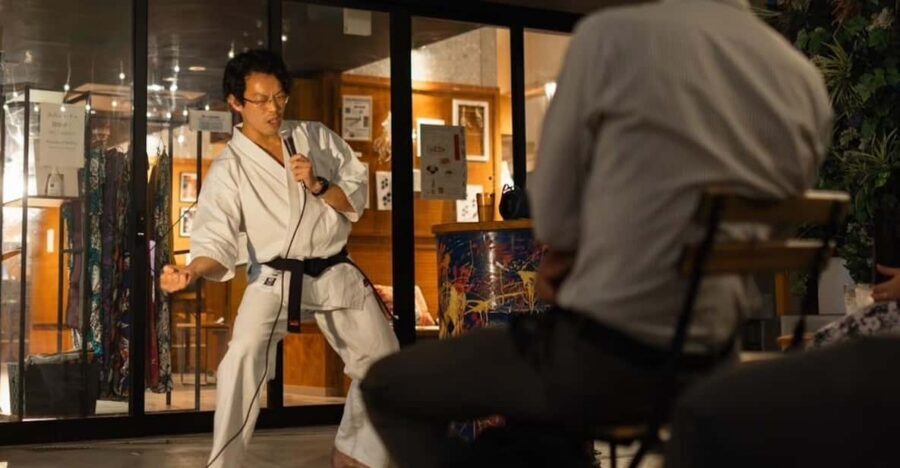
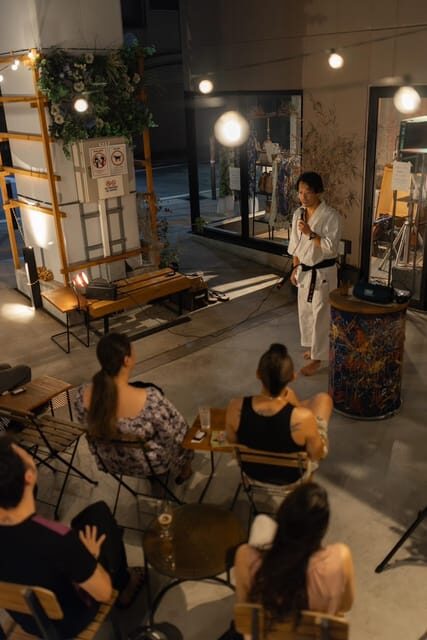
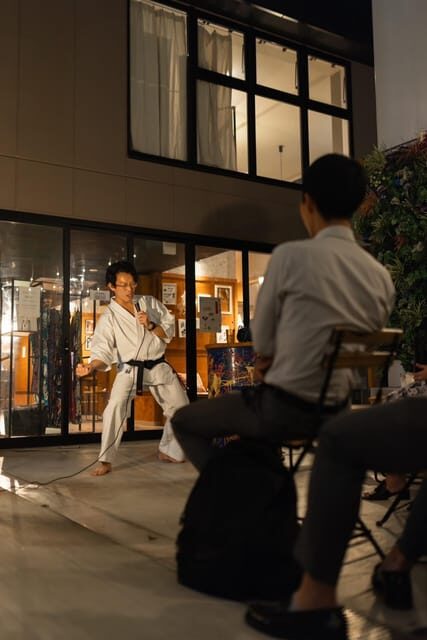
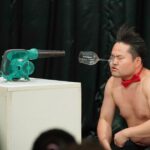
After the walking portion, the night shifts gears. The comedy takes place at Asakusa Smile Bar & Cafe (浅草スマイルバー&カフェ). The venue is described as a cute little bar, which matters because it changes the feel of comedy. This isn’t a huge theater where you can’t read the room. It’s closer, more personal, and easier to laugh with everyone.
Timing is structured but still relaxed:
- You start with a 30-minute meetup to hang out with other guests.
- Then you get a 45-minute standup show by the comedian host.
- After the show, there’s time to grab a drink and hang out.
What I like about this setup is that you’re not dropped into comedy with zero context. The meetup helps you shake off the temple-tour mindset. Then the jokes bring the evening full circle by adding a humorous lens on Japanese history and culture through Ryo’s insights.
You should know the tone: the comedy is mostly clean and family-friendly. That doesn’t mean it’s boring. It means the humor aims to be shared by a wider range of ages, which is a big part of why this works well as an “everyone can join” night.
If you’re worried about language barriers, the show is designed as a cultural bridge rather than inside-joke-only entertainment. And since the same guide is involved earlier, you’ll already have context that can make the punchlines land better.
Time, Pace, and Group Size: How 3.5 Hours Actually Feels
The full experience runs about 210 minutes. In practice, that kind of duration works well for Asakusa because you’re hitting multiple distinct environments: gate and street, shrine and temple, then a bar setting for comedy.
The walking portion is about 90 minutes, and then the comedy night fills the rest. That split matters. You’re not dragging your energy all the way from temple crowd to late-night drinks. You get the walk, then a clean transition to the show.
Group size capped at 10 is the other quiet value. In a place like Asakusa, crowd density can slow everything down. A small group moves more fluidly, and Ryo can tailor pacing based on questions.
Also, you’ll notice the tour doesn’t feel like a rapid-fire list. The format includes pauses for photos, short guided segments, and time to breathe—especially with that Sensō-ji free hour.
Price and Value for $43 in Tokyo’s Asakusa
At $43 per person, you’re paying for three things at once:
- A guided walking experience through major Asakusa highlights with English interpretation
- A cultural explanation layer—not just where to stand, but how to understand what you’re seeing
- A ticketed standup comedy night hosted by Ryo
If you were to do these separately, you’d likely spend comparable money just getting a guided activity plus a comedy admission. The value here is the linkage: the walking context makes the comedy feel less random, and the comedy helps the earlier religious sites feel more human rather than intimidating.
Also consider the “included” parts you actually get. The tour includes cultural jokes about Japan and insights on Japanese culture. That matters because it signals you’re getting more than sightseeing talk—you’re getting interpretation in a voice designed to keep you engaged.
The not-included note about avoiding dirty jokes is also practical. You won’t have to worry about the show crossing into adult-only territory.
Who This Suits Best (and Who Might Not)
This tour is a strong match for:
- First-time visitors to Tokyo who want Asakusa landmarks plus cultural context in one evening
- People who like humor and want their learning to feel relaxed
- Travelers who prefer small groups and dislike getting lost in big tour herds
- Families, since the comedy is described as mostly clean
It may be less ideal if:
- You want a fully independent temple visit with no structured walking stops
- You prefer a longer free exploration window than the 60 minutes provided at Sensō-ji
- You’re not into comedy at all and only want sightseeing
Should You Book the Tokyo Asakusa Walking Tour and Comedy Night?
If you want an Asakusa night that feels both respectful and fun, I’d book this. The big reason is Ryo’s approach: he connects practical shrine etiquette, clear explanations of what you’re seeing, and then carries that same cultural lens into a comedy show that’s easy to enjoy.
The best outcome is when you like a guided introduction early, then you choose how to spend your own time during the temple hour. That balance is built into the schedule.
Go for it if you’re the type who likes meaning behind landmarks—and you’ll enjoy the way comedy helps the whole evening stick in your memory.
FAQ
How long is the Asakusa walking tour and comedy night?
The total duration is about 210 minutes.
What language is the live tour guide?
The tour guide provides the experience in English.
How big is the group?
It’s a small group limited to 10 participants.
Where do I meet for the tour?
Meet in front of Tokyo Cruise (浅草乗り場 / Tokyo Cruise), which is a short walk from Asakusa Station on the Tokyo Metro Ginza Line.
What main places will we see during the walk?
You’ll visit Kaminarimon, Nakamise Shopping Street, Asakusa Shrine, and Sensō-ji Temple, with time to explore the temple area.
How much free time do I get at Sensō-ji?
You get 60 minutes of free time to look around the temple area.
What happens during the comedy part?
There’s a 30-minute casual meetup, then a 45-minute standup comedy show, followed by time to grab a drink and hang out.
Is the comedy family-friendly?
The show is mostly described as clean jokes, suitable for family members to enjoy.
How much does it cost?
The price is $43 per person.
Who provides the experience?
The provider is Karate Comic Ryo.
FAQ
What is the cancellation policy?
Free cancellation is available up to 24 hours in advance for a full refund.
Do I pay when I book?
You can reserve now & pay later, which means you can book without paying immediately.
Where does the tour end?
It finishes at Asakusa Smile Bar and Cafe (浅草スマイルバー&カフェ).
What’s included in the price?
Included items are cultural jokes about Japan and insights on Japanese culture, plus the walking tour and comedy night.
Is there anything explicitly not included?
The information notes descriptive dirty jokes are not included.