REVIEW · TOKYO
Tokyo City Private Tour with English-Speaking Guide
Book on GetYourGuide →Operated by IV Tokyo Travel Japan · Bookable on GetYourGuide
Tokyo can feel huge on a first day. This private 9-hour plan keeps things stress-free while still hitting the big landmarks, plus you get authentic Japanese street food time and cultural context along the way. The main thing to watch is that guide quality and clarity can vary, so if you’re picky about fluent English and local detail, ask questions upfront.
What I like most is how the day mixes quiet places and power spots: Meiji Shrine’s calm, then Sensō-ji’s energy, then Shibuya Crossing and Tokyo Tower for those classic photo moments. You also get comfortable air-conditioned transport with hotel pickup, so you’re not spending your day playing subway roulette.
One practical note: you’ll walk a fair bit in different neighborhoods, so wear comfortable shoes. Also, this is a no-luggage, no-large-bags kind of tour, and smoking in the vehicle is not allowed—so pack light and plan like a local for a smoother ride.
In This Review
- Key highlights to know before you go
- Why this private 9-hour loop works in Tokyo
- Hotel pickup and the smooth start in central Tokyo
- Meiji Shrine: calm, order, and a reset before the city
- Sensō-ji Temple: old Tokyo energy in a manageable timeframe
- Skytree Town and the skyline payoff
- Tsukiji Outer Market: lunch and street-food time that doesn’t feel forced
- Imperial Palace area: formality, spaciousness, and a calmer cultural layer
- Takeshita Street: shopping energy and a photo-friendly break
- Shibuya Crossing and Tokyo Tower: big-city icons with real-world pacing
- Transportation and timing: how to make the day feel effortless
- Price and value: $613 per group up to 5
- Guide experience: what makes this tour shine (and what to watch)
- Who this tour suits best
- Comfort and rules that affect your day
- Final verdict: should you book this Tokyo City Private Tour?
- FAQ
- How long is the Tokyo City Private Tour?
- What does the tour cost and how many people can join?
- Where does pickup happen?
- What language will the guide/driver use?
- Are admissions to the stops included?
- Is transportation included, and is it comfortable?
- Is the tour wheelchair accessible?
- What should I bring?
- What is not allowed during the tour?
- Can I cancel for free?
Key highlights to know before you go
- Private group, flexible pace: you’re not stuck with a herd, and the day can be shaped around what you want most
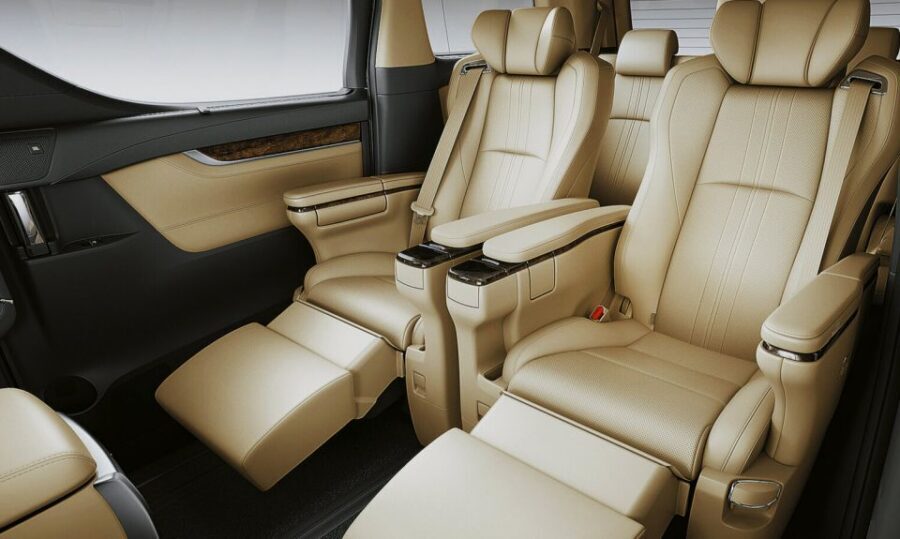
- Hotel pickup and A/C van: less friction between stops, especially in hot or humid weather
- Iconic + street-level Tokyo: shrines, temples, skyline views, and a lunch window at Tsukiji Outer Market
- Full-day organization: admission to featured sites is included, so you don’t have to scramble for tickets mid-trip
- A strong photo day: Skytree area and Tokyo Tower give you easy skyline moments without extra planning
Why this private 9-hour loop works in Tokyo
Tokyo doesn’t just have landmarks. It has mood changes. One block can feel traditional and quiet. The next can feel like a science fiction movie. A private tour like this is useful because it trades the chaos of self-planning for a guided route that hits major zones in one day.
The best value here is your time. You get a structured flow across the city—shrines to temples, then markets, then modern districts—while traveling in a comfortable van. That matters because Tokyo distances and transfers can eat your energy fast. If you only have a short window and you don’t want to spend it checking transit apps, this format helps you get your bearings fast.
Also, the private setup means you’re not negotiating with strangers about pace. If your group wants extra time for photos, shopping, or lunch, you’re more likely to get it than on a big group bus day.
A small caution: nine hours is long, but it’s still a day packed with multiple neighborhoods. If you hate walking or you want a slow, hours-long sit-down at every stop, this might feel like a sprint—just a guided one.
You can also read our reviews of more guided tours in Tokyo

Hotel pickup and the smooth start in central Tokyo
This is the kind of tour that begins the way Tokyo days should: with someone showing up. You meet the driver in your hotel lobby, and you’ll ride in an air-conditioned vehicle the whole way.
That “whole way” piece is underrated. Tokyo heat and humidity can be brutal, and transitions between sites can be the difference between a fun day and a tired day. Having an A/C van plus a driver who handles routes helps you keep your focus on what you came for.
One more practical point: this tour doesn’t work well if you travel heavy. There’s a clear rule against luggage or large bags, so if you’re mid-trip with big suitcases, you might need to store them somewhere first.
Meiji Shrine: calm, order, and a reset before the city
Meiji Shrine is a great first stop because it flips your brain from city mode to nature mode. Expect a peaceful visit that feels removed from traffic noise, with time to wander and take in the grounds.
Why start here? Because it gives you context for Tokyo’s spiritual side before you jump into crowded streets and neon visuals. If you’re learning the city from scratch, this is an easy way to understand why locals still treat shrines and rituals seriously—even when skyscrapers dominate the skyline.
This part of the day is also a good “slow down” moment. You’ll have about an hour here, which is enough to see the main areas without turning it into a rushed stop.
Tip: wear shoes you can walk comfortably in. Shrine paths are easy, but you’ll still cover ground.
Sensō-ji Temple: old Tokyo energy in a manageable timeframe
After the calm of Meiji Shrine, Sensō-ji brings the classic Tokyo contrast. This temple area is famous for its busy pedestrian streets and the feeling that you’ve stepped into a different era.
You’ll get around an hour here, which is a sweet spot. Long enough to enjoy the vibe and take in the details. Not so long that you’ll lose the day to crowds and indecision.
Sensō-ji is also where you’ll start connecting what you learned in shrine-land to what you’ll see in street-food land later. Tokyo makes traditions feel practical, not just decorative.
Small caution: this stop tends to attract lots of people. The tour is private, which helps, but you’ll still experience the area’s natural buzz.
Skytree Town and the skyline payoff
Later in the day, you’ll head to Tokyo Skytree Town for about an hour. This is where Tokyo’s modern skyline language becomes visual.
Even if you don’t go inside every attraction, having time in this area sets you up for skyline photos and a sense of where everything sits. Skytree is a major landmark, and it’s easier to appreciate the scale when you’re there in person rather than on a postcard.
This is also a good “energy anchor” in the schedule. You’re not only walking between neighborhoods anymore—you’re getting a view-focused break that keeps the day from feeling like nonstop movement.
If you’re planning photos, don’t wait until the last second. Give yourself a few minutes to settle, figure out directions, and pick your angles calmly.
You can also read our reviews of more city tours in Tokyo



Tsukiji Outer Market: lunch and street-food time that doesn’t feel forced
Tsukiji Outer Market is scheduled with visit and lunch time—about an hour. This is one of the best parts of the whole route if you like eating like a local.
Here’s the key: you’re not trying to conquer the market alone while reading menus. A guide and a set time window help you sample without turning lunch into a half-day project.
What you can do with this stop:
- browse food stalls and small shops around the outer market streets
- grab a lunch bite and keep moving
- use the guide’s cultural context to understand what you’re seeing
One consideration: an hour can be short, especially if the area gets crowded. If you have specific food requests, tell your guide early so you can target them before you drift into general browsing.
For comfort, keep snacks or water for after. The day includes other major stops, and timing matters.
Imperial Palace area: formality, spaciousness, and a calmer cultural layer
Next comes the Imperial Palace area with about an hour. This stop shifts the tone again: more formal, more open, and less “street spectacle” than the temple and market zones.
You’ll have time to visit and absorb the feel of an important cultural landmark. Even if you’re not going deep into every detail, the value here is how it rounds out your Tokyo view: religion and commerce earlier, then state symbolism and carefully maintained space.
This is also a good stop for people who want a break from constant foot traffic. It’s easier to walk at a calmer pace here than in the densest shopping streets.
Takeshita Street: shopping energy and a photo-friendly break
Takeshita Street is a different kind of Tokyo. You’re looking at street fashion, quick browsing, and that youth-driven style scene the area is known for.
Your time here is about an hour. That’s plenty for:
- quick shopping and browsing
- taking photos of street scenes and people-watching
- grabbing a small souvenir without turning the whole day into a mall mission
This is not the place for a long, slow museum-style visit. It’s a “see it, enjoy it, move on” stop, which matches the tour’s overall rhythm.
If shopping is your priority, this is the hour to focus on it. If not, use it as a fun break before Shibuya and Tokyo Tower.
Shibuya Crossing and Tokyo Tower: big-city icons with real-world pacing
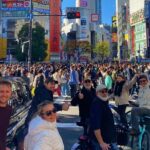
Shibuya Crossing is scheduled next, with about an hour that gives you time to watch the crossing and explore the surrounding area without rushing off immediately.
This is the modern Tokyo moment most people want. You’ll see how the city moves—literally—at human scale. Even if you’ve seen it in videos, standing there changes it. It’s one thing to watch. It’s another to feel how organized chaos works.
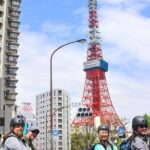
Then comes Tokyo Tower. You’ll get a photo stop plus a visit area with about an hour. Tokyo Tower works well near the end of the day because it’s iconic and visually rewarding, even if you only have time for a few photo angles.
Practical tip: if you want skyline shots, treat Tokyo Tower as your “final set.” After this, your energy might drop, so plan your photos earlier rather than last minute.
Transportation and timing: how to make the day feel effortless
The tour runs for 9 hours, and you’ll have a private van ride with a comfortable A/C setup. The schedule is structured, but the private format is what makes it feel easier.
Still, here’s the reality of a full-day city tour: you’re going to spend more time moving between neighborhoods than you might expect. The value is that you’re not doing it on your own—someone else handles route planning and driving.
What helps you enjoy the day:
- start the morning rested so you can handle multiple stops
- wear shoes built for sidewalks and occasional longer walks
- keep your phone charged for photos, since several stops are view-and-photo focused
- pack a light day bag (no large luggage)
Also, alcohol and drugs are not allowed in the vehicle. Smoking in the vehicle isn’t allowed either. It’s an easy rule set, but it can matter if you’re the type of traveler who packs wine for “the road.”
Price and value: $613 per group up to 5
At $613 per group (up to 5), the math can look great or merely okay—depending on who’s traveling.
Here’s the simple breakdown:
- If you fill all 5 spots: about $123 per person for a full day
- If you’re 2 people: about $307 per person
- If it’s just you (not likely with the up-to-5 structure, but if it happens): it becomes a premium private day price
So when does it feel like a bargain?
- When you’re traveling with friends or family and sharing the cost
- When you value comfort and time over DIY planning
- When you want a guide to handle both navigation and cultural context
When it might feel pricey:
- If you’re traveling solo and expecting the same value as a shared public tour
- If you’re the type who enjoys building your own route and exploring independently
In Tokyo, time has a cost. This tour is basically paying for friction-free navigation plus guided interpretation plus admissions to key sites.
Guide experience: what makes this tour shine (and what to watch)
This tour lives and dies by the guide.
When it works at its best, you get a day that flows. There’s flexibility around lunch and shopping, and the guide helps you hit what matters without making the day feel frantic. Names that have come up with excellent service include MJ and Kaif, and Sam for helpful, courteous guidance.
You’ll also notice a pattern in the positive days: strong English communication and a practical approach. People appreciate guides who can answer questions, adjust to your preferences, and keep the day organized.
But here’s the caution: even with an English-speaking guide listed, clarity and depth can vary. If you need very clear English for detailed explanations—or if you care a lot about which stops get prioritized—confirm your preferences at pickup. Tell the driver what you want most and what you can skip.
If you don’t speak Japanese, don’t assume every nuance will be explained perfectly. A guide can still help you understand what you’re looking at, but it’s smart to be proactive about your priorities.
Who this tour suits best
This is a strong fit if:
- it’s your first time in Tokyo and you want the essentials in one day
- you don’t want to stress over transit transfers
- you prefer private pacing over big-group schedules
- you like a mix of classic sites and modern city icons
It’s less ideal if:
- you want a super slow day with fewer stops
- you’re traveling with large luggage
- you’re extremely sensitive to language clarity and want no risk at all
If you’re flexible and you communicate your priorities, the private format gives you a real advantage.
Comfort and rules that affect your day
A few practical items to keep your experience smooth:
- Bring comfortable shoes for walking between neighborhoods
- Have a credit card and cash available
- Weather-proof your clothing
- Bring an ID or a copy of your passport
- Avoid luggage or large bags
- No smoking in the vehicle
- Alcohol and drugs are not allowed in the vehicle
- Don’t litter
Also, the vehicle setup is listed as wheelchair accessible. If you have accessibility needs, let the operator know in advance so pickup and route planning can match your needs.
Final verdict: should you book this Tokyo City Private Tour?
I’d book this tour if you want a structured Tokyo day with comfort built in. The combination of hotel pickup, A/C transport, and time at iconic sites plus a lunch window at Tsukiji Outer Market makes it a good “first orientation” day.
I would also book it if you’re traveling with 3–5 people and can share the cost. That’s when the price feels most reasonable for a private day.
I’d hesitate only if your biggest priority is ultra-deep storytelling in perfectly fluent English, with zero variability, or if you hate a schedule that moves you from place to place.
If you do book, do one thing that pays off immediately: tell your guide what you care about most at the start—photos, food, shopping, temples, or skyline views—so the day stays focused on your Tokyo.
FAQ
How long is the Tokyo City Private Tour?
It’s listed as 9 hours.
What does the tour cost and how many people can join?
The price is $613 per group, up to 5 people.
Where does pickup happen?
Pickup is included from central Tokyo meeting points, and you meet the driver in the lobby of your hotel.
What language will the guide/driver use?
The driver is listed as English and Hindi.
Are admissions to the stops included?
Yes. Admission to all featured Tokyo attractions and landmarks in the main itinerary is included.
Is transportation included, and is it comfortable?
Yes. You’ll travel in a comfortable, air-conditioned vehicle during the tour.
Is the tour wheelchair accessible?
Yes, it’s listed as wheelchair accessible.
What should I bring?
Bring comfortable shoes, a credit card, cash, weather-appropriate clothing, and a passport or ID card (a copy is accepted).
What is not allowed during the tour?
Luggage or large bags are not allowed, smoking in the vehicle is not allowed, and alcohol or drugs are not allowed. Littering is also not allowed.
Can I cancel for free?
Free cancellation is available up to 24 hours in advance for a full refund.