REVIEW · TOKYO
Mochi Matcha Gluten Free Japanese Sweets Class near Shibuya area
Book on Viator →Operated by Hello japan matcha・wagashi classes · Bookable on Viator
Mochi gets messy fast, in a good way. This private class near Shibuya teaches you matcha mochi plus gluten-free Japanese sweets in a real home setting. The only drawback: it’s hands-on, so even with an apron you’ll want to dress like you don’t mind a little stickiness.
I really like how the lesson is built around doing, not just watching. You’ll spend about two hours with Sakura-san, making four types of sweets while she explains the origins of mochi as you go. The class also includes green tea (and coffee if you prefer), so you can slow down and enjoy the process.
One more thing I like: once your desserts are ready, there’s a small photo-op table so you can get Instagram-worthy shots without hunting for a spot. If you’re trying to plan around Tokyo weather, this is a solid indoor option.
In This Review
- What makes this mochi class a smart pick
- A Shibuya-area workshop in a real home kitchen
- The 2-hour flow: four sweets, matcha, and gluten-free focus
- Sakura-san’s teaching style and why the private format matters
- The recipe and photo-op table: take Tokyo home
- Price and logistics: is $112.01 worth it?
- Who this Mochi Matcha class suits best
- Practical tips before you go
- Should you book this mochi and wagashi class?
- FAQ
- How long is the Mochi Matcha gluten-free Japanese sweets class?
- Is this experience private?
- What will I make during the workshop?
- Do I get a recipe to take home?
- What’s included in the price?
- Is alcohol included?
- Where does the class start?
- When will I get confirmation after booking?
What makes this mochi class a smart pick
- Private, instructor-focused workshop in Tokyo’s Shibuya area
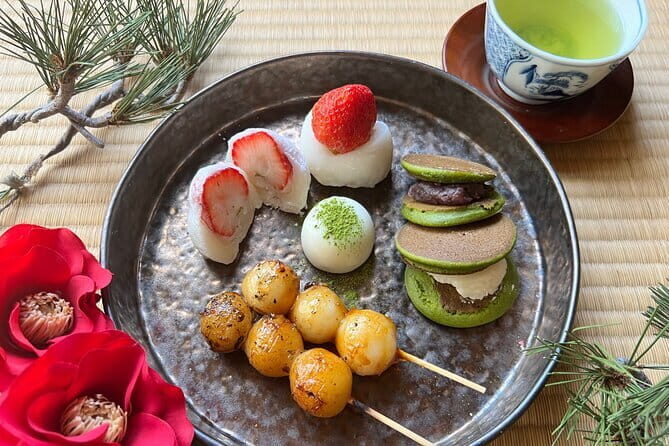
- Matcha mochi hands-on practice plus other gluten-free sweets (4 types total)
- You leave with a recipe, so you can recreate the desserts at home
- Photo-op table for quick, fun photos of your finished sweets
- Gluten-free friendly approach, made for people who want safe sweets
- A real home kitchen setup that feels local, not like a studio demo
A Shibuya-area workshop in a real home kitchen
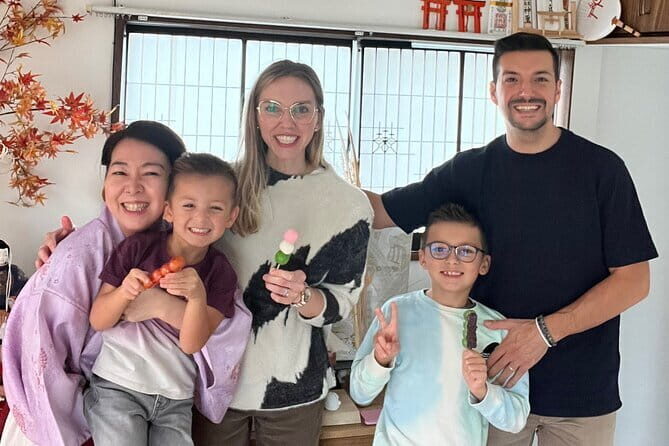
This class is set up like you’re invited into a local kitchen, not funnelled through a factory-style cooking station. The meeting point is in Sangenjaya (Setagaya City), and the activity runs about two hours and ends back at the same spot. It’s close to public transportation, so you’re not stuck with a long slog across town.
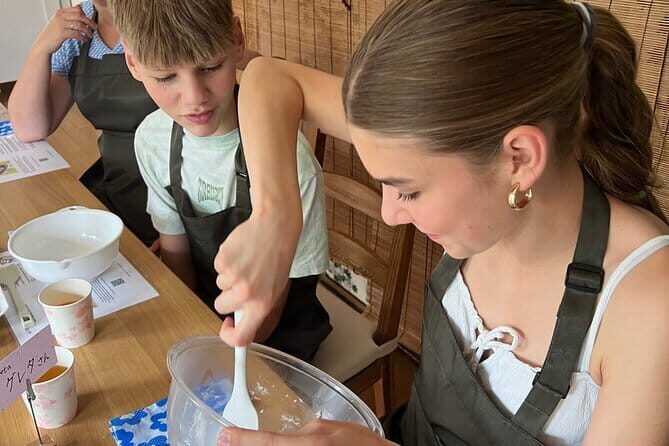
The overall vibe is cozy and personal. You’re not competing for attention, and you don’t have to worry about being rushed between steps. Sakura-san teaches with clear instruction, and she’s also great with kids, which matters if you’re bringing your family and want everyone to stay engaged.
One detail I’d plan around: since it’s a sweets-making class, you’re using your hands a lot. That’s part of the fun, but it also means you’ll want to wear something comfortable and easy to move in.
A few more Tokyo tours and experiences worth a look

The 2-hour flow: four sweets, matcha, and gluten-free focus
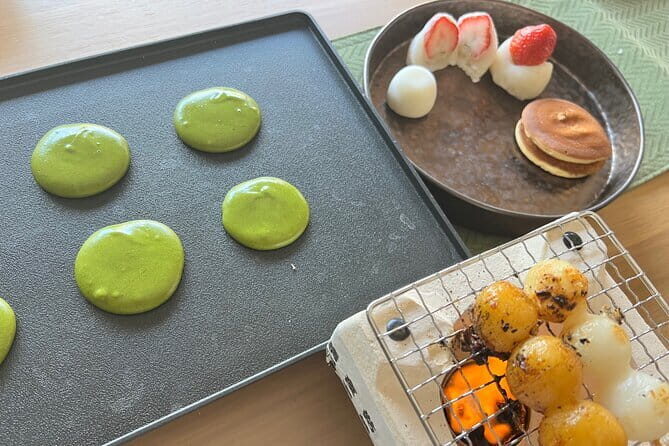
You should expect a structured, step-by-step lesson. The class is designed to be doable even if you’re a beginner, and the pace stays friendly because it’s private for your group.
Here’s the general rhythm of what happens during the workshop:
1) Getting started with mochi basics
You’ll learn about mochi’s background and why it’s such a beloved Japanese treat. Then you’ll jump into the physical part—handling the dough and learning how the texture changes as you work.
2) Making matcha green tea mochi
Matcha mochi is the headline, and it’s a great choice because the recipe is straightforward compared to many other desserts. You’ll work through the process while your instructor keeps you on track.
3) Gluten-free Japanese sweets, three more ways
In total, you make four different types of sweets. The theme stays Japanese sweets, with a specific gluten-free focus so you can enjoy the results without having to translate every ingredient back home.
4) Finishing and plating for photos
Once everything is shaped and ready, you’ll use the photo-op table to show off your desserts. It’s a small thing, but it changes the experience from make-and-go to make-and-celebrate.
You’ll also have time to ask questions as you cook, which is one of the biggest advantages of a private workshop. Cooking lessons are easy to mess up when you can’t see what went wrong—here, you can get immediate correction.
Sakura-san’s teaching style and why the private format matters
This is the class’s biggest strength. Sakura-san is welcoming and kind, and she teaches in a way that keeps the steps understandable when you’re dealing with sticky, delicate ingredients. The English instruction is strong, so you’re not stuck guessing what a technique is supposed to look like.
I also like that the class is designed for different skill levels. If you’re new to Japanese sweets, you’ll still get a learning path that makes sense. If you’ve cooked before, you’ll likely appreciate the texture-focused guidance—mochi isn’t hard, but it is specific.
Because it’s private for your group, you get the instructor’s undivided attention. That matters for two reasons:
- You can fix mistakes immediately.
- You can move at a comfortable pace instead of feeling like you’re behind the group.
If you’re gluten free or have celiac, this class is explicitly positioned as gluten-free Japanese sweets. Still, I’d treat it like any dietary situation in a home kitchen: ask how they handle gluten-free ingredients and whether there’s any risk from shared surfaces. You can do that quickly at the start, and it gives you peace of mind.
The recipe and photo-op table: take Tokyo home
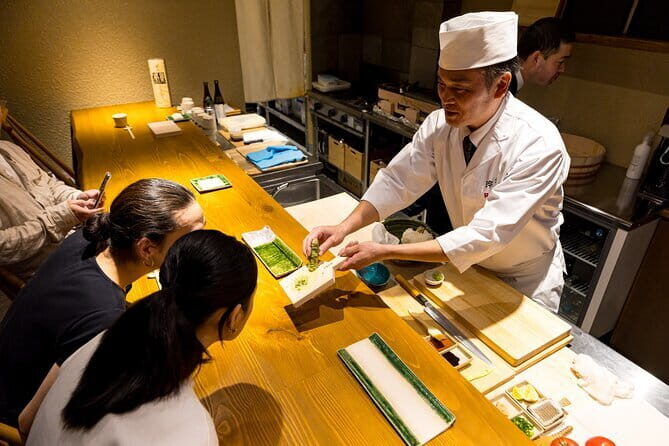
Most food classes teach you a technique. This one also helps you recreate the experience later, which is what you want if you’re the type who brings souvenirs back by cooking.
You’ll get a recipe to take home, and that’s a real value boost. Instead of just remembering what you made, you’ll have a written guide you can follow when the cravings hit months later.
Then there’s the photo-op table moment, which feels small until you’re actually doing it. You get a dedicated spot for finished desserts, so you can take photos when everything looks its best. In Tokyo, that can be surprisingly hard—good lighting and a clean background don’t always line up. This removes that stress.
One fun extra: the class is held in Sakura-san’s home, and there’s often a cute dog present during the visit. It’s not the focus of the class, but it adds to the homey, local feel.
Price and logistics: is $112.01 worth it?
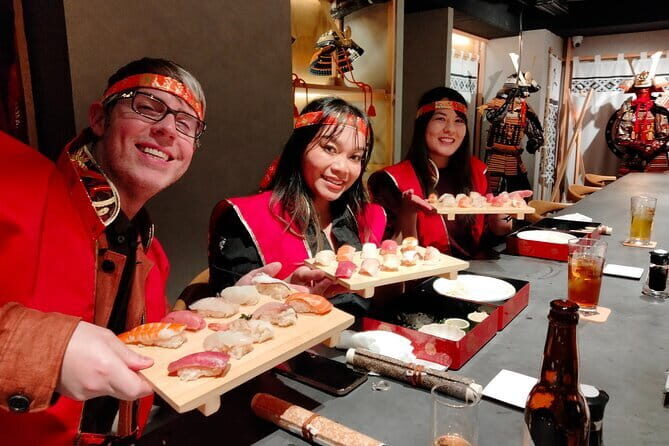
At $112.01 per person for about two hours, you’re paying for something specific: a private cooking experience in someone’s home, with an English-speaking instructor, included apron, and included drinks (coffee and/or green tea). You’re also getting a recipe you can use later.
Compare that to the cost of buying ingredients plus time plus a place to work. You could DIY some of this in your own kitchen, but the step-by-step guidance and hands-on correction are the part most people can’t replicate without a teacher.
Value-wise, this works best when you’ll actually use the recipe afterward. If you’re the kind of person who likes making sweets at home—or you’re traveling with kids who want a hands-on activity—this price starts to look more reasonable fast.
There’s also a practical upside: it’s a great activity choice regardless of weather. That matters in Tokyo because your best plan can be ruined by rain, heat, or just plain mood.
A few more Tokyo tours and experiences worth a look


Who this Mochi Matcha class suits best
This class is ideal if you want Japanese food culture without standing in a long line for the tasting. It’s also a smart pick if you want something family-friendly.
You’ll probably enjoy it most if:
- you love mochi (and want to learn the texture skills, not just eat it)
- you’re gluten free and want Japanese sweets that fit that need
- you want a short, indoor activity that still feels like Tokyo
- you like hands-on classes where you go home with a recipe
It also fits travelers who care about photo moments, because the class gives you a real setup for finished-dessert pictures.
If you hate messy hands, be warned: mochi is supposed to be worked with. You’ll get an apron, but you should still expect some stickiness.
Practical tips before you go
A few small moves make the experience smoother:
- Wear comfortable clothes you wouldn’t mind getting dough residue on.
- Come with an open mind about texture. Mochi changes as you handle it, and that’s part of the lesson.
- Plan to ask questions early. Private format only helps if you use it.
- If gluten free is a must, confirm the setup for your situation before you start.
Also, bring your mobile ticket with you. The experience uses a mobile ticket system, and that saves time when you arrive.
Should you book this mochi and wagashi class?
Yes, if you want a hands-on Tokyo activity that’s genuinely interactive, not just a tasting. This class is strong on three things that matter in real life: private attention, gluten-free Japanese sweets, and a recipe you can actually use after your trip.
If you’re traveling with kids, it’s a good choice because Sakura-san is good at teaching them. And if you’re worried about weather ruining plans, this is the kind of indoor activity that still feels like local culture.
Skip it only if you want a purely passive experience. This is about working with sticky dough and learning by doing. If that sounds like fun, book it.
FAQ
How long is the Mochi Matcha gluten-free Japanese sweets class?
The class lasts about 2 hours.
Is this experience private?
Yes. It’s a private activity, and only your group will participate.
What will I make during the workshop?
You’ll make 4 different types of sweets together, including matcha green tea mochi, with a gluten-free focus.
Do I get a recipe to take home?
Yes. You’ll receive a recipe so you can make the sweets again after your trip.
What’s included in the price?
Included items are an apron, coffee and/or Japanese green tea, and guided instruction.
Is alcohol included?
No, alcoholic beverages are not included.
Where does the class start?
The meeting point is 1-chōme-11-13 Sangenjaya, Setagaya City, Tokyo 154-0024, Japan. The class ends back at the meeting point.
When will I get confirmation after booking?
Confirmation is received within 48 hours of booking, subject to availability.