REVIEW · TOKYO
Tokyo Night Bike Tour: From Shibuya to Tokyo Tower via Roppongi
Book on Viator →Operated by COG EXPLORER JAPAN · Bookable on Viator
Neon Tokyo looks different from a bike seat. This night tour is a simple idea done well: pedal after dark from Shibuya toward Tokyo Tower via Roppongi, taking in lit streets when the city feels a bit calmer.
I like that bike and helmet are included, so you can travel light. I also love the small-group feel, with personalized attention and a guide keeping you moving and oriented.
The only real drawback is the riding requirement. You need to be comfortable cycling on pavements and managing cross traffic lights, plus tight or crowded sections, at about a 15 km/h pace.
Key things I’d plan around
- A true night route, not just “lights plus a photo stop”—you cover multiple neighborhoods after dark.
- Iconic landmarks plus quieter areas like Meiji Jingu Gaien and even Aoyama Cemetery.
- Small group max of 6, which usually means less waiting and more attention.
- A steady ~15 km/h cycling pace, so it’s active rather than sightseeing-by-walking.
- No dinner stop, so plan a meal or bring a snack.
- Guides you can follow easily, with strong safety vibes from people like Taichi and Ikeda.
In This Review
- Why This Shibuya-to-Tokyo Tower Night Ride Feels Like a Tokyo Shortcut
- Meeting at Sendagaya (Near Yoyogi/Shinjuku) and What That Means for Your Evening
- Price and Value: What You’re Really Paying For at $56.01
- Gear, Pace, and the Cycling Confidence Check
- Route Breakdown: Tokyo Tower, Meiji Jingu Gaien, Omotesando, and More
- Stop 1: Tokyo Tower and the Big-View Payoff
- Stop 2: Meijijingu Gaien for Night Calm and Wide Streets
- Stop 3: Omotesando for Style, Lights, and City Texture
- Stop 4: Roppongi Keyakizaka Dori for Neon Street Energy
- Stop 5: Azabujuban for a More Local Feeling
- Stop 6: Aoyama Cemetery for an Unexpected Night Setting
- Stop 7: Roppongi Again for Variety, Not Repetition
- Stop 8: Nishiazabu to Finish Strong
- Night Views and Why Biking Beats Daytime Crowds
- Safety and Comfort: Why Following the Guide Matters More After Dark
- What to Bring (And What Not to Overpack)
- Who This Tour Is Best For (and Who Should Skip It)
- Weather Reality: Light Rain Is Part of Tokyo, Sudden Changes Aren’t
- Should You Book the Tokyo Night Bike Tour?
- FAQ
- How long is the Tokyo Night Bike Tour?
- What time does the tour start?
- What’s included in the price?
- Where is the meeting point, and do we return there?
- Do I need special cycling skills?
- What happens if the weather is bad or I want to cancel?
Why This Shibuya-to-Tokyo Tower Night Ride Feels Like a Tokyo Shortcut
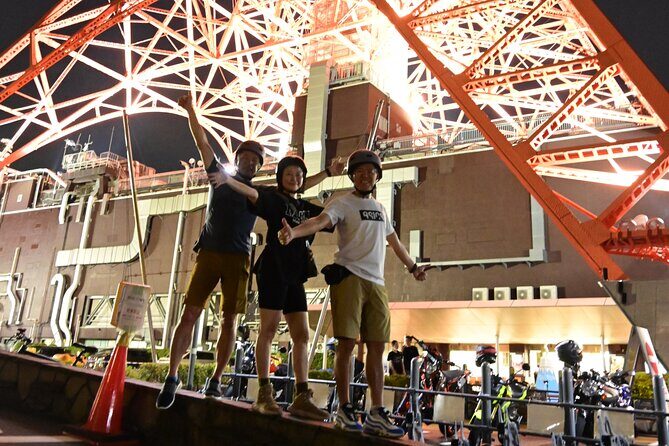
Tokyo by night can turn into a lot of standing in lines, dodging crowds, or hopping between spots by train and foot. This tour swaps that for a bike rhythm. You move continuously, and the city keeps changing under your wheels.
What makes it work especially well is the timing. It starts at 8:00 pm, when the heat often eases (in summer it’s a relief), and the streets can feel calmer than peak daytime rush. You still get the neon glow—just with fewer crowds in your way.
And you’re not only chasing the big postcard views. The route also includes areas you’d struggle to reach efficiently on your own transport network, which means you’re getting more “Tokyo texture” per hour.
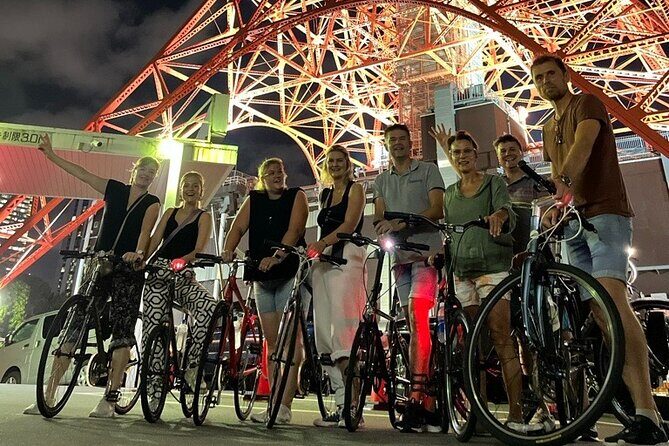
The ride also stays social but not chaotic. With a max group size of 6, it’s easier to feel steady, even if you’re not a daily cyclist.
Meeting at Sendagaya (Near Yoyogi/Shinjuku) and What That Means for Your Evening
The meeting point is Umayamichi Park, 5-chōme-24-11 Sendagaya, Shibuya. It’s listed as about 10 minutes from Shinjuku Station and about 1 minute from Yoyogi Station, which is a big deal. You don’t have to rebuild your whole evening just to get to the start.
Because you loop back to the meeting point at the end, you’re not left figuring out how to get home after dark with sore legs and a full camera roll.
Practical tip: plan your dinner earlier than you think. The tour does not stop for dinner, so you want food in your system before you set off.
You can also read our reviews of more cycling tours in Tokyo
Price and Value: What You’re Really Paying For at $56.01
$56.01 for about two hours might sound like a lot until you break it down. You’re paying for a guide-led route, plus bicycle and helmet, plus the ability to cover more ground than most people can manage on foot.
You’re also paying for “street-level routing.” The tour is designed to take you through well-lit areas and also into sections that aren’t as convenient by public transport. That’s the difference between seeing Tokyo and actually navigating it.
In plain terms: you get movement, safety, and context in one package. If you’ve got limited time in Tokyo, that’s real value.
One more point: booking tends to be reasonably ahead. On average, it’s booked about 6 days in advance, so I’d treat it as something you lock in rather than something you gamble on.
Gear, Pace, and the Cycling Confidence Check
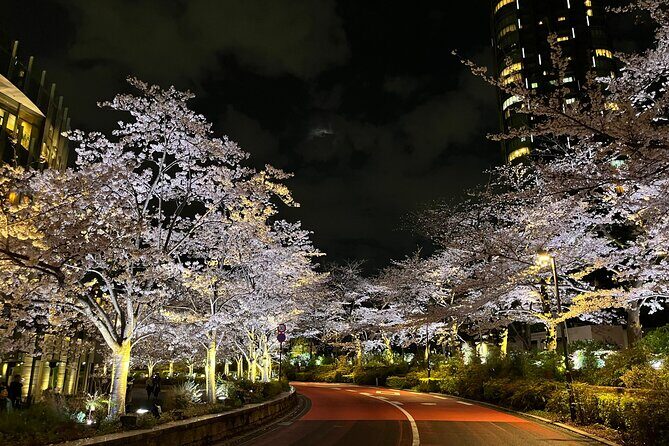
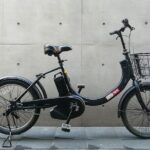
This is a cycling tour, not a leisurely stroll. Included gear is a bicycle and helmet, which is great—no rental hassle, and you get the basics you need for a safe ride.
The pace matters. You’ll ride at roughly 15 km/h. That’s a typical cycling speed, but you should expect steady pedaling for stretches. If you’re used to casual bike cruises, you’ll likely be fine. If you mainly walk around cities, be ready for more effort.
You’ll also need the right comfort level for Tokyo streets:
- Cycling on pavement
- Handling cross traffic lights
- Navigating crowded/tight spaces
Height fit is listed too: bikes are suitable for about 155 cm to 185 cm. If you’re outside that range, you might not fit the provided bicycles comfortably.
Light humor, but useful: night riding is when small mistakes feel bigger. So if you’re even slightly unsure about managing intersections, you’ll want to go into this with extra focus.
Route Breakdown: Tokyo Tower, Meiji Jingu Gaien, Omotesando, and More
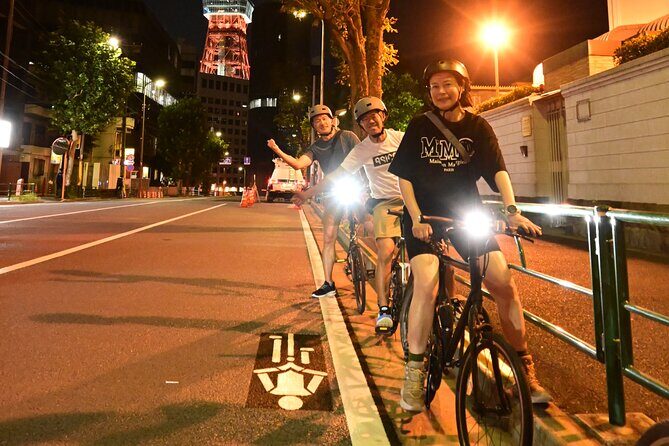
You’ll cover a route with these stops:
1) Tokyo Tower
2) Meiji Jingu Gaien
3) Omotesando
4) Roppongi Keyakizaka Dori
5) Azabujuban
6) Aoyama Cemetery
7) Roppongi
8) Nishiazabu
Here’s why these stops make sense for a night ride—and what to watch for.
Stop 1: Tokyo Tower and the Big-View Payoff
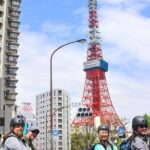
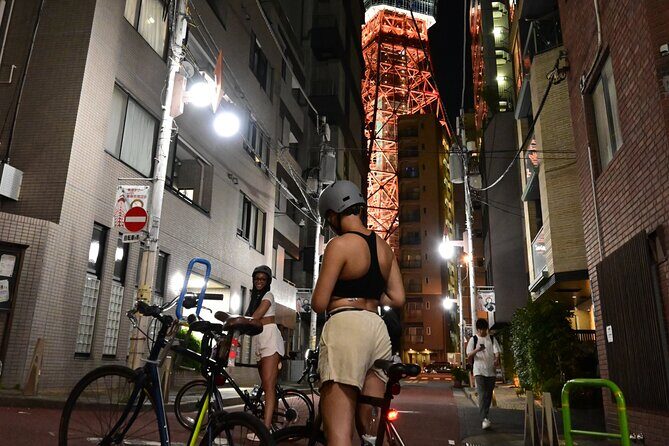
Tokyo Tower is the obvious “wow” anchor. At night, it becomes a focal point you can see changing as you approach from different angles.
What I like about putting Tokyo Tower early is momentum. After meeting, you quickly get that iconic skyline hit, which sets the tone for the rest of the ride. You’re also less likely to feel lost mentally because you’re working toward a recognizable landmark.
You can also read our reviews of more evening experiences in Tokyo



Stop 2: Meijijingu Gaien for Night Calm and Wide Streets
Meiji Jingu Gaien offers a different vibe than the shopping lights. It’s more open, more structured, and it feels like a breath between high-energy districts.
If you’re the kind of person who enjoys contrasts—bright, then quiet—this is one of those sections that makes the tour feel like more than a single neighborhood highlight reel.
Stop 3: Omotesando for Style, Lights, and City Texture
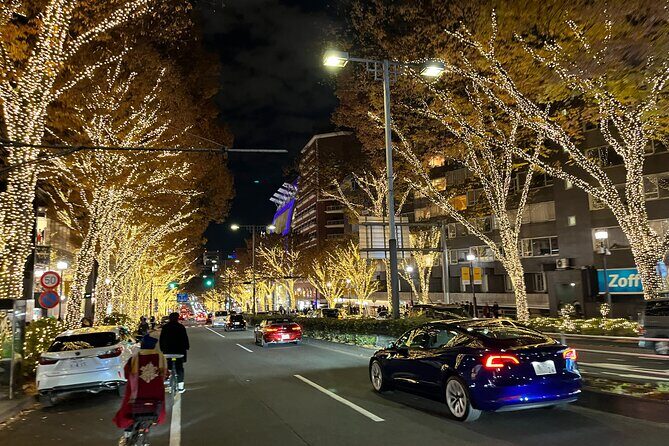
Omotesando is the kind of area where the streets themselves tell you you’re in Tokyo. At night, the look shifts from daytime shopping energy to a cleaner glow.
This stop matters because it gives you a change of pace after Gaien. You’ll likely notice how lighting and street layout shape the atmosphere, even when you’re just riding through at speed.
Stop 4: Roppongi Keyakizaka Dori for Neon Street Energy
Roppongi Keyakizaka Dori is where you feel the city’s pulse again. It’s well-lit, active, and easy to photograph from a moving bike seat—when you’re ready.
This is also a good section for people who want “Tokyo nightlife vibes” without turning the night into a bar crawl. You get the scenery without committing to a late dinner plan.
Stop 5: Azabujuban for a More Local Feeling
Azabujuban tends to feel a bit more lived-in than the biggest tourist clusters. That’s part of why it fits a guided bike route: you can glide past areas that feel stylish but not as famous-per-square-meter.
Keep your camera handy, but don’t forget your eyes. Cycling makes you notice building shapes and street rhythms in a way walking sometimes doesn’t.
Stop 6: Aoyama Cemetery for an Unexpected Night Setting
Aoyama Cemetery on a bike tour is not what most people expect. Night gives it a hush, and the contrast is memorable.
This stop is valuable because it proves the tour isn’t only built around loud, busy places. You’re seeing Tokyo in a more human scale—still lit, but with a different emotional tone.
Stop 7: Roppongi Again for Variety, Not Repetition
Revisiting Roppongi in the later part of the ride helps you connect dots. By the time you’re back in that area, you’ve already sampled the transitions from neighborhood to neighborhood.
So it doesn’t feel like repeating the same street. It feels like confirming how the districts work together in real time.
Stop 8: Nishiazabu to Finish Strong
Nishiazabu helps round out the evening with a polished, residential-leaning edge. It’s a good place to end the cycling phase without throwing you back into the busiest chaos.
The route ends back at the meeting point, so you can mentally close the loop instead of stretching your travel day into a complicated commute.
Night Views and Why Biking Beats Daytime Crowds
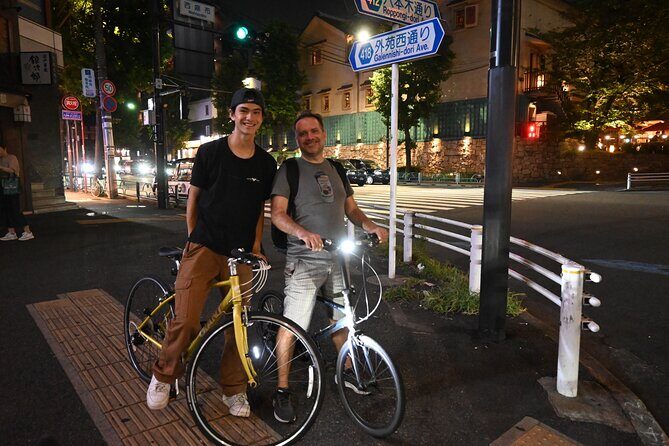
You get two big benefits when you do Tokyo at night by bike.
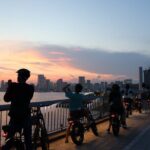
First, the city looks more cinematic. Neon signage and building lights create depth in a way daytime photos often don’t. Even if you’re not chasing perfect shots, the visual atmosphere is just different.
Second, you avoid a lot of the daytime squeeze. You won’t be standing in the same bottlenecks you’d face on foot, especially if you’re hitting popular areas. The ride design also helps you move through areas that are easier to navigate from the road than from a station-to-station shuffle.
And because the tour is guided, you’re not spending your limited night figuring out directions. The guide keeps the group together, sets the pace, and helps you stay focused on the streets and the stops.
Safety and Comfort: Why Following the Guide Matters More After Dark
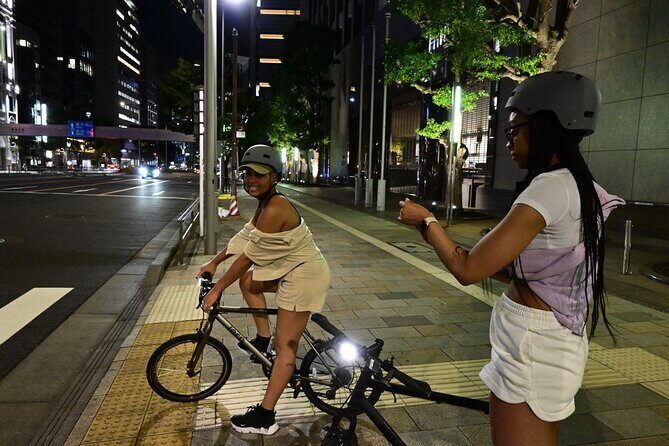
Night riding always adds one extra layer: visibility. This tour handles that by keeping a structured route and a guide leading you through the flow of traffic and intersections.
The reviews you’ll see for this experience strongly emphasize that the guide makes it feel safe and organized. In the feedback, Taichi is repeatedly singled out for being easy to follow and for sharing lots of local context. Ikeda also appears in the same positive safety-and-friendliness theme.
So, if you’re a solo traveler, this kind of guidance can be a relief. You’re not alone trying to translate Tokyo street dynamics at night.
What to Bring (And What Not to Overpack)
Since the tour doesn’t include dinner, plan your timing like you would for a long hike. Eat before you go, or bring a snack so you’re not hungry while you’re cycling.
Other practical ideas:
- Comfortable clothing for an evening ride
- Something to keep essentials secure while you pedal
- A light layer if the night air feels cool on the move
Also, don’t overthink outfits. The goal is to enjoy the ride and the view, not to look like you’re headed to a photoshoot.
Who This Tour Is Best For (and Who Should Skip It)
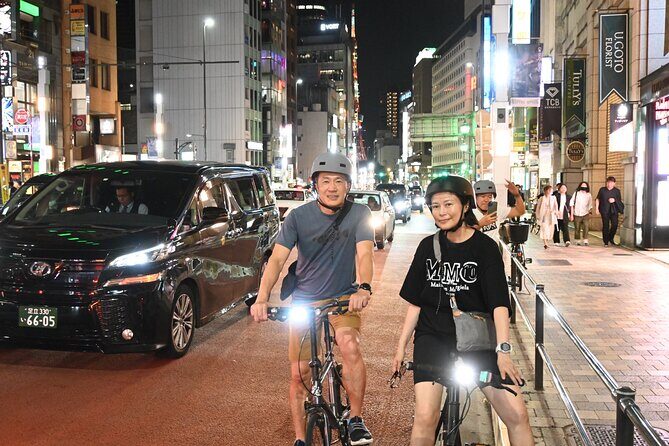
This tour is a strong fit if you:
- Want a 2-hour active way to see multiple Tokyo areas at night
- Like neon-city energy but prefer it with structure
- Feel comfortable cycling on pavement and handling traffic intersections confidently
- Want coverage beyond the most obvious tourist routes
It may be a tough fit if you:
- Haven’t cycled in a long time or feel uneasy with intersections
- Are shorter or taller than the listed bike fit range (155–185 cm)
- Want a totally relaxed, walk-and-look experience (this is pedaling)
Weather Reality: Light Rain Is Part of Tokyo, Sudden Changes Aren’t
The tour states it will proceed in light rain, but it may be canceled due to sudden weather changes. That’s reasonable for night cycling.
If you’re visiting in a rainy season, don’t leave this tour as your only plan. Keep a backup activity ready for that evening.
Should You Book the Tokyo Night Bike Tour?
I’d book it if you’re the type of traveler who wants Tokyo to feel navigable, not overwhelming. This is a smart use of a night: you get iconic sights like Tokyo Tower, plus quieter or less reachable areas like Meiji Jingu Gaien and Aoyama Cemetery, all in about two hours.
Skip it if you’re not comfortable cycling through cross traffic and tight urban sections. Safety and confidence matter here more than enthusiasm.
If you do book, go in fueled, wear gear you can ride in, and let the guide do the hard work. You’ll likely come away with the best kind of Tokyo souvenir: not just photos, but a sense of how the city moves after dark.
FAQ
How long is the Tokyo Night Bike Tour?
The tour is about 2 hours.
What time does the tour start?
The start time is 8:00 pm.
What’s included in the price?
Your ticket includes a bicycle and a helmet. Dinner is not included.
Where is the meeting point, and do we return there?
You meet at Umayamichi Park, 5-chōme-24-11 Sendagaya, Shibuya. The tour ends back at the same meeting point.
Do I need special cycling skills?
Yes. You should be able to cycle on pavements, handle cross traffic lights confidently, and ride through crowded/tight spaces. You’ll also be expected to ride at about 15 km/h, and the bicycles are suitable for 155 cm to 185 cm.
What happens if the weather is bad or I want to cancel?
The tour proceeds in light rain, but it may be canceled due to sudden weather changes. If canceled due to poor weather, you’ll be offered a different date or a full refund. You can also cancel for free up to 24 hours in advance for a full refund.