REVIEW · TOKYO
Tokyo: Private Japanese Cooking Class with a Local Chef
Book on GetYourGuide →Operated by comburger · Bookable on GetYourGuide
Tokyo tastes better at home.
I love the idea of swapping restaurant meals for a private cooking class inside a real Shinjuku apartment, guided by Chef Sato. You get hands-on practice and a calmer pace than most food tours, and the food is built around what Japan considers the right seasonal flavors.
Two things I really like: first, the class is organized around seasonal menus that follow the day of the week, so you learn how Japanese cooking adapts to ingredients instead of copying one fixed recipe. Second, you’re not just watching. You’re actively cooking, then eating what you make during the same session.
One possible drawback to consider: the menu changes by weekday. If you have one dish you’re desperate to learn, check the schedule first, because your class day determines what you’ll cook.
In This Review
- Key points before you book
- Shinjuku Meeting Point and the Feel of a Local Home
- How the Menu Works: Weekend Teishoku and Weekday Tokyo Favorites
- Saturday, Sunday, Monday, Tuesday (morning 10:30–1, evening 6–8:30)
- Wednesday, Thursday, Friday (same time windows)
- In the Kitchen: 2 to 4 Dishes You Cook from Scratch
- Seasonal Ingredients, Hand Skills, and Recipe Takeaways
- Eating Your Work: How the Meal Fits Together
- Optional 1–3:30 Local Walk After the Morning Class
- Price and Value for $120 a Person
- Who Should Book This Class in Tokyo
- Should You Book This Private Japanese Cooking Class?
- FAQ
- What is the duration of the Tokyo private cooking class?
- Where is the meeting point?
- Is the class private?
- What language is the instructor?
- What does the price include?
- How many dishes will I cook?
- What time options are available?
- What is the menu schedule by day of the week?
- Is there an optional trip included?
- What are the cancellation and booking options?
Key points before you book
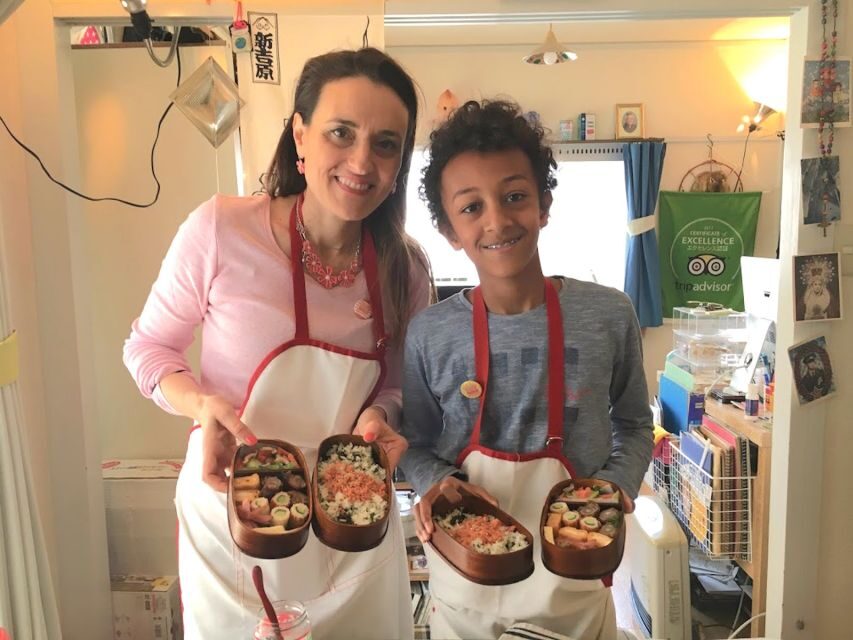
- A private, home-apartment kitchen in Shinjuku gives the experience a real Tokyo feel
- Seasonal cooking by weekday teaches how Japanese menus actually work
- You cook 2 to 4 items (not a demo), with English guidance throughout
- Free Japanese barley tea is included and fits the meal style
- Optional 1–3:30 walk after the morning class adds local streets beyond major sights
Shinjuku Meeting Point and the Feel of a Local Home
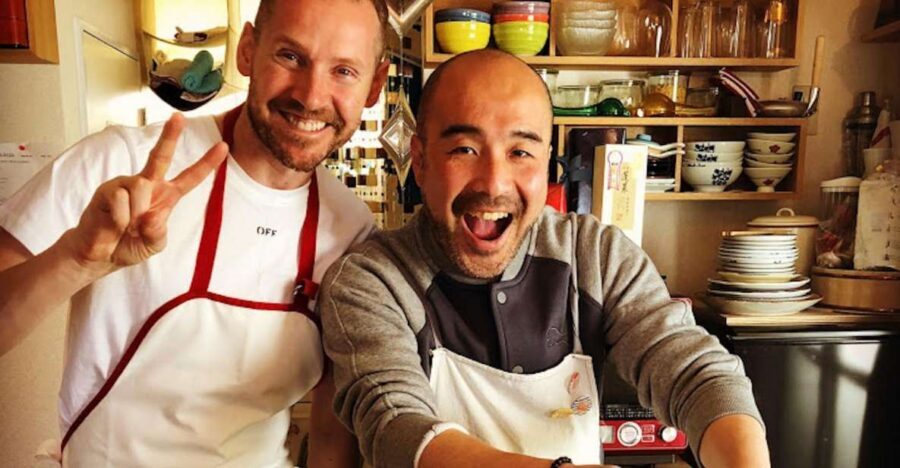
You meet at Shinjuku Station, East Exit police box (3-38-38-1, Shinjuku, Shinjuku-ku). That location matters. It means you can arrive on your own using trains you’re already using to get around Tokyo, then step off the main flow and onto smaller local streets.
From the start, the vibe is personal. You’ll head to the host’s apartment for the class, which is a big part of why this works. Tokyo can feel like it’s all condensed, high-speed, and vertical. In the apartment kitchen, everything slows down: chopping, simmering, tasting, asking questions, and learning why certain ingredients are treated like they matter.
Chef Sato’s English is a plus if you’re worried about language barriers. From what I saw in the class style and how past participants describe it, you’re encouraged to talk during cooking, not just listen. This is one reason the experience stays friendly even when you’re doing things from scratch.
You can also read our reviews of more private tours in Tokyo



How the Menu Works: Weekend Teishoku and Weekday Tokyo Favorites
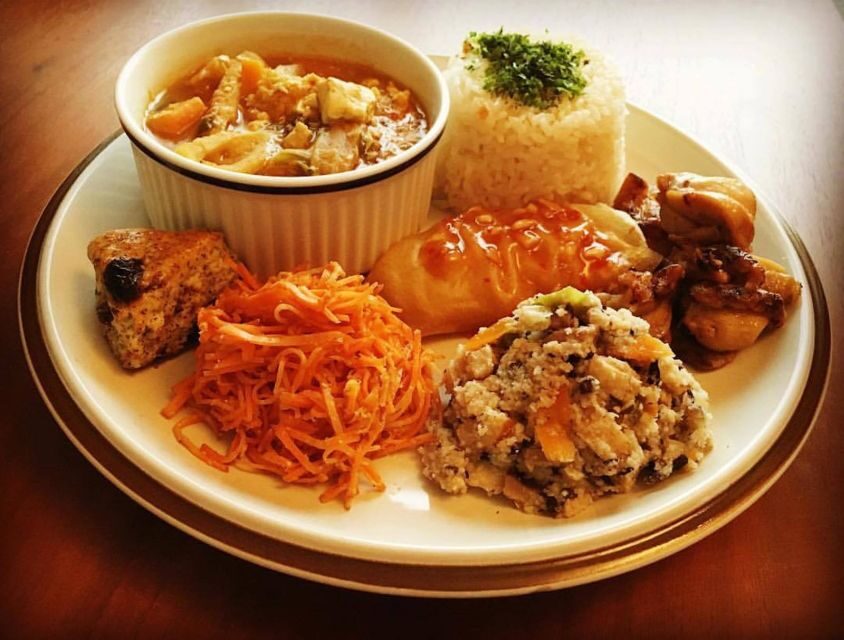
Here’s the key to planning: what you cook depends on the day of the week. The class generally includes a set menu with 2 to 4 items, and those dishes rotate between traditional home-style meals and more popular Tokyo comfort foods.
Saturday, Sunday, Monday, Tuesday (morning 10:30–1, evening 6–8:30)
These are the traditional meal days. The menu may include combinations like:
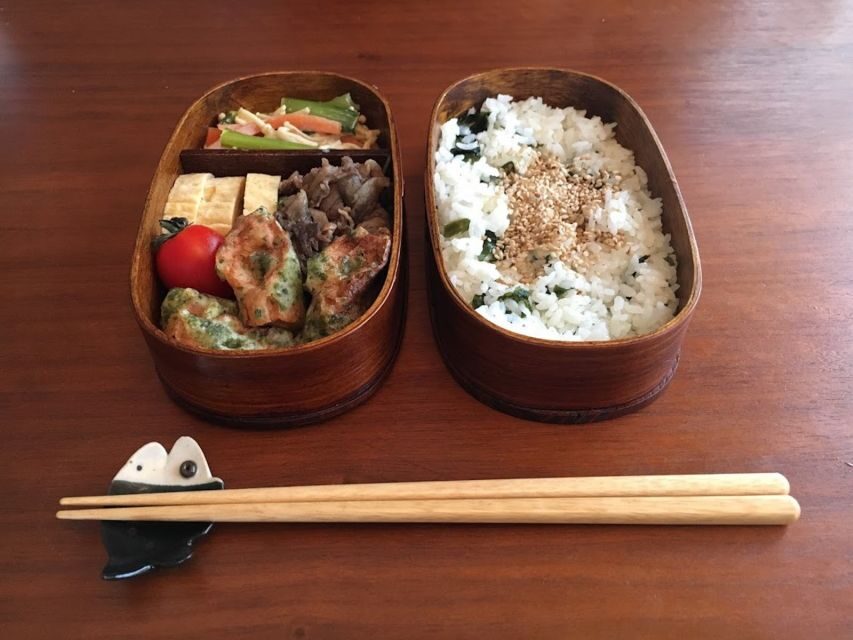
- Teishoku (a set meal with rice, a seasonal main dish, and two seasonal side dishes)
- Donburi-style meals
- Bento-style components
- Tonjiru and rice ball options
The common thread is seasonal ingredients. Japan’s cooking education is often about learning what changes with the weather, then applying that logic to flavor and technique.
Wednesday, Thursday, Friday (same time windows)
These are the popular food days. Think more street-food and comfort-food energy, still built on seasonal ingredients, such as:
- Curry rice
- Okonomiyaki
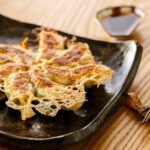
- Gyoza
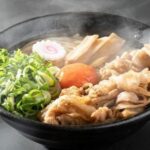
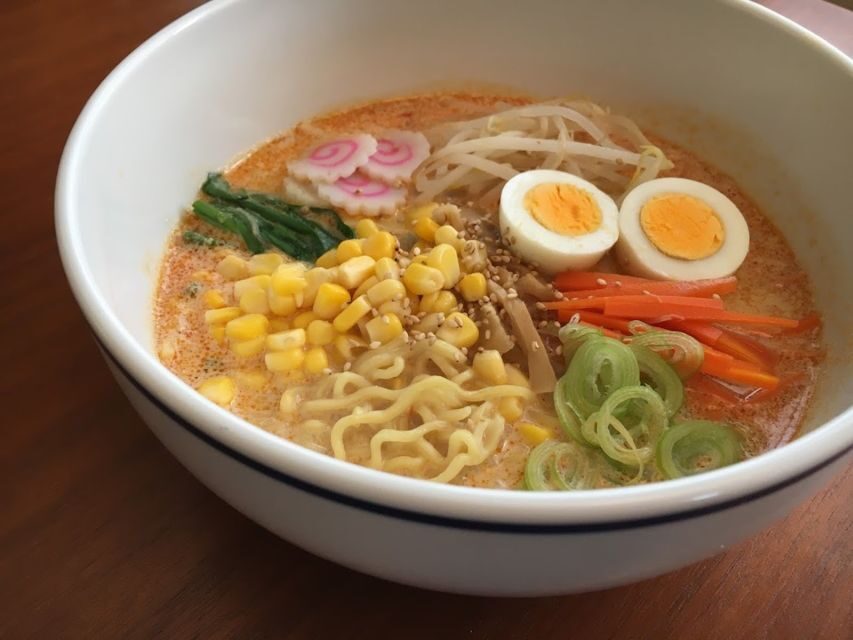
- Ramen
- Rice burger
- Kara-age
- Yakisoba
If you want a “Tokyo hits list” of dishes rather than only classic teishoku style meals, these are the days that tend to deliver that feeling.
In the Kitchen: 2 to 4 Dishes You Cook from Scratch
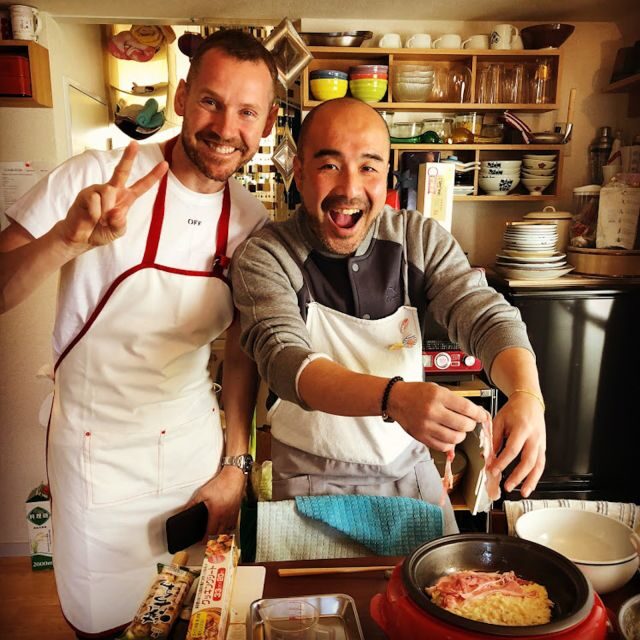
A lot of cooking experiences in travel are really just guided eating. This one is different because your time is built around doing the work. You’ll cook 2 to 4 dishes during the session, with Chef Sato guiding in English.
What this means for you practically:
- You learn basic preparation steps, not just final flavors.
- You’ll see how Japanese dishes are assembled and balanced, often with separate components (rice, soup, sides, and the main).
- You should leave knowing what to do when you’re back home, even if your pantry isn’t identical.
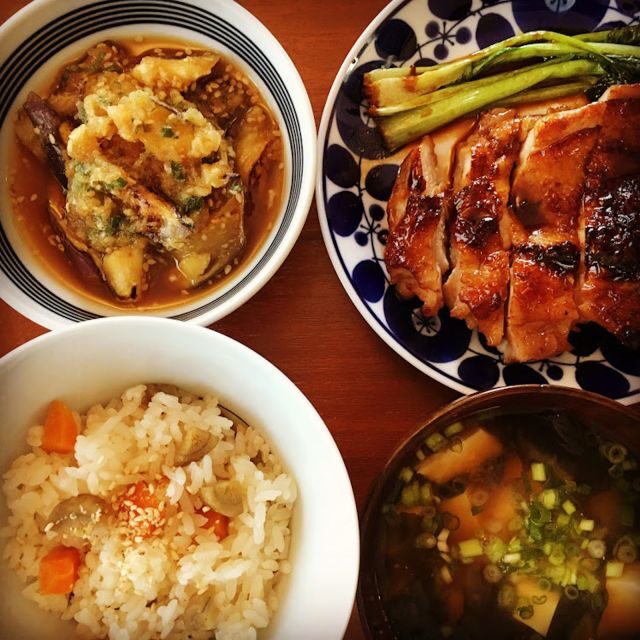
Based on past classes, you might end up making items like gyoza and ramen, or other familiar home-style dishes such as katsu curry over rice, fresh tofu salad, miso soup, teriyaki-style chicken with rice, and vegetable sides. The exact combination changes, but the core skill is consistent: Japanese cooking is technique plus timing plus ingredient respect.
Also worth knowing: the class environment is described as relaxed and stress-free. That matters if you’re not an experienced cook. You’ll still get taught how to chop, season, and plate, and you’ll have room to ask questions without feeling rushed.
You can also read our reviews of more cooking classes in Tokyo

Seasonal Ingredients, Hand Skills, and Recipe Takeaways
This is the part that makes the class feel cultural rather than just culinary. Seasonal cooking in Japan isn’t a marketing phrase. It’s a practical philosophy: ingredients change, so the meal changes with them.
Chef Sato tends to explain the reasons behind the cooking steps, including ingredient choices and how Japanese home cooking is connected to family and routine. Participants also describe him talking about his path into cooking very early in life, including learning from his parents from a young age. That personal context shows up in how he teaches: the goal isn’t only to make one dish taste good, but to give you the thinking behind it.
You’ll likely handle small technique details too, the kind that restaurants hide. Past participants even mentioned learning specific prep tricks like how to handle small imperfections on ingredients (like removing dark spots from potatoes). These are the little moments that help you cook with confidence at home.
Another helpful detail from the class experience is that participants report receiving recipe handouts. That turns your “I had a great day” into “I can remake this,” which is the real value of a cooking class.
Eating Your Work: How the Meal Fits Together
You don’t just cook and leave. Meals are included, and the style matches the menu type.
On traditional menu days, the structure often follows teishoku logic: rice plus a main dish plus two side dishes. That balance is a big deal. You’ll see how Japanese meals avoid one-note flavor by spreading tastes across multiple small components.
On popular food days, the meal structure can feel closer to Tokyo street food—fried and sauced items, noodles, dumplings, and hearty comfort dishes. Even then, the meals are still designed around seasonal ingredients, so it doesn’t feel like a random mix of favorites.
One small included touch is the free drink: Japanese barley tea. It’s a nice fit for the meal pace and gives you something comforting while you’re in the middle of cooking.
Optional 1–3:30 Local Walk After the Morning Class
If you choose the morning class, there’s an optional short trip from 1 PM to 3:30 PM. This runs every day after the morning session, and it’s designed to take you to places that aren’t the usual poster spots in standard guidebooks.
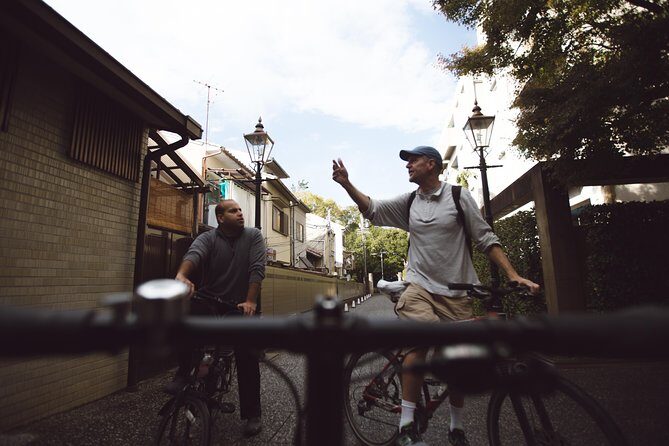
In past experiences, people describe these walks as a chance to see neighborhoods around Shinjuku and nearby areas with local context, not just photos. It also helps you digest what you learned in the cooking class because you’ll connect food culture with the streets where people live and eat day to day.
Practical tip: if you’re the type who likes to spend your Tokyo time with less certainty and more wandering, this optional add-on is a smart match. It keeps your day from turning into only “class + subway back to hotel.”
Price and Value for $120 a Person
At $120 per person for about 3 hours (270 minutes), you’re paying for more than recipes. You’re paying for:
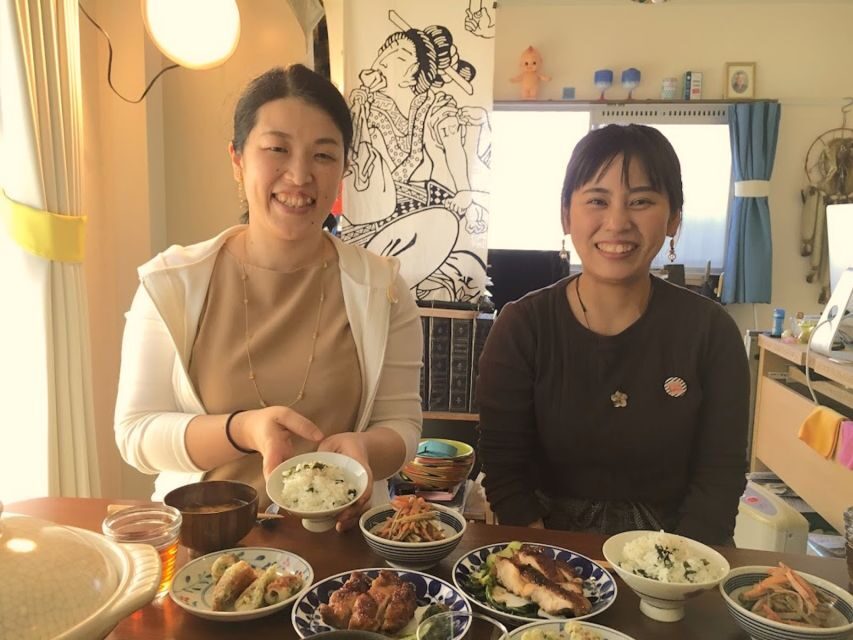
- A private setting in someone’s home apartment kitchen
- An English-speaking instructor teaching technique and taste balance
- Meals and a free drink included
- Pickup from a clear Shinjuku meeting point
Here’s how I think about value in Tokyo: restaurants are everywhere, but real instruction in a home setting is rare, and it costs time and labor to provide. With this class, you’re not just eating Tokyo. You’re learning how Tokyo kitchens think.
The private-group setup is another value driver. It keeps the experience from feeling generic. You can ask questions, move at a comfortable pace, and focus on the dishes you’re actually cooking that day.
What you should weigh against the price: if you only want a quick bite or you’re hunting for the most famous landmarks, this may feel expensive compared to standard eating tours. But if you want real cooking skills you can reuse, this is one of the best ways to turn your money into something tangible.
Who Should Book This Class in Tokyo
This class fits best if you:
- Want hands-on cooking, not passive sightseeing
- Like learning why dishes are built the way they are (seasonal logic, balance, technique)
- Are comfortable with a home-apartment format, where it feels friendly and slightly informal
- Want an English-taught experience in Shinjuku that doesn’t require food knowledge beforehand
It’s also a good match for couples and small groups who want a personal Tokyo memory. Multiple past participants describe the experience as welcoming and honor-like in tone, the kind where the host shares more than just cooking.
If you’re extremely picky about a specific dish, do check the weekday schedule before you book. The menu rotation is part of the point, but it can be a mismatch if you’re hoping for one exact recipe every time.
Should You Book This Private Japanese Cooking Class?
I’d book it if your goal is to leave Tokyo with cooking skills, not just photos. The combination of private apartment teaching, seasonal menus, and learning dishes like gyoza and ramen (when the day lines up) is a rare blend of practical and cultural.
Skip it if you only want large-name attractions in your day plan, or if you’re unwilling to be flexible with what you’ll cook based on the weekday. Otherwise, this is one of those Tokyo experiences that turns a meal into a skill you can actually repeat at home.
FAQ
What is the duration of the Tokyo private cooking class?
The class lasts 3 hours (listed as 270 minutes).
Where is the meeting point?
Meet at Shinjuku Station East Exit police box, at 3-38-38-1, Shinjuku, Shinjuku-ku, Tokyo 160-0022, Japan.
Is the class private?
Yes. It’s a private group experience.
What language is the instructor?
The instructor teaches in English.
What does the price include?
Meals are included, plus a free drink (Japanese barley tea) and pickup at the meeting point.
How many dishes will I cook?
You will cook one menu with 2 to 4 items.
What time options are available?
There are morning and evening classes. Morning is 10:30 AM–1 PM, and evening is 6 PM–8:30 PM.
What is the menu schedule by day of the week?
Saturday, Sunday, Monday, and Tuesday focus on traditional set-meal styles like teishoku, donburi, and related dishes. Wednesday, Thursday, and Friday focus on more popular dishes like curry rice, okonomiyaki, gyoza, ramen, and others. The menu changes by weekday.
Is there an optional trip included?
After the morning class, there is an optional short trip from 1 PM to 3:30 PM that goes to places not found in guidebooks.
What are the cancellation and booking options?
Free cancellation is available up to 24 hours in advance for a full refund. There’s also a reserve now & pay later option.