REVIEW · TOKYO
Tokyo: Samurai History Walking Tour
Book on GetYourGuide →Operated by Temples and Trails Tours Japan · Bookable on GetYourGuide
Samurai history in Tokyo, on foot. This Tokyo Samurai History Walking Tour strings together the big questions behind the samurai era—who they were, how they rose, and how it all ended—using real places you can see with your own eyes. I especially like how the route includes Edo Castle grounds and ends at Sengaku-ji, where the story turns emotional fast.
Two things I really like: the tour feels like a guided timeline, stretching from the samurai’s early days in the 900s all the way to their collapse in 1868, and the guide (John) is excellent at answering questions without sugarcoating the tough parts. You’re also not stuck in one museum room—there’s a sense of moving through Tokyo’s layers as the story changes.
One drawback to flag: even though you’ll use public transport occasionally, this is still a fairly lengthy walk. If your legs tire easily, you may want to plan slower momentum and take the extra rests offered on the way.
In This Review
- Key things to know before you go
- A four-hour samurai storyline that starts at Marunouchi Square
- Price and logistics: what you actually pay for
- Edo Castle ruins: where samurai power gets real
- Taira no Masakado’s Grave: an early thread in the samurai timeline
- Sengaku-ji and the 47 Ronin gravesite: honor meets difficult questions
- The real reason this tour works: John’s storytelling style
- Pacing a longer Tokyo walk: what to do with your legs
- Who this tour suits best (and who should skip it)
- Should you book this Samurai History Walking Tour?
- FAQ
- How long is the Tokyo Samurai History Walking Tour?
- Where do I meet the guide?
- Where does the tour end?
- How much does the tour cost, and what’s included?
- What costs are not included in the price?
- Is the tour guided in English?
- Are there food stops during the tour?
- Is this tour suitable for wheelchair users or older guests?
Key things to know before you go
- Meet at Marunouchi Square by Tokyo Station: the tour starts near the big JR hub, which makes it easy to connect from most hotels.
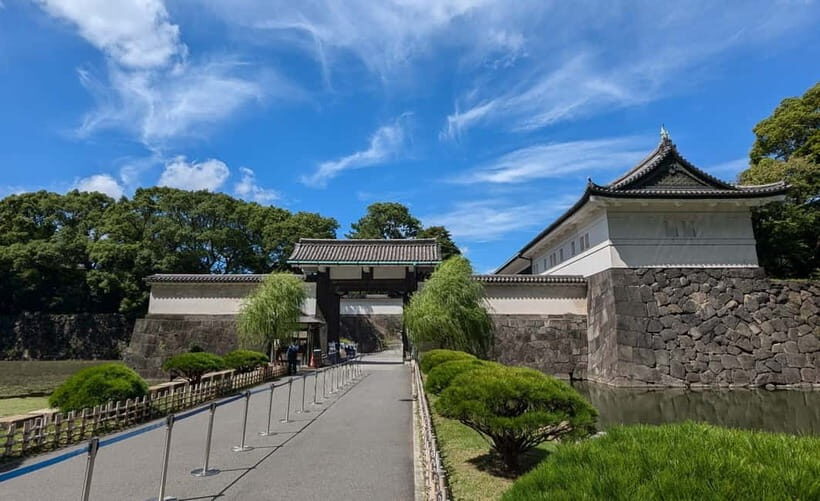
- You’ll see Edo Castle ruins up close: the morning section focuses on the political center that shaped samurai power.
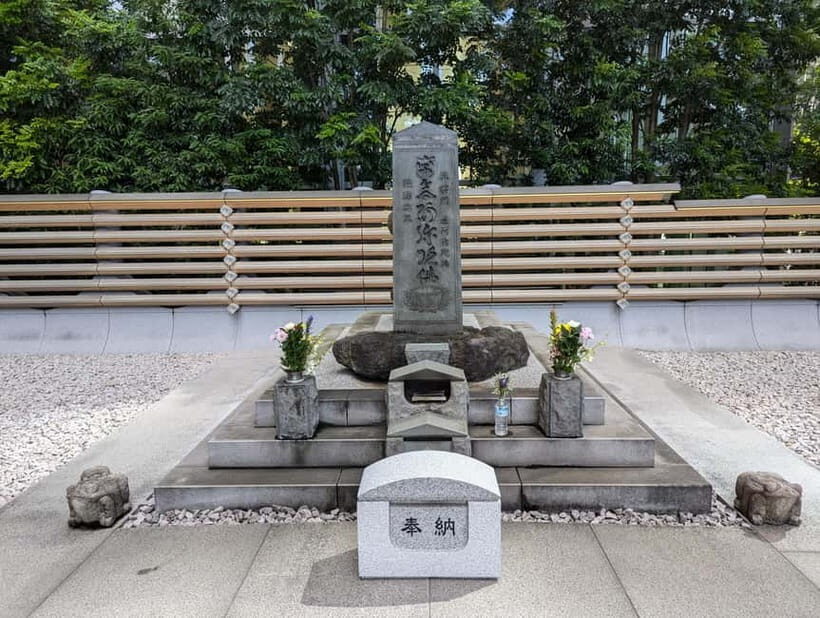
- Taira no Masakado’s Grave is part of the route: it adds an early chapter to the longer samurai timeline.
- Sengaku-ji ties the story to the 47 Ronin gravesite: it’s the emotional anchor for the last part of the tour.
- John guides in English and keeps questions going: the experience is built around Q&A, not just one-way lecturing.
A four-hour samurai storyline that starts at Marunouchi Square
This tour is designed as a quick, focused “how we got here” walk through Tokyo’s samurai era. In just 4 hours, you move from the area around Marunouchi Square to major historic sites connected to the samurai story—starting in the 900s and ending at the era’s decline by 1868.
I like that the tour doesn’t treat samurai as one neat fantasy. You get honest explanation of who they were and why their reputation could look virtuous in one moment and brutal in another.
The meeting point also helps. If you’re already near JR Tokyo Station, finding Marunouchi Square is straightforward, and the vibe is a good match for getting oriented fast. The guide generally waits outside the Marunouchi Central Exit, then sends a Google Maps link day-of and communicates by email and the GetYourGuide app.
You can also read our reviews of more walking tours in Tokyo


Price and logistics: what you actually pay for
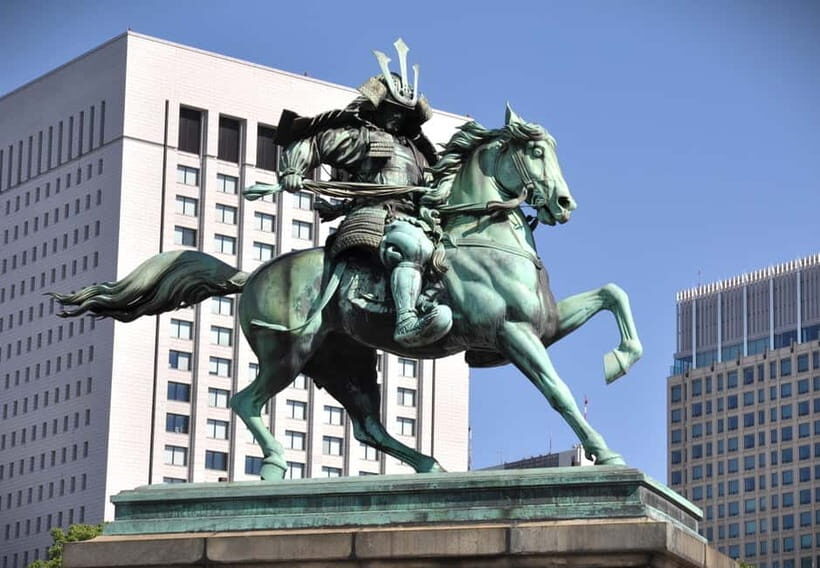
The tour costs $33 per person, and that covers the guide fee for a single knowledgeable guide named John. For a 4-hour guided walk with multiple major stops, it’s a solid value—especially if you like context and you don’t want to piece the history together alone.
What’s not included matters for budgeting. You’ll want to plan roughly 400 yen per person for occasional public transport during the tour, and you should budget Sengaku-ji entry fees: 300 yen for the cemetery and 500 yen for the museum. Those temple fees can add up, so it’s smart to bring cash just in case.
Also note the pace and food plan. There are no real stops for food, since the tour is relatively short. My practical advice: grab snacks at a convenience store before you meet, then eat as you go if hunger hits.
Edo Castle ruins: where samurai power gets real
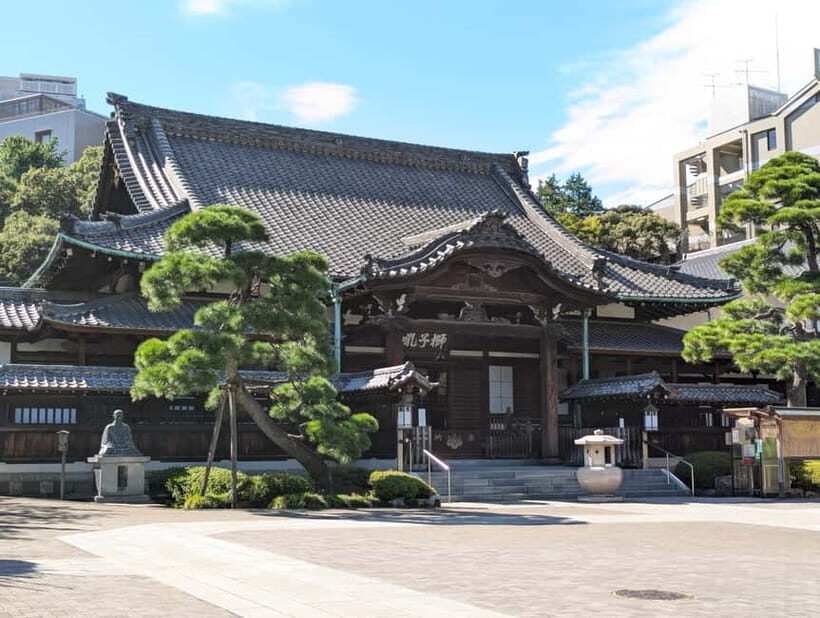
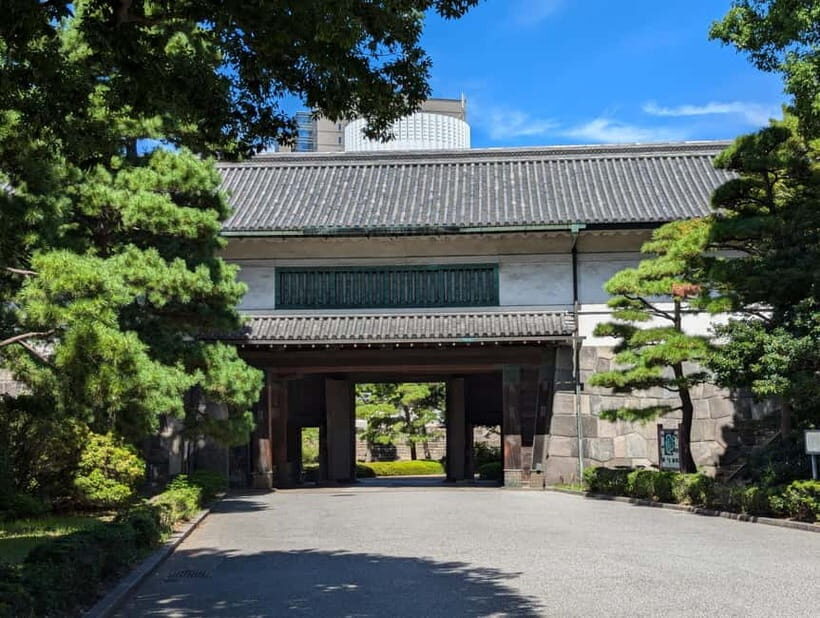
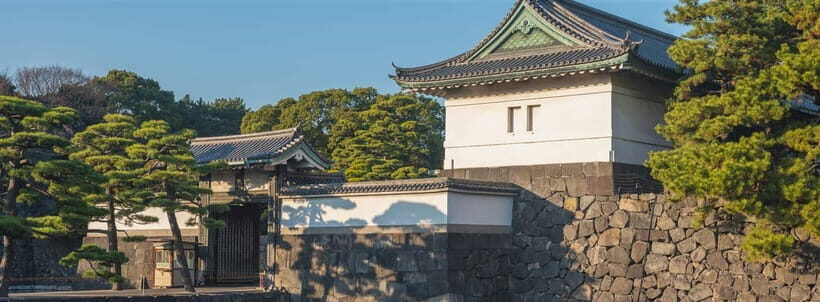
The tour’s longest stop centers on the Edo Castle ruins (Tokyo Imperial Palace East Gardens). This is where the story becomes political, because samurai power didn’t live only on battlefields—it also lived inside administration and control.
In the roughly 105-minute segment here, you’ll have time for real walking and real explanations, not just quick photo stops. If you like history that connects institutions to people, this is the part where it starts to click.
One practical thing I appreciate: the guide can pace the group. Because this is a long walking window, you’ll benefit from their ability to keep the rhythm without rushing you past things you should notice. If you tire out, the tour includes extra rests when needed, but it still helps to show up ready to walk.
Taira no Masakado’s Grave: an early thread in the samurai timeline
A highlight on the route is Taira no Masakado’s Grave. Even though it’s not the most famous stop for everyone, it’s a valuable piece of the overall timeline the tour promises—from early samurai history onward.
I like this kind of placement. When a tour covers only the last famous moments, you miss how long the samurai story takes to develop. A stop like this helps you understand that the samurai era wasn’t one sudden event—it was a long arc with earlier roots.
Because the itinerary groups the day into a few main blocks, you may feel like this stop is part of the flow rather than a standalone “big moment.” That’s not a bad thing. It often makes the history feel more like a route you’re following through Tokyo, not a checklist.
Sengaku-ji and the 47 Ronin gravesite: honor meets difficult questions
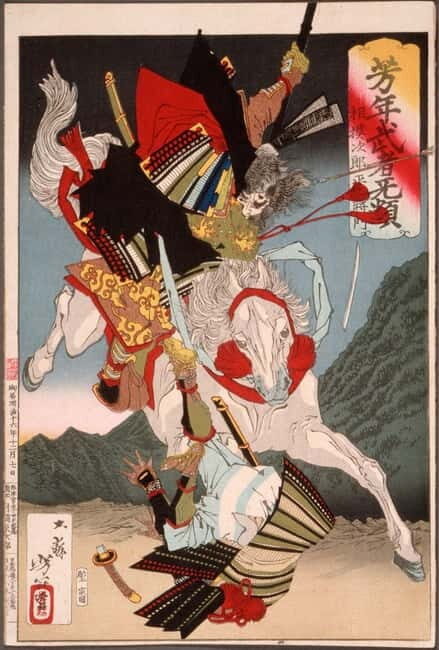
The final major stop is Sengaku-ji, focused on the 47 Ronin Gravesite. This is the emotional climax of the tour, because the story connected to those graves naturally raises the questions people have about samurai honor and duty.
In the 1-hour guided segment, you’ll be able to look closely at what the site represents while the guide explains how samurai history can be interpreted in different ways. This is where the tour’s promise about truth becomes most interesting: you’re not just hearing a legend, you’re hearing what makes the legend meaningful.
There are also practical costs here, so plan ahead. The Sengaku-ji cemetery and museum have separate entry fees (300 yen and 500 yen, respectively), and they aren’t included. If you want the full experience, budget for both. If you only want the gravesite area, you can still plan around that, but make sure you know what you’re paying for when you arrive.
You can also read our reviews of more historical tours in Tokyo

The real reason this tour works: John’s storytelling style
The biggest recurring strength is the guide. John is described again and again as friendly, energetic, and ready to answer questions. That matters, because samurai history can get complicated fast, and you don’t want the day to turn into a one-way monologue.
I also like the way John frames the big questions. The tour is built around your curiosity: were samurai virtuous and honorable, or were they common thugs? How did they form, and how did the system fall apart? When a guide uses those questions to connect sites, the history doesn’t feel like disconnected facts.
One more thing you’ll likely appreciate: John doesn’t just talk. He keeps the group moving while giving enough time to ask questions and process what you’re seeing. That’s a skill, especially in a city where you’re mixing walking with public transport.
Pacing a longer Tokyo walk: what to do with your legs
Even with occasional public transport, this is still a lengthy walking tour. It’s not ideal if you tire very easily, and the tour specifically notes it isn’t recommended for wheelchair users or people over 95.
If you’re near the middle of that range—maybe you’re fine on short walks but not marathon distance—here’s how to make it easier on yourself:
- Bring snacks from a convenience store before the start so you don’t feel rushed to find food mid-tour.
- Wear shoes you can walk in for a while, since the day includes a longer guided stop at Edo Castle ruins.
- If you need it, use the extra rests offered along the way.
And because you’re meeting at Tokyo Station area, you can often fix small issues quickly. If you forget something, there are lots of shops around the station, so you’re not stuck far from civilization.
Who this tour suits best (and who should skip it)
This tour makes sense if you want a guided route through Tokyo’s samurai storyline without building your own plan from scratch. It’s especially good for people who like direct answers and site-based explanations—standing where events connect to the larger timeline from the 900s to 1868.
It also works well for mixed groups, including families with teenagers, because the format is active and the guide’s Q&A style keeps attention from drifting. If you’re traveling as a couple or small group, you also have the option of private or small groups, which can make it easier to ask follow-up questions.
I’d skip it if you hate walking, because even with transport breaks, you still spend meaningful time on foot. And if you’re very limited mobility-wise, the tour isn’t built for that.
Should you book this Samurai History Walking Tour?
I’d book this tour if you want a compact, well-guided path through Tokyo’s samurai-era highlights, with John leading the storytelling and fielding questions. The value is strongest when you’ll actually use the guidance—when you like understanding context, not just seeing plaques.
You should think twice if you’re sensitive to longer walking days, because this route is described as relatively lengthy even with occasional public transport and rests. Also, factor in the extra costs at Sengaku-ji so you don’t get surprised at the end of the day.
If your goal is a smart, efficient history experience that ends at Takanawa Gateway Station, this tour is a practical pick. It’s built for people who want the story to make sense while they walk through Tokyo’s real historic spaces.
FAQ
How long is the Tokyo Samurai History Walking Tour?
It runs for 4 hours total.
Where do I meet the guide?
You generally meet outside the Marunouchi Central Exit of JR Tokyo Station.
Where does the tour end?
The tour finishes at Takanawa Gateway Station.
How much does the tour cost, and what’s included?
It costs $33 per person and includes the guide fee (one friendly, knowledgeable guide).
What costs are not included in the price?
Public transport is not included (about 400 yen per person is mentioned), and Sengaku-ji entry fees are not included (300 yen for the cemetery and 500 yen for the museum).
Is the tour guided in English?
Yes, it is an English live tour guide.
Are there food stops during the tour?
There generally are not food stops during the tour, so it’s recommended to pick up snacks beforehand and eat along the way if needed.
Is this tour suitable for wheelchair users or older guests?
No. It is not suitable for wheelchair users and is not recommended for people over 95.