REVIEW · TOKYO
Tokyo Shibuya Walking Tour With A Local Guide
Book on Viator →Operated by Guydeez · Bookable on Viator
Shibuya can feel like organized chaos. This 2-hour walk with a local guide turns that confusion into quick wins, starting with the legendary Shibuya Scramble Crossing and moving street-by-street to the places that actually matter. I like that you’re not left to guess your way through crowds, signage, and station-adjacent detours. I also like that the route mixes classic icons with practical hangouts, so you get both context and real orientation.
One of the best parts is the people behind the tour. Names like Fabian, Riccardo, Mark, and Francisco show up in past guide experiences, and the tone is consistently friendly and easy to follow. The tour’s small-group or private setup also helps if you want the pace adjusted or your stops emphasized.
A potential drawback: this is an outdoor city walk, not a museum or monument tour, and food/drinks aren’t included. If you’re hoping for tastings or paid-entry attractions inside, you’ll need to plan that separately (or confirm what’s possible when you book).
In This Review
- Key highlights you should know
- Shibuya in Two Hours: what this tour is really for
- Where You Meet on Dōgenzaka (and how to not panic)
- Stop 1: Shibuya Scramble Crossing, the photo spot you can actually enjoy
- Stop 2: Hachiko statue—more than a sweet story
- Stop 3: Center-gai (Center Street) for shops, cafes, and street energy
- Stop 4: Shibuya Mark City—how the big complex fits the neighborhood
- Stop 5: Shibuya 109—youth fashion and that cylindrical shape
- Stop 6: A scenic Shibuya view—your big-picture finish
- Guide quality and the customization factor that changes the whole day
- Price and value: why $30-ish makes sense here
- What’s included (and what you’ll need to handle yourself)
- Group vs private: who should pick what
- A small caution: when expectations don’t match the tour
- Should you book this Shibuya walking tour?
- FAQ
- How long is the Tokyo Shibuya Walking Tour?
- What are the main stops on the tour?
- What languages are the guides?
- Is food or drinks included?
- Where does the tour start and end?
- Can I cancel for a full refund?
Key highlights you should know

- Shibuya Scramble Crossing without the chaos: you pass the iconic pedestrian scramble with guidance on where to look and how to move.
- Hachiko + station orientation: the stop near Shibuya Station anchors your bearings fast.
- Center-gai on foot: a pedestrian street stretch packed with shops and cafes, easy to explore after the tour.
- Shopping anchors that set the mood: Shibuya Mark City and Shibuya 109 help you understand what Shibuya is like day to day.
- A final elevated view option: you end with a scenic look at the district (where exactly depends on the location).
Shibuya in Two Hours: what this tour is really for
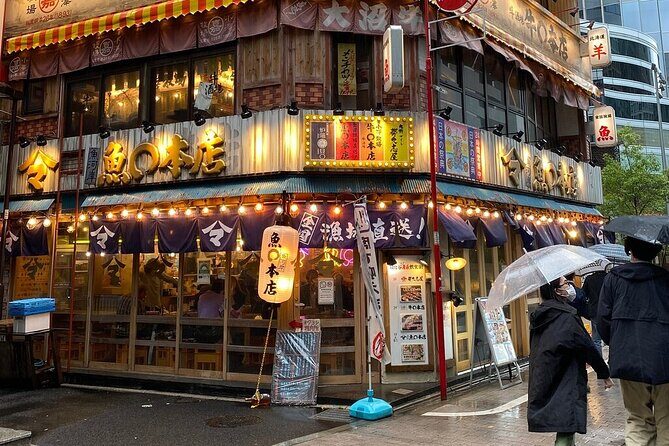
This tour is built for one job: making Shibuya feel manageable quickly. Shibuya has layers—station exits, shopping complexes, side streets, and big-name landmarks all in one tight area. A guided loop gives you a map you can actually remember later, without turning the day into a checklist marathon.
You’ll spend about two hours walking, with roughly 20 minutes per stop. That pacing is ideal if you want the big photo moment, a few cultural touchpoints, and the feel of the neighborhood, all without committing to a long day out.
And because the meeting and ending point are the same, you don’t have that stress of wondering how to “get back” after you’ve wandered a bit.
You can also read our reviews of more walking tours in Tokyo


Where You Meet on Dōgenzaka (and how to not panic)
The tour starts in Shibuya at Dōgenzaka, 2-chōme, near the Hachiko exit, specifically listed as:
Japan, 150-0043 Tokyo, Shibuya, Dōgenzaka, 2-chōme 59, 渋谷ハチ公口店A
If you’ve ever exited Shibuya Station and thought, I’m definitely going the wrong way, this meeting point helps. It’s tied to the Hachiko area you’ll see later, so it all connects.
Tip: arrive a few minutes early and take a quick look at the street-level signage near the Hachiko exit area. Even when your route is guided, being calm at the start makes everything easier.
Stop 1: Shibuya Scramble Crossing, the photo spot you can actually enjoy
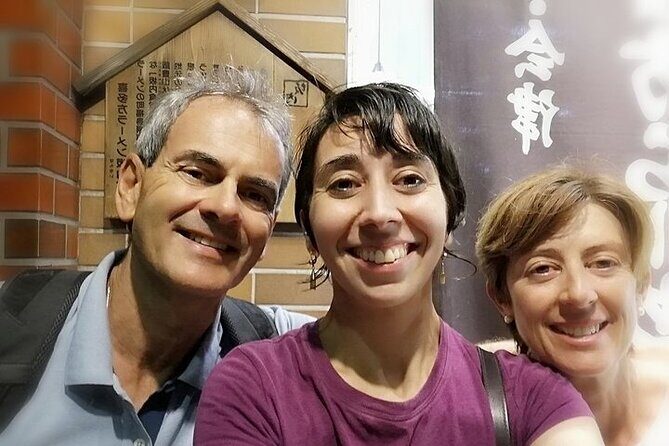
The first stop is the one everyone recognizes: Shibuya Crossing. It’s famous for a reason—an enormous pedestrian scramble where crowds move in waves. From street level, it can be overwhelming, especially if you’re trying to time photos and not get swept into traffic.
With a guide leading the way, you don’t just stand there and hope for the best. You pass the crossing as part of a planned route, which helps you:
- get the iconic view without walking in circles
- understand where to look as people start crossing
- move onward smoothly before the area gets too packed
This stop is also listed with free entry, so you’re spending your time on the experience, not tickets.
Stop 2: Hachiko statue—more than a sweet story
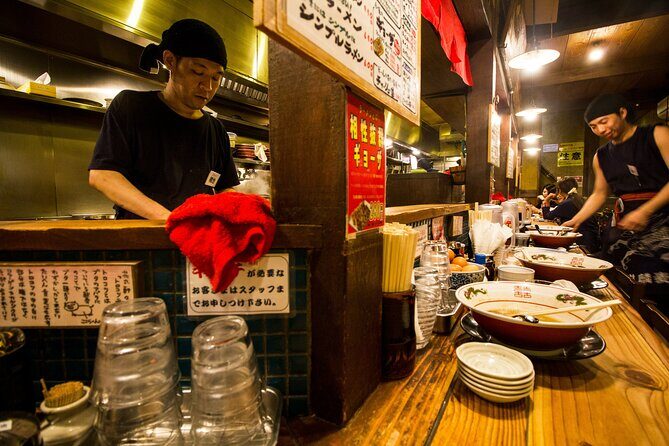
Next up is Hachiko, the statue near Shibuya Station. Hachiko is a loyal Akita dog remembered for faithfully waiting for his owner, day after day. In Shibuya, that story matters because it turns the station area from just a transit hub into a place with meaning.
What I like about including Hachiko early: it gives you a local emotional anchor right where you’re already trying to orient yourself. You’re learning the neighborhood while also grounding your location. If you’re the type who later wants to connect landmarks to memory, this helps a lot.
Like the crossing, the stop is listed as free admission.
Stop 3: Center-gai (Center Street) for shops, cafes, and street energy
Then you move into Shibuya Center-gai, a pedestrian street lined with shops, cafes, and entertainment venues. This is where Shibuya starts feeling less like a set of famous points and more like a place people actually hang out.
Center-gai is also helpful after the tour. Once you’ve seen it with a guide, you’re more confident going back on your own for:
- casual window shopping
- a quick snack break
- browsing stores you might not have noticed from a main street
If you’re worried about the tour feeling too touristy, Center-gai is the antidote—its whole vibe is ordinary Shibuya life.
This stop is also listed as free, and it’s designed as a walking segment, not a long detour.
You can also read our reviews of more guided tours in Tokyo




Stop 4: Shibuya Mark City—how the big complex fits the neighborhood
From Center-gai, you head toward Shibuya Mark City, a multi-use complex near Shibuya Station. You’ll see how it plugs into the surrounding district, with shopping and dining plus other entertainment-oriented space.
Why this matters: big complexes can look random from the outside if you don’t know what you’re looking at. With the guide, Mark City becomes a clue about Shibuya’s rhythm—things are layered vertically and concentrated close to transit.
Also, this is one of those stops where you might get inspired to return later. If you enjoy exploring specific places rather than just drifting, Mark City can give you a target.
Stop 5: Shibuya 109—youth fashion and that cylindrical shape
Next is Shibuya 109, a department store known for fashion aimed largely at young women. Its distinctive cylindrical building and multiple floors make it an easy visual marker in the Shibuya skyline.
Even if you don’t plan to buy anything, this stop is useful. It teaches you how Shibuya labels itself. The area is not just about famous intersections; it’s also a retail culture with identity.
This is a stop that works well if you like:
- people-watching
- browsing store styles from the outside
- understanding what Shibuya is known for in daily life
You’ll keep moving rather than being stuck inside a building for the whole tour window, which helps you retain momentum for the final viewpoint.
Stop 6: A scenic Shibuya view—your big-picture finish
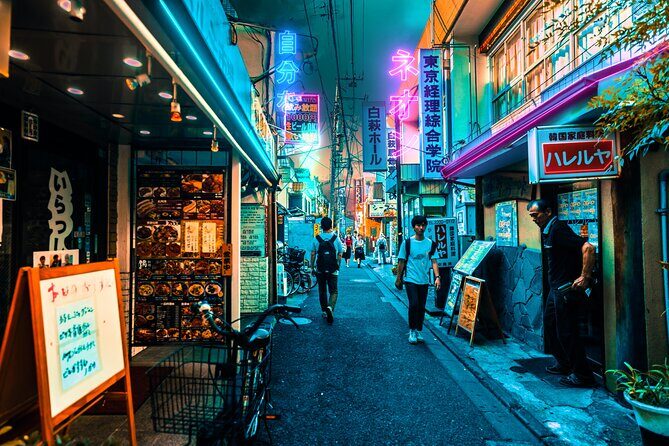
The last stop is described as a scenic view in Shibuya, depending on the specific location the guide chooses. The idea is that you’ll end with panoramic or elevated glimpses of the district.
This is a smart closing move. After walking street-level and storefront-level Shibuya, you get a wider frame. Even if you only get a partial view, it helps you connect the dots:
- where the crossing sits relative to the station area
- how Center-gai fits the wider streetscape
- why these complexes feel tightly grouped
This stop is also listed as free admission.
Guide quality and the customization factor that changes the whole day
This is not a scripted “stand here, listen, take photo” tour. It’s described as a customizable walking tour, with the option to choose between private or small group.
That matters because Shibuya can be personal. Maybe you care more about transit logistics. Maybe you want fashion retail. Maybe you prefer a smoother pace with less crowd pressure. The tour is set up so the guide can adjust within the general route.
Language support is also a real plus: guides speak English, Spanish, French, and Italian in person. If you’re not comfortable with Japanese or you want nuance instead of a phrasebook, that’s a big quality-of-life upgrade.
From past experiences with guides like Fabian, Riccardo, Mark, and Francisco, the tone seems to blend knowledge with easy conversation. And importantly, guides are described as responsive listeners, which helps if you ask where to eat or what to do next.
Price and value: why $30-ish makes sense here
At $30.03 per person for about two hours, you’re paying for time, route planning, and local interpretation. The stops included here are largely free to visit from an admission standpoint, so the “cost” is mostly about paying a guide to:
- manage crowd navigation
- keep you from wandering wrong streets
- explain what you’re seeing and why it matters
- connect landmarks into a mental map
Group discounts are mentioned, which can be a nice perk if you’re traveling with a friend. Also, this includes a mobile ticket, which is convenient if you prefer not to juggle printouts.
What’s not included is equally important for value. Transport costs during the tour are listed as your expense, and food/drinks aren’t included. So think of this as the orientation and landmark layer. You’ll still fund your own meals and transit like a normal day out.
What’s included (and what you’ll need to handle yourself)
Included:
- A walking tour through the Shibuya area
- Private or small group options
- In-person guide in English, Spanish, French, or Italian
- Help from the team to book tickets for desired visits
- Mobile ticket
Not included:
- Food and drinks
- Optional tips
- Entry to monuments and museums
- Transportation during the tour
A key reality check: it’s a city walk, not a tour inside monuments. So if your ideal Shibuya day is heavily museum-based or includes paid attractions, this won’t fully replace that plan.
Also, Shibuya includes lots of shops. If you decide you want to go inside stores or try a cafe mid-tour, that’s on your schedule. The tour is structured around passing and stopping at key points, not shopping marathons.
Group vs private: who should pick what
Private works best if you want:
- a more tailored pace
- easier conversation with fewer group constraints
- flexibility if you’re arriving or leaving at slightly different times
Small group can be great if you:
- want a guided experience but are comfortable around other people
- prefer spending less while still getting local direction
The group option notes a minimum of 2 participants. If you’re traveling solo, private may be the smoother choice if you want to guarantee the format you want.
Either way, the tour is described as a private activity where only your group participates, so it’s not mixed into random crowds.
A small caution: when expectations don’t match the tour
There’s one mismatch that pops up in the written feedback: a person was upset about food being served and confusion around pricing. The tour itself is clearly described as a walking tour with landmarks and local guidance, and food isn’t listed as included.
So my practical advice is simple: before you go, read the inclusions and make sure you’re booking the walking-landmarks experience, not a food-focused one. If you want snacks or bar time, plan that as a separate add-on after the tour.
That single clarification can save a lot of frustration.
Should you book this Shibuya walking tour?
Yes, if you want Shibuya to click fast. This is a solid choice for first-time visits because it nails the big iconic sights (Scramble Crossing and Hachiko) while also showing the everyday Shibuya layout through Center-gai, Mark City, and Shibuya 109. The guide support and customizable approach are what make the time feel efficient.
It might not be the best fit if you’re chasing museum-quality stops, paid interiors, or a food-and-drink plan built into the schedule. In that case, you’ll likely want a different style of tour.
If you’re on the fence, book this for your first or second day in Tokyo-area sightseeing. Getting oriented early makes the rest of your Shibuya plans feel less like guessing and more like you know exactly where you are.
FAQ
How long is the Tokyo Shibuya Walking Tour?
It’s listed as about 2 hours.
What are the main stops on the tour?
You’ll visit Shibuya Scramble Crossing, the Hachiko statue, Shibuya Center-gai, Shibuya Mark City, Shibuya 109, and then a scenic viewpoint in Shibuya (location varies).
What languages are the guides?
The tour offers English, Spanish, French, and Italian speaking guides.
Is food or drinks included?
No. Food and drinks are not included, and tips are optional.
Where does the tour start and end?
It starts at Japan, 150-0043 Tokyo, Shibuya, Dōgenzaka, 2-chōme 59 渋谷ハチ公口店A, and it ends back at the meeting point.
Can I cancel for a full refund?
Yes. You can cancel up to 24 hours in advance for a full refund. If you cancel less than 24 hours before the start time, the amount paid isn’t refunded.