Kyoto by bike changes everything fast. This private e-bike tour strings together iconic sights and the calmer backstreets between them, with a guide who tailors the pace to your interests. I especially love how the route blends major landmarks (hello, Kiyomizudera) with lesser-stomped streets, and how Yonni breaks down Buddhist and Shinto ideas in plain, practical terms. One thing to consider: you’re on a bike most of the time, so you’ll want comfortable comfort with riding for a few hours.
The stops are short, the walking is manageable, and you get plenty of chances to stop for photos without feeling herded. Expect an easy, eco-friendly way to cover ground—then slow down where Kyoto actually shines: gates, gardens, river edges, and those in-between moments you’d miss on foot or in a bus.
In This Review
- Key things to notice before you go
- Why an e-bike works so well for Kyoto’s temple hopping
- Meet your guide: Yonni and a route built around you
- Kiyomizudera viewpoints: start with a big Kyoto moment, then breathe
- Chion-in’s Sanmon gate: the size you notice first
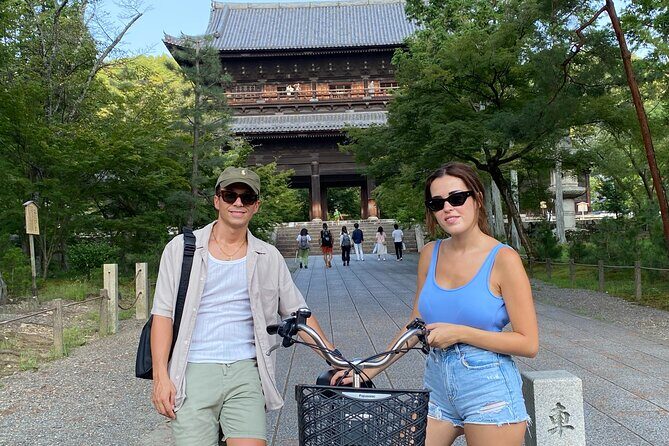
- Nanzen-ji: spacious grounds and the view from the upper Sanmon
- Heian Jingu’s giant torii and a quick Gion street pause
- Kamogawa stepping stones: where you slow down and watch Kyoto live
- Shimogamo Jinja: an ancient forest shrine that feels like a reset
- Demachi Futaba mochi stop and Somei Well’s Edo water story
- Kyoto Gyoen National Garden: ride through calm near the Imperial Palace
- What the ride time really feels like (3 to 5 hours)
- Price and value: is $123.57 per person worth it?
- Who should book this Hidden Kyoto e-bike ride?
- Should you book Hidden Kyoto by E-Bike?
- FAQ
- How long is the Explore Hidden Kyoto by E-Bike tour?
- Is this a private tour?
- What languages does the guide speak?
- Are entrance fees included for temples and shrines?
- Are meals or drinks included?
- Does the tour include the e-bike rental and insurance?
- Is there a mobile ticket?
- What happens if the weather is bad?
- How far in advance is this tour typically booked?
Key things to notice before you go
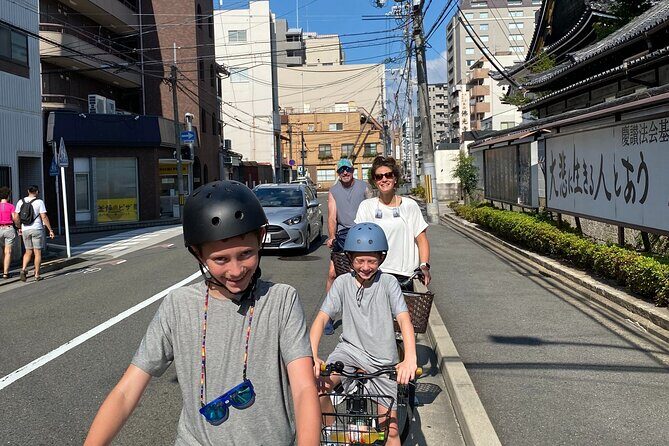
- Private, small-group feel: it’s just your group, so your guide can slow down for questions (and kids).
- Yonni-style storytelling: explanations of Buddhist and Shinto traditions come in clear, engaging chunks.
- Iconic sights plus quiet side streets: you hit big names, but also the calmer routes between them.
- Easy e-bike assist: less strain means more time enjoying the views and less time surviving the hills.
- Temples, shrine gates, and Kyoto street life: from Sanmon gates to Hanamikoji cobblestones to the Kamogawa stepping stones.
Why an e-bike works so well for Kyoto’s temple hopping
Kyoto is beautiful, but it can also be exhausting. Distances add up fast, sidewalks get crowded, and “just one more stop” turns into a leg workout.
On an e-bike, you keep your energy for the parts you came for—looking closely at architecture, taking photos, and reading the atmosphere at each shrine gate or temple approach. Even better: the ride itself becomes part of the experience. You glide through quieter alleys and scenic streets where you can actually hear yourself think.
And yes, you’ll still see major landmarks. But you’ll reach them without the stress of trying to outwalk everyone else, and without losing your day to constant transfers.
You can also read our reviews of more cycling tours in Kyoto


Meet your guide: Yonni and a route built around you
This tour is designed around personal pacing. Your guide chooses a route based on what you care about—photography, history, or local culture—and then adjusts as you go.
In the reviews, Yonni comes up again and again. Families especially like her approach: she keeps kids engaged, and she’s comfortable shifting gears when it’s hot. If you’re the type who likes to ask questions, this is the kind of guide who actually answers them, not just points at the next gate.
Language support is also a real plus. You can expect an English, Indonesian, and Malay-speaking guide, which makes the religious and cultural explanations much easier to follow.
Kiyomizudera viewpoints: start with a big Kyoto moment, then breathe

You begin near Kiyomizudera Temple, one of Kyoto’s most recognizable sights. The timing here matters. Instead of charging straight into crowds, you get a viewpoint where your guide sets the story and context—so you know what you’re looking at when you’re there.
It’s about 45 minutes at this first stop, and it’s the part of the day where you’ll feel Kyoto’s scale: the iconic wooden stage views over the city, and the sense that this temple has been a focal point for visitors for generations.
Practical note: admission isn’t included at this stop, so you’ll want to decide on the spot whether to enter. If you’re trying to keep costs down, you can still get a lot from the viewing experience and explanation time.
Chion-in’s Sanmon gate: the size you notice first
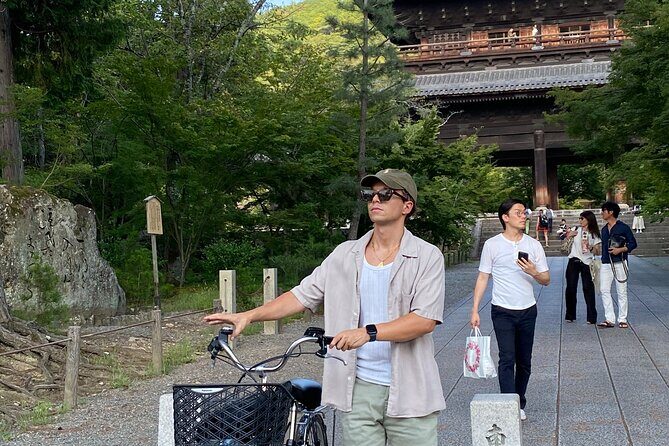
From there, you move to Chion-in Temple, stepping through the Sanmon Gate—described as the largest wooden gate in Japan. That detail is useful because it tells you what to look for: the sheer mass of the gate and the way it frames the path inside.
This stop is shorter—about 15 minutes—but it’s not just a quick photo break. Your guide leads you into the main temple area and talks about the Jodo Pure Land tradition. For first-timers, that’s exactly the kind of grounding that makes the rest of Kyoto click. You’re not just sightseeing—you’re understanding the why behind the structures.
Good news: this stop lists admission as free, so it’s a low-cost way to make the temple part of your day feel more meaningful.
Nanzen-ji: spacious grounds and the view from the upper Sanmon
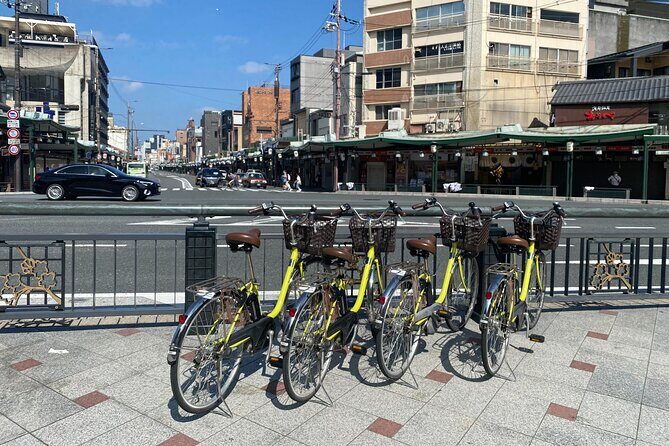
Next up is Nanzen-ji Temple, where the experience starts before you even reach the main grounds. The Sanmon Gate sets the tone, and your guide points out the viewpoint option from the gate’s upper level.
You’ll spend around 30 minutes here. That time is enough to walk the outer areas, enjoy the scale of the grounds, and take photos without turning it into a marathon.
Admission is marked as free for this stop. That’s a nice balance: you’re getting a major Kyoto temple experience without paying another entry fee immediately after Kiyomizudera.
You can also read our reviews of more private tours in Kyoto



Heian Jingu’s giant torii and a quick Gion street pause
Then you ride to Heian Jingu Shrine’s Grand Torii. This is the kind of object you can’t ignore: it’s 24 meters tall and painted that strong vermilion that Kyoto is famous for. Even if you don’t know the details yet, the gate gives you an instant sense of ceremony.
This is a brief stop—about 10 minutes—and it works well as a reset between temple-heavy segments and the more street-focused Kyoto moments to come.
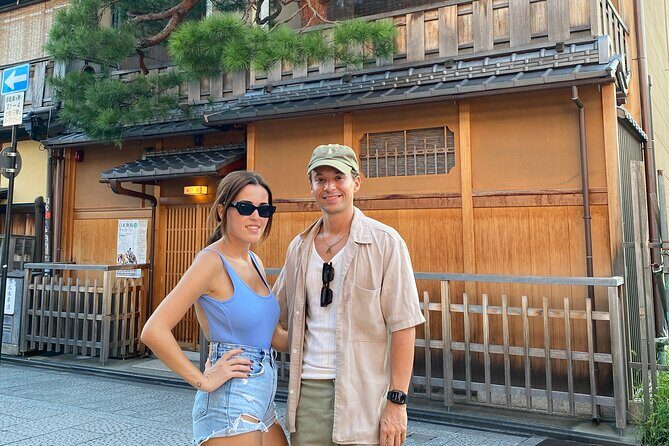
After that, you pause on Hanamikoji Street in the Gion district. It’s a historic cobblestone avenue with traditional wooden townhouses, and your guide shares stories tied to Kyoto’s performing arts culture (including the role of geiko/geisha districts, explained in a way that’s understandable without getting too academic).
That’s about 10 minutes as well. Think of it as: short, visual, and story-rich—perfect right before you head toward the river.
Kamogawa stepping stones: where you slow down and watch Kyoto live
Next you get to the Kamogawa River stepping stones, one of those Kyoto spots that feels small until you’re actually there. Your guide brings you to a place where both locals and visitors cross carefully, hopping stone to stone.
This stop is a chance to stop rushing. The pacing here matters because the best part isn’t only taking photos—it’s noticing how people move, how the river edge looks in different light, and how the city changes when you’re near water.
You also get a peaceful break between shrines and the next bigger cultural stop. In hot weather, moments like this can be a relief.
Shimogamo Jinja: an ancient forest shrine that feels like a reset
Then comes Shimogamo Jinja, where the surroundings do half the work for you. Your guide stops at the entrance of one of Kyoto’s oldest and most important Shinto shrines, located in an area surrounded by an ancient forest.
This is a 45-minute stop, which tells you the tour’s intention: they’re not treating Shimogamo as a checkbox. You get time to take in the approach, listen to the explanation, and feel the quieter mood that big-name Kyoto can sometimes lose.
This shrine is also listed as UNESCO World Heritage, which adds context for why it’s protected and why it matters beyond Kyoto’s local community.
Admission is free, so it’s a great place to spend your time without adding costs.
Demachi Futaba mochi stop and Somei Well’s Edo water story
After Shimogamo, you head toward Demachi Futaba, a traditional wagashi shop known for its long legacy—nearly 200 years. The stop lasts about 30 minutes, which is enough time to browse and take your time deciding what to try.
One theme from the reviews: people love having a chance to taste sweets—especially mochi. Since meals and drinks aren’t included in the tour, you’ll likely be paying for what you choose. But this kind of food stop is exactly why a small private tour beats a rush-through bus day: you actually get the time to linger and taste.
Then you reach Somei Well, a historic water source near Kyoto Gyoen Park. It dates to the early Edo period—around the 1600s—and your guide connects the idea of the well to why fresh water mattered long before bottled water was a thing.
This is a 10-minute stop with free admission listed, so it’s a quick, low-effort story break that adds depth without slowing the whole day down.
Kyoto Gyoen National Garden: ride through calm near the Imperial Palace
Finally, you pass through Kyoto Gyoen National Garden, the peaceful park area around the Kyoto Imperial Palace. Your guide leads you through for about 30 minutes, mixing time on the bike with brief pauses.
This part feels like a breather. You get greenery and space without it turning into a long nature hike. It’s a good way to end the day because it’s quieter than the streets and more open than temple entryways.
And because you’re still moving, the “Kyoto feeling” stays active—rather than the tour ending in a dead stop where everyone is just tired and hungry.
What the ride time really feels like (3 to 5 hours)
The tour runs about 3 to 5 hours, and in practice it depends on how your guide adjusts pacing. In hot weather, you can expect breaks and a more relaxed tempo. That matters because an e-bike makes distance easier, but it doesn’t automatically make heat disappear.
You’ll also notice that many stops are short, which helps keep energy up and attention sharp. This is especially helpful if you’re traveling with kids or anyone who doesn’t love long museum-style hangs.
If you’re the type who likes photos, the timing is good. There are multiple “pause points” where you’re not just riding past—your guide stops you at angles and locations that make sense.
Price and value: is $123.57 per person worth it?
At $123.57 per person, you’re paying for a few key things that add value beyond just getting from A to B.
First, the e-bike rental and insurance are included. That’s not a small detail in Kyoto, where bike access and rental logistics can get confusing fast if you’re doing it yourself.
Second, you get a private guide experience. The guide can tailor the route to your interests, and you’re not stuck following one pace for a mixed group. That personalization is where the cost often pays back, especially for families or photographers.
Third, there’s multilingual guiding (English, Indonesian, and Malay). Clear explanations make you feel like you’re understanding Kyoto, not just touring it.
Costs to watch: temple/shrine entrance fees aren’t included if you choose to enter, and meals/snacks/drinks aren’t provided. In other words, your money covers the guide and bike, while your personal choices handle admissions and food.
For many people, the best way to judge value is simple: if you want a guided, efficient day that also feels calm and local, this price is reasonable. If you only want the biggest sights and you don’t care about explanations, you might find cheaper self-guided options.
Who should book this Hidden Kyoto e-bike ride?
You’ll likely love this tour if you’re:
- A first-time Kyoto visitor who wants major landmarks without a crowd-heavy day
- A family traveling with kids (the pacing is built for shorter attention spans)
- Someone who wants quiet temples and shrine gates plus cultural street moments
- A photographer who benefits from frequent, sensible stops
You might want to rethink it if:
- You don’t want to ride a bike for most of the tour
- You’re only interested in paying for full temple interiors and don’t care about viewpoints, gardens, and stories
Should you book Hidden Kyoto by E-Bike?
If your goal is a Kyoto day that feels thoughtful, not rushed, I think this is an easy yes.
The best reason to book: the combination of private guiding + e-bike ease + multiple story-rich stops. You get iconic Kyoto sights, but you also get the quieter rhythm between them—river stones, forest shrine air, garden calm, and a wagashi stop that turns the day from sightseeing into living.
Book it if you can handle bike time and you want explanations you can actually understand. And if the idea of heat and long walking worries you, the e-bike setup and guide-adjusted pace are exactly the kind of practical help that makes the day enjoyable.
FAQ
How long is the Explore Hidden Kyoto by E-Bike tour?
It runs for about 3 to 5 hours.
Is this a private tour?
Yes. It’s a private experience, so only your group participates.
What languages does the guide speak?
The guide speaks English, Indonesian, and Malay.
Are entrance fees included for temples and shrines?
Entrance fees are not included. Some stops are listed as free admission, but others (like Kiyomizudera) are not.
Are meals or drinks included?
No. Meals, snacks, and drinks fees are not provided.
Does the tour include the e-bike rental and insurance?
Yes. E-bike rental and insurance are included.
Is there a mobile ticket?
Yes. You’ll receive a mobile ticket.
What happens if the weather is bad?
The experience requires good weather. If it’s canceled due to poor weather, you’ll be offered a different date or a full refund.
How far in advance is this tour typically booked?
On average, it’s booked about 21 days in advance.