REVIEW · TOKYO
Japanese Home Cooking Class with Local Supermarket Visit
Book on Viator →Operated by YUCa's Japanese Cooking · Bookable on Viator
A home-cooking class is the shortcut to real Japan. In this Tokyo session with YUCa, you’ll learn Japanese home cooking with menu planning, nutrition balance, and seasonal ingredients, plus a visit to a local supermarket right after. What I like most is how practical it feels (you make the food, not just watch) and how patient Yuca is with questions, even from families. The one thing to consider: the class centers on traditional home dishes that may include meat and fish, so check about dietary needs before you book.
You start at YUCa’s kitchen in Arakawa, Tokyo, and the whole experience runs about 2 hours 30 minutes. You get lunch made in class, and you also leave with instructions meant for cooking at home—so you’re not stuck with only memories.
With a maximum group size of 7 travelers, the pace stays friendly and the kitchen stays calm. That matters more than people think, because hands-on cooking goes smoother when you can actually ask, redo a technique, and get un-stuck fast.
In This Review
- Key Things You’ll Notice Right Away
- Entering YUCa’s Kitchen in Arakawa (and Why Location Matters)
- What You Actually Learn: Japanese Home Cooking Logic
- Hands-On Cooking That Stays Friendly (Even for Families)
- Lunch in the Middle: Eating Your Work, Not Just Watching
- After Cooking: The Local Supermarket Visit (Where the Lesson Continues)
- Price and Value: Why $162.88 Can Make Sense
- Timing and Logistics: How to Plan Your Day Smoothly
- What to Bring (and What to Expect from the Kitchen)
- Who This Tour Fits Best
- Should You Book This Japanese Home Cooking Class and Supermarket Visit?
- FAQ
- FAQ
- How long is the Japanese Home Cooking Class with Supermarket Visit?
- What is included in the price?
- Do I visit a supermarket during the experience?
- Where does the tour start?
- What time does the experience begin?
- How many people are in the group?
- Is cancellation free if plans change?
Key Things You’ll Notice Right Away
- Small group size (max 7) makes it easier to get real help while you cook
- YUCa’s patient, question-friendly teaching style helps beginners keep up
- Menu planning + nutrition balance turns recipes into decisions you can repeat later
- Hands-on dishes with home-cooking focus, with examples like gyoza, ramen, and Japanese omelettes
- Supermarket visit adds value by showing what ingredients to buy and how to think about them
- Clean, cozy kitchen setup feels comfortable for couples and families
Entering YUCa’s Kitchen in Arakawa (and Why Location Matters)
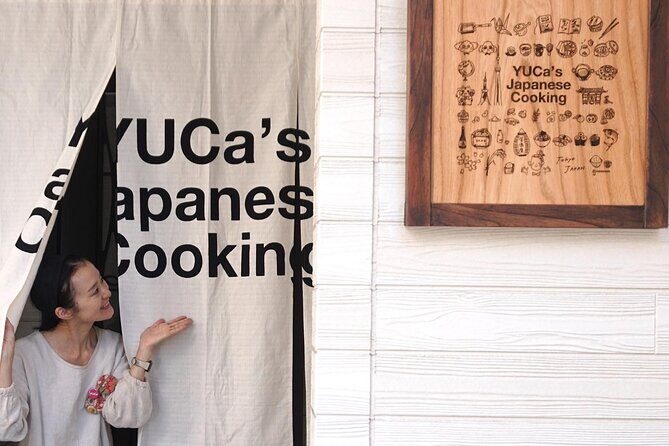
This class takes place in YUCa’s home-cooking space in Nishiogu, Arakawa City, Tokyo. The address is simple to find and you’re told it’s near public transportation, which is key in a city where crowds can make planning feel stressful.
Starting around 10:00 am also helps. You’re not racing across town late in the day, and you’ll have lunch during the experience, not later as a separate plan. For first-timers in Tokyo, this timing can make the day feel more manageable.
One smart part of the format is that you finish back at the meeting point. That means you’re not scrambling to figure out a complex end-of-day route while your brain is already full of new smells, cooking tips, and store-bought ingredients.
You can also read our reviews of more cooking classes in Tokyo
What You Actually Learn: Japanese Home Cooking Logic
A lot of cooking classes give you recipes. This one tries to give you a way of thinking.
You’ll learn about menu planning, including how Japanese home cooks balance a meal instead of treating dishes as random stand-alone items. You’ll also cover nutrition balance and how seasonal ingredients show up in everyday cooking. That’s a big deal because it changes your shopping and your cooking decisions later.
You can expect the cooking to center on traditional home foods, using meat, fish, and vegetables. The mix matters because Japanese home cooking often aims for variety across textures and flavors—something you’ll see while you prepare your dishes.
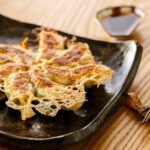
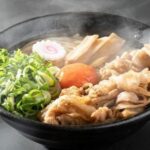
And from what you’ll likely make, it’s not just fancy restaurant-style plating. People have mentioned learning dishes like gyoza, ramen, Japanese omelettes, pork katsu, and walnut miso sauce. Those are practical home foods: they teach technique, and they’re recognizable enough that you can replicate them at home.
Hands-On Cooking That Stays Friendly (Even for Families)
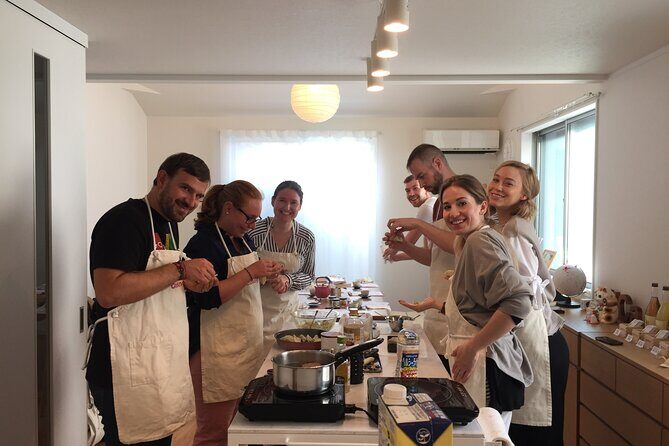
This class works because it doesn’t feel like a performance. It’s a working kitchen lesson.
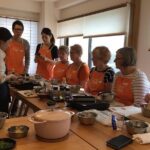
With a maximum of 7 travelers, you get more attention than you would in a big group. That shows up in the way the teaching works: you can ask questions and get answers that actually fix what you’re doing right now. Yuca is known for being patient, including with people who are new to cooking.
If you’re traveling with kids, this is also a good fit. Reviews mention families with elementary-age children and note that Yuca includes kids in the cooking process. That doesn’t mean it’s a theme-park activity—cooking is still cooking—but it suggests the environment is flexible enough for mixed groups.
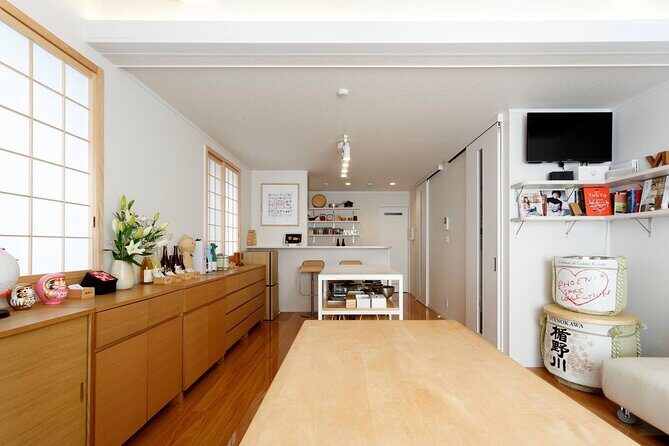
It also helps that the space is described as clean and cozy. Cooking classes can feel chaotic if the kitchen is cramped or messy, but a calm setup makes the techniques easier to follow.
Lunch in the Middle: Eating Your Work, Not Just Watching
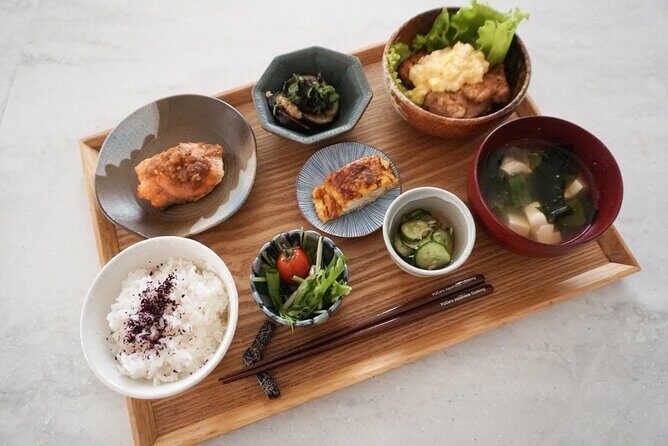
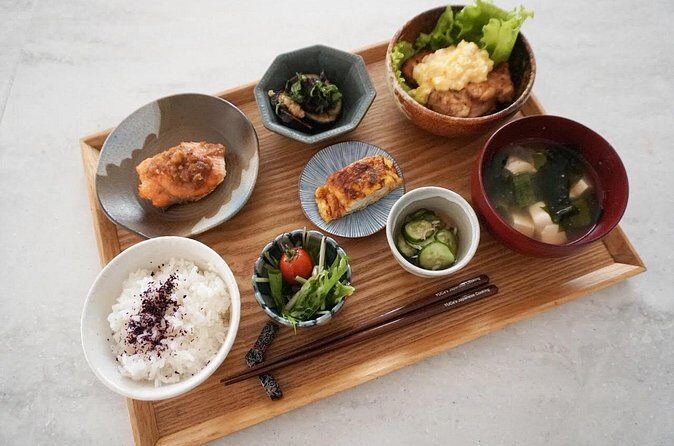
Lunch is included, and it’s made as traditional Japanese home meals during the class. That’s one of the most underrated benefits of a cooking experience like this: you learn faster when you taste while things are still fresh in your mind.
Eating what you make also makes the class more satisfying for non-cooks. Even if you’re not confident with knives or stovetops, you’re still part of the process. And you get to see how Japanese home flavors come together—often with lighter balance than some Western expectations.
Because the focus includes nutrition and seasonal ingredients, lunch isn’t just filling. It’s built to reflect how real households think about a meal: variety, texture, and a sensible balance.
After Cooking: The Local Supermarket Visit (Where the Lesson Continues)
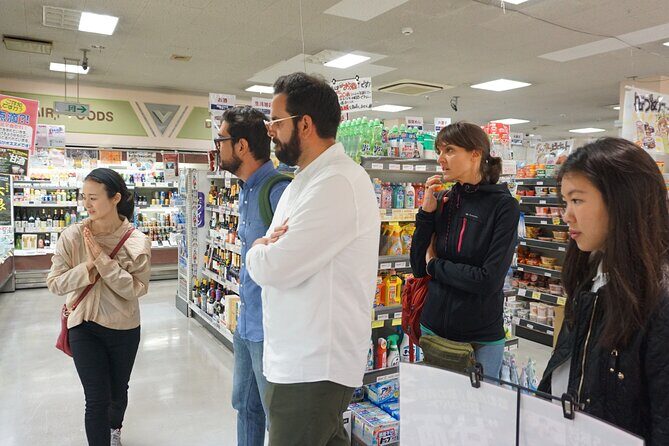
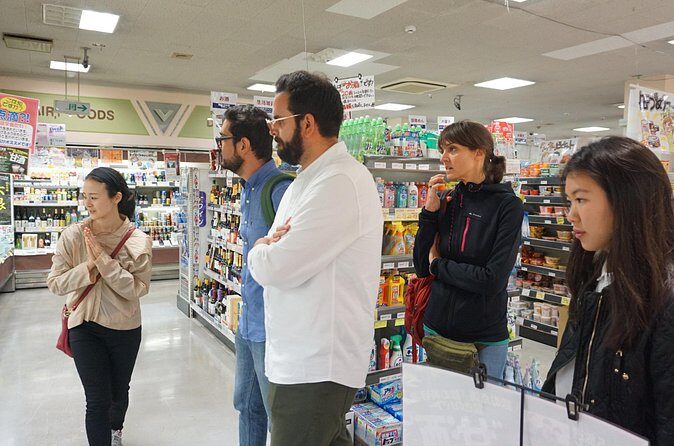
The class doesn’t end when you clean up. You visit a local supermarket after the cooking portion, which is where the trip becomes more useful than just a one-time meal.
This stop helps you translate what you learned into real shopping decisions. You’ll see ingredients in the environment where Japanese cooks actually buy them, not in a gift shop or a specialty display that’s priced for tourists.
It’s also a chance to pick up small items you can realistically use at home. Reviews highlight that the supermarket part can feel helpful and even fun—like choosing souvenirs, except the souvenir is something you’ll use later.
One practical upside: supermarket shopping forces you to consider what you can substitute. If you’re cooking at home, your local store won’t always carry the exact same product, so it’s useful to see the range and learn what each ingredient is doing in a recipe.
A few more Tokyo tours and experiences worth a look



Price and Value: Why $162.88 Can Make Sense
At $162.88 per person, this isn’t a budget activity. But it’s also not overpriced in a way that feels disconnected from what you get.
You’re paying for several things bundled together:
- A guided cooking lesson with YUCa
- Lunch included (traditional home meals made during the class)
- Take-home instructions so the learning sticks
- A supermarket visit that turns cooking into buying and planning
The small group size (max 7) also matters. Better access to a teacher usually means less frustration, fewer mistakes, and more actual learning. When you’re paying for skill, attention is part of the value.
If you’re the type who loves food, wants to cook after the trip, and likes understanding how everyday life works—not just what to see—this price can feel fair.
If you’re expecting a quick taste-test tour, you might feel like it’s more work than you want. But if you’re genuinely interested in home cooking, the structure is the point.
Timing and Logistics: How to Plan Your Day Smoothly
The experience runs about 2 hours 30 minutes, starting at 10:00 am. That’s a solid chunk of time that usually fits well between morning sightseeing and afternoon plans.
Because it ends back at the meeting point, you’re less likely to lose time figuring out transportation at the end. The class is also described as near public transportation, which is helpful if you’re using transit rather than relying on taxis.
Also note the tour uses a mobile ticket, which tends to make day-of entry easier than printing or scanning paper tickets. Not a huge deal, but it reduces friction when you’re already navigating Tokyo.
Given how cooking takes focus, I suggest you arrive a bit early. A few minutes to settle, meet your instructor, and get your bearings will make the first steps feel calm instead of rushed.
What to Bring (and What to Expect from the Kitchen)
The details on what to bring aren’t listed here, so I’ll stick to what’s implied by the format: you’ll be cooking, so wear clothes you don’t mind getting a little food-scented and comfortable enough for standing.
Don’t stress about being a confident cook. This class seems designed to guide beginners. Reviews mention people who were very interested in learning traditional Japanese cooking and those who loved how the dishes felt easy to make at home afterward.
You should also expect to take notes. Even if the class is hands-on and fun, it’s still a real cooking lesson. The best results come when you jot down key steps and flavor ideas while they’re fresh.
Who This Tour Fits Best
This is a strong match if:
- You want real home cooking techniques, not just restaurant-style food
- You love learning why Japanese meals are built the way they are
- You want a take-home result, with instructions you can use later
- You’d enjoy a small, friendly group setting
- You’re traveling with family and want a kitchen activity that includes kids
It may be less ideal if:
- You prefer pure sightseeing over hands-on work
- You need strict dietary accommodations and want certainty beyond meat/fish/vegetable-based menus (check before booking)
- You’re not interested in doing cooking at home after the trip
Should You Book This Japanese Home Cooking Class and Supermarket Visit?
Yes—if you want your Tokyo trip to include something practical you can repeat.
This works because it links three useful pieces: learn the meal logic, cook the dishes, then see the ingredients in the real world at a local supermarket. The patient teaching and small group size make it easier to keep up, ask questions, and feel comfortable in the kitchen—whether you’re a beginner or traveling with kids.
If you’re chasing one perfect Tokyo souvenir, this probably won’t replace that. But if you’re aiming for a skill, a method, and a handful of meals you can cook later, it’s the kind of experience that keeps paying off after you go home.
FAQ
FAQ
How long is the Japanese Home Cooking Class with Supermarket Visit?
It runs for about 2 hours 30 minutes.
What is included in the price?
Lunch featuring traditional Japanese home meals is included.
Do I visit a supermarket during the experience?
Yes. You’ll visit a local supermarket after the class.
Where does the tour start?
The start location is YUCa’s Japanese Cooking, 2-chōme-34-8 Nishiogu, Arakawa City, Tokyo 116-0011, Japan.
What time does the experience begin?
The start time is 10:00 am.
How many people are in the group?
The class has a maximum of 7 travelers.
Is cancellation free if plans change?
Yes. You can cancel for a full refund up to 24 hours in advance of the experience’s start time.