REVIEW · KYOTO
Japanese Traditional Sweets making with Tatedashi Matcha
Book on GetYourGuide →Operated by B.B.Advisors Inc. AN KYOTO · Bookable on GetYourGuide
Making Japanese sweets sounds fancy. It isn’t, once you’re working with the paste. You’ll craft two seasonal nerikiri and finish with tatedashi matcha, so you get both hands-on practice and a tasty reward right away. I like that the bean paste comes from long-established Kyoto shops, and I like that you’re not just watching—you’ll actually shape your own sweets. One possible drawback: some classes can feel busy, so if you want lots of personal space at the table, plan for that.
This is a compact, one-session experience in Honshu that runs about an hour. The vibe is straightforward: learn the basics, shape two designs, snap photos, then sit down to eat and drink. I’d treat it as a fun craft break in Kyoto rather than a strict, slow lesson in traditional technique.
If you’re someone who wants a quiet, low-pressure class, or you get easily thrown off by crowded workstations, you’ll want to choose your time slot carefully. Otherwise, this is a solid way to experience Japanese sweets culture without needing any prior skills.
In This Review
- Key things to know before you go
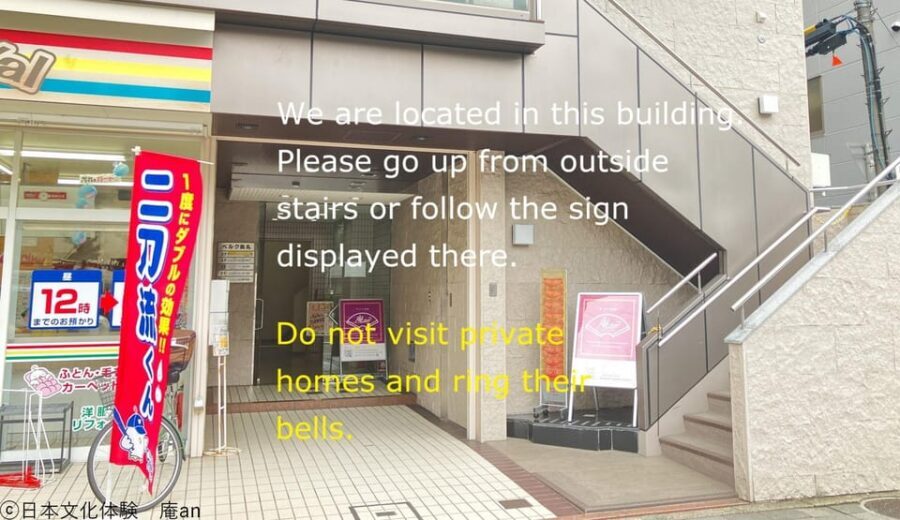
- Gojo Station meetup and the reality of stairs
- Nerikiri basics: what you’re really learning
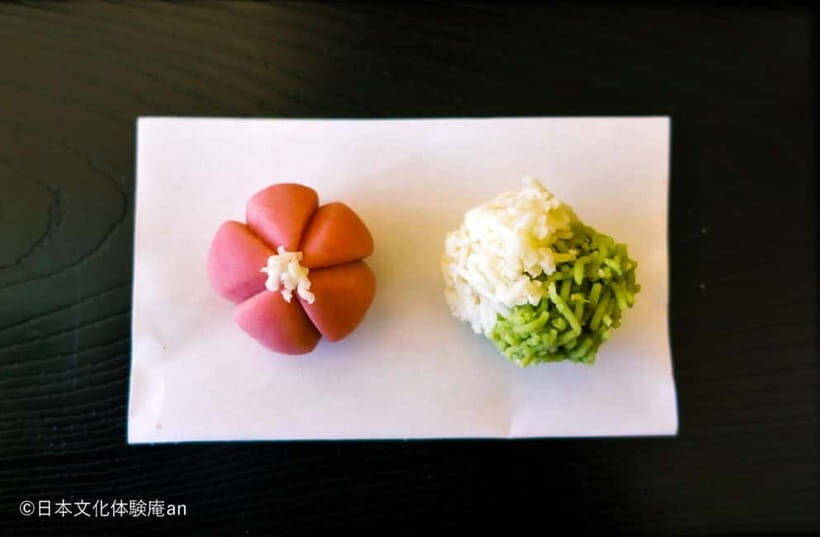
- Flower-shaped nerikiri: your first build and your first win
- Kinton nerikiri: building confidence with a second seasonal design
- Tatedashi matcha: the best part is eating what you made
- Price and value: does $14 make sense?
- Group size, pacing, and what to expect in the room
- Who should book this nerikiri and matcha class?
- Should you book it? My honest call
- FAQ
- Where is the meeting point for the class?
- How long does the experience last?
- What sweets will I make during the class?
- Is tatedashi matcha included?
- Can I take the sweets home?
- Is a completion certificate available?
- Is the venue wheelchair accessible?
Key things to know before you go
- Kyoto-made bean paste: white/red bean paste sourced from Kyoto’s long-established shops
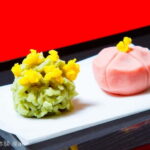
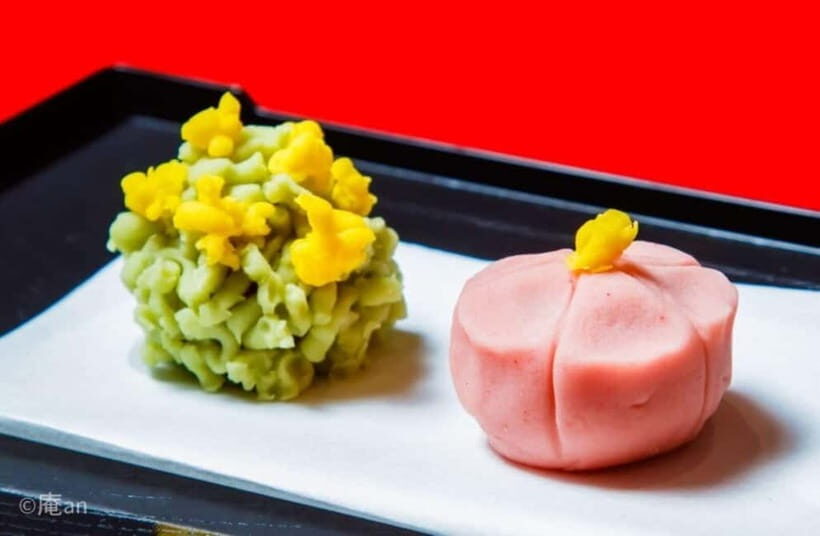
- Two nerikiri sweets: you’ll make both a flower-shaped one and a Kinton nerikiri
- Seasonal designs: the sweets match the season, so it changes over time
- Eat on the spot: you can try what you make during the class
- Tatedashi matcha included: served near the end with your sweets
- Gojo Station meetup: about a minute walk from Exit 1, store entrance faces Gojo-dori
Gojo Station meetup and the reality of stairs
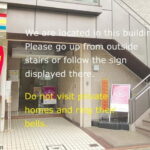
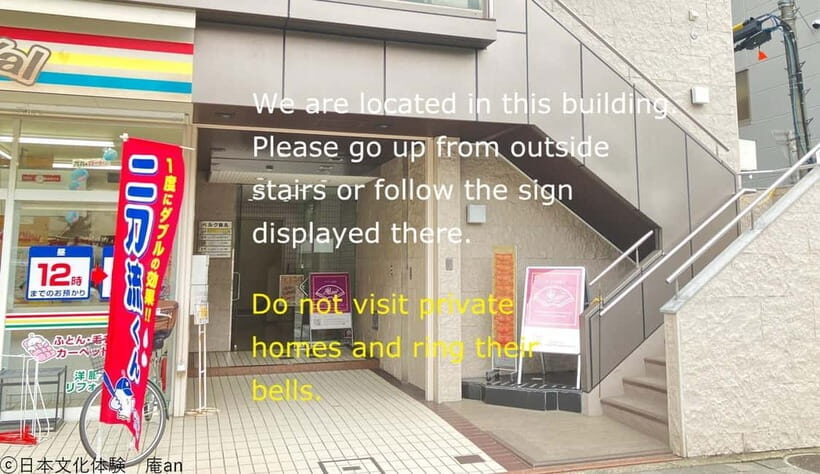
The meeting point is easy: you’ll be about a one-minute walk from Exit 1 of the Karasuma Line Gojo Station. The store entrance faces the main street, Gojo-dori, so you’re not hunting down an alley for long.
Start times run 10:00 to 17:00, and reservations received after 17:00 are handled the next day. One more practical note: there’s no elevator in the building. Even if the venue is wheelchair accessible, you’ll still need stairs to reach each venue, so it’s worth thinking about your mobility needs ahead of time.
Also, the schedule doesn’t bend for late arrivals. If you’re cutting it close, build in cushion time from your last stop. This is a 65-minute class, so the pace is part of the experience.
A few more Kyoto tours and experiences worth a look

Nerikiri basics: what you’re really learning
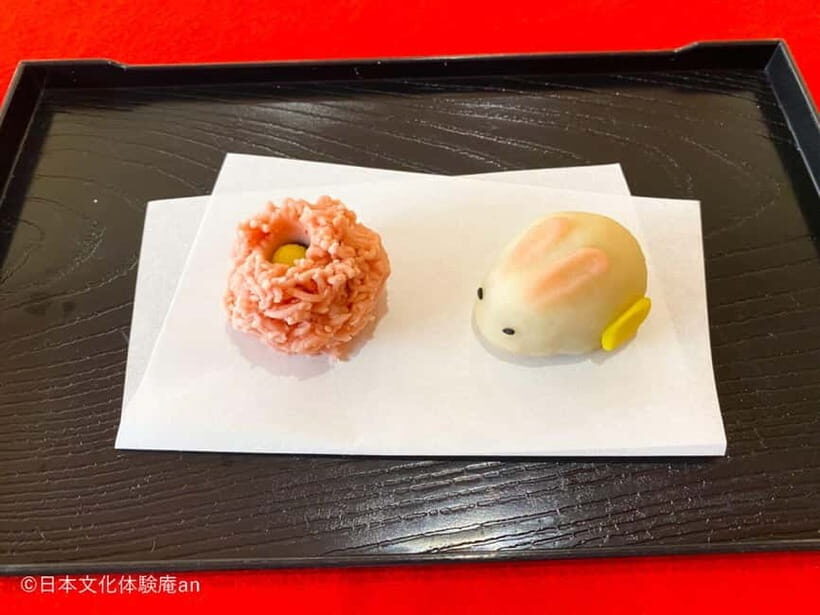
Nerikiri is the signature world of Japanese traditional sweets where you shape soft paste into an edible design. Here, you’re not doing one decorative flourish—you’re making two seasonal sweets, which is a great amount for a one-hour format.
What makes this class feel more meaningful than a generic craft session is the ingredient quality. You’ll use white/red bean paste produced by Kyoto’s long-established shops. That matters because bean paste is the backbone of nerikiri taste and texture. When the base is good, your end result is more likely to taste like the real thing, not like an imitation.
The class also nudges you to think like an artist for a few minutes. You’ll form the sweets, place them on a plate, and you’ll quickly see why nerikiri gets treated like edible art. Your hands do the work, but the final look is very much intentional.
Flower-shaped nerikiri: your first build and your first win
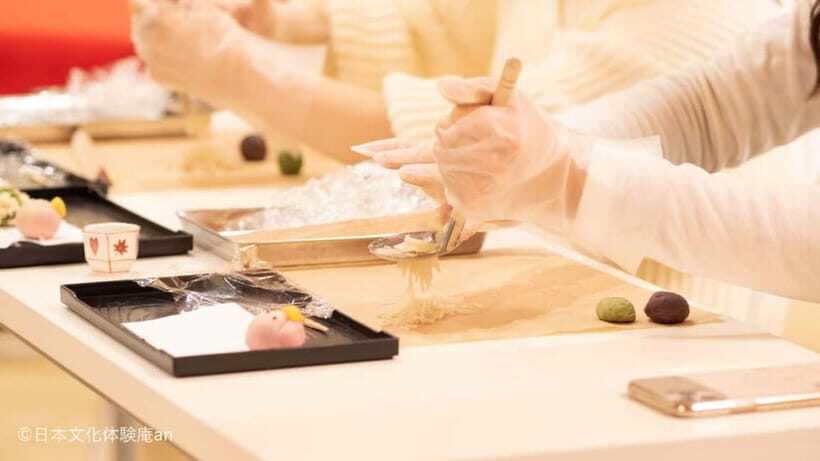
Your timeline starts with a short explanation of Japanese traditional sweets. Then you jump right in and make a flower-shaped nerikiri.
This first sweet is a smart choice for beginners. It gives you a clear target shape, and it’s usually the step where you go from unfamiliar to confident. In a class like this, the early success is what makes the second design feel doable.
You’ll have a chance to take pictures during the class, which is handy because nerikiri can look better once you pause and look at it from a plating distance. If you care about photos, I’d hold your camera until the end of each design step, not while you’re mid-process. Your end shape is what people will want to see.
One thing to keep in mind: some sessions can feel crowded. If your group size ends up large, your table space may be tight while you work. That doesn’t ruin the class, but it can make the experience feel more like shared workshop energy than a one-on-one studio moment.
Kinton nerikiri: building confidence with a second seasonal design
After the flower-shaped sweet, you make your second creation: Kinton nerikiri. You’ll continue working in the same hands-on way, with instruction guiding you through the shaping process.
This second sweet is where most people start to enjoy themselves more. The mechanics aren’t totally new—you’re applying what you learned on the first one to another design, so your hands get smarter faster than you expect. And because it’s still seasonal, it also keeps the class from feeling repetitive.
At around 55 minutes, the class ends and you move into the finishing steps: picture time, then eating and drinking. If you like structured timeboxes, this is one of the better parts of the experience. You’re not left wondering when it will end or when the tasting happens.
Tatedashi matcha: the best part is eating what you made
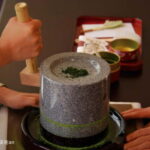
The class includes tatedashi matcha, served after you finish the sweets. There’s a dedicated eating/drinking window, and you’ll be able to enjoy your nerikiri on the spot.
This is a key value point. Many food experiences teach you technique but don’t fully land the payoff in the moment. Here, you’re tasting the result of your own work quickly, while the experience still feels fresh.
You’ll also get a clearer sense of what makes nerikiri satisfying. It’s not just the look. The flavor and mouthfeel are part of why the craft exists. The matcha is there as the companion taste, so you can connect the sweetness and the tea right away.
If you’re bringing a friend, this shared tasting moment is a natural conversation starter. If you’re solo, it’s still nice because it turns a craft class into a small food break instead of a quick activity.



Price and value: does $14 make sense?
At about $14 per person for a 65-minute workshop, this is priced like a focused activity rather than an all-day food tour. For many people, that’s exactly the point. You get a true hands-on food skill (making nerikiri), plus ingredient quality cues (Kyoto bean paste), plus included matcha, plus the ability to eat what you make immediately.
Here’s what you do get, in practical terms:
- instruction during the shaping process
- you make two sweets
- tatedashi matcha is included
- you can eat the sweets onsite
What you don’t automatically get:
- a take-out box costs 100 JPY
- a completion certificate costs 300 JPY
I like that the extras are optional. If you want a souvenir, you can buy it. If you don’t care, you’re not forced into extra spending. For many visitors, this class lands in the sweet spot: enough structure to feel like an experience, not so expensive that you’re worrying over every yen.
Group size, pacing, and what to expect in the room
The class format is simple: explanation first, then shaping, then photos and tasting. But the biggest variable is often the number of people in your specific session.
I’ve seen feedback pointing out that some classes can have too many people in one class, which can affect how much personal attention you get and how comfortable your workspace feels. If you’re sensitive to that, choose a time slot when you think fewer people might book, and don’t expect lots of space.
On the flip side, other feedback highlights that the instructor is great and that the sweets are tasty. So the instructor quality likely does a lot of the work to keep things moving, even when the room is active.
Also, there’s a key rule: those who don’t participate in the experience will not be allowed to enter. So make sure anyone in your group actually wants to join the making.
Who should book this nerikiri and matcha class?
This experience fits best if you like food crafts, seasonal details, and learning by doing.
You’ll likely enjoy it if:
- you want a short Kyoto activity with a clear start and finish
- you like sweet, tea, and edible art
- you want something hands-on that’s not hard to follow
- you want to eat what you make, not just watch or sample a tiny bite
You might think twice if:
- you want a quiet, uncrowded workshop experience
- you prefer classes where you’re told more about ingredients and process depth beyond shaping
- you’re expecting a slow, step-by-step technical masterclass
It also looks like it’s friendly to families in a practical way: children who sit on their parents’ laps are free of charge if they’re under 2 years old. For young kids, the class still may feel like a hands-on paste activity rather than a long cultural lecture, which can be a plus or a mismatch depending on what you want.
Should you book it? My honest call
Book it if you want a fun, fast Kyoto craft where you actually make two seasonal nerikiri and finish with included tatedashi matcha. The ingredient quality angle (Kyoto bean paste from long-established shops) is a real upgrade from a generic “food art” class, and the fact that you can eat on the spot seals the value.
Skip it if your top priority is lots of space or a very quiet experience, because some sessions can feel crowded. Also, if you’re looking for deep explanations about what’s inside the paste and why every step works chemically, you may find the class more practical than technical.
If you match those expectations, this is a simple win: you leave with sweet memories, edible art, and a new way to appreciate Japanese sweets.
FAQ
Where is the meeting point for the class?
It’s about a one-minute walk from Exit 1 of the Karasuma Line Gojo Station. The store entrance faces the main street, Gojo-dori.
How long does the experience last?
The total duration is 65 minutes.
What sweets will I make during the class?
You’ll make two seasonal Japanese sweets called nerikiri: a flower-shaped nerikiri and a Kinton nerikiri.
Is tatedashi matcha included?
Yes. Tatedashi matcha is provided, and there’s time to eat and drink.
Can I take the sweets home?
Yes, a sweets take-out box is available for 100 JPY.
Is a completion certificate available?
Yes, a completion certificate can be purchased for 300 JPY.
Is the venue wheelchair accessible?
Wheelchair accessible, but there is no elevator and you will need to take stairs to reach each venue.