REVIEW · KYOTO
Kyoto: Highlights Guided Walking Tour
Book on GetYourGuide →Operated by Made in Nippon · Bookable on GetYourGuide
Kyoto can be overwhelming fast, so this walking tour gives it shape. I love the way you get local context from a real guide instead of just sightseeing, and I like that Kiyomizu-dera is paired with nearby streets and shrines so your day flows. One consideration: the route is active and includes a few short bus rides, plus food and transport aren’t listed as included, so plan your extra spending accordingly.
The best part is how the stops feel linked by theme: spirituality, crafts, neighborhood life, and the rhythms of old Kyoto. You’ll also appreciate the small-group feel, which keeps time for questions, not just photos. If you’re expecting a slow stroll with long free time at each site, this won’t match that style.
You start at Kyoto Avanti, move through classic lanes and viewpoints, and end back near Kyoto Station. The tour runs about 3–4 hours, and the pace is set to cover a lot without feeling like a sprint. Wear shoes you can walk in for a few hours, and keep some cash or a card handy for snacks along the way.
In This Review
- Key highlights worth caring about
- A one-route Kyoto day that actually fits time
- Starting at Kyoto Avanti: quick meeting, easy wayfinding
- Kiyomizu-dera: more than a postcard viewpoint
- Yasaka Shrine and Sannenzaka: spiritual Kyoto meets shop-lined streets
- Hanamikoji Street in Gion: geisha may appear
- Kamo River and Pontocho Alley: narrow lanes and lantern mood
- Nishiki Tenmangu Shrine and Nishiki Market: Kyoto’s kitchen, in real time
- Nijo Castle finish: nightingale floors and gardens
- Price and value: what $34 gets you (and what it doesn’t)
- Who this Kyoto walk suits best
- Should you book this Kyoto highlights walking tour?
- FAQ
- Where is the meeting point for the tour?
- How long is the Kyoto highlights walking tour?
- Which languages are offered for the live guide?
- What stops are included on the route?
- Are food and drinks included?
- Is transportation included in the price?
- What should I bring for the tour?
- Is the tour wheelchair accessible?
- Is free cancellation available?
Key highlights worth caring about
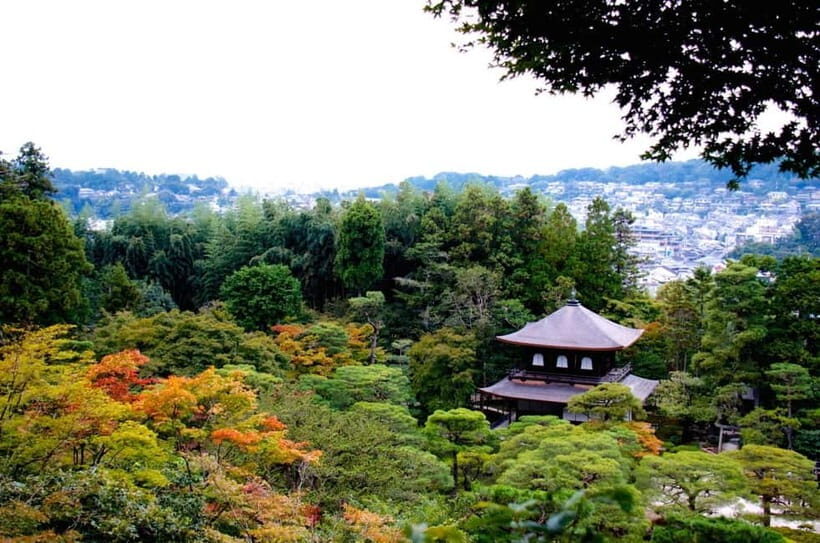
- Kiyomizu-dera guided visit with a focus on what you’re seeing and why it matters
- Gion streets at street level, where you might catch a glimpse while geisha travel between appointments
- Nishiki Market time to see and taste Kyoto’s day-to-day food culture
- Pontocho Alley after the river crossing, with that lantern-and-narrow-lane atmosphere
- Nijo Castle as the finish, known for nightingale floors and beautiful gardens
- Yu Noda (and other guides) bring personal answers, not just scripted facts
A one-route Kyoto day that actually fits time

This tour is built for the traveler who wants Kyoto’s highlights without spending the whole day figuring out logistics. In about 3–4 hours, you’re moving through multiple “layers” of the city: temple grounds, shrine pathways, historic streets, and food-focused streets. That combination matters because Kyoto is easiest to understand when you see how religion, craft, and daily life overlap.
I also like that the route is designed to reduce backtracking. Starting from Kyoto Station area, you head toward eastern Kyoto sights, then work your way through the classic neighborhoods and shopping streets, finishing at the castle area and returning to the station zone. Your feet do the work, but the path makes sense.
You can also read our reviews of more walking tours in Kyoto

Starting at Kyoto Avanti: quick meeting, easy wayfinding
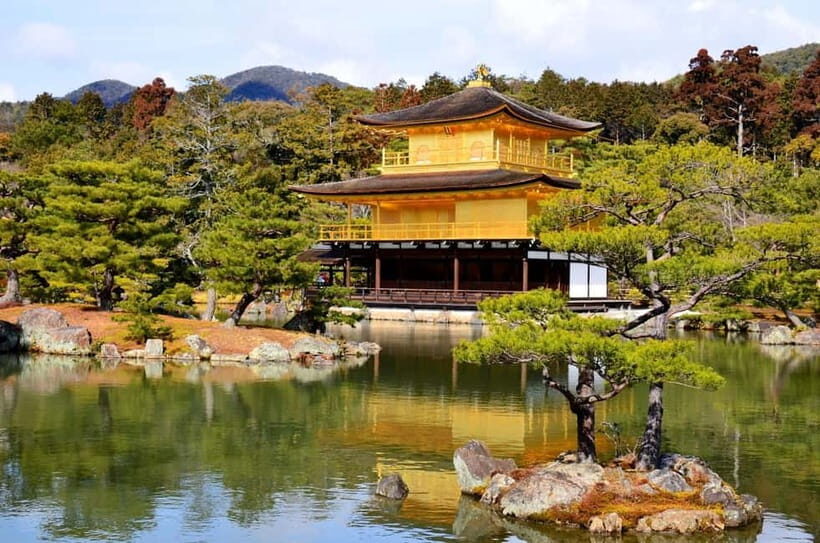
Your meeting point is in front of the entrance of Kyoto Avanti. That’s helpful because Kyoto Station is a landmark you can usually orient to quickly, even if you’re arriving from elsewhere in Japan.
There’s a short bus/coach segment (listed as 15 minutes) early in the day. Since transportation isn’t included in the package, you’ll want to be ready for any local transit costs that may apply. The practical upside is that this saves your energy for the real walking parts, especially around temple stairs and old-street inclines.
Kiyomizu-dera: more than a postcard viewpoint

Kiyomizu-dera is one of those sights you’ve probably seen in photos, but the guided angle makes a difference. You’ll have about 30 minutes for a visit with a guide, plus time to walk and sightsee.
The standout detail here is the temple’s wooden stage overlooking Kyoto’s cityscape, which becomes especially meaningful when you understand how the site is used and why the view is part of the experience. You’ll also be walking on uneven stone and dealing with crowds that can build, depending on season and time of day.
Practical tip: if you get there and it feels busy, don’t fight the crowd head-on. Let the group settle first, then aim for a viewpoint that lets you see both the structure and the broader city angle.
Yasaka Shrine and Sannenzaka: spiritual Kyoto meets shop-lined streets
After Kiyomizu-dera, you head toward Yasaka Shrine with about 20 minutes for a guided visit and walk. This is where the tour shifts from major landmark scale to atmosphere and movement—people entering, lanterns and offerings you’ll notice, and the sense that spirituality is part of the neighborhood’s everyday rhythm.
Then comes Sannenzaka Street with around 20 minutes to walk and sightsee. This street is famous for its traditional shopfronts and layered lanes, and it’s an important connector because it bridges the temple approach to the shrine-and-Gion zone. It’s also one of the best places to slow down for a moment and look at the details—signs, wooden facades, and the way the street feels like an older Kyoto path rather than a modern shopping corridor.
Consideration: Sannenzaka and similar lanes can get crowded. Keep a steady pace with the group, and don’t expect lots of wide open space for lingering.
Hanamikoji Street in Gion: geisha may appear
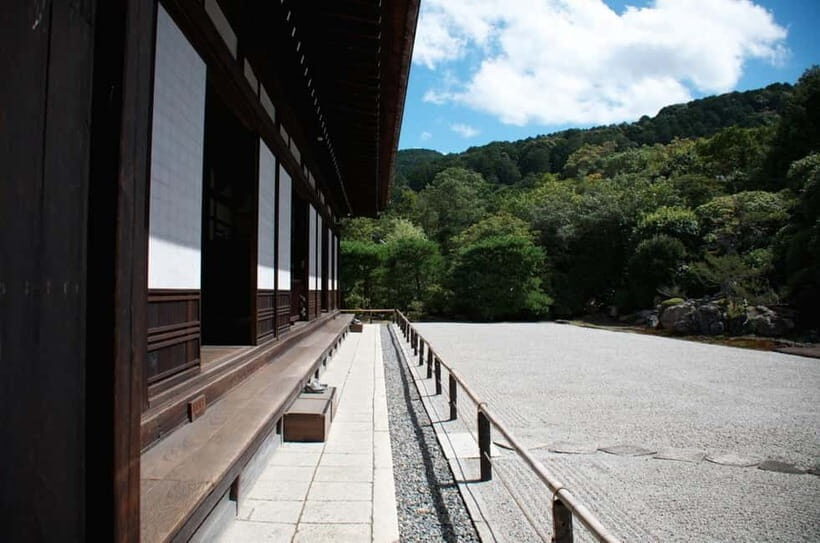
Next is Hanamikoji Street, with about 20 minutes for a guided walk and sightseeing. This is Gion at street level—where the history isn’t in a museum case, it’s in what you can see as you pass.
You may catch a glimpse of geisha heading to evening appointments. That word matters: it’s not a staged performance you’re guaranteed to see. What the guide can do is help you understand what you’re looking at and how to read the street cues without being disruptive.
Practical tip: keep your camera ready, but don’t block foot traffic. If you want the best chance of a respectful sighting, pay attention to the flow of people and step aside when appropriate.
You can also read our reviews of more guided tours in Kyoto



Kamo River and Pontocho Alley: narrow lanes and lantern mood
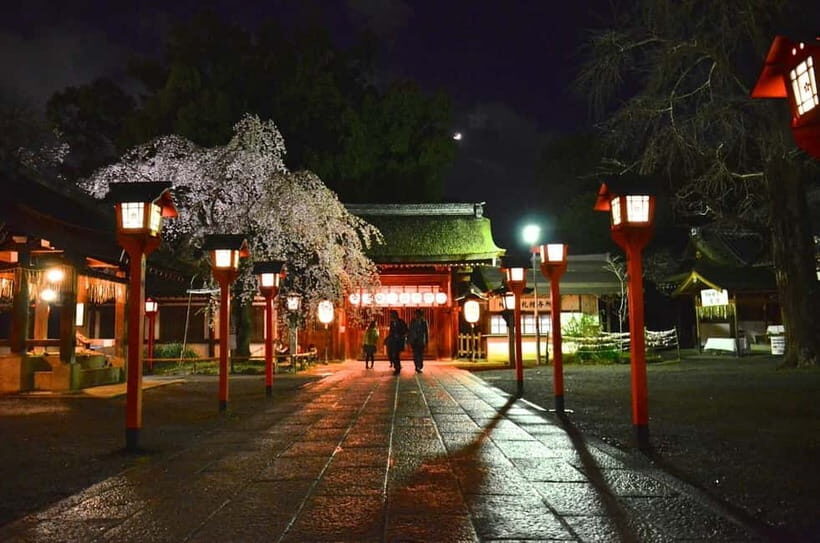
Crossing the Kamo River is a short segment (about 10 minutes), but it helps reset your senses. Rivers in Kyoto act like natural boundaries, and the crossing gives you a visual break before you enter the more intimate street scenes.
Then you’ll spend about 20 minutes in Pontocho Alley. This is a narrow lane filled with lantern-lit restaurants, and it’s exactly the kind of place where the lighting and street width change the mood quickly. A guided walk helps you notice details that you might miss wandering on your own—how the street bends, where viewpoints open, and what kind of old-city atmosphere you’re seeing.
If you’re sensitive to crowding, this part can feel packed near restaurant entry points. Aim to walk with the group and keep your pauses short if you’re stopping for photos.
Nishiki Tenmangu Shrine and Nishiki Market: Kyoto’s kitchen, in real time
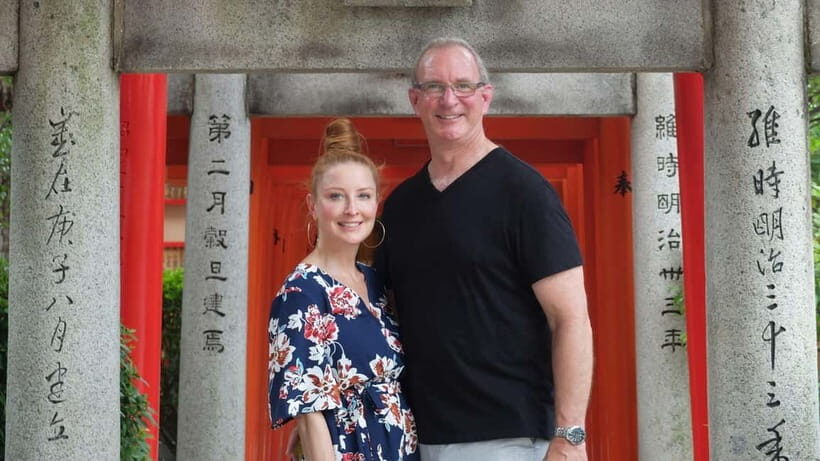
The tour then includes Nishiki-Tenmangu Shrine (around 10 minutes) followed by time at Nishiki Market for about 20 minutes. This combination is smart because it shifts you from spiritual space into sensory street life.
Nishiki Market is often described as Kyoto’s kitchen, and for good reason. In the short time you have, you’ll be able to see a lot of food options, smell them, and choose what to taste if you want. Since food and drinks aren’t included, this is where your credit card or cash comes in handy.
Practical tip: don’t try to sample everything. Pick one or two things you actually want, eat them as you walk, and save your appetite for the rest of the day. Market time is also time for learning: the guide can point out what’s common locally versus what’s just popular with tourists.
Nijo Castle finish: nightingale floors and gardens
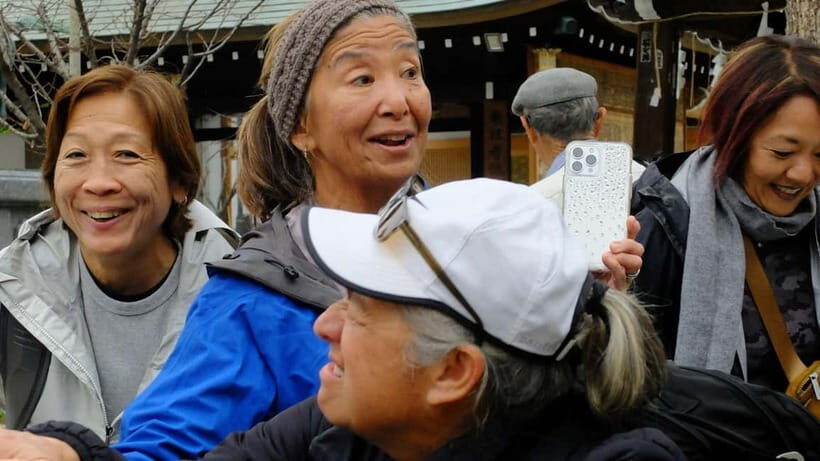
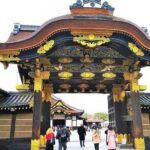
The route ends with Nijo Castle, described as a former shogun residence with famous nightingale floors and exquisite gardens. Even if you’ve never heard of the nightingale floors before, you’ll understand why they’re a headline feature once you see what makes them noteworthy.
This is a strong way to close the day because it brings you back to a different side of Kyoto—power, architecture, and controlled elegance—after the more everyday streets and food stops. The gardens also give you a calmer pace near the end, which helps you avoid the “all attractions, no rest” feeling that can happen on shorter tours.
Price and value: what $34 gets you (and what it doesn’t)
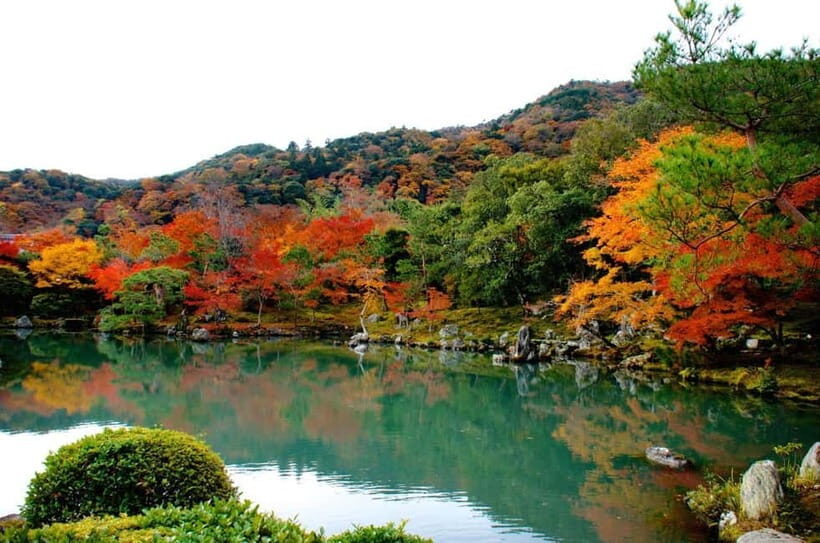
At $34 per person for a 3–4 hour guided walk, the value comes from the guide time. You’re covering multiple major sights and classic streets without doing the mental work of sequencing directions and figuring out what to focus on at each stop.
What’s included is a personalized walking tour with a local guide. What’s not included is food and drinks, and transportation. That means you should budget extra if you plan to snack at Nishiki Market or any of the restaurant-lined areas you pass.
If you’re comparing options, think of this as buying someone’s ability to connect the dots—temples, shrines, and neighborhood streets—rather than buying access to one attraction. For many first-time Kyoto visitors, that connection is the real bargain.
Also, keep an eye out for the 10% discount campaign mentioned through WhatsApp before booking. If that offer is active for your dates, it can make a noticeable difference on a day tour.
Who this Kyoto walk suits best
This tour is a good match if you:
- Want a guided route through Kiyomizu-dera, Gion streets, and Nishiki Market without spending hours planning
- Like asking questions and getting answers tied to what you’re seeing
- Prefer small-group movement so the day stays manageable
It’s less ideal if you:
- Want lots of free time at each stop with zero schedule pressure
- Need long indoor time, lots of seating, or very slow pacing
Based on the experience with guides like Yu Noda, the strongest appeal is the human part: learning that sticks because it’s relevant to the street you’re standing on.
Should you book this Kyoto highlights walking tour?
Book it if you want the fastest practical way to understand Kyoto’s main neighborhoods in one coordinated route. This tour makes it easy to see the big sights while still getting local guidance at the moments that usually blur together—like when you’re walking from shrine to market to riverside streets.
Skip it if you’re the type who prefers to roam independently, or if you’d rather spend half a day on one temple and go deep. Also, remember you’ll likely spend extra on food and any transportation that comes up during the route.
If your priority is a well-linked day with a guide who can answer your questions and help you notice what matters, this one is a solid bet for a first Kyoto trip.
FAQ
Where is the meeting point for the tour?
You meet in front of the entrance of Kyoto Avanti.
How long is the Kyoto highlights walking tour?
It runs about 3 to 4 hours.
Which languages are offered for the live guide?
The tour has live guiding in English and Japanese.
What stops are included on the route?
You’ll visit Kiyomizu-dera, Yasaka Shrine, Nishiki Market, Sannenzaka Street, Hanamikoji Street, the Kamo River area, Pontocho Alley, Nishiki-Tenmangu Shrine, and Nijo Castle.
Are food and drinks included?
No. Food and drinks are not included.
Is transportation included in the price?
Transportation is listed as not included, even though short bus/coach segments appear in the route timing.
What should I bring for the tour?
Bring a credit card and cash.
Is the tour wheelchair accessible?
Non-folding wheelchairs and electric wheelchairs are not allowed.
Is free cancellation available?
Yes. You can cancel up to 24 hours in advance for a full refund.