Kyoto looks different from a minivan. This 6-hour private ride cuts through the city and lands you at temples far from the crowds while you still get iconic hits like Kinkakuji and Fushimi Inari. I like the mix of serene stops for a slower mindset and the mountain views you catch between places. One catch: temple admissions cost extra, and a few sites involve stairs or short walks.
The comfort matters here. You get pickup and drop-off anywhere in Kyoto City, plus an air-conditioned private van and an English-speaking guide named Daiki who talks Buddhism and Kyoto history in a way that feels practical, not like a lecture. You’ll also move fast enough to see lots, but that can mean you’re not lingering as long inside every building as you might on a solo day.
In This Review
- Key Highlights You’ll Feel Immediately
- Why Kyoto Works Better by Private Van (Especially Afternoon)
- Kinkakuji Golden Pavilion: How to See It Without the Frantic Energy
- Arashiyama Beyond the Bamboo Line: Gio-ji, Nenbutsu-ji, and Bamboo Sounds
- A practical note
- Mountain Views Without a Full Hike: Parkway, Ogura Observatory, and Hozukyo
- Shrines Locals Actually Treat as Sacred: Nakagawa Cedar and Daisugi Cedars
- A Car View of Geisha Street and the Giant Torii at Heian Jingu
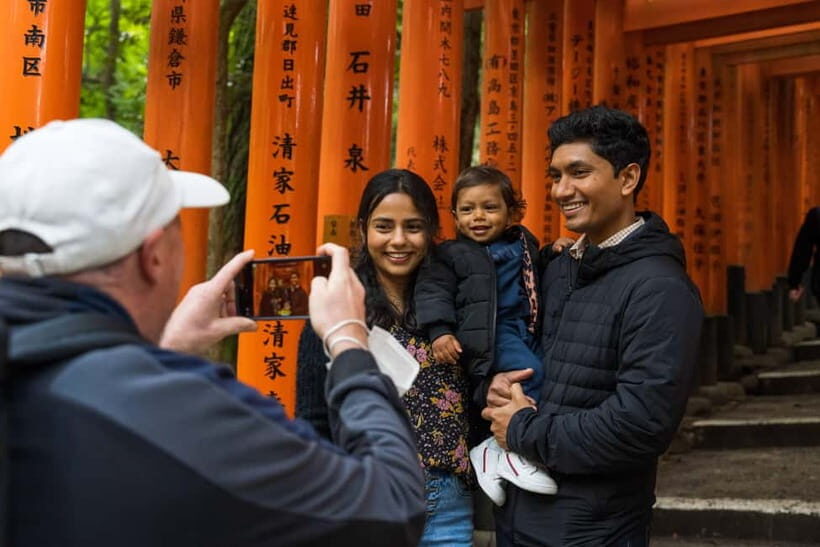
- Fushimi Inari Without Losing Your Whole Day to Gates
- Price and Value for a Private 6-Hour Kyoto Day
- Should You Book This Kyoto Van Tour?
- FAQ
- What time does the Kyoto tour start?
- How long is the tour?
- Is pickup and drop-off included?
- Are temple or shrine admission fees included?
- Is the tour private or shared?
- Do I need a physical ticket?
- Will there be walking or stairs?
Key Highlights You’ll Feel Immediately
- A private van route that avoids the worst crowd spillovers and parking headaches
- Quieter temple time that lets you slow down and actually hear yourself think
- Daiki’s context on Buddhism, structures, and what you’re looking at
- Arashiyama’s bamboo area plus lesser-known stops nearby
- Scenic viewpoints (Ogura and Hozukyo) that frame Kyoto from the mountains
Why Kyoto Works Better by Private Van (Especially Afternoon)
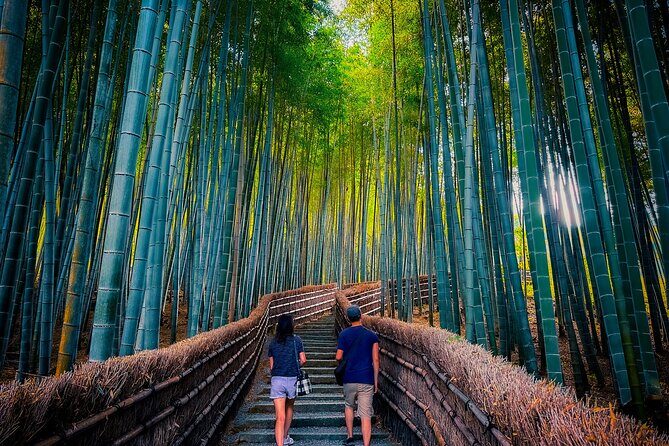
Kyoto is gorgeous, but it’s also very good at turning sidewalks into bottlenecks. A private van changes the vibe. You’re not spending half your time in transit queues or on the edge of big sightseeing groups. Instead, you get taken across the city, then dropped at well-chosen locations where you can walk in short stretches and get back to the ride.
This tour also starts at 1:00 pm, which is smart for most days. You skip the early-morning rush that hits the famous temples first. And because it’s private, the pacing stays under your control: if you want a faster look at one stop or a bit more time at another, your guide can usually adjust within the day’s flow.
You can also read our reviews of more guided tours in Kyoto

Kinkakuji Golden Pavilion: How to See It Without the Frantic Energy
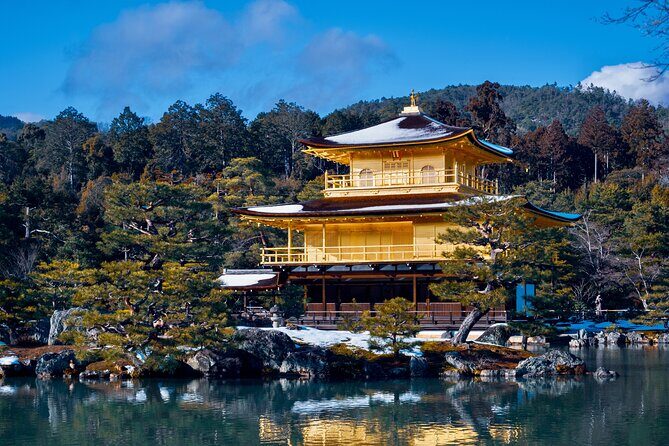
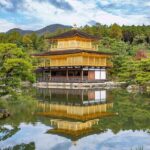
Kinkakuji, the Golden Pavilion, is the obvious Kyoto star. Still, you don’t want to approach it like a stampede. What works well with this style of tour is timing and transport: even though the site is popular, the van gets you there without dragging your day out through transfers.
Plan on about 45 minutes at Kinkakuji. Admission is not included, so it’s one of the extra-fee moments to budget for. Once you’re there, focus on what makes it special beyond the gold look: the way the buildings reflect, the composition of the grounds, and how the temple connects to the landscape planning around it. Your guide can also help you decode what you’re seeing in Buddhist terms, which makes the whole place feel more intentional.
If you care about photography, arrive ready to frame quickly. It’s famous, so you’ll often find yourself sharing space. The win here is that your day isn’t only built around this one stop.
Arashiyama Beyond the Bamboo Line: Gio-ji, Nenbutsu-ji, and Bamboo Sounds
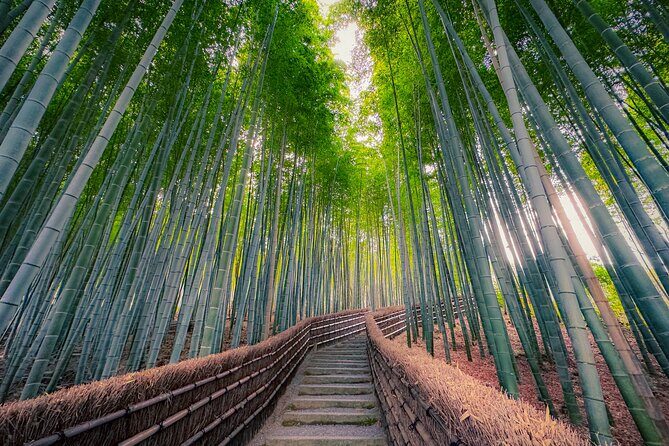
Arashiyama is where Kyoto feels like it’s wearing a postcard. But the trick is to go beyond the one main path most people chase. This tour does that with a run of smaller, calmer stops around the area.
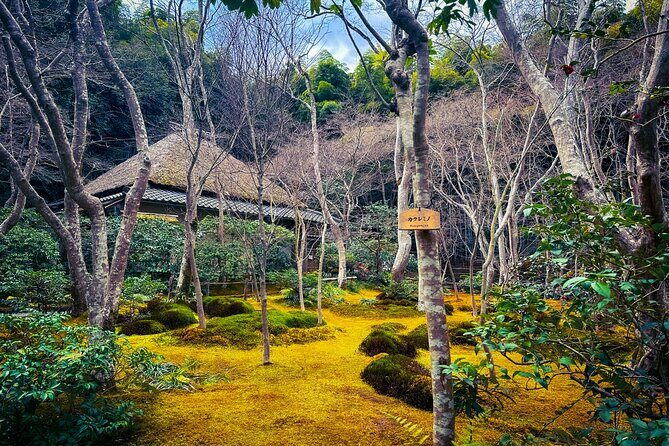
First comes Gio-ji (about 15 minutes). It’s small, but that’s the point: you get a garden setting with moss and a modest thatched structure, plus bamboo nearby. It’s the kind of place where you can slow down instead of just ticking a box.
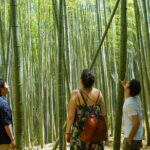
Next is the Arashiyama bamboo area for about 15 minutes. Yes, it’s iconic, but the benefit of having a guide is what you learn while you’re walking. You’ll hear an explanation about bamboo’s origin and how it’s connected—according to the guide—to Edison’s invention of lights. Whether you go deep into the science or just enjoy the story, it gives you something extra to pay attention to as you listen to the bamboo sounds.
Then you move to Otagi Nenbutsu-ji (again about 15 minutes). This is positioned in an older Arashiyama area that tends to stay calmer than the main streets. The temple’s smaller scale helps you get a quieter experience, even if you’re sharing the area with other visitors at the edges.
A practical note
Some temples can involve short walks and stairs. If you have mobility concerns, tell your guide early so they can steer your route and pacing.
Mountain Views Without a Full Hike: Parkway, Ogura Observatory, and Hozukyo
One of the best things about this day is that it doesn’t treat Kyoto as only temples and alleys. It brings you up toward the mountains and countryside, then gives you viewpoints where the scenery does the talking.
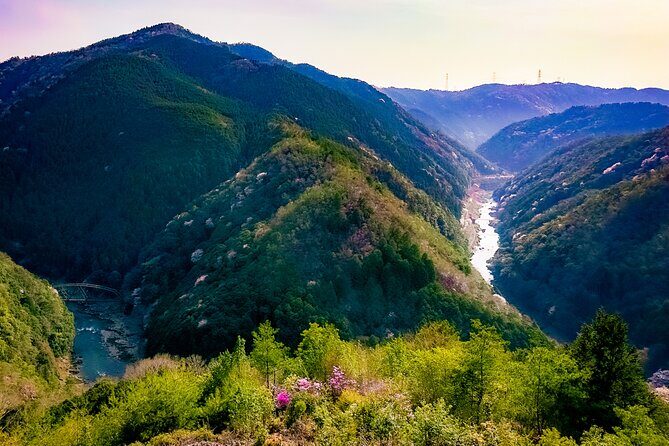
The day includes Arashiyama-Takao Parkway for about 45 minutes. This road is seasonal in a big way—your guide will point out that it’s lined with about 2,000 cherry blossom trees in April and turns into a maple show in November. Even outside peak seasons, this kind of drive helps you see Kyoto as more than a city grid.
From there, you get short viewpoint breaks:
- Mount Ogura Observatory (about 5 minutes): wide views of the whole city from higher ground. Fast stop, big payoff.
- Hozukyo Observatory (about 5 minutes): views of Hozu Gorge, plus context about traditional hard-stream boat rafting in the area.
These stops are brief on purpose. They keep your day from turning into one long hike while still giving you that mountain Kyoto feeling. If you want a holiday that balances walking and seeing, this is the sweet spot.
You can also read our reviews of more private tours in Kyoto


Shrines Locals Actually Treat as Sacred: Nakagawa Cedar and Daisugi Cedars
This is where Kyoto feels most lived-in. You’re not only looking at famous monuments; you’re visiting places with religious meaning that’s tied to locals and daily practice.
Nakagawa Hachiman-gū Shrine is a short stop (about 5 minutes) but memorable. The big point here is the old cedar tree. You’ll learn that it’s worshiped as a guardian for the area. The guide also points out touching the tree as part of the experience—getting spiritual power is the idea. Use good etiquette: look for guidance on what’s allowed, move carefully, and don’t treat it like a tourist prop.
Then comes the more secret-feeling part: Kitayama Big Daisugi (about 10 minutes). This area is reached by a narrow cliff road, so it naturally filters out casual visitors. You’ll see cedar trees trained in the dai-sugi style, often on a platform setup. It’s called secret by the tour, but the real secret is how you get there: you don’t stumble into it by accident—you drive right in, and the view hits you once you arrive.
It’s the kind of stop that gives your day texture. Kyoto can be loud visually; these moments feel quieter and more intimate.
A Car View of Geisha Street and the Giant Torii at Heian Jingu
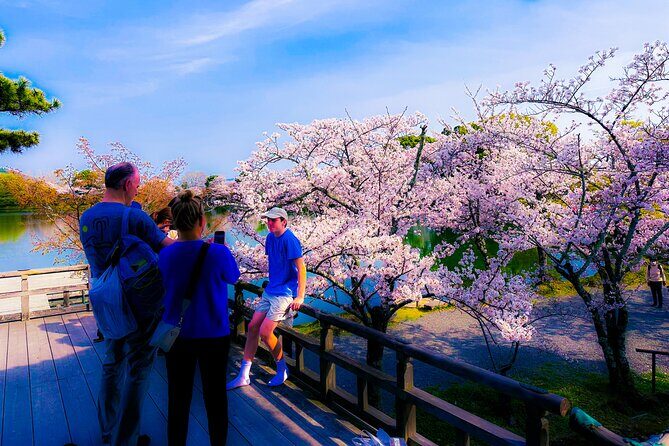
Kyoto’s traditional streets are famous, and sometimes the best way to see them is from where you can move past without crowding in.
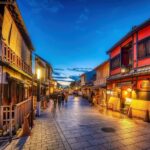
This tour includes a car-based look at a 600-year-old geisha street area. The practical advantage is obvious: you avoid walking through the densest spots just to get one glance. There’s also a simple etiquette reminder baked in—photos of geisha need permission. Your guide can help you navigate that boundary, so you don’t accidentally turn a cultural encounter into a bad moment.
After that, you stop at the Heian Jingu Shrine torii for about 5 minutes. This is the huge red torii gate built for Heian Jingu Imperial Shrine, measuring about 24.4 meters tall. It’s a quick photo stop, but it’s worth it because the scale is hard to fully grasp until you’re there in person.
Fushimi Inari Without Losing Your Whole Day to Gates
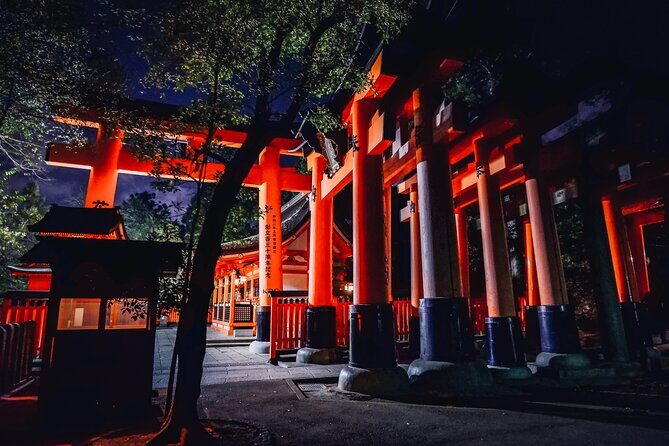
Fushimi Inari is the attraction people talk about forever—thousands of vermilion torii gates lining the paths. Here, you get about 40 minutes, and that timing is useful. It’s long enough to feel the rhythm of the corridor of gates, but short enough that you’re not trapped in the area for half the afternoon.
Admission is listed as not required for this stop, so you can spend that extra budget elsewhere. Your guide can also help you understand what you’re walking through, including the idea that while people describe the gates as thousands, the number reflects the shrine’s dedicated gates over time.
If you want photos, think about flow. The best shots often come from angles where the torii lines lead your eye forward. And because you’re on a guided day, you’re not stuck guessing where to go next—you get a sense of what to see in the time you have.
Also, when the weather turns bad, this kind of private route can help. Some people on this tour have especially enjoyed a mountain temple stop when conditions are rainy, since the route still lets you reach calmer spaces.
Price and Value for a Private 6-Hour Kyoto Day
At $230.61 per group (up to 1) for about 6 hours, this is priced like a true private experience, not a share-a-shuttle deal. Is it worth it? For many people, yes—because Kyoto is where transport costs and time costs add up fast.
Here’s the value logic I’d use:
- You’re paying for a private van plus pickup and drop-off anywhere in Kyoto City, so you don’t burn energy on transit planning.
- Fuel, toll, and parking are included, which matters more in Kyoto than many travelers expect.
- You get an English-speaking guide who focuses on what you’re seeing and why it matters.
The extra expense you should plan for is temple admission fees, listed at around ¥1,400 per person. The tour also notes that some stops involve walking and stairs, so if you want a completely low-walking day, you’ll want to coordinate with the guide.
Bottom line: this price tends to make sense if you want efficiency, comfort, and less crowd exposure in one afternoon.
Should You Book This Kyoto Van Tour?
Book it if you want a Kyoto day that mixes icons with quieter spiritual places, and you’d rather spend time seeing than figuring out transit. It’s also a good choice if your schedule is limited or if you care about learning context while you walk.
I’d skip it if you want to do a slow, deep sit-down day where you stay in one temple for a long time with no route pressure. This is a “see a lot, see it well” plan. Also, budget for temple admissions, and be ready for some stairs at certain sites.
If you like your Kyoto days with room to breathe between major stops—and you appreciate a guide who can explain what you’re looking at—this private van tour is a strong pick.
FAQ
What time does the Kyoto tour start?
The tour start time is 1:00 pm.
How long is the tour?
The duration is about 6 hours.
Is pickup and drop-off included?
Yes. Pickup and drop-off are offered at anywhere in Kyoto City.
Are temple or shrine admission fees included?
No. Admission fees are not included, and the total is listed as approximately ¥1,400 per person.
Is the tour private or shared?
It’s private. Only your group participates.
Do I need a physical ticket?
You’ll receive a mobile ticket.
Will there be walking or stairs?
Some temples require walking and walking up stairs. If you need to avoid stairs, ask the guide ahead of time.