REVIEW · KYOTO
Kyoto Japanese Garden Lover’s Private Tour with Government-Licensed Guide
Book on Viator →Operated by Japan Guide Agency · Bookable on Viator
Moss, gold leaf, and rock gardens—on foot. This private Kyoto tour strings together Zen temples, imperial-era gardens, and signature Arashiyama stops into one smooth 6-hour plan with a government-licensed multilingual guide. I like the focus on Japanese garden design, from strolling landscapes to dry rock-and-sand compositions, not just landmark names.
I also love the customization side. The itinerary is built around choosing your must-see gardens (typically 3–4 sites) from a longer list, and guides like Kaeko and Shun are specifically praised for adapting when plans change. The one caution: entrance tickets and transportation are not included, and many stops are timed at about 20 minutes—so you’ll want to pick carefully if you like to linger.
In This Review
- Key highlights
- How the private walking setup keeps Kyoto from feeling like a checklist
- Price and what $153.11 actually buys you
- The garden styles you’ll be chasing (and why your guide matters)
- Kinkakuji and Ginkakuji: gold leaf and silver pavilion contrasts
- Honen-in moss-garden drama and Nanzenji’s big Zen scale
- Imperial calm: Kyoto Imperial Palace and Shugakuin Rikyū
- Rock-garden classics: Ryōan-ji, Taizō-in, and Daitoku-ji
- Katsura Imperial Villa plus Arashiyama’s iconic landmarks
- Moss, maples, and a value-minded garden break
- Uji’s Byōdōin and the Phoenix Hall timing tradeoff
- What guides like Kaeko and Shun tend to get right
- Should you book this Kyoto Japanese garden tour?
- FAQ
- How long is the Kyoto Japanese Garden Lovers Private Tour?
- What does the price include?
- Are entrance fees included?
- Is transportation included?
- How many sites will I see?
- Is this tour private or group-based?
- Do I need an entrance ticket in advance?
- Who will guide me?
- Are there example stops like Kinkakuji and Ryōan-ji?
- Is free cancellation available?
Key highlights
- Government-licensed interpreter guide helps you understand garden symbolism and Kyoto context, not just point and shoot.
- Pick 3–4 sites from a larger set, so you can steer the day toward your garden style (moss, rocks, tea-house vibes, imperial calm).
- Walking-based route means you’ll move like a Kyoto local, with quick in-and-out garden visits.
- Guide flexibility matters; Kaeko and Shun are mentioned for adjusting location and itinerary on the fly.
- Short stop times keep energy up, but can feel fast if you want long photo sessions or slow tea breaks.
- A good mix of garden types: Zen dry gardens, moss gardens, and imperial villa landscapes in one day.
How the private walking setup keeps Kyoto from feeling like a checklist
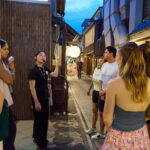
Kyoto can turn into a blur if you jump between buses and big-ticket sights all day. This tour is built as a walking private experience—meet on foot in a designated area, then spend your time at garden-focused stops instead of spending it on transport. The “private” part is the real payoff: it’s only your group, so your route can follow what you care about.
Practically, this is a 6-hour day with about 20 minutes per garden stop for most items. That timing is short enough to prevent fatigue, but long enough to get your eyes reset between styles. If you’re the kind of traveler who gets satisfaction from atmosphere (light on stones, the sound of water, the geometry of sand), 20 minutes is often the right “dose” per site.
You can also read our reviews of more guided tours in Kyoto

Price and what $153.11 actually buys you
The listed price is $153.11 per person, and that includes a licensed local English-speaking guide plus the private walking experience. It does not include entrance fees, lunch, or transportation costs, and there’s no private vehicle. That means you should budget separately for temple and garden admission and for any getting-around you need.
So is it good value? For me, the value comes from two places:
- You’re paying for interpretation and route intelligence, not just entry lines.
- You’re choosing a small number of top sites (usually 3–4), which is smarter than trying to force in everything on a group bus.
If you’d rather “see it first, understand it later,” you might feel the price less. But if gardens matter to you as art—plants, rocks, and composition—this format usually makes the day click.
The garden styles you’ll be chasing (and why your guide matters)
This tour’s whole idea is Japanese garden aesthetics, and that’s more than pretty scenery. You’ll bounce between different garden philosophies:
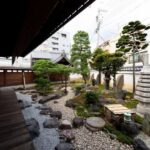
- Zen temples with dry rock-and-sand layouts (kare-sansui) that train your attention.
- Artistic strolling-style gardens with seasonal plants and carefully staged views.
- Imperial-era landscapes where architecture and garden design work together as one plan.
A licensed guide is useful here because gardens in Kyoto aren’t random. They use symbolism through design choices—placement of stones, the way paths frame views, and how space invites quiet. Even if you only catch a few key points, it changes how you look at everything.
Kinkakuji and Ginkakuji: gold leaf and silver pavilion contrasts

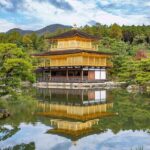
If you pick only one “wow” pavilion, make it Kinkakuji (Rokuonji). It’s famous for the way its top two floors are covered in gold leaf. With about 20 minutes here, focus on the reflective effect—how the building reads differently from the approach path and from closer viewpoints. Admission isn’t included, so consider that cost when deciding whether to include it.
Then there’s Ginkakuji (Silver Pavilion), also a Zen temple experience on the eastern mountains. It’s tied to shogun Ashikaga Yoshimasa’s retirement villa story, and it’s paired well with Kinkakuji because the contrast is the point. Expect about 20 minutes again—enough to get the main sightlines, but not enough for endless wandering if you’re a slow photographer.
Tradeoff to know: both pavilions are popular by design. With short stop times, you’ll get the essentials, but you won’t have a long, unhurried stroll unless your group moves efficiently with your guide.
Honen-in moss-garden drama and Nanzenji’s big Zen scale
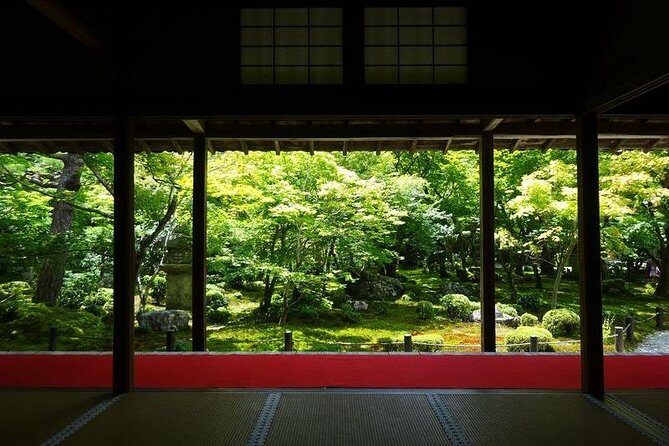
Honen-in is the stop for atmosphere. The approach ends at a moss-covered gate, and inside you move past sand mounds that are part of the experience’s quiet choreography. This is the kind of place where time feels different—especially when moss and light do the heavy lifting. It’s set for about 20 minutes, and the rhythm matters: arrive ready to slow down.
Next, consider Nanzenji Suirokaku. The broader Nanzenji grounds sit at the base of Kyoto’s Higashiyama mountains, and this temple is described as one of Japan’s most important Zen temples. It also functions as a key head temple, so you’re not just seeing a pretty corner—you’re stepping into major Zen institutional space. With about 20 minutes, you’ll likely focus on a few signature views rather than trying to cover everything.
If you’re sensitive to crowd energy, pick your order. The best strategy is to schedule the most “feel it” stop when your energy is highest, then use the larger-scale temple stop to reset your pace.
You can also read our reviews of more private tours in Kyoto


Imperial calm: Kyoto Imperial Palace and Shugakuin Rikyū
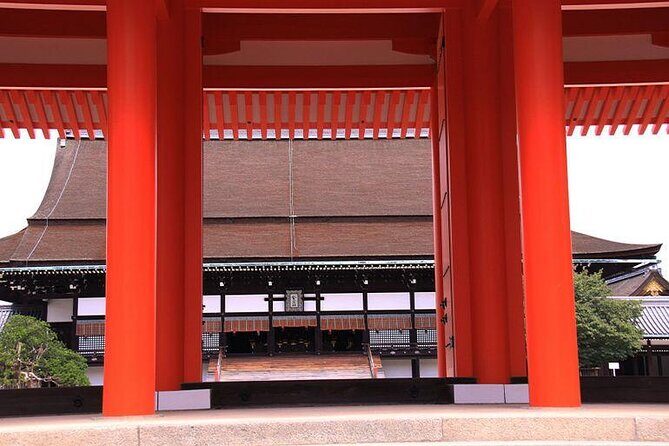
Kyoto isn’t only temples; it’s also power and palace space. Kyoto Imperial Palace used to be the residence of Japan’s Imperial Family until 1868, when the emperor and capital moved to Tokyo. You get about 20 minutes, which is short, so treat it like a context stop: learn the historical frame, then let the space explain itself.
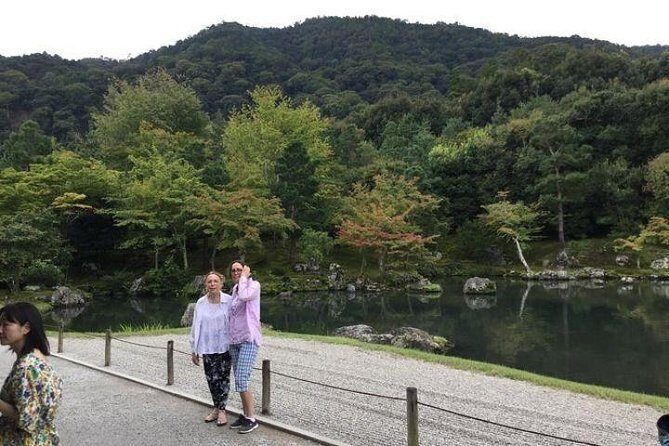
Then there’s Shugakuin Imperial Villa, a 17th-century imperial garden complex built by Emperor Gomizuno. It’s managed by the Imperial Household Agency and split into Upper, Middle, and Lower Villa areas. The value here is that you’re seeing the imperial approach to landscape design—less “worship garden” and more “designed retreat.”
With a timed stop of about 20 minutes, you’ll want to be decisive about what you want out of Shugakuin: signature views, garden structure, or architectural rhythm. A good guide can help you “read” what you’re seeing quickly so the short visit still feels substantial.
Rock-garden classics: Ryōan-ji, Taizō-in, and Daitoku-ji
Kyoto’s most famous rock garden sits at Ryōan-ji. The site draws huge attention for its arrangement and, famously, for the way the composition encourages shifting viewpoints. You get about 20 minutes—enough to understand the experience and to stand where your eyes can follow the design logic.
For variety, consider Taizō-in, a subtemple of Myoshin-ji in northwest Kyoto. The garden here is described as among Kyoto’s most famous and recommended in any season. With about 20 minutes, it’s a strong choice if you want a different “feel” from Ryōan-ji—still Zen, but with its own style of restraint.
Then add the depth option: Daitoku-ji. It’s described as a Zen temple complex with temples within temples, and the gardens carry deep meditative meaning. This is one of those stops where your guide’s explanations can make the experience land, because the complex structure can overwhelm if you’re trying to self-navigate too much. You’ll likely use your time to focus on a few meditative garden spaces.
A practical drawback: these sites often reward patience, and 20 minutes can feel tight if you want to sit down and repeat observations. If rock gardens are your obsession, choose this stop plus one “contrast” garden, and leave the rest for a future day.
Katsura Imperial Villa plus Arashiyama’s iconic landmarks

Katsura Imperial Villa is a top pick if you care about how Japanese architecture and gardens function as one system. The villa and garden in their present form were completed in 1645, and this is presented as one of the finest examples of Japanese garden and architectural design. You’ll have about 20 minutes, so treat it as an overview: focus on the design idea, not on trying to master every angle.
Then the tour shifts into Arashiyama’s signature atmosphere with two free stops:
- Togetsukyo Bridge: iconic “Moon Crossing Bridge,” originally from the Heian Period and reconstructed in the 1930s. The bridge is a quick, visual connector—good for resetting your eyes after a more interior garden style.
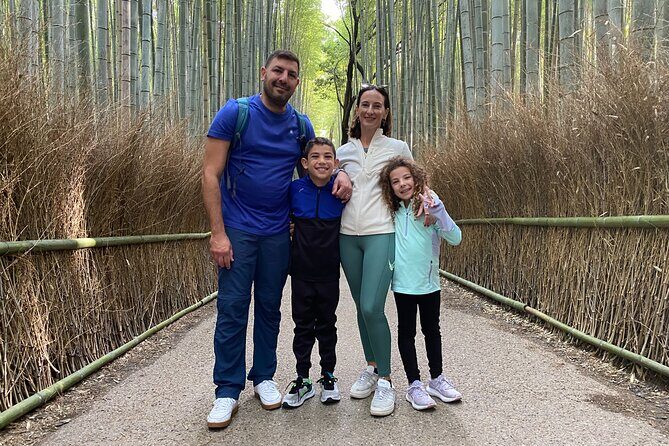
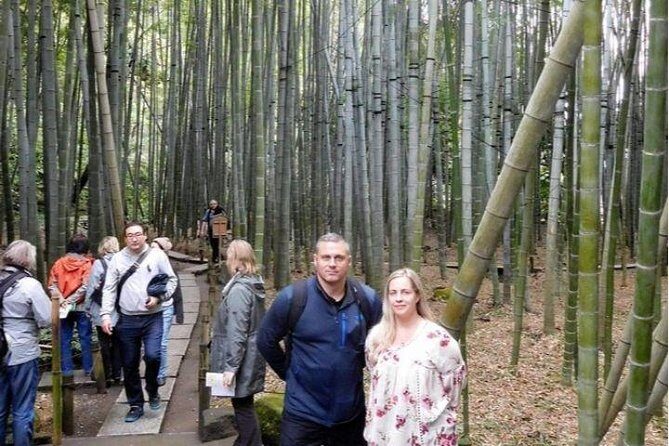
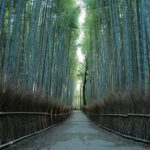
- Bamboo Forest Street: walking paths cut through bamboo groves, attractive in light wind as stalks sway gently. Admission is free here, and it’s an easy add if you want classic Kyoto texture.
After that, if you want a more refined Arashiyama garden experience, consider Okochi Sanso Garden. It’s the former villa of actor Okochi Denjiro and sits behind the bamboo groves. Expect about 30 minutes and plan for ticket costs.
Why this mix works: the imperial villa gives you structure and design thinking, while Arashiyama gives you nature and movement. Put them together and the day feels balanced rather than one long “temple concentration.”
Moss, maples, and a value-minded garden break
If you like forests and softness, Gio-ji is worth a spot. The temple is described as more tucked into the forest than nearby Jojakkoji and Nisonin. It’s known for a moss garden with tall maple trees, and even the entrance gate and small main hall are described as thatched-roof. Time is about 30 minutes, which is a gift compared to many “20-minute” attractions.
For a different pace, add Kyoto Botanical Garden. It’s described as one of Kyoto’s overlooked and affordable gardens and a must-visit for both visitors and locals. With 30 minutes, it’s ideal as a break from the most crowded hot spots, and it gives you “green space” time without feeling like a full detour.
One more urban-plush option: Kennin-ji. It’s close to Hanamikoji and Shijo streets, with grounds that are described as expansive and pleasant to walk. You’ll get a very short stop time—about 1 minute—so treat it like a quick taste stop. If you want more than a glimpse, prioritize longer stops elsewhere.
Uji’s Byōdōin and the Phoenix Hall timing tradeoff
The far-side option is Byōdōin Temple in Uji city. It’s known for the Phoenix Hall, which is a National Treasure of Japan and a UNESCO World Heritage Site. Your time is about 10 minutes, and the info notes extra travel time expected.
This is the tradeoff: it’s a huge cultural anchor, but you don’t get long there. If you pick Byōdōin, reduce the number of other “short-time” stops you choose so you don’t end up sprinting. If you love grand historical artifacts and can accept a fast viewing window, it’s a good add. If you want deep garden time, it might squeeze your day.
What guides like Kaeko and Shun tend to get right
The strongest reviews you can learn from here revolve around flexibility and attention to your preferences. Kaeko is praised for catering to individual choices of gardens and for handling late request changes in location. Shun is praised for being flexible even when itinerary changes happen during the day, and the day-to-day vibe matters: humor, ease, and the ability to adapt when the mood shifts.
I’d use that as a decision signal. If you’re the type who wants to adjust based on weather, energy, or what you liked most after the first stop, this kind of guided customization is exactly where you’ll feel the value.
Should you book this Kyoto Japanese garden tour?
Book it if:
- You want 3–4 garden sites chosen around your style—moss, rocks, imperial design, or Arashiyama atmosphere.
- You’d rather have a licensed guide explain what you’re seeing than just collect photos.
- You prefer a walking private day and can handle short stop times without getting frustrated.
Skip it or rethink if:
- You want guaranteed inclusion of entrance fees and transportation, because those are not included.
- You’re hoping for long stays at many locations. This is designed for focused stops, not marathon temple-hopping.
If your priority is garden design and you like the idea of a guide who can adjust when your plan needs changing, this is a strong way to spend a day in Kyoto—without turning it into a frantic checklist.
FAQ
How long is the Kyoto Japanese Garden Lovers Private Tour?
The tour runs for about 6 hours.
What does the price include?
It includes a licensed local English-speaking guide and your private walking tour experience. It also supports a customizable itinerary.
Are entrance fees included?
No. Entrance fees are not included.
Is transportation included?
Transportation fees are not included, and a private vehicle is not offered. It is a walking tour, with pickup on foot.
How many sites will I see?
The tour is designed around customizing an itinerary with about 3–4 sites chosen from the provided list.
Is this tour private or group-based?
It’s private. Only your group participates.
Do I need an entrance ticket in advance?
The tour includes a mobile ticket, but the timing and ticket handling details for each stop can vary since entrance fees are not included.
Who will guide me?
You’ll have a government-licensed multilingual guide with a licensed local English-speaking guide included for the tour.
Are there example stops like Kinkakuji and Ryōan-ji?
Yes. The available list includes major sites such as Kinkakuji, Ginkakuji, Ryōan-ji, and Katsura Imperial Villa, plus additional gardens and temples.
Is free cancellation available?
Yes. You can cancel up to 24 hours in advance for a full refund.