REVIEW · KYOTO
Kyoto: Kaiseki Dinner at a Historical Townhouse
Book on GetYourGuide →Operated by Tondaya, Co., Ltd. · Bookable on GetYourGuide
A candlelit dinner in an old Kyoto house is the move. You’ll start with a look inside Tondaya, a 140-year-old machiya cultural property, then move straight into a Kyoto-style kaiseki meal. I especially like the way the evening is designed to feel calm and ceremonial, not like a rushed restaurant stop.
Two things I really appreciate: you get the house visit first, and you also get to enjoy your meal while watching a beautifully illuminated garden. One thing to consider: the pacing can feel fast, and the amount of explanation you receive may vary, so if you want lots of background, plan to ask.
In This Review
- Key Highlights You’ll Care About
- Entering Tondaya: A 140-Year-Old Machiya Dinner Starter
- What could feel different
- Kaiseki Dinner in Kyoto Style: Seasonal Courses, Thoughtful Hosting
- The pace can be a variable
- The Illuminated Garden While You Eat: Atmosphere That Actually Helps
- Dietary Options: Vegan, Vegetarian, Gluten-Free, and Halal by Request
- Practical advice
- Timing and Duration: A Two-Hour Kyoto Evening That Moves
- Who it fits best
- What to Wear: Socks Required, Bare Feet Not Allowed
- Price and Value: What $141 Buys You (and What It Doesn’t)
- Why the value can make sense
- Getting the Most Out of Your Night at Tondaya
- Should You Book This Kyoto Kaiseki Townhouse Dinner?
- FAQ
- How long is the Kyoto Kaiseki dinner experience?
- What’s included in the price?
- Can I choose dietary options like vegan or gluten-free?
- What should I wear?
- Is this experience wheelchair accessible?
- Are drinks included?
- Are there holiday dates or extra charges I should know about?
Key Highlights You’ll Care About
- Tondaya machiya tour first: you enter a historically registered townhouse before dinner starts
- Kyoto-style multi-course kaiseki: a chef shapes the menu around season and occasion
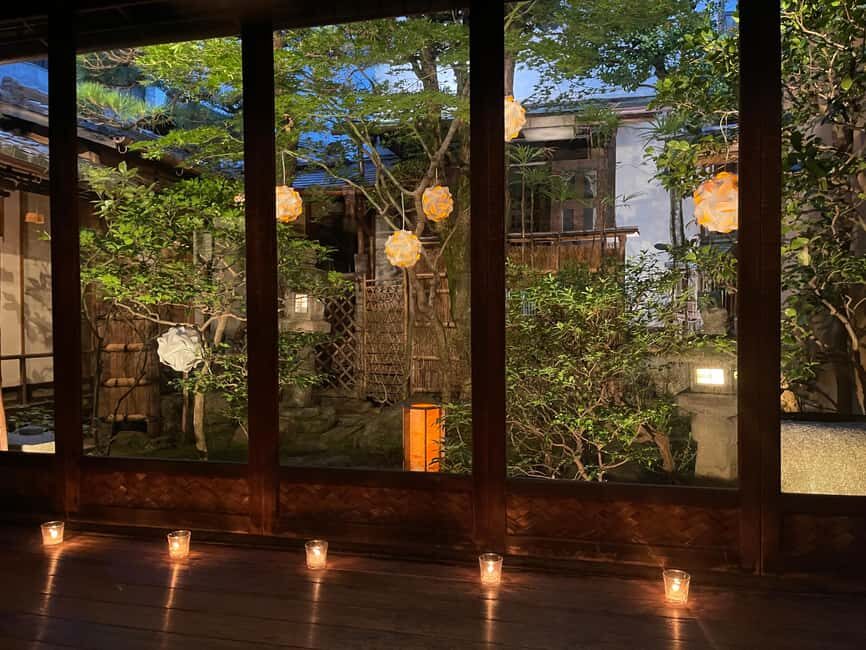
- Illuminated garden views during the meal: soft lighting makes it feel extra special
- Dietary options on request: vegan, vegetarian, gluten-free, and halal are available
- Socks-only comfort rules: bare feet aren’t allowed, and you can’t wear stockings or tights
- Not for wheelchairs: it’s not designed for wheelchair access
Entering Tondaya: A 140-Year-Old Machiya Dinner Starter
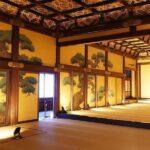
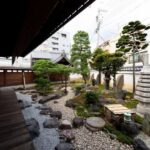
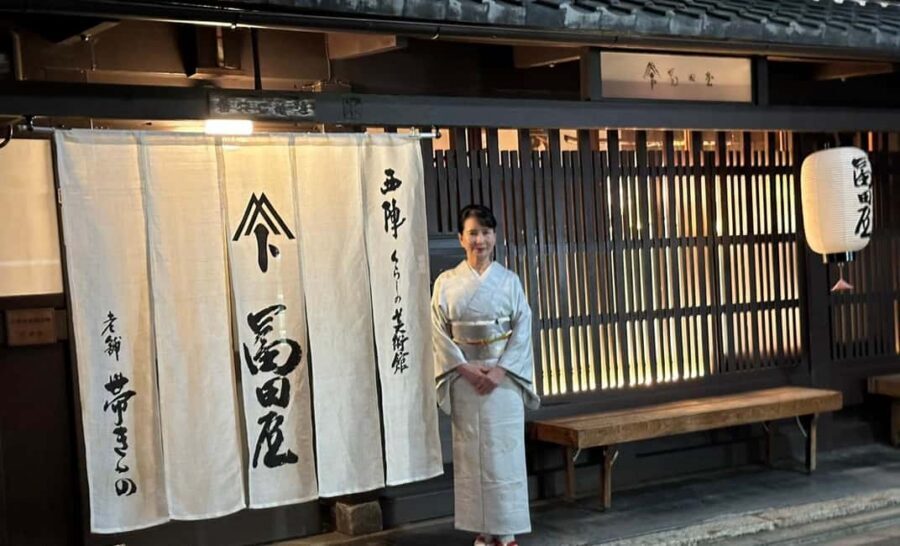
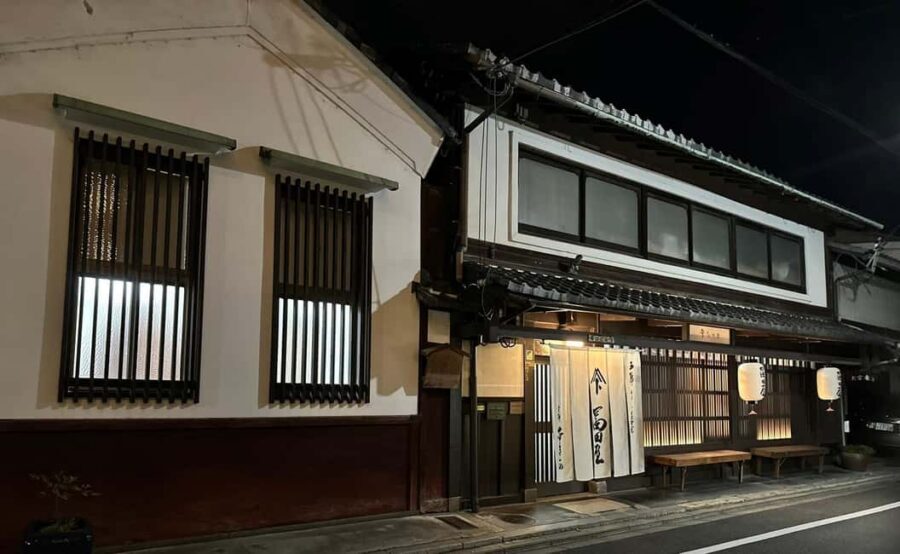
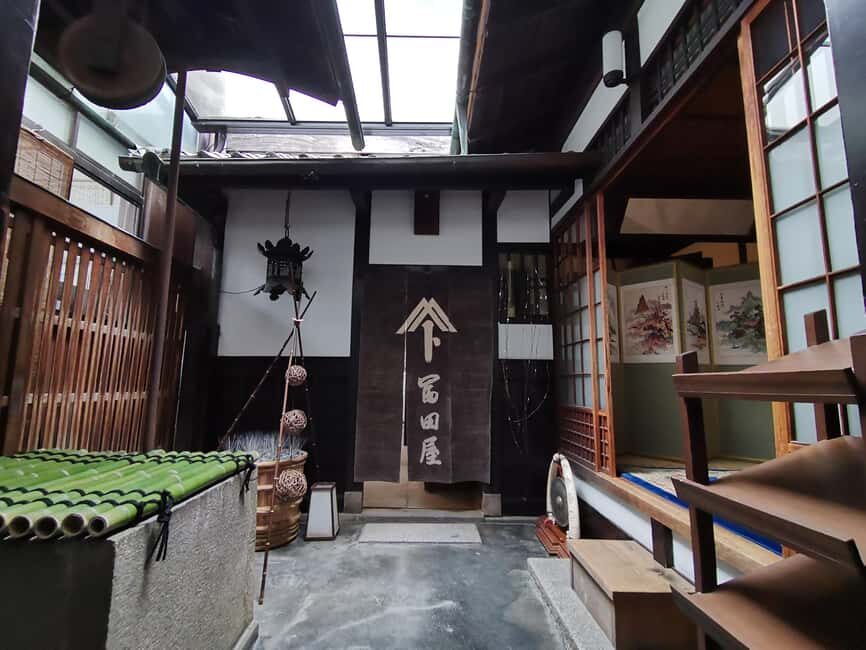
Kyoto dinners usually start when the food hits the table. This one starts before that, inside Tondaya, a traditional townhouse (machiya) that’s been preserved as a nationally registered cultural property—140 years old. That matters because it changes the whole vibe from dinner-as-consumption to dinner-as-experience.
You’ll be guided through the property first. Expect staff to point out historically valuable artifacts and share stories connected to the house. Even if you just enjoy design and atmosphere, this part gives you context for why kaiseki is so tied to place—Kyoto people treat food as part of the setting, not a separate event.
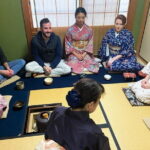
The staff also handle the evening’s flow, and the experience can be private. That’s useful if you’re celebrating something, planning a business gathering, or just want a calmer setting than a standard group restaurant.
You can also read our reviews of more historical tours in Kyoto
What could feel different
The guidance is helpful, but not every staff member may speak English. If language matters for you, ask ahead (or be ready to use a translation device if it’s needed). You’ll still have the structure of the night even if you don’t get every detail—just know that the level of explanation can vary.
Kaiseki Dinner in Kyoto Style: Seasonal Courses, Thoughtful Hosting
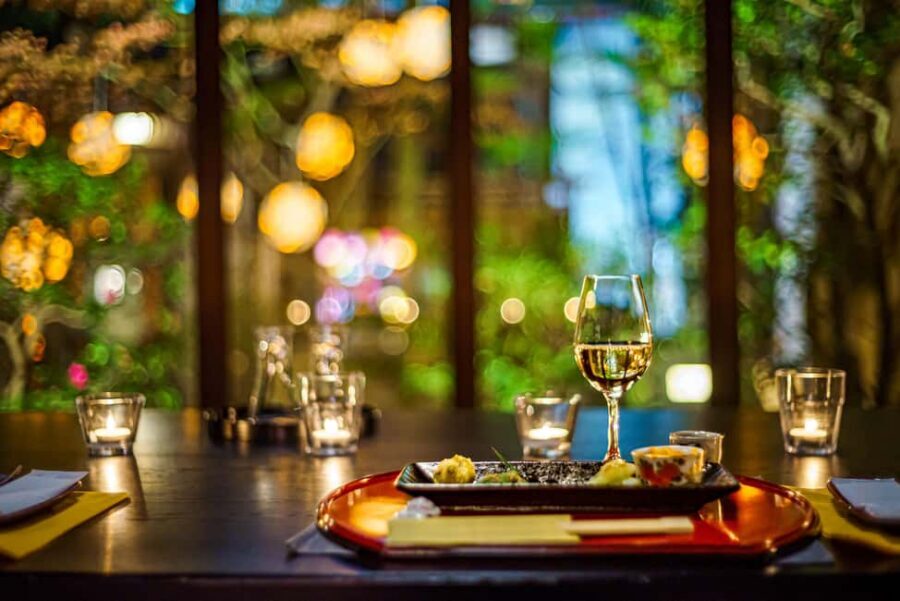
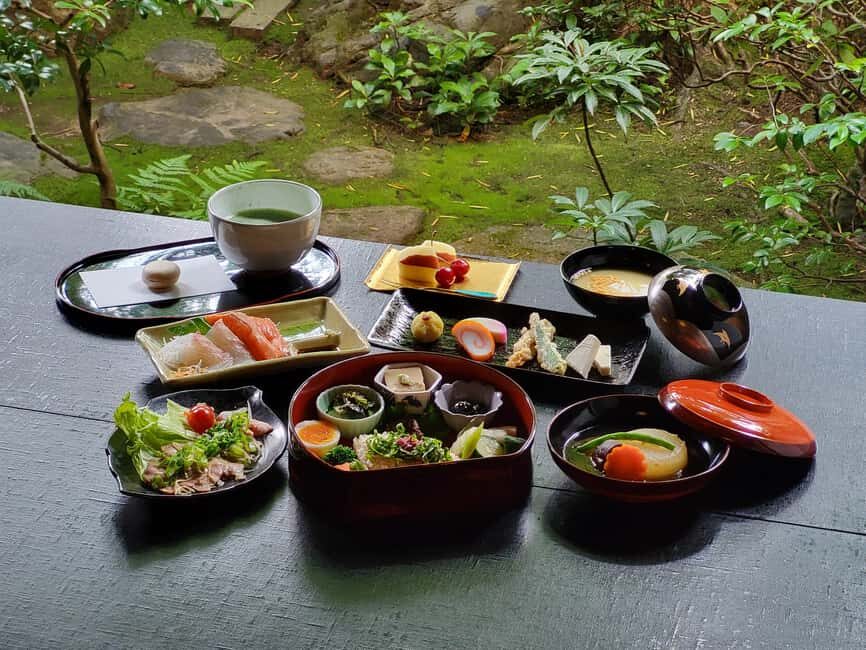
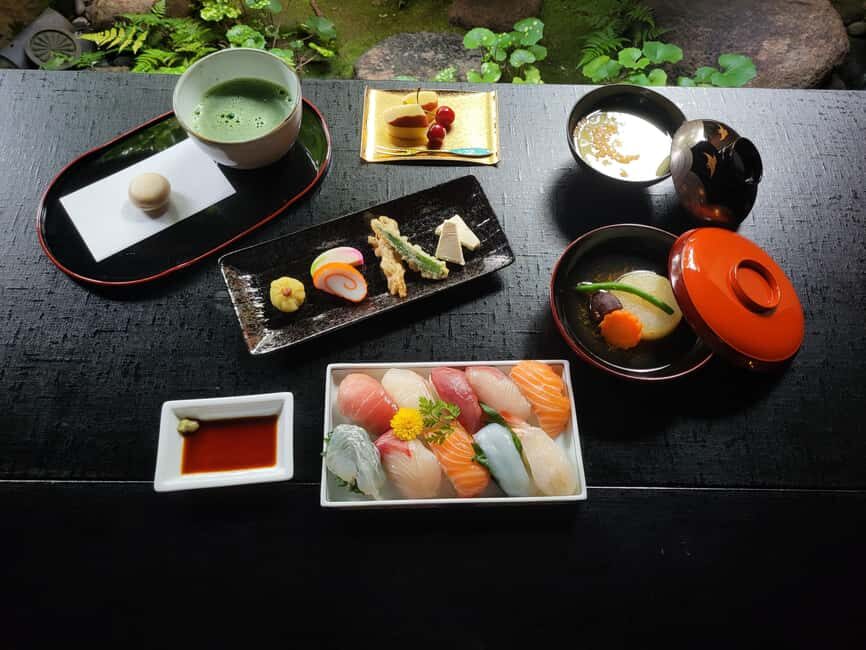
After the house portion, you’ll move into your kaiseki meal. This is authentic Kyoto-style multi-course cuisine, prepared by a seasoned Kyoto chef. The chef chooses ingredients based on the season, and the menu can be adjusted for the occasion. That’s the key point: you’re not just ordering a “set menu.” You’re receiving a meal designed to match the time of year and why you’re there.
Kaiseki is often described as precise. In practice, that means you’ll see small, artful courses rather than one big plate. The goal is balance—textures, flavors, temperature, and timing—so the meal feels like a sequence, not random dishes dropped onto the table.
The pace can be a variable
Here’s the honest heads-up: in at least one shared account, the courses were served quickly, and the guest felt there weren’t enough explanations. Another guest emphasized that they received plenty of interesting explanations. So what’s the takeaway? If you want context for each course, speak up while you can. Politely ask for a bit more detail as dishes arrive.
The Illuminated Garden While You Eat: Atmosphere That Actually Helps
One of the best parts of this experience is the view. You’ll dine while looking out at a garden that’s lit up beautifully. Soft lighting plus a quiet, traditional interior creates a slower rhythm—your meal feels more like a nighttime ritual than a quick dinner slot.
This is the kind of detail that makes photos look better, yes. But it also changes how you experience the courses. Kaiseki often depends on subtle flavors, and the calm setting helps you notice them instead of constantly checking your phone or wondering what comes next.
If you like architecture, lighting, and atmosphere, this view is a major selling point. If you prefer busy energy and lots of foot traffic, you might find it too quiet. But for most people choosing Kyoto, quiet beauty is the point.
A few more Kyoto tours and experiences worth a look

Dietary Options: Vegan, Vegetarian, Gluten-Free, and Halal by Request
Food planning matters when you travel. The good news here is that dietary options are available: vegan, vegetarian, gluten-free, and halal can be arranged if you request them in advance.
That’s not just a checkbox. Kaiseki is traditionally ingredient-driven, so offering these options means they’re preparing substitutions rather than simply removing a couple of items. If you have allergies or strict dietary needs, tell Tondaya in advance so they can adjust appropriately.
Practical advice
When you message or reserve, be clear about your needs. If you’re gluten-free, mention whether it’s celiac-level strictness or a lesser sensitivity. For halal, confirm you’re looking for halal-prepared foods. The more specific you are, the better the chef can plan the course order.
Timing and Duration: A Two-Hour Kyoto Evening That Moves
The whole experience runs about 2 hours. That sounds compact, but it usually works because the schedule has two phases: the townhouse tour first, then the meal. You’re not sitting around waiting for long gaps.
Still, keep your expectations realistic. If you show up late, you’ll disrupt the rhythm and likely miss parts of the guidance. The dinner sequence is meant to flow, especially since the course timing is part of kaiseki.
Who it fits best
- People who want a “Kyoto night” that feels intentional
- Couples and small celebrations
- Business groups that want something classy and different
- Anyone who likes tradition, but still wants a comfortable, guided experience
What to Wear: Socks Required, Bare Feet Not Allowed
This is one of those rules that sounds minor until you arrive without the right thing. You’ll need to wear socks during your visit. Bare feet aren’t allowed, and you should not wear stockings or tights.
Also, consider comfort. Japanese townhouse interiors often involve floor-level spaces, so socks help with traction and cleanliness, and they keep you comfortable while moving through rooms.
And one more important detail: it isn’t suitable for wheelchair users. If mobility is a concern, plan an alternative activity that matches your needs.
Price and Value: What $141 Buys You (and What It Doesn’t)
At $141 per person for a 2-hour experience, this isn’t a budget dinner. But it’s also not priced like a random tourist show. Your fee covers several core elements:
- the traditional kaiseki meal
- entrance to a cultural landmark (the townhouse experience)
- a view of the illuminated garden during dining
Drinks are not included, so if you plan to order alcohol or non-alcohol beverages, budget extra.
Why the value can make sense
You’re paying for atmosphere, historical context, and a chef-led multi-course meal in a preserved Kyoto home environment. In other words, you’re not just buying food—you’re buying the setting and the structure of the evening.
If you’re choosing between a generic kaiseki restaurant and this townhouse experience, ask yourself what you want most:
- If you want a dining room and quick service, a restaurant may be simpler.
- If you want a night with place-based meaning—house first, then cuisine—this tends to feel worth it.
Getting the Most Out of Your Night at Tondaya
A good experience isn’t only about the venue. It’s also about how you show up.
Arrive on time. This matters more than you’d think. You’ll start with the townhouse guidance, and missing that part reduces the payoff of the evening.
If you have dietary restrictions, inform Tondaya in advance. Don’t rely on vague promises like I’ll be fine. Kaiseki is ingredient-specific, so clear communication helps.
Also, if English isn’t your first language and you need extra clarification, know that a translation device may be used. You’ll still get through the experience smoothly—you just might have to be a bit more proactive if you want deeper explanations.
Should You Book This Kyoto Kaiseki Townhouse Dinner?
I think this is a strong choice if you want a Kyoto evening that feels traditional without being complicated. The combination of a machiya cultural property tour, a chef-prepared kaiseki meal, and an illuminated garden view is a lot of value packed into two hours.
It’s also a good fit for celebrations and groups that want a calmer, more private mood than a standard dining room.
The main reason to pause is pacing and explanation level. If you hate feeling rushed or you want lots of course-by-course commentary, go in ready to ask questions as dishes arrive and don’t expect the same depth of explanation every night. And if you need wheelchair access, this one isn’t suitable.
If those points work for you, book it. This is the kind of Kyoto meal that sticks because it includes the house, the food, and the light—together.
FAQ
How long is the Kyoto Kaiseki dinner experience?
The experience lasts about 2 hours.
What’s included in the price?
You get a traditional Kyoto kaiseki meal, entrance to the cultural landmark (Tondaya), and a view of the illuminated garden.
Can I choose dietary options like vegan or gluten-free?
Yes. You can request vegan, vegetarian, gluten-free, and halal options. If you have allergies or dietary restrictions, inform Tondaya in advance.
What should I wear?
Bring and wear socks. Bare feet are not allowed, and you should refrain from wearing stockings or tights.
Is this experience wheelchair accessible?
No, it’s not suitable for wheelchair users.
Are drinks included?
No. Additional drinks are not included.
Are there holiday dates or extra charges I should know about?
Tondaya is closed on December 31 and January 1. From December 28 to January 5 (excluding those closed days), there’s a 30% holiday surcharge.