REVIEW · KYOTO
Kyoto Private & Personalized Half-Day Walking Tour with a Local
Book on Viator →Operated by City Unscripted · Bookable on Viator
Kyoto can feel like a maze on day one. This private walking tour makes it easy by turning your time into a planned route with a local host. You get a choice of neighborhoods, plus stories that connect what you see—Sanjo, Gion, Yasaka Shrine—to how Kyoto actually works day to day.
What I like most is the personalization: you share interests in advance, and the guide adjusts pacing and priorities. One drawback to plan for: it is still a walking tour, so cold weather, rain, and lots of steps can matter more than you expect.
In This Review
- Key things that make this tour worth your time
- Why a private half-day walking tour fits Kyoto
- Meeting at Starbucks Sanjo-ohashi and setting the pace
- Sanjo area and the Kamogawa River: where everyday Kyoto shows up
- Gion lanes and Tatsumi Bridge: iconic without losing your day
- Yasaka Shrine: a long-running guardian shrine plus festival context
- The 1895 torii approach: why emperors and Kyoto’s founding matter
- Tokugawa Ieyasu fortress grounds: Edo power made walkable
- Price and value: what $137.74 buys (and what doesn’t)
- What to bring: weather, comfort, and photo planning
- Guide style: what the named hosts teach you to expect
- Who should book this Kyoto private walking tour
- Should you book it?
- FAQ
- How long is the Kyoto private walking tour?
- Is the tour private?
- Where does the tour start and end?
- What’s included in the price?
- Is food, drinks, or attraction tickets included?
- Can I cancel for free?
Key things that make this tour worth your time
- Pre-planned personalization: you send a short questionnaire so the host can tailor the route to your pace and interests.
- Flexible neighborhood choice: you can steer toward the areas you care about instead of being locked into one generic loop.
- Sanjo to Gion flow: a great half-day arc that connects the Kamogawa River area to Kyoto’s entertainment district.
- Yasaka Shrine focus: you spend time at a major, long-standing shrine and learn festival connections tied to Gion Matsuri.
- Edo-period stop tied to Tokugawa Ieyasu: you’re not just looking at pretty buildings; you learn why this fortress exists and what it signaled.
- Guides who manage details: past hosts (Papa Ninja, Woohee, Mai, Andy, Ada, and others) show how helpful it is when someone can route you through crowds and logistics.
Why a private half-day walking tour fits Kyoto
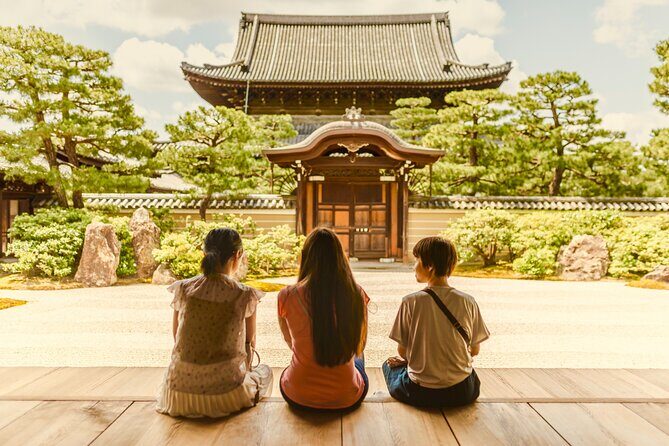
Kyoto rewards slow looking. The problem is you can’t slow down if you’re constantly figuring out where to go next, how to pronounce things, and whether you’re walking in the right direction. This tour solves that with a private, local-led format in roughly 3 to 4 hours, so you get a lot of meaning without losing the whole day to planning.
The value here isn’t just seeing famous sights. It is getting context while you walk. A shrine stop is more than a photo spot when your host explains why it matters, how it connects to Kyoto’s founding, and what to notice in the approach, grounds, and buildings. Likewise, neighborhood strolls become practical when someone points out where locals shop, how streets feel at different times, and what the Kamogawa River area looks like beyond the main postcards.
This tour also feels especially friendly for first-time Japan visitors. Language barriers are real, and even confident walkers can get turned around. A local host means your day stays on track, and you can spend your energy on observing instead of decoding.
You can also read our reviews of more walking tours in Kyoto



Meeting at Starbucks Sanjo-ohashi and setting the pace
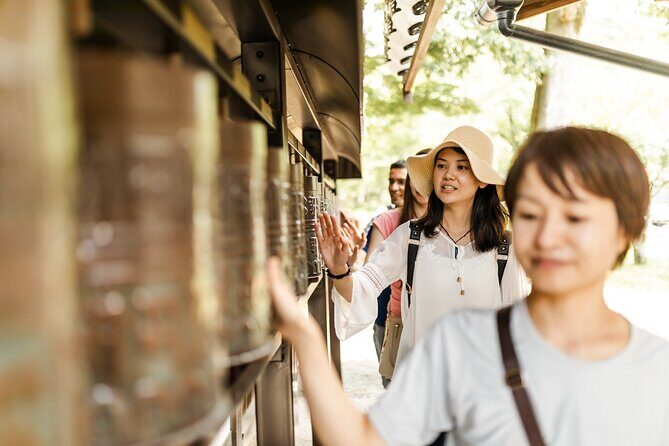
The tour starts at Starbucks Coffee – Kyoto Sanjo-ohashi Bridge (Nakagyo Ward, Nakajimachō, near the Omiya Building). It ends back at the same meeting point. That matters more than it sounds: it reduces the risk of ending your day miles away from where you started, and it makes it easier to plan your next meal or transit.
Before you go, you get a pre-tour questionnaire. After booking, you’ll have direct communication with your host to build a route that matches your interests and pace. In practice, that’s what turns a generic “Kyoto highlight walk” into something you can actually enjoy. If you care more about temples than shopping, you’ll likely spend more time where it counts. If you’re traveling with kids, grandparents, or you just move slower, the host can adjust the tempo and what you prioritize.
You’ll also choose a flexible start time. That’s huge in Kyoto because lighting changes quickly and crowds can swing throughout the day. Even the difference between a sharper morning vs. later afternoon can affect how enjoyable the streets feel.
One more practical note: pickup is listed as offered, but the meeting point is clearly at that Starbucks. If pickup is important to you, confirm what’s possible when you message your host during itinerary planning.
Sanjo area and the Kamogawa River: where everyday Kyoto shows up
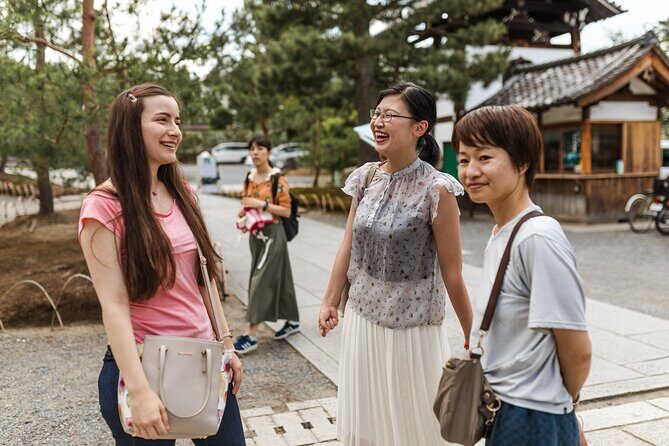
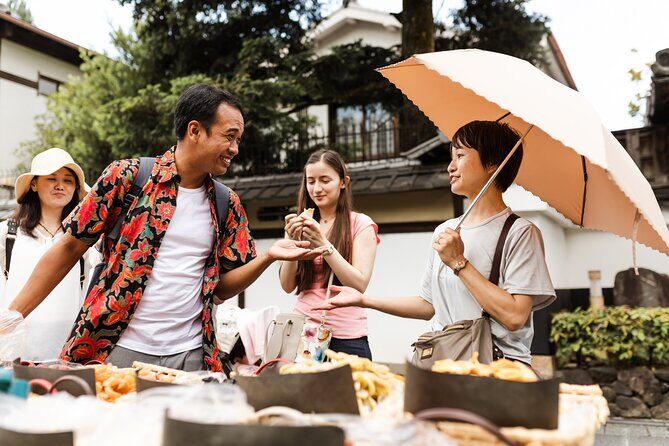
A big chunk of the experience often centers on Sanjo, an area known for historic family-run shops and specialty stores. Walking here is a smart way to get grounded fast, because you see how the city’s local commerce and old streets sit side by side.
Expect a relaxed stroll with your guide sharing stories about Kyoto’s heritage and local traditions while you move through the neighborhood. One highlight is the walk along the Kamogawa River. This is one of those Kyoto experiences that changes dramatically depending on season and time of day. Even without saying anything dramatic, the river gives you a visual reset: you’re not just stacking shrine after shrine—you’re learning the rhythm of where people actually spend time.
What to watch for:
- storefronts and shop layouts that feel distinct from modern shopping streets
- street scale—Kyoto’s lanes can feel tight, so you’ll want to pay attention to how you navigate them
- small pauses the guide may suggest so you can look without rushing
A realistic trade-off: Sanjo and river-adjacent streets can be busy at certain hours. Your host’s job is to manage that, and the tour structure is private, so you can usually move at a pace that works for your group instead of getting shoved into a fixed flow.
Gion lanes and Tatsumi Bridge: iconic without losing your day
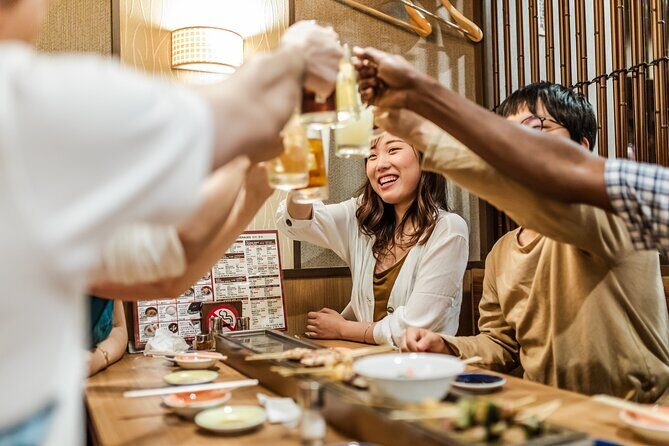
Next comes Kyoto’s classic entertainment district area, where you walk through atmosphere-filled lanes lined with traditional wooden townhouses and teahouse-style architecture, plus refined dining streets. If you’ve seen Gion only in guidebook photos, you’ll likely notice that the real feeling comes from the street geometry and the way buildings frame narrow passages.
A key detail here is the cross over Tatsumi Bridge. That bridge crossing can give your brain a clean “segment break” in the walk—like moving from one Kyoto mood to another. You also get a scenic transition that helps the half-day itinerary feel varied instead of repetitive.
This is one of the best parts of a walking tour like this because it’s not just about the big signs. It’s about learning what to look at:
- the lane-by-lane feel (Kyoto’s signature narrow street experience)
- the building types—townhouse proportions, wooden facades, and how they sit close to the street
- the way your guide explains the role of entertainment districts in historical Kyoto
How to make this stop work for you: bring your phone for photos, but also keep some time where you don’t shoot. The guide’s stories land better when you slow down for a few minutes.
Yasaka Shrine: a long-running guardian shrine plus festival context
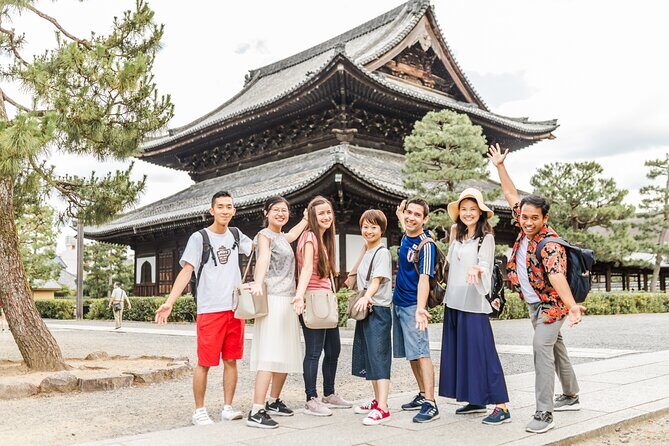
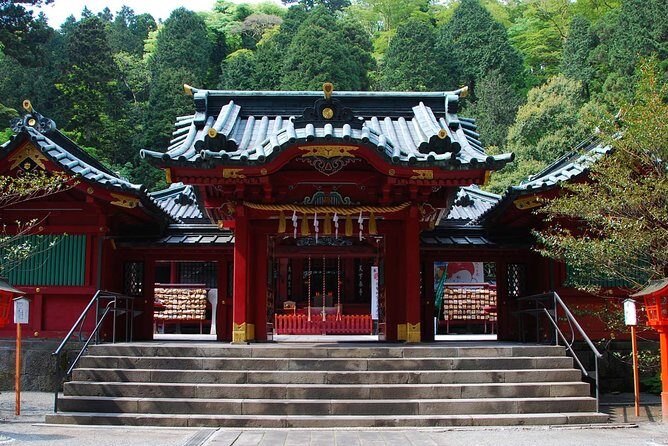
At Yasaka Shrine, you’ll see architecture that draws attention right away, but the real payoff is the meaning. This shrine is described as Kyoto’s guardian shrine for over 1,350 years, and you’ll learn about its connection to the Gion Matsuri, one of Japan’s best-known cultural events.
This stop works well in a half-day itinerary because it ties together themes you may have noticed earlier: Kyoto’s layers of tradition, the way festivals connect to specific places, and why certain shrines are central rather than optional.
What I recommend you do during this part:
- take a moment to read the atmosphere first, then follow your guide’s pointers
- ask your host what people typically notice during festival season, even if you’re not visiting then
- keep an eye on the approach details your guide highlights, since shrine entryways are designed for observation, not just entry
Potential drawback: shrines can be crowded depending on date and time. The tour is private, which helps, but you’ll still want to be ready for waiting or slower movement in peak moments.
You can also read our reviews of more private tours in Kyoto



The 1895 torii approach: why emperors and Kyoto’s founding matter
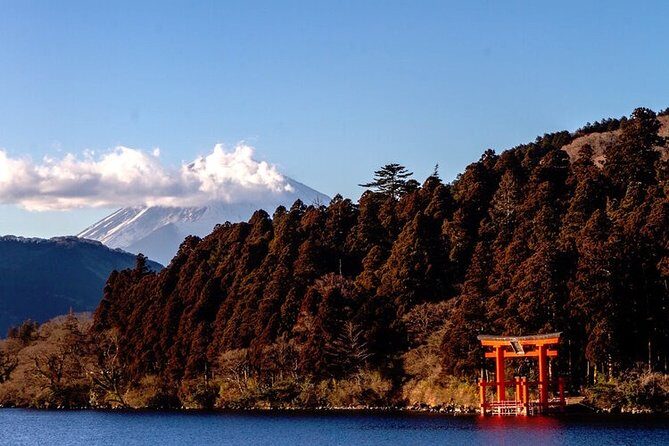
You’ll also spend time at a grand torii gate and broad approach connected to a shrine built in 1895. Your host explains its connection to Kyoto’s founding and the spirits of the emperors it enshrines.
This is a smart contrast point after Yasaka Shrine. Even if you’ve seen torii gates before, learning how a specific torii-gate approach was built and what it symbolizes changes how you experience it. Instead of thinking, I’m walking through another shrine entrance, you’re thinking, this is a deliberate design tied to imperial history and Kyoto’s identity.
Keep expectations realistic: you’re not doing a museum-style lecture. This is still a walking experience, so your host’s explanations are designed to fit the pace. If you love facts, you may enjoy the chance to ask follow-up questions. If you prefer slower, more visual time, you can tell your guide your preference during the questionnaire stage.
Tokugawa Ieyasu fortress grounds: Edo power made walkable
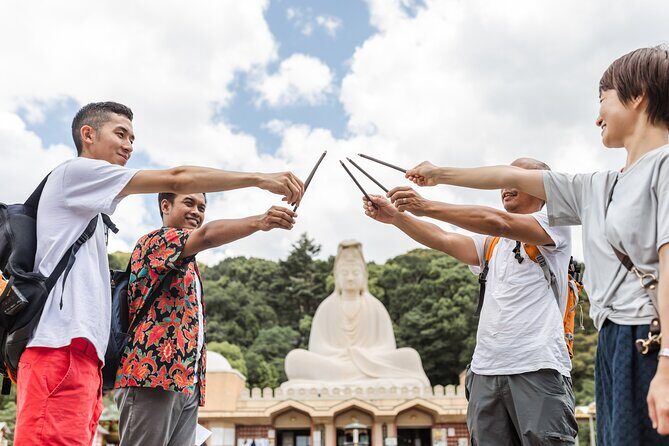
The itinerary also includes an Edo-period fortress built to show the power of Tokugawa Ieyasu. This type of stop can be a turning point, because it shifts the story from religious tradition and city life into political power and the architecture of authority.
Walking the grounds gives you a different kind of learning. You start to see how physical layout supports control and order: walls, gates, and space planning. And then your guide connects those clues to samurai-era themes—samurai, shoguns, and Kyoto’s dramatic history.
Two ways to enjoy this stop:
- Look at structure first, then let your guide translate what it likely signaled at the time
- Ask how the fortress connects to the city beyond the day you’re standing there
One small consideration: as with other key sights, this part can involve more walking within the site itself. If you have mobility limitations, mention it early in your messaging so your host can adjust pacing and what portion you cover.
Price and value: what $137.74 buys (and what doesn’t)
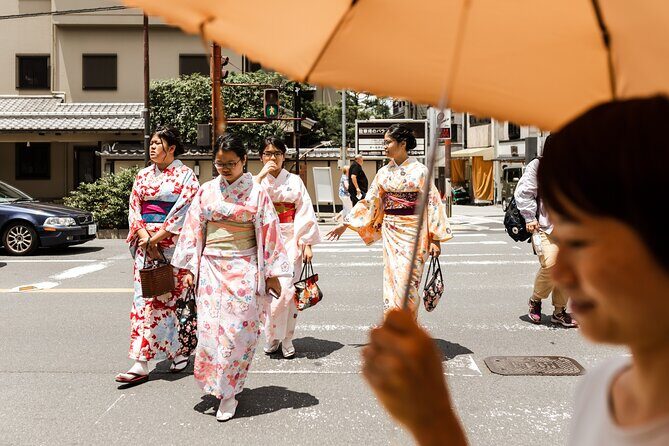
At $137.74 per person, this is not the cheapest way to see Kyoto. But it is designed for value through time savings and personalization. You’re paying for a local host who can:
- tailor your day based on a pre-tour questionnaire
- manage routing so you don’t waste time getting lost
- explain what you’re seeing in a way that fits a half-day walk
- adjust when you need slower pacing or crowd avoidance
Included in the price:
- a private, personalized 4-hour walking experience with a local host
- flexible start times
- pre-tour questionnaire and direct communication for recommendations
Not included:
- food and drinks
- attraction tickets
- transportation
Transportation is mostly walking, with the possibility of public transport or local taxis for transfers at additional cost (your host discusses exact costs after booking). That’s fair, but it means you should budget a little for transit if your route requires it.
Also, if you’re hoping this tour includes meals or paid admissions, plan to pay separately. This tour is about steering and context, not covering everything for you.
What to bring: weather, comfort, and photo planning
Because it’s a 3–4 hour walking experience, comfort is the real hidden cost. A cold day in Kyoto can bite harder than you expect, and one guide-led experience included notes about chilly weather. So I suggest packing like locals do: warm layers, weather-appropriate outerwear, and shoes you’re willing to walk in for hours.
Other practical items:
- A small bag for water and layers
- Your phone for photos, plus enough storage
- Any must-sees you want to mention during the questionnaire, so your host can steer around them
For food: since it’s not included, you’ll want a plan for a quick snack during the tour if needed. If you tell your host about dietary preferences, you might get local suggestions even if you still pay on your own.
Guide style: what the named hosts teach you to expect
One of the best parts of this tour format is how clearly guides adapt to different needs. In the guide examples linked with this experience, you’ll see patterns that match what makes walking tours work:
- Woohee tailoring a route around your interests and pace, including temples, shrines, markets, and geisha-area streets
- Mai helping manage busy transit moments and making sure the day stays smooth, plus offering photo help and continuing with recommendations after the tour
- Andy focusing on less crowded spots when that’s what you want
- Ada coordinating in advance, staying punctual and gracious, and even helping with Japanese phone calls
- Papa Ninja bringing knowledge and memorable temple time, even when weather is rough
- Alexi Tsubasa mapping out artisan/shop stops and guiding you to a satisfying sukiyaki experience—plus sending a map in advance
You don’t need to know all the guide names to benefit. The point is this: the host role is active. You get someone who can steer you through Kyoto’s busiest moments and still protect your interests.
Who should book this Kyoto private walking tour
This is a great fit if:
- you want a first-time Kyoto orientation without wasting hours figuring out routes
- you like walking neighborhoods and learning meaning as you go
- you care about a flexible itinerary that can match history, temples, shrines, markets, and Kyoto’s cultural side
It might be less ideal if:
- you want a fully ticketed, meal-included day (this one is not built that way)
- you have limited stamina for a walking-centered 3–4 hours, even with pacing adjustments
If you’re traveling with a mix of ages (and you want someone to handle pacing), the private format is exactly the kind of structure that keeps family days from turning into frustration.
Should you book it?
Yes, if you want a Kyoto day that feels guided but not rigid. Paying for a private local host makes sense when you value time, orientation, and explanation, not just checkpoints. The route’s arc—from Sanjo and the Kamogawa area to Gion lanes, Yasaka Shrine, and a Tokugawa Ieyasu-linked Edo-period fortress—covers major themes in a way that can feel cohesive, not scattered.
Hold off or be extra clear with your host if you’re hoping the price covers admissions and meals, or if your plans depend on very specific accessibility needs. In that case, messaging early is your best move so the itinerary matches your reality.
FAQ
How long is the Kyoto private walking tour?
It runs about 3 to 4 hours.
Is the tour private?
Yes. It is a private tour, and only your group participates.
Where does the tour start and end?
It starts at Starbucks Coffee – Kyoto Sanjo-ohashi Bridge and ends back at the same meeting point.
What’s included in the price?
You get a private, personalized 4-hour walking experience with a local host, flexible start times, a pre-tour questionnaire, and direct communication for itinerary planning and local recommendations.
Is food, drinks, or attraction tickets included?
No. Food, drinks, and attraction tickets are not included.
Can I cancel for free?
Yes, free cancellation is available. You can cancel up to 24 hours in advance for a full refund; within 24 hours, the amount paid is not refunded.