REVIEW · KYOTO
Kyoto: Private tour with Kyoto’s licensed guide. Spanish
Book on GetYourGuide →Operated by Kyoto Guide · Bookable on GetYourGuide
Kyoto can be a lot, fast. This private Spanish tour keeps it organized with a city-licensed guide and clear explanations that make each stop click. I really liked the iPad-style explanations (easy to follow, even when you’re standing in a temple courtyard), and I also love that the guide helps with photos so you’re not stuck taking awkward selfies. The one downside is the day involves steady walking and public transit, so it’s not ideal if you need frequent breaks.
You’ll start at Kyoto Station, then hop between the city’s biggest hits without guessing your way around. The plan covers five major landmarks plus Kyoto’s classic neighborhoods, so you get both history and the everyday Kyoto vibe in one go. It runs rain or shine, so wear shoes that can handle wet sidewalks.
Key tour strengths (in plain English)
- City-licensed, Spanish-speaking guide: you get local context, not just a checklist.
- iPad explanations on the move: you can understand what you’re seeing without stopping every two minutes.
- Big-name temples, thoughtfully linked: Kinkaku-ji, Nijo Castle, Fushimi Inari, Kiyomizu-dera, plus Gion.
- Nishiki Market lunch break: perfect time to eat and reset without turning the day into a food tour.
- Photography help included: the guide will take as many pictures of you as you want.
- Public transport + walking, but no long stair marathons: built for a normal walking day, not mountain hiking.
In This Review
- First impressions at Kyoto Station (and why the pickup matters)
- Kinkaku-ji (Golden Pavilion): what to notice beyond the photos
- Nijo Castle: shogunal power you can feel in the architecture
- Nishiki Market lunch break: fuel without turning the day into a detour
- Fushimi Inari Taisha: the torii walk and why it feels different
- Kiyomizu-dera: a UNESCO temple plus the streets around it
- Gion with a licensed guide: seeing the district at the right time
- Getting around like a local: the transit rhythm and pacing
- What you pay for (and what you don’t)
- The iPad explanation style: why it helps in crowded places
- Photo-friendly, but with respect for temple rules
- Who this private Kyoto tour fits best
- Should you book this Kyoto private Spanish tour?
- FAQ
- Is this tour private?
- What language is the guide?
- Where is the pickup in Kyoto?
- How long is the tour?
- Are temple entrance fees included?
- Is food included?
- Can I take photos everywhere inside temples?
First impressions at Kyoto Station (and why the pickup matters)
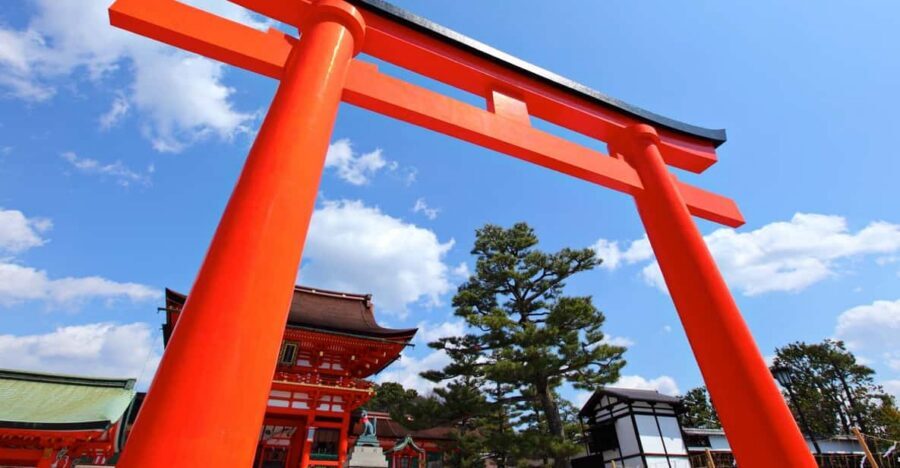
Meeting in front of Seven Eleven at Kyoto Station keeps the start stress-free. Kyoto Station is big enough to swallow first-timers, so having a clear pickup point is a real quality-of-life upgrade.
From there, you’ll use public transportation to reach the day’s main sights, which usually means less time wrestling with routes and more time looking at real Kyoto. Because it’s a private group, you can set a comfortable pace with your guide instead of being swept along with strangers.
Also note the “rain or shine” approach. The itinerary is built for real weather, not good-weather fantasy. Bring shoes you trust on slick pavement, because you’ll be on your feet for multiple temple areas.
Kinkaku-ji (Golden Pavilion): what to notice beyond the photos
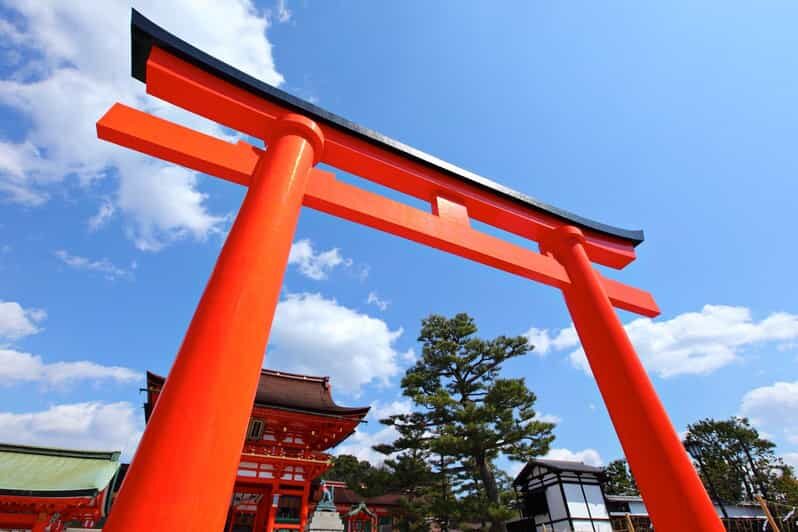
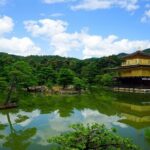
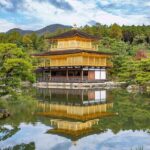
Kinkaku-ji, or the Golden Pavilion, is one of those places where the postcard is accurate, but incomplete. The upper two floors are covered with gold leaf, and the guide’s explanation helps you understand why that mattered: it wasn’t only decoration, it signaled power, wealth, and devotion in Zen Buddhist culture.
Your time here is guided, so you’ll know where to stand and what details to look for. The guide can also help you read the setting—how the temple works visually as a unified composition rather than a random collection of buildings.
Practical tip: some temple areas have rules about photos. If you love photography, I’d treat this as a “listen first, shoot second” stop. You’ll still come away with plenty of images, just not everywhere.
You can also read our reviews of more guided tours in Kyoto

Nijo Castle: shogunal power you can feel in the architecture
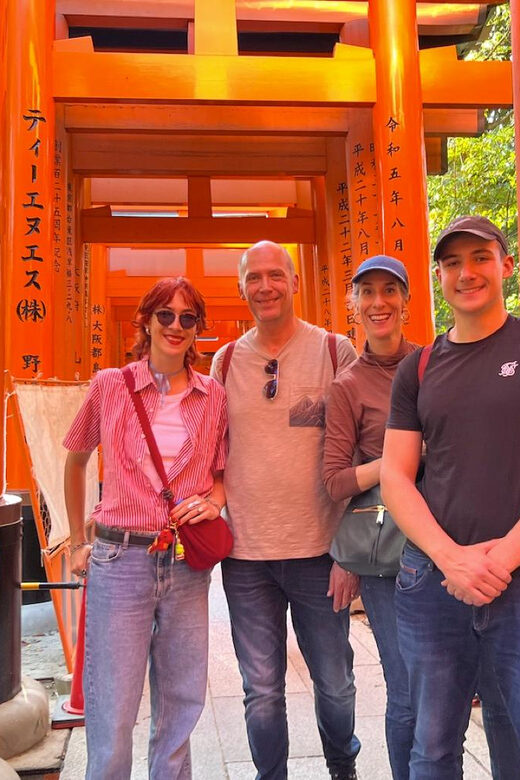
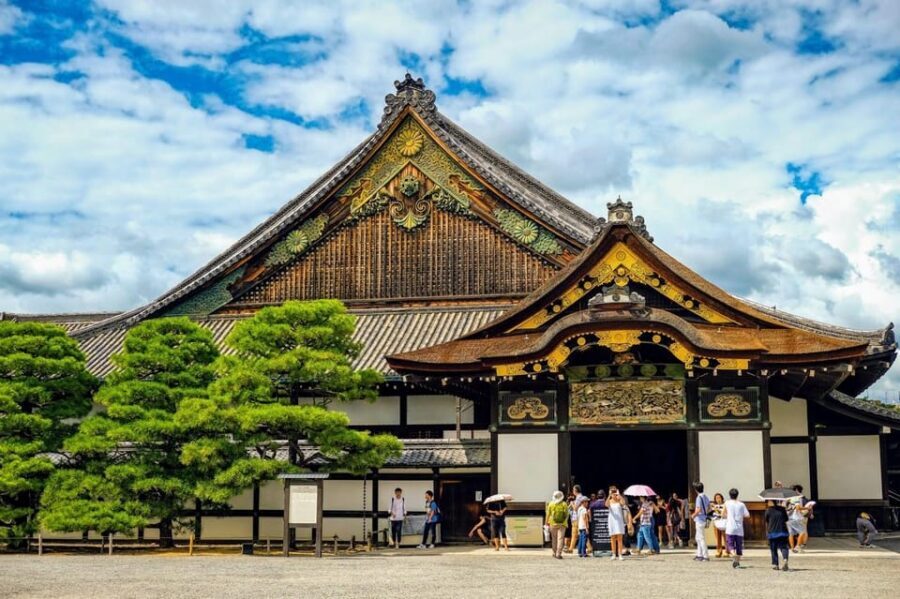
Nijo Castle is where Kyoto history gets political. This Edo period site is a UNESCO World Heritage landmark tied to the shogunate’s authority and its long influence across Japan.
The guide focuses on the big story: it served as the residence associated with Tokugawa Ieyasu, the founding shogun of the Tokugawa dynasty. That context matters because the buildings are not just pretty—they’re built to communicate rank, control, and order.
You’ll also get the “why this feels important” feeling from your guide’s pacing. Instead of rushing through rooms and corridors, you’ll understand how the castle functioned within that era’s power structure.
Why this is worth paying attention to: castles can become generic if you only look at walls. With a licensed guide, you’ll know what to connect—who lived there, what the space did, and what visitors were expected to experience.
Nishiki Market lunch break: fuel without turning the day into a detour
Nishiki Market is often called Kyoto’s kitchen, and the vibe is exactly what you want halfway through a temple-heavy day. The food stalls, ingredients, and crafts can feel like sensory overload—in a good way—so your short break is timed well.
You’ll have a break here for about a half hour. Food and drinks aren’t included, but this is a smart place to buy something small and keep moving, rather than committing to a sit-down meal you’ll regret later.
How to make it work: go in with a simple plan. Pick one snack and one souvenir-type item, then leave time to browse the food section without getting stuck deciding forever. You’re here for momentum, not a full market marathon.
Fushimi Inari Taisha: the torii walk and why it feels different
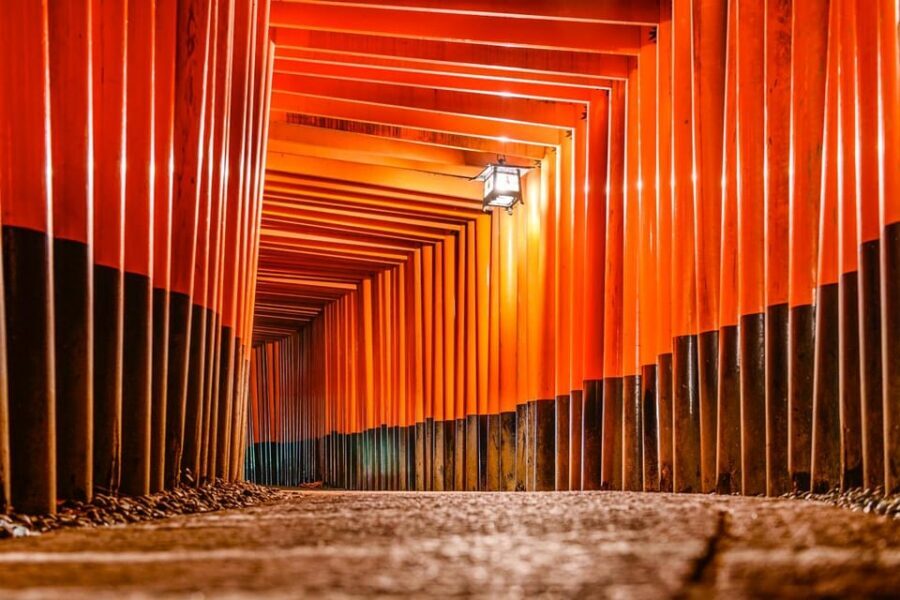
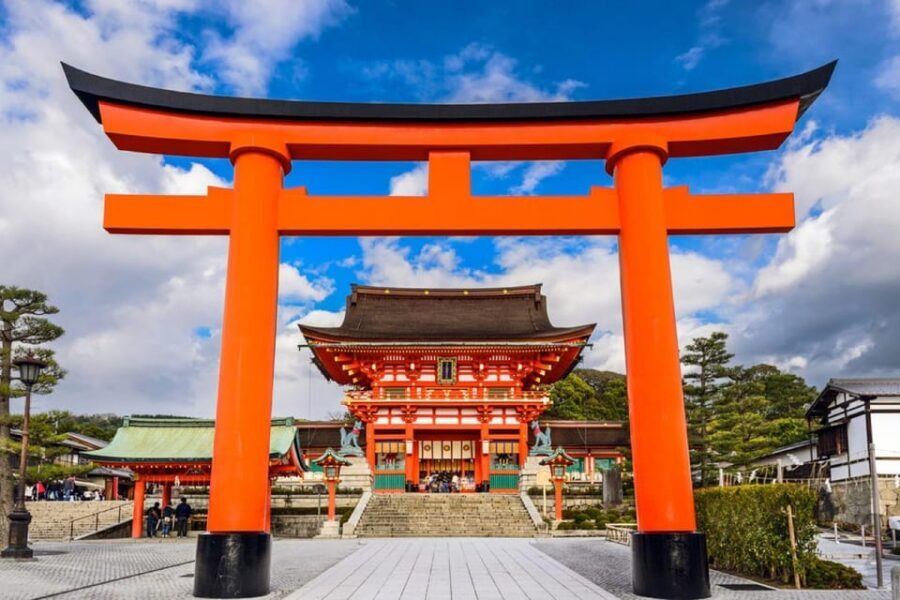
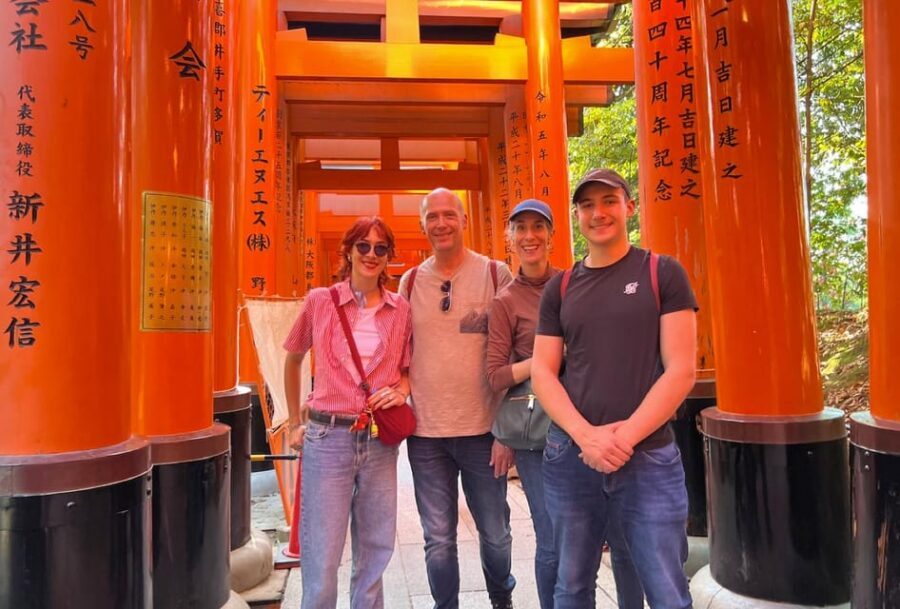
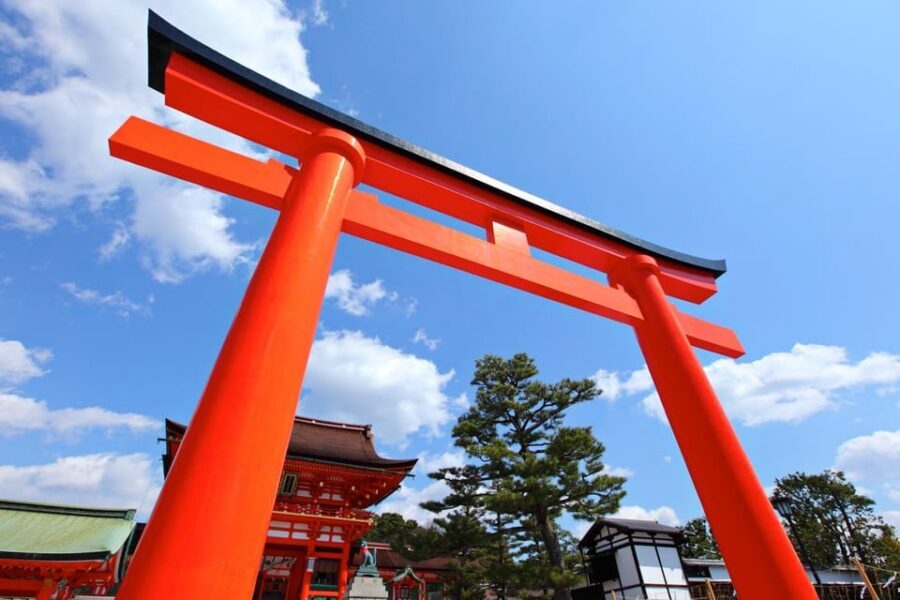
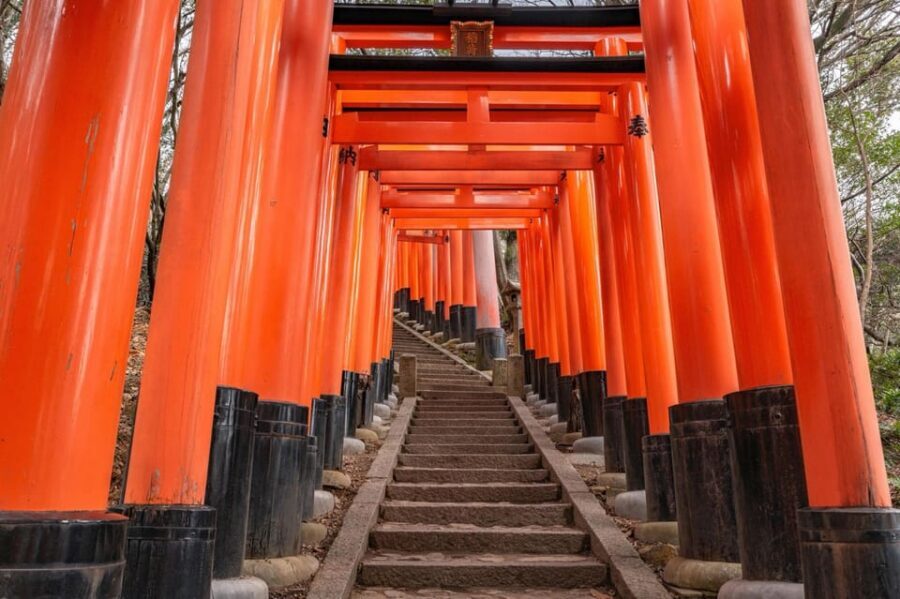
Fushimi Inari Taisha is famous for its vermillion torii gates, but the experience is more than the color. As you stroll through the paths that run behind and through the shrine structures, the whole place starts to feel like a living maze—one that keeps unfolding as you move forward.
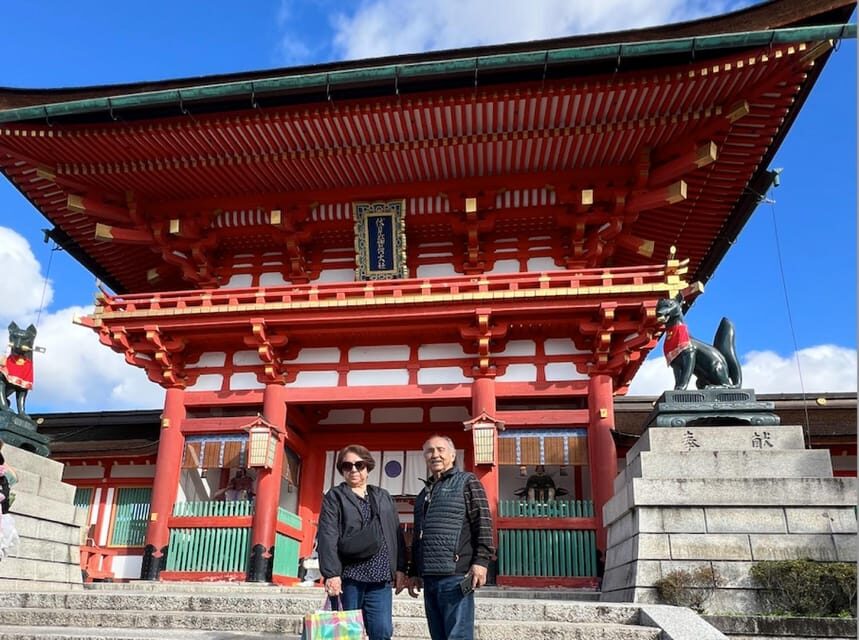
Your guide will also point out the fox statues scattered around the grounds. Even if you’ve heard the basic story of Inari before, the way it’s presented on-site tends to make it click as part of Shinto spirituality, not just a photo spot.
The guided time here is substantial enough to enjoy the walk rather than rushing through. That’s important, because the power of Fushimi Inari is the gradual shift from main area views to tunnel-like gate patterns.
Photo reality check: torii gates are photo magnets, but don’t block walkways or stop in the middle. If you want the best images, step aside when the flow gets thick and let people pass.
Kiyomizu-dera: a UNESCO temple plus the streets around it
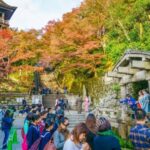
Kiyomizu-dera is another UNESCO World Heritage stop and one of Japan’s most recognizable temple complexes. The guide’s explanation helps you place it in Buddhist tradition and Japanese culture, so you’re not just standing at a famous viewpoint.
What I liked most here is the pairing with the surrounding streets—Sannenzaka and Ninenzaka. These areas are known for shops selling Kyoto sweets, souvenirs, and traditional crafts, and they make the temple feel like it’s part of daily life, not a museum piece.
This stop has extra layers: the temple itself, the walking paths inside the complex, and then the historic-street atmosphere afterward. It’s the kind of combo that gives you both meaning and “Kyoto memories” in one block.
Important practical note: indoor rules sometimes limit photography in temples. Also, there’s quite a bit of walking once you’re inside temple areas. If you know you get tired fast, plan for a steady day and wear shoes with good grip.
You can also read our reviews of more private tours in Kyoto


Gion with a licensed guide: seeing the district at the right time
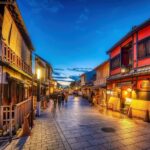
Gion is where Kyoto’s old streets become real. The area is associated with geiko (Kyoto’s name for geisha) and maiko, plus the traditional arts linked to them—music, dance, and tea ceremony culture.
Even if you don’t catch a geiko or maiko in full attire, the streets tell the story. Wooden machiya townhouses, tea houses (ochaya), and cobblestone lanes preserve the feel of older Kyoto, especially as the light changes and people move toward appointments.
Your guided time here is shorter, so it functions like a guided “orientation” through the district. That’s a great use of time because it gives you clues for what to notice afterward when you explore on your own.
Getting around like a local: the transit rhythm and pacing
This tour uses a mix of subway/metro, buses/coaches, trains, and walking. That might sound like a lot, but the benefit is smart routing: you’re not burning the day trying to figure out how to cross the city efficiently.
At roughly 510 minutes total (about 8.5 hours), the pacing is full but not designed to feel like a 12-hour grind. Still, it’s very much a walking tour. The guide won’t climb mountains or do long stair marathons, but temples still have multiple walking sections, and some areas may require more steps than you expect.
If you have back problems, need frequent rest, or use leg prosthetics, this is something to think through carefully. It’s best for people who can handle a busy day on foot and can stand/walk through temple routes.
What you pay for (and what you don’t)
One big value point: the guide’s entrance fees and transportation are not on you. Your main additional costs are temple entrance fees you’ll likely encounter during the day.
Based on the tour details, expect:
- Golden Pavilion entrance: 500 yen (about US$3.10)
- Kiyomizu-dera entrance: 500 yen (about US$3.10)
- Nijo Castle entrance: 1,300 yen (about US$8.50)
- Fushimi Inari: free
- Geisha District: free
Food and drinks aren’t included. The Nishiki Market stop includes time for a short lunch, but you’ll be choosing and paying for what you want.
Is it good value? For many visitors, yes—because you’re paying for a city-licensed guide and private pacing through high-demand Kyoto icons. If you’d otherwise piece this together on your own, entrance fees plus transit plus time spent figuring things out can add up fast. Here, the guide’s job is to compress your learning curve.
The iPad explanation style: why it helps in crowded places
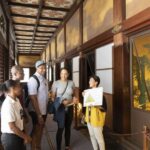
I like tours that explain what you’re looking at while you’re still there. The guide uses an iPad with explanations designed for better comprehension, which is handy when you’re surrounded by people and the details can get lost.
In practice, it means you’re less dependent on guesswork like:
- What am I seeing right here?
- Why does this building matter?
- What’s the connection between the sights?
That kind of guided clarity makes the “big name” stops feel personal and not just famous.
Photo-friendly, but with respect for temple rules
You can ask for as many pictures as you want, and the guide will help. That’s a small thing until you’re actually standing somewhere iconic and realizing you don’t want to ruin a moment by disappearing behind your camera.
At the same time, some parts of temples limit photography. The best move is to let your guide indicate where photos are allowed. You’ll still get great shots, but you’ll avoid the awkward stop-and-ask feeling.
Who this private Kyoto tour fits best
This works best if you want a guided, Spanish-language day that hits Kyoto’s core landmarks without wasting time on logistics.
It’s a strong choice for:
- Adults who can handle walking through temple areas
- Couples or small private groups who want a quieter pace
- Spanish-speaking visitors who want clear explanations (not just a few English facts)
It’s not a great match if:
- You need lots of frequent rests
- You have back problems or limited mobility
- You’re traveling with children under 7
- Your fitness level is low or you’re over 287 lbs (130 kg)
Should you book this Kyoto private Spanish tour?
I’d book it if you want the most important Kyoto sights in one organized day, with a guide who can explain what you’re seeing in Spanish and help you move confidently from place to place. The big win is the combination of city-licensed guidance, practical pacing, and extra support for photos.
I’d skip it or look for a lighter program if you know your body needs frequent breaks, because temple walking adds up. Also, plan on a realistic budget for temple entrance fees and remember food and drinks are on your own.
If you like structure, context, and a smooth handoff to self-exploring afterward, this is the kind of tour that makes Kyoto feel manageable instead of overwhelming.
FAQ
Is this tour private?
Yes. It’s a private group tour with a live Spanish guide.
What language is the guide?
The tour is conducted in Spanish.
Where is the pickup in Kyoto?
Pickup is included at Kyoto Station, in front of Seven Eleven.
How long is the tour?
The total duration is 510 minutes.
Are temple entrance fees included?
Not all of them. Entrance fees for Golden Pavilion, Kiyomizu-dera, and Nijo Castle are not included. Fushimi Inari and the Geisha District are free.
Is food included?
Food and drinks are not included, though there is a short lunch break time at Nishiki Market.
Can I take photos everywhere inside temples?
No. Some temple areas forbid photography.