REVIEW · TOKYO
Okonomiyaki & Gyoza Cooking Class with Local Supermarket Visit
Book on Viator →Operated by YUCa's Japanese Cooking · Bookable on Viator
Cooking in a Tokyo home beats eating out. You get hands-on instruction for okonomiyaki and gyoza, plus a simple way to learn what to buy during a nearby supermarket stop. I especially like the small-group feel, and how the local ingredients lesson is built into the day—not tacked on. One consideration: the supermarket tour is optional, so your day can feel more like a cooking-focused class than a full shopping-and-sightseeing outing.
If you want food that’s more than just ordering, this is a strong pick. You’ll meet in the Arakawa area at YUCa’s Japanese Cooking, get a short talk about Japanese food culture and ingredients, cook and taste your meal, and then have the chance to see the real grocery-store setup. The one-way taxi ride is also a practical bonus for starting and ending your route without hassle.
In This Review
- Key Things That Make This Class Worth Your Time
- Okonomiyaki + Gyoza: A Smarter Way to Learn Japanese Cooking
- YUCa’s Japanese Cooking in Arakawa: Small Group, Home-Kitchen Energy
- The Day’s Flow: From 10:15 Lecture to 12:30 Tasting
- 10:15 to 10:30: The Lecture That Makes Ingredients Make Sense
- Cooking and Tasting (10:30–12:30): What You’ll Actually Practice
- Okonomiyaki: Savory Pancake Skills
- Gyoza: Filling, Wrapping, and Pan-Cooked Precision
- Tasting: You Learn Through the Finish
- Optional 12:30–13:00 Supermarket Tour: The Ingredient Reality Check
- The Price ($121.89) and Why the Inclusions Matter
- Getting There Without Stress: Mobile Ticket and Public Transit Access
- Who Should Book This Class (and Who Might Skip)
- Should You Book It? My Take
- FAQ
- FAQ
- What dishes will I learn to make?
- How long is the cooking class?
- Is lunch included?
- Is the supermarket tour included in the main plan?
- Is a taxi ride included?
- How many people are in the group?
- Where does the class start?
- What happens after the cooking and tasting?
- How flexible is cancellation?
- When do I meet and start the program?
Key Things That Make This Class Worth Your Time
- Two signature dishes: okonomiyaki and gyoza, both hands-on
- A short lecture window (Japanese food culture + ingredient context) before cooking
- Lunch + tasting built in, so you’re not just watching or nibbling
- Small group size (max 7), which helps the instruction stay approachable
- Optional local supermarket tour to connect recipes to what you can actually buy
Okonomiyaki + Gyoza: A Smarter Way to Learn Japanese Cooking
Okonomiyaki and gyoza are perfect pairings if you want real-world skills. They teach different techniques: okonomiyaki rewards attention to texture and timing, while gyoza pushes you into filling, shaping, and pan-cooking know-how.
What I like most is that the class doesn’t stop at flavor. You’re learning how these foods come together—so you can recreate the idea later, not just remember the taste. And because lunch is included, the day stays fun instead of turning into a “wait until dinner” grind.
One more practical benefit: these are everyday-style Japanese foods. That means the grocery-store knowledge you pick up later can actually travel home with you, whether you’re cooking for yourself or hosting friends.
You can also read our reviews of more cooking classes in Tokyo
YUCa’s Japanese Cooking in Arakawa: Small Group, Home-Kitchen Energy
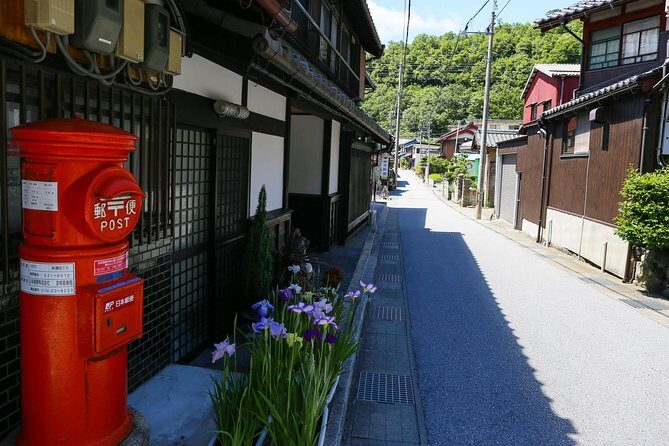
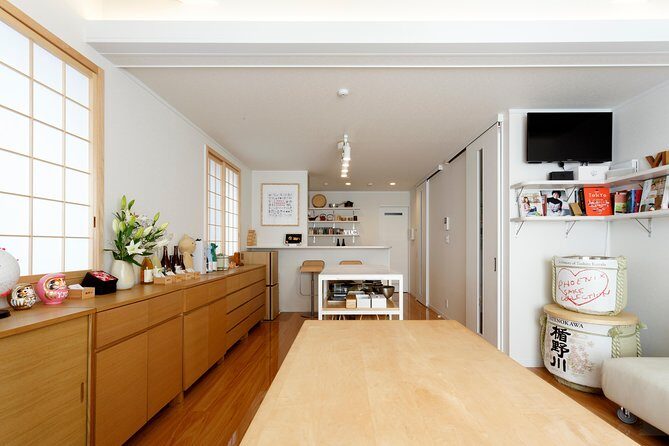
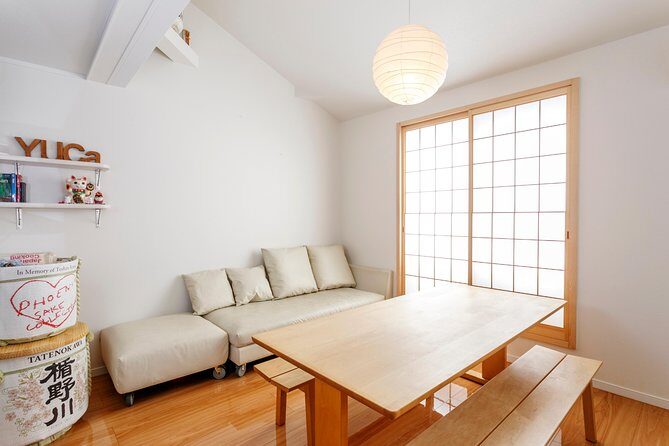
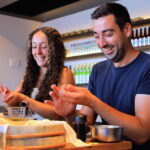
This class is run at YUCa’s Japanese Cooking in Arakawa City (Nishiogu). The start point is tied to a residential neighborhood, so you’re not stuck in a touristy studio. Instead, you’re getting that lived-in feeling of Japanese home cooking—where the pace is relaxed, and the goal is you finishing the food, not just taking photos.
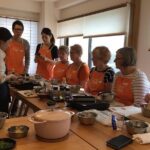
The maximum group size of 7 matters more than it sounds. With a small table setup, questions don’t get lost, and you’re more likely to get corrections while you cook. In a bigger group, you often spend half your time waiting your turn. Here, the structure supports hands-on participation.
Also, English support is a recurring theme in the feedback you can see in the way people describe the experience. That’s important because cooking classes live or die on clarity—one missed step can throw off the whole result.
The Day’s Flow: From 10:15 Lecture to 12:30 Tasting
The schedule is nicely paced. You meet around 9:50–10:00, and then you jump into a short lecture from 10:15–10:30. This matters because it sets up the cooking so you’re not just following moves blindly.
After that, you cook and taste 10:30–12:30, which is the core of the experience. There’s enough time to learn, make mistakes, adjust, and still end with a finished meal you can enjoy.
Then you have the option of continuing with a supermarket tour from 12:30–13:00. Optional doesn’t mean “extra fluff.” It’s a real chance to connect ingredients to your dish, which is where a cooking class can become genuinely useful for future meals.
10:15 to 10:30: The Lecture That Makes Ingredients Make Sense
Before you touch a pan, you get a lecture covering Japanese food culture and ingredients. I like this because it answers the question you’d otherwise have while cooking: why does this ingredient work here?
You’re not only being told what to use—you’re building mental context. That makes it easier to swap ingredients later when you’re outside Japan. Even if you don’t replicate every brand at home, you’ll understand the role ingredients play in the final texture and flavor.
This also helps you notice details that most people miss when they cook at home: how a batter behaves, what the filling texture should feel like, and how vegetables should contribute to moisture rather than turning soggy.
Cooking and Tasting (10:30–12:30): What You’ll Actually Practice
This is the hands-on block, and it’s where you’ll feel the most progress. You’re making okonomiyaki and gyoza, with enough time to work through the steps and then taste what you made.
A few more Tokyo tours and experiences worth a look



Okonomiyaki: Savory Pancake Skills
Okonomiyaki is often described as a savory pancake, but it’s really a texture lesson. You’re working with batter, toppings, and the right cooking pace so the pancake sets without going dry.
In a class like this, what you’re learning is control: how heat affects the exterior, how vegetables contribute moisture, and how the final bite holds together. That’s the part you can’t get from a recipe alone.
Gyoza: Filling, Wrapping, and Pan-Cooked Precision
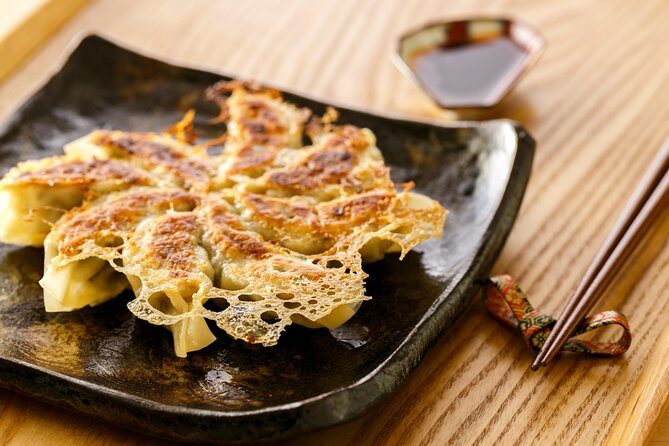
Gyoza is dumpling work, so you’ll practice the motions that make the difference between “wrapped” and “actually good dumplings.” You’re dealing with minced pork and vegetables, and the goal is a filling that cooks through and tastes balanced.
People often mention that the instructions are easy to follow, which is exactly what you want here. Dumplings are not the easiest thing to wing, so having clear guidance—and time to work—keeps the class from feeling stressful.
One interesting note from the feedback: some participants mentioned learning more beyond the two core dishes, including ramen. That said, the main focus remains okonomiyaki and gyoza, so you’re safe expecting those as the center of the lesson.
Tasting: You Learn Through the Finish
Because you taste what you cook, you also get fast feedback. If something is off—too thick, undercooked, or too wet—you can understand what changed and how to correct it next time. It’s one of the best ways to convert a cooking class into real skill.
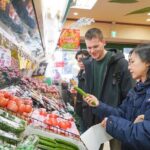
Optional 12:30–13:00 Supermarket Tour: The Ingredient Reality Check
The supermarket tour is optional, but I’d treat it as part of the value. This is where you stop thinking of ingredients as vague recipe items and start seeing them as actual products with different forms, textures, and labels.
Even if you don’t plan to cook the exact same brand at home, you’ll learn what to look for in the categories that matter:
- produce choices that affect moisture and texture
- ready-to-use items that simplify sauces and seasoning
- ingredient forms that help you match the dish style
The timing also helps. Since you’ve just cooked, the tour turns into a “show me what I used” moment. That connection sticks.
You’re also likely to appreciate the difference between shopping like a tourist and shopping like someone building dinner at home. Japan’s grocery culture is organized, and seeing it in action helps you build confidence for future meals.
The Price ($121.89) and Why the Inclusions Matter
At $121.89 per person for about 2 hours 30 minutes, this isn’t a cheap activity in a city full of low-cost eats. But you are paying for three things that add up quickly: instruction, a meal, and transportation help.
Here’s the value math in plain terms:
- Lunch included means you’re not spending extra for food right after the class.
- One-way taxi ride included reduces the friction of getting to the start and back by the most efficient route.
- Small group size (max 7) means you’re not just paying for a recipe card; you’re paying for time with an instructor while you cook.
If you’ve ever taken a cooking class where the “meal” is a tiny tasting portion, this one works better for most schedules. You leave satisfied, not hungry, which is a big deal in Tokyo.
Also, the fact that people book this about 47 days in advance is a hint that it stays popular. If you want your preferred date, earlier booking helps.
Getting There Without Stress: Mobile Ticket and Public Transit Access
The experience uses a mobile ticket, which is handy when you’re bouncing between stops and don’t want extra paper. The meeting point is near public transportation, so you won’t be trapped relying on complicated directions.
Because the class happens in a residential area, I’d give yourself a little buffer. You’re not walking up to a big landmark. Clear arrival timing helps you get into the room and start without rushing, especially since the day runs on a tight schedule starting around 10:00 am.
Who Should Book This Class (and Who Might Skip)
You’ll love this if you:
- want a hands-on food experience with real steps, not just watching
- like learning why ingredients work, not only copying a recipe
- prefer smaller group settings where questions get answered
- want a morning/early afternoon plan that ends with a satisfying lunch
You might skip it if you:
- only want to sample multiple foods at many spots (this is focused cooking time)
- don’t care about ingredients and shopping context, since the supermarket portion is optional
Families can also work well here. Reviews describe the class as approachable for a 10-year-old, and the instruction style sounds supportive and clear.
Should You Book It? My Take
If your goal is to leave Tokyo with an actual cooking skill, not just a meal memory, I think this is a smart booking. The combination of okonomiyaki + gyoza, included lunch, and the option to see ingredients in a local supermarket gives you both hands-on cooking and practical shopping insight.
My only caution is simple: if you hate the idea of an organized class schedule, you’ll need to be okay with the clock. But for most people who want value and real participation, this is an easy yes.
FAQ
FAQ
What dishes will I learn to make?
You’ll learn how to make okonomiyaki and gyoza.
How long is the cooking class?
The experience is about 2 hours 30 minutes.
Is lunch included?
Yes. A delicious lunch is included.
Is the supermarket tour included in the main plan?
The supermarket tour is optional, scheduled after cooking from about 12:30 to 13:00.
Is a taxi ride included?
Yes, a one-way taxi ride is included.
How many people are in the group?
The class has a maximum of 7 travelers.
Where does the class start?
The meeting point is at YUCa’s Japanese Cooking, 2-chōme-34-8 Nishiogu, Arakawa City, Tokyo 116-0011.
What happens after the cooking and tasting?
The activity ends back at the meeting point.
How flexible is cancellation?
You can cancel for a full refund if you cancel at least 24 hours before the experience start time.
When do I meet and start the program?
Meeting is around 9:50–10:00, and the start time is 10:00 am.