REVIEW · KYOTO
Private Kyoto Cooking Class with Aki in a Beautiful Wooden House
Book on Viator →Operated by Traveling Spoon · Bookable on Viator
Aki’s kitchen feels like a welcome stop in Kyoto. You get a private home class in a beautiful wooden house, plus hands-on cooking with English guidance and a chance to ask questions as you go. One note: there’s no hotel pickup, so you’ll want an easy way to reach the meeting point on your own.
This is built for a relaxed morning. The class runs about 3 hours starting at 10:30 am, with roughly an hour of cooking first and then you sit down for the meal you helped make, often with plenty of food on the table. The menus shift by season, but expect home-style dishes like chikuzenni, braised burdock root, and miso soup to show up in the mix.
In This Review
- Key Highlights You’ll Actually Care About
- Why Aki’s Wooden-House Class Beats Restaurant Cooking Lessons
- The 10:30 am Kyoto Plan: How the 3 Hours Usually Feel
- Choosing Your Seasonal Dishes: What You’ll Cook With Aki
- Miso Soup and Other Comfort Classics: The Skills Behind Familiar Flavor
- Vegetarian and Allergy Requests: Getting a Menu That Fits You
- The Meal, the Drinks, and the Real Value of Cooking at Home
- Finding the Place Near Shimogamo: Simple Arrival Tips
- Price and Value: What You Get for $95 Per Person
- Who Should Book This Private Kyoto Class With Aki
- Should You Book Aki’s Class? A Quick Decision Guide
- FAQ
- How long is the cooking class?
- Is this a private class?
- Where is the meeting point?
- Do I get the recipes in English?
- What kinds of dishes might we cook?
- Are vegetarian options available?
- Are beverages included with the meal?
- Is hotel pickup included?
Key Highlights You’ll Actually Care About
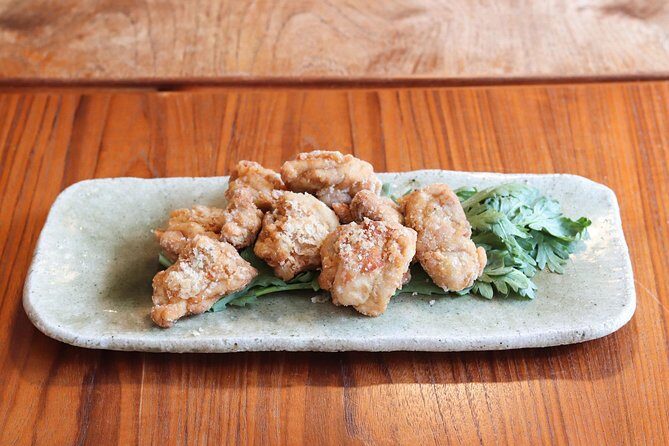
- Private, personalized cooking with Aki, not a crowd-and-assembly-line class
- Hands-on prep and cooking, so you learn by doing rather than watching
- Seasonal home-style menu choices, with options like chikuzenni and miso soup
- Clear English recipes and step-by-step help, including tips for familiar classics
- Beverages included with your meal, with non-alcoholic options listed and alcoholic drinks mentioned in the description
- Good comfort-food momentum: an hour cooking, then you eat what you made
Why Aki’s Wooden-House Class Beats Restaurant Cooking Lessons
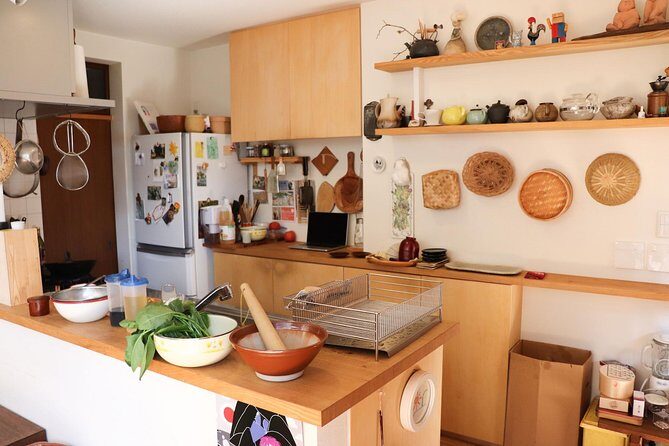
Kyoto has cooking classes everywhere. What’s different here is the setting and pace. You’re not learning in a studio or a room full of strangers. You’re in Aki’s home kitchen, in a wooden house that makes the whole experience feel human and calm.
That matters because Japanese home cooking is about small choices. The way you handle ingredients, the order you cook components, and how you adjust seasoning as you taste all come through faster when you’re close to the action. In a private home class, Aki can slow down when you need it, and she can explain why a technique works, not just what step comes next.
The other big win is the relationship angle. You’re free to stop and ask questions while you cook. That’s where you pick up the stuff you can’t easily copy from a restaurant menu: little tips, common shortcuts, and the logic behind familiar flavors.
Possible drawback to plan for: since there’s no pickup, you’ll want to build in travel time and arrive a bit early. Once you’re there, the experience is smooth—but getting to the meeting point is on you.
You can also read our reviews of more private tours in Kyoto


The 10:30 am Kyoto Plan: How the 3 Hours Usually Feel
This experience is scheduled to start at 10:30 am and runs about 3 hours. Expect a straightforward flow:
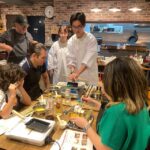
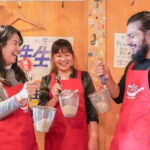
First, you’ll cook. The active cooking portion is about an hour, and it’s hands-on, meaning you’re doing prep and participating in the cooking steps rather than standing to the side.
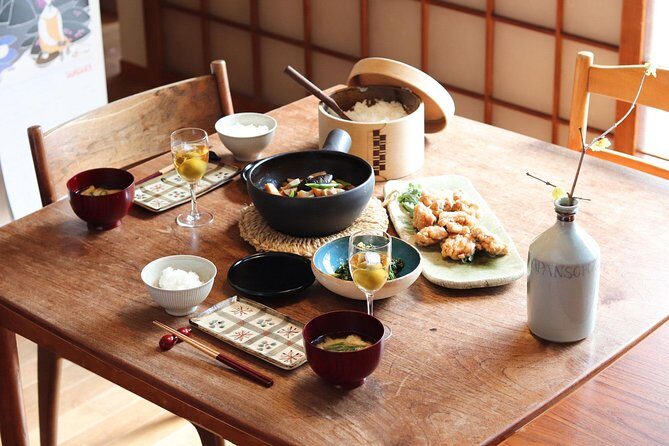
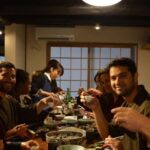
Then, you eat. After that cooking stretch, you sit down for the home-style meal you prepared together. A key practical plus from past classes: you often end up with lots of food, with reviews noting tons of leftovers. That’s not just nice for your stomach—it’s also a real value boost if you want something easy later in the day.
Why this timing works: the morning slot lets you enjoy Kyoto before crowds and before fatigue set in. If your day includes temples or markets, this can become a clean reset moment. You’ll leave fed, confident, and with recipes you can actually use later.
Choosing Your Seasonal Dishes: What You’ll Cook With Aki
Kyoto cooking changes with the calendar, and this class is designed around that. The menu is seasonal, and while your exact dishes may vary, you’ll see traditional home-style favorites.
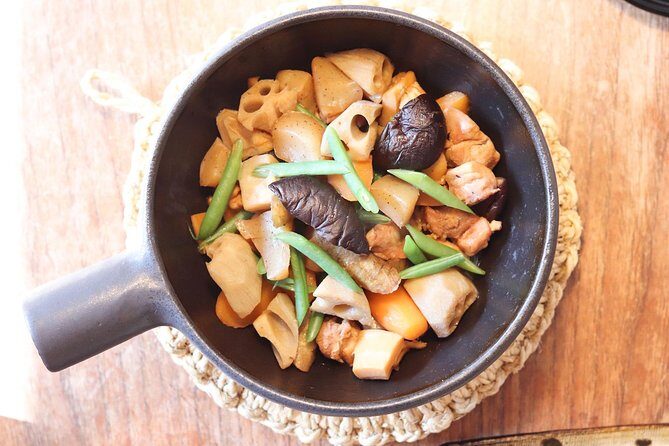
One menu that’s specifically mentioned includes:
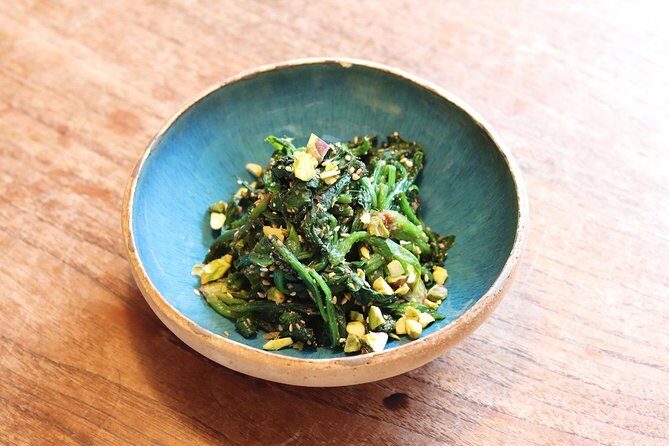
- Chikuzenni, a braised chicken-and-vegetable dish that shows how Japanese braises build flavor
- Braised burdock root, which is a great lesson in texture and patience
- Miso soup, where timing and balance matter
Even when you cook something you think you already know, the home-style approach can surprise you. You’re learning how these dishes feel in the real rhythm of a Japanese kitchen—how sauces deepen during braising, how to manage ingredients so they stay distinct, and how seasoning changes as things simmer.
You also get English recipes. That’s a big deal if you want to cook again at home. A class that only teaches you by memory is fun in the moment. A class that gives you recipes in English is the one that pays off later.
Miso Soup and Other Comfort Classics: The Skills Behind Familiar Flavor
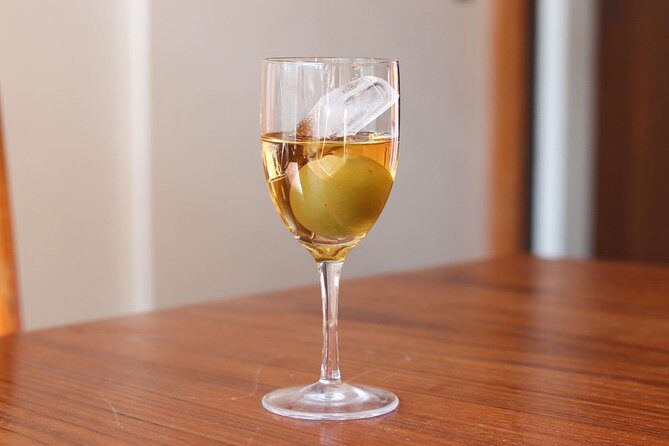
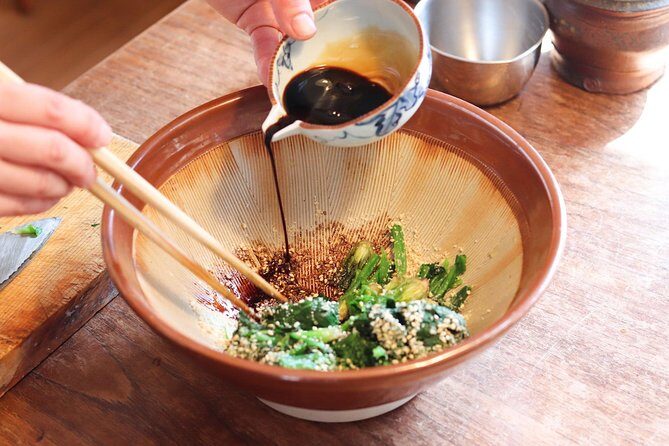
Miso soup can be as simple as it sounds, but the details are where people get stuck. This is the kind of class where Aki doesn’t just run you through steps—she explains tips for familiar classics.
What you can take away from this kind of instruction:
- How to think about timing (so ingredients stay pleasant, not overcooked)
- How to treat miso as a finishing flavor rather than something you boil hard
- How to balance the broth so it tastes layered, not flat
And because you’re cooking with guidance, you’re not left guessing. If something feels off, you can ask. If you want to understand why a step matters, you can ask. In a private setting, that back-and-forth is easy.
This is also where you learn the “home” feel of Japanese cooking. Restaurant versions can be streamlined for speed or presentation. Home cooking is built for comfort and practicality, and that practicality is what you’ll want to reproduce when you’re standing in your own kitchen later.
Vegetarian and Allergy Requests: Getting a Menu That Fits You
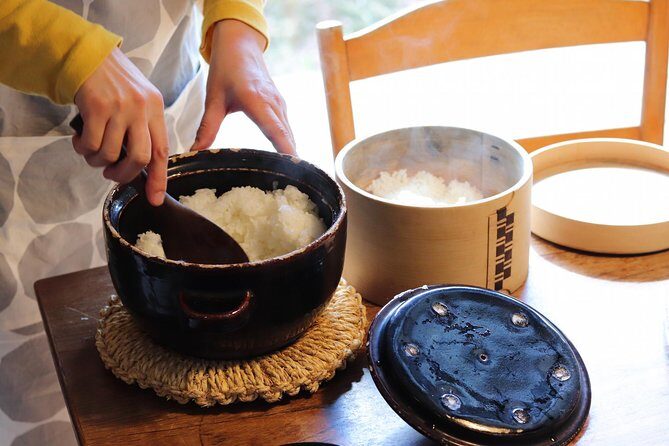
Not everyone eats the same way, and this class is set up to handle it. You can request a vegetarian option if you need one. You should also advise the host at booking if you have allergies, dietary restrictions, or cooking preferences.
That’s important for two reasons. First, it affects what you’ll actually cook—what ingredients you handle, and what substitutions you can expect. Second, it changes your comfort level during the class. If the menu fits your needs, you can focus on learning instead of worrying.
If you have restrictions, send them clearly when you book. The more specific you are, the easier it is for the host to plan the right seasonal dish path.
You can also read our reviews of more cooking classes in Kyoto

The Meal, the Drinks, and the Real Value of Cooking at Home
The best home cooking classes don’t end when the stove turns off. You want to sit down with what you made and understand it as a meal, not just a lesson.
Here, your class includes a homecooked meal after the cooking portion. The description also mentions alcoholic drinks with the experience, while the included items list specifies non-alcoholic beverages. Either way, plan on having drinks at your table, and you’ll have options that go beyond plain water.
Also: this is one of those experiences where quantity is part of the value. Reviews highlight that you may get tons of leftovers, which can help turn your cooking lesson into a multi-meal win for the rest of your day or even your next day.
One more subtle benefit: when you eat in a home setting, you tend to get a more relaxed conversation. It’s easier to ask follow-up questions and get recommendations for what to do after class because the tone is friendly and unhurried.
Finding the Place Near Shimogamo: Simple Arrival Tips
You meet at Ipponmatsu Shimogamo Matsunokicho, Sakyo Ward, Kyoto, 606-0816, Japan, and the activity ends back at the meeting point.
There’s no hotel pickup or drop-off, so plan to navigate on your own. The good news: it’s listed as near public transportation, which usually means you won’t have to arrange a private ride just to get there.
Practical approach:
- Aim to arrive a little early so you can settle in without rushing
- Build in time for a short walk once you get off the train or bus
- Bring any dietary details with you mentally, even if you already submitted them at booking
This kind of class works best when you’re not stressed about timing. A calm arrival makes the whole session better.
Price and Value: What You Get for $95 Per Person
At $95 per person for a private class, you’re paying for three things: privacy, instruction, and food.
First, it’s private. That’s a major factor because you’re getting direct attention and a chance to ask questions while you cook. For many shared cooking classes, you spend part of the time waiting. Here, you’re part of the work.
Second, you’re not only eating—you’re learning. You get English recipes and hands-on guidance through dishes like miso soup and braised items. That combination matters if you want to cook again later.
Third, you’re fed. The meal you prepare is included, and drinks are part of the experience. Add to that the likelihood of leftovers, and the cost starts to feel less like a “class ticket” and more like a meal plus a skill-building afternoon.
One practical note: this experience is described as non-refundable and not changeable once booked. So if your Kyoto days are uncertain, double-check your schedule before you confirm.
Who Should Book This Private Kyoto Class With Aki
This is a strong fit if you want Kyoto food in a way that feels personal.
You’ll likely enjoy it most if:
- You like hands-on classes where you can ask questions
- You want seasonal home-style Japanese dishes, not just generic restaurant favorites
- You prefer a small, calm setting over crowded group lessons
- You’re serious enough about cooking to appreciate English recipes
You might choose something else if:
- You really need hotel pickup and drop-off
- You want a very fast, sightseeing-focused “grab-and-go” activity
- You’re looking for strict restaurant-style recipes only, with no home-kitchen adaptation
Should You Book Aki’s Class? A Quick Decision Guide
Book it if you want one of the best ways to understand Kyoto food beyond menus. The private home setting, the hands-on cooking, and the chance to learn classics like miso soup with clear guidance are the kind of details that make cooking lessons memorable.
If you’re comfortable handling your own transportation to the meeting point, this class is a very practical add-on to a Kyoto morning. And if you care about taking skills home with you, the English recipes plus the seasonal dishes give you something real to use, not just photos to scroll through later.
FAQ
How long is the cooking class?
The experience is about 3 hours (approx.), with the cooking portion lasting around an hour before you eat.
Is this a private class?
Yes. It’s a private, personalized experience, and only your group participates.
Where is the meeting point?
You meet at Ipponmatsu Shimogamo Matsunokicho, Sakyo Ward, Kyoto, 606-0816, Japan.
Do I get the recipes in English?
Yes. Recipes are provided in English.
What kinds of dishes might we cook?
Menus vary by season, but sample dishes mentioned include chikuzenni, braised burdock root, and miso soup.
Are vegetarian options available?
Yes. A vegetarian option is available if you advise the provider at booking.
Are beverages included with the meal?
Yes. The experience includes beverages with your meal. Non-alcoholic beverages are listed, and alcoholic drinks are mentioned in the tour description.
Is hotel pickup included?
No. Hotel pickup and drop-off are not included.