REVIEW · TOKYO
Tokyo Harajuku Walking Tour Meiji Jingu Yoyogi Park and More
Book on Viator →Operated by TripGuru · Bookable on Viator
A forest path in the middle of Tokyo. That’s the hook of this Harajuku walking tour, where you start at the quiet majesty of Meiji Jingu Shrine, then shift gears into Yoyogi Park greenery, Takeshita Street fashion energy, and finally the sleek shopping boulevard of Omotesando. I especially like the way it balances shrine calm with street-level Tokyo, and I love that the guide helps you make sense of what you’re seeing instead of just pointing. The one thing to consider is that parts of the route are crowd-heavy and you’ll be walking the whole time, so comfort and weather matter.
You’ll get an English-speaking guide leading a group capped at 9 people, which is small enough for questions and photos without feeling like you’re being herded. One review specifically called out the friendliness and usefulness of the guide Aska, including help with buying capsule toys and making time for snacks. That’s the kind of practical touch that turns a “see these places” walk into an actual Tokyo experience.
At $42 for about 3 hours, the value is in the structure: free entry stops, a tight route, and a local expert who keeps you moving at a pace that fits real sightseeing. If you’re hoping to shop for hours or slow-wander without stops, you may want extra time on your own after the tour ends in Omotesando.
In This Review
- Key highlights to look for
- How this Harajuku tour fits a tight Tokyo day
- Stop 1: Meiji Jingu Shrine and its forest-to-faith vibe
- Stop 2: Yoyogi Park for a quick reset
- Stop 3: Takeshita Street for youth fashion, snacks, and energy
- Stop 4: Omotesando Avenue, modern style to keep going
- What makes the guide part of the value
- Group size, timing, and the walking reality
- Price and value: where the $42 really goes
- Weather and comfort: the tour’s one real dependency
- Who should book this Harajuku walking tour
- Should you book this Tokyo Harajuku walking tour?
- FAQ
- How long is the Harajuku walking tour?
- How much does the tour cost?
- What is the group size limit?
- Where does the tour start and where does it end?
- What time does the tour start?
- What stops are included?
- Are there admission fees for the main sights?
- What’s included in the price?
- What should I plan to pay for on my own?
- Is there hotel pickup?
- Is it only for good weather?
Key highlights to look for
- Meiji Jingu’s shrine approach: a long, quiet walk under tall trees before you hit the main grounds
- Yoyogi Park breathing room: a short reset where you can watch locals in a calmer setting
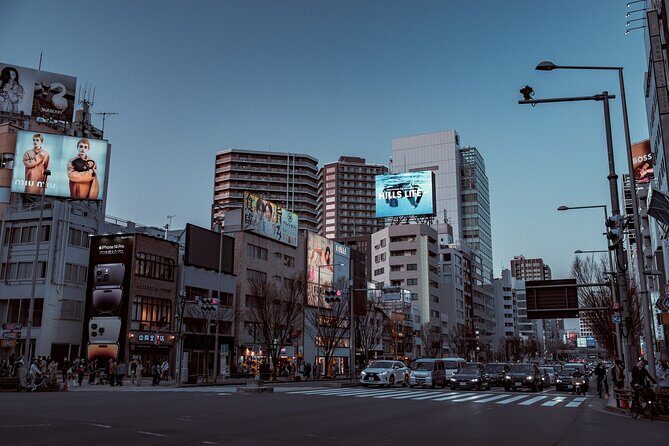
- Takeshita Street snacks and capsules: a fun stretch for quick buys and food like crepes
- Omotesando’s modern architecture: a stylish finish where you can keep browsing after the tour ends
- Small group (max 9): easier conversation and less crowd-stress than larger tours
How this Harajuku tour fits a tight Tokyo day
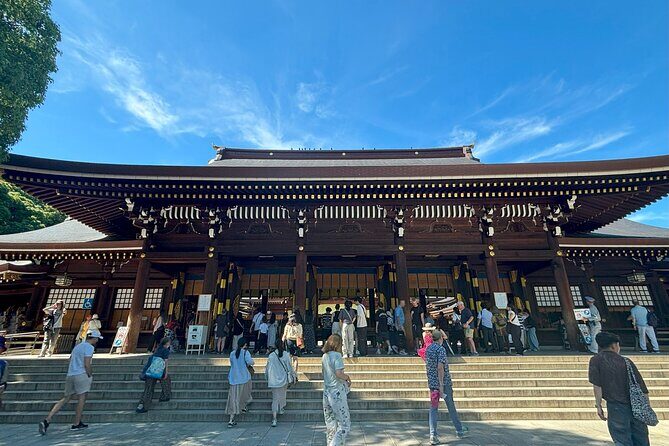
Tokyo can be intense. Even the “fun” parts can feel like a sensory sprint. This tour makes a clear plan across four zones that feel totally different from each other: Meiji Jingu Shrine, Yoyogi Park, Takeshita Street, and Omotesando Avenue.
The timing helps. You get the shrine before the streets fully crank up, then you go into the fashion and snack zone while you still have energy. The finish at Omotesando is smart because it leaves you near places you’d likely want to revisit—shops, cafes, and easy connections for the next stop.
Also, you’re not paying for entry fees at the main sights. Meiji Jingu and the park stretches are free, so the money goes to the guide, the route planning, and keeping things moving in about 3 hours.
You can also read our reviews of more walking tours in Tokyo
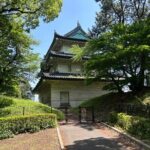
Stop 1: Meiji Jingu Shrine and its forest-to-faith vibe
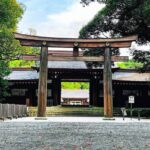
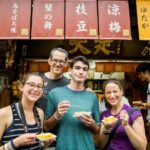
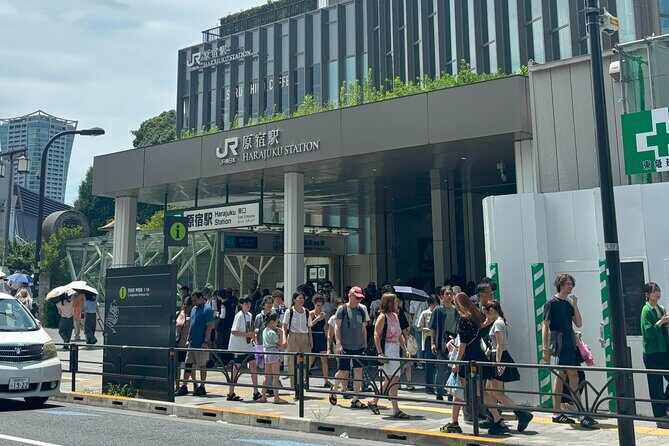
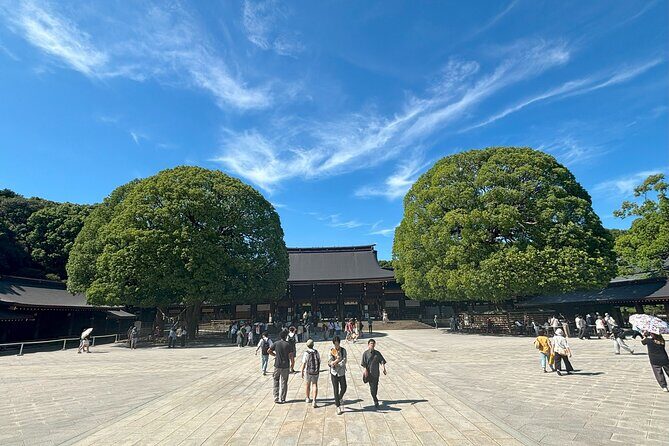
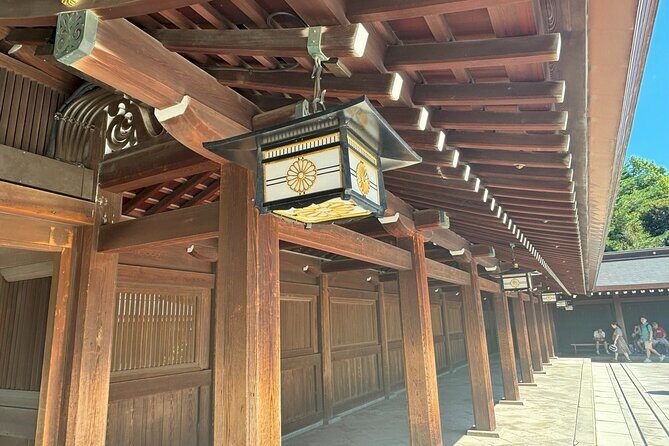
Your tour begins at Harajuku Station and then heads toward the shrine grounds. What makes Meiji Jingu special isn’t just the shrine itself—it’s the approach. The route feels like you’re walking from city life into a calmer world, with trees overhead and a slower rhythm that helps you reset your brain.
This is Shinto shrine space, and the guide’s job is to help you understand the basic meaning of what you’re seeing—traditions, significance, and why this place is treated like a spiritual sanctuary right in the middle of a huge city. You won’t need to be a religion expert to appreciate it. You just need to pay attention to the cues and follow the flow without treating it like an amusement park.
The tour gives you about 45 minutes here, which is enough time to look around, take photos, and feel the atmosphere without rushing like you’re on a train schedule. The main drawback? If you’re sensitive to walking in crowds near station exits before you reach the trees, it can feel busy at the start—but once you hit the shrine grounds, the tone changes fast.
Practical tip: wear shoes you trust. The atmosphere is calm, but you’ll still be on your feet for a solid chunk of time.
Stop 2: Yoyogi Park for a quick reset
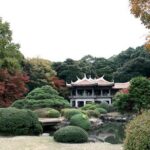
After the shrine, the tour moves you to Yoyogi Park. This is your breather stop—short, green, and very Tokyo. You get a glimpse of local life without the heavy “tourist grind” you can feel in more famous shopping streets.
You’ll have about 20 minutes here, which is perfect for people-watching, taking photos, or simply sitting for a moment if you need one. It’s not meant to replace a full park day. It’s meant to break up the route so the rest of the tour feels fun instead of exhausting.
What I like about this stop is the contrast. You go from spiritual quiet to a public space where everyday life happens. If you’ve only seen Tokyo as neon and trains, this is a reminder that the city also holds real pauses.
Possible consideration: if you’re expecting long park lounging, 20 minutes can feel short. Think of it as a reset button, not a destination by itself.
Stop 3: Takeshita Street for youth fashion, snacks, and energy
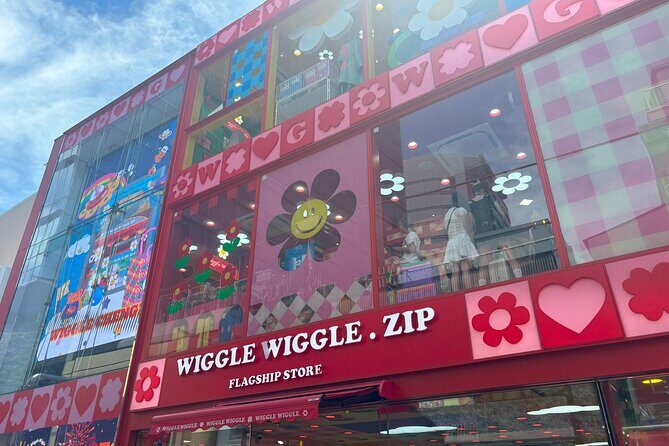
Then you hit the part most people come for: Takeshita Street. This is the loud-and-proud strip where youth fashion and pop culture show up in full color. Expect tight lanes, lots of storefront windows, and people moving fast.
The tour gives you about 30 minutes here. That’s long enough to see what’s going on, pop into a couple shops, and try something small. It’s not long enough to turn it into a shopping day, and that’s okay. The best value is the guide’s ability to point out what to look for so you don’t waste time wandering with no plan.
In one review, the guide helped with capsule toys—yes, the capsule vending machines with tiny surprise collectibles. That’s a very Tokyo thing, and having help matters because you’re not always sure how to choose, where to buy, or how to handle the cash/coin rhythm.
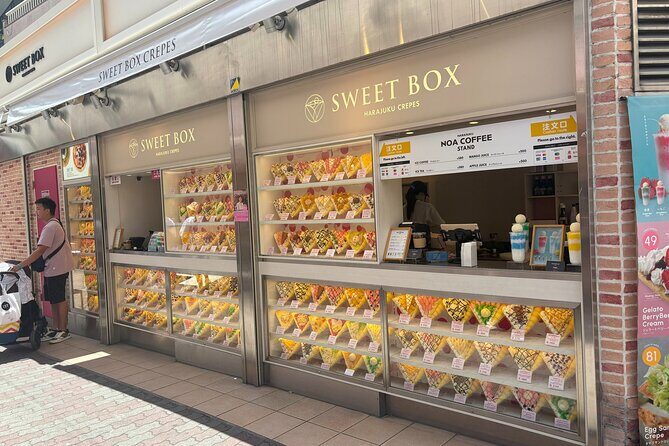
The same review also highlighted crepes from Sweet Box as a solid choice for a quick snack. If you want something sweet while you walk, this is the type of stop where your guide’s suggestions can save you from standing in the wrong line or missing the simplest option.
Practical tip: bring a bit of cash and keep your hands free. This is a street where you’ll likely buy small things and want easy access.
The main drawback here is crowd energy. If you dislike dense spaces, this is the section that will test you. Still, it’s also the most entertaining part.
Stop 4: Omotesando Avenue, modern style to keep going
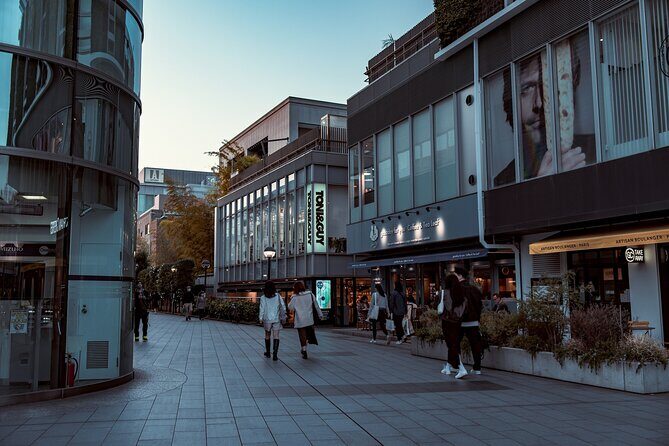
The tour ends at Omote-Sando Avenue, a chic boulevard often compared to the Champs-Élysées of Japan. The vibe shifts again—less pop-art chaos, more clean lines, modern architecture, and boutique shopping.
You get about 30 minutes to enjoy the area and pick what you want to do next: browse stores, take photos of the architecture, or relax with an upscale cafe option if you feel like it. Since the tour finishes here, you’re not forced to “wrap up” at a predetermined spot. You can continue exploring at your own pace.
Why I like this ending: it pairs well with how many people plan their Tokyo afternoons and evenings. After Takeshita Street, you’re often ready for something calmer but still stylish. Omotesando scratches that itch without forcing you back into the loudest streets.
Possible consideration: Omotesando is more expensive for shopping than some other areas. If you mainly want browsing and photos, you’ll enjoy it more than if you’re trying to score deals.






What makes the guide part of the value
In a lot of walking tours, the guide is just a narrator. Here, the guide seems to do more than describe. The standout example from the reviews is Aska—friendly, informative, and helpful with small-but-important tasks like buying capsule toys and steering people toward snacks.
That kind of help matters in Tokyo. Language barriers aren’t always about full sentences. They’re about tiny practical steps: where to buy, what to select, and how to avoid getting stuck in a confusing flow inside a crowded shop.
Because the group is capped at 9, you’re more likely to get direct answers. You also get a smoother experience if you want a quick recommendation for what to try on Takeshita Street.
And since the guide is English-speaking, you avoid the frustration of piecing together signs and online info while you’re trying to actually enjoy the day.
Group size, timing, and the walking reality
This is a 3-hour guided walking tour starting at 1:00 pm. The plan is tight, but not frantic: four main stops with a sensible distribution of time, starting with the shrine.
The group limit (max 9) is one of the most underrated parts. It can mean the difference between feeling like you’re on a tourist conveyor belt and feeling like you’re walking with a small crew. For photos and questions, small groups work.
You should also know it’s a walking tour, no hotel pickup included. The meeting point is Harajuku Station, and the tour ends on Omote-Sando Avenue. That means you’ll want to arrive near the start spot early enough to feel settled before the group heads out.
Practical tip: plan your day around ending in Omotesando. Pick your next activity based on that location, not based on where you started.
Price and value: where the $42 really goes
$42 sounds modest for a guided walk in central Tokyo, and the reason is clear: the major stops include free admission (Meiji Jingu and the park, plus the walking streets). So you’re paying mostly for:
- an English-speaking guide
- the route structure across four distinct neighborhoods
- small-group experience (max 9)
- time-saving navigation so you don’t have to map everything yourself
Is $42 a steal? It depends on your style. If you love wandering with no plan, you might spend less on your own. But if you want the most efficient way to connect the dots—shrine calm, park break, Takeshita fun, Omotesando finish—this price is fairly well matched to what you get.
Also, capsule toy shopping and snack stops can add a few dollars anyway, so your best mindset is: pay for guidance and atmosphere, then budget for your personal purchases.
Weather and comfort: the tour’s one real dependency
The tour requires good weather. That’s normal for walking. If it’s rainy or unpleasant, you may be offered a different date or a full refund, depending on how the operator handles it.
So check the forecast the day before. Tokyo weather can change fast, and even a light drizzle can make sidewalks feel slower and more crowded. Dress for walking and carry a small umbrella if you tend to get uncomfortable in damp conditions.
If you’re going in hot months, think about hydration and shade breaks—because Takeshita Street can be dense, and you don’t get a long sit-down away from the action until Yoyogi Park.
Who should book this Harajuku walking tour
This tour fits best if you want:
- a structured Harajuku day without having to figure out the route yourself
- a mix of shrine culture, park downtime, and street-level pop culture
- a small group experience (max 9) where you can ask questions
- a guide who helps with practical details like capsule toys and what snack to try
It may be less ideal if you’re the type who wants to spend hours shopping on Takeshita Street or who dislikes any crowd-heavy section. The route is designed to cover highlights in about 3 hours, not to turn into a whole afternoon of browsing.
Should you book this Tokyo Harajuku walking tour?
I’d book it if you’re excited by the idea of seeing Tokyo in four moods—forest shrine calm, park reset, Takeshita Street chaos, and Omotesando style—while an English-speaking guide keeps the day organized. The small group size and the guide help (especially with capsule toys and snack choices like Sweet Box crepes) are strong reasons to pick this over a free-form self-walk.
Don’t book it if you hate crowds or you’re trying to cram in maximum shopping time. In that case, you’ll probably want to add extra hours on your own after the tour ends in Omotesando.
If you want a smart, efficient, and genuinely enjoyable way to connect Harajuku highlights, this one makes a lot of sense.
FAQ
How long is the Harajuku walking tour?
It’s about 3 hours.
How much does the tour cost?
The price is $42.00 per person.
What is the group size limit?
The group has a maximum of 9 people.
Where does the tour start and where does it end?
It starts at Harajuku Station and ends on Omote-Sando Avenue.
What time does the tour start?
The start time is 1:00 pm.
What stops are included?
The tour covers Meiji Jingu Shrine, Yoyogi Park, Takeshita Street, and Omote-Sando Avenue.
Are there admission fees for the main sights?
The information provided says the admission ticket for the shrine is free, and the stops listed are not described as paid-entry attractions.
What’s included in the price?
Included items are an English-speaking tour guide and the 3-hour walking tour.
What should I plan to pay for on my own?
Personal expenses and meals and beverages are not included.
Is there hotel pickup?
No, hotel pick-up is not included. The tour is near public transportation.
Is it only for good weather?
Yes. The experience requires good weather, and if it’s canceled due to poor weather, you’ll be offered a different date or a full refund.